The recommended dosage of this medicine for diabetes therapy is 10 mg of dapagliflozin and 100 mg of sitagliptin, with the sustained-release metformin hydrochloride dose determined within the range not exceeding 2000 mg.
This medication should be taken once daily in the evening with meals, and dosages of metformin hydrochloride should be adjusted gradually if needed.
The sustained-release tablets of 10/100/1000 mg should be taken 1 tablet once daily.
This medicine is used to assist with blood sugar control in patients with type 2 diabetes when taken alongside dietary and exercise therapy. It is particularly effective when administering dapagliflozin, sitagliptin, and metformin together, helping to stabilize blood sugar levels. Therefore, this medicine plays a crucial role in managing patients' blood sugar and treating diabetes.
How to take
Adult dose
The recommended dosage of this medicine for diabetes therapy is 10 mg of dapagliflozin and 100 mg of sitagliptin, with the sustained-release metformin hydrochloride dose determined within the range not exceeding 2000 mg.
This medication should be taken once daily in the evening with meals, and dosages of metformin hydrochloride should be adjusted gradually if needed.
The sustained-release tablets of 10/100/1000 mg should be taken 1 tablet once daily.
Precautions
This medicine contains a combination of three ingredients: sitagliptin, dapagliflozin, and metformin.
First, sitagliptin can rarely cause serious allergic reactions, so if symptoms such as skin rashes, difficulty breathing, or swelling of the face or neck occur after taking the medication, you must stop taking it immediately and consult a doctor.
Additionally, sitagliptin can rarely cause a condition called pancreatitis which is inflammation of the pancreas, so if severe abdominal pain, vomiting, or fever occurs, you should inform medical personnel immediately.
Next, metformin can rarely cause a serious metabolic disorder known as lactic acidosis, which is very dangerous. If symptoms such as nausea, vomiting, abdominal pain, difficulty breathing, or lethargy occur, you must go to the hospital immediately.
This medicine should not be administered to patients with moderate to severe renal dysfunction, dehydration, acute infections, or serious heart diseases.
If you are scheduled to undergo tests using radiographic contrast agents, you must discontinue taking this medication for at least 48 hours prior to the test and only resume once renal function has been confirmed normal.
It is also safer not to use this medication in pregnant patients or those with severely impaired liver function or acute or chronic metabolic acidosis.
Patients who are dehydrated or have decreased renal function may experience blood pressure drops or worsening renal function when taking this medication, so renal function and blood pressure should be regularly monitored before and during treatment.
During the use of this medication, hypoglycemic symptoms may occur, so if you experience dizziness, cold sweat, severe hunger, or confusion, you should immediately consume some sugar and consult with healthcare personnel if necessary.
Moreover, this medication can increase the risk of genital and urinary tract infections; therefore, if infection symptoms arise, swift treatment should be sought.
While taking this medicine, symptoms such as weight loss, increased urine output, dry mouth, constipation, headache, and other discomforts may occur, so if any of these symptoms persist or worsen, inform your doctor.
Finally, serious side effects reported in some patients include necrosis of the perineum. If symptoms such as pain, redness, and swelling around the perineum occur, seek medical attention immediately.
It is important to conduct regular blood tests and renal function tests during the use of this medication to confirm its safety, and it is advisable to avoid alcohol consumption.
Side effects and when to seek care immediately
Serious side effects
Hives, severe swelling (edema), chest tightness, difficulty breathing, cold sweat, pallor, severe allergic reactions, high fever with severe rash, blisters, peeling skin, painful mucous membranes in mouth/eyes, severe skin adverse reactions, shortness of breath or difficulty breathing, asthma attacks, respiratory issues accompanied by cough and fever, breathing problems, jaundice (yellowing of skin or eyes), extreme lethargy, liver dysfunction (jaundice), sudden
Mild side effects
Vulvovaginitis
balanitis and related genital infections
urinary tract infections
fungal infections
dry mouth
headache
constipation
back pain
dysuria
polyuria
Show 23 moreCollapse
nocturia
elevated hematocrit
dyslipidemia
weakness
pain
swelling
facial pain
facial swelling
fever
foreign body sensation
fibromyalgia
limb discomfort
muscle cramps
musculoskeletal discomfort
osteoporosis
injuries
toxicity
contusions
increased blood lactate levels
lymphocytopenia
weight gain
increased appetite
altered taste
Not everyone experiences these, and they can vary from person to person.
Storage
This medicine can be sensitive to air and moisture, so it must be stored in a sealed container. It is safest to keep it at room temperature between 1 to 30 degrees Celsius, away from extreme hot or cold conditions.
Appearance and packaging
Appearance
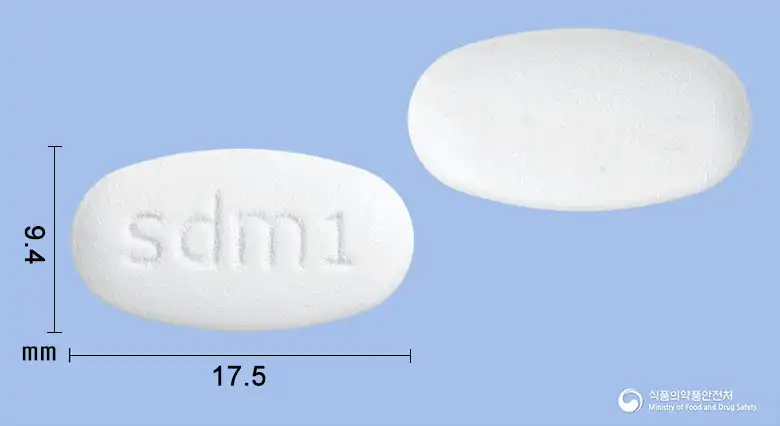
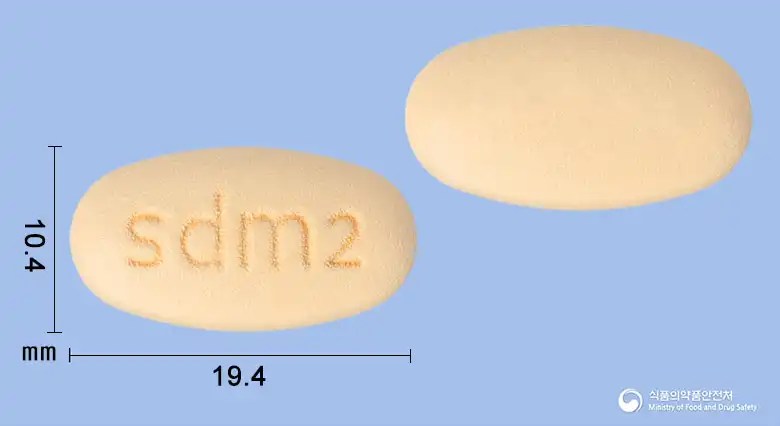
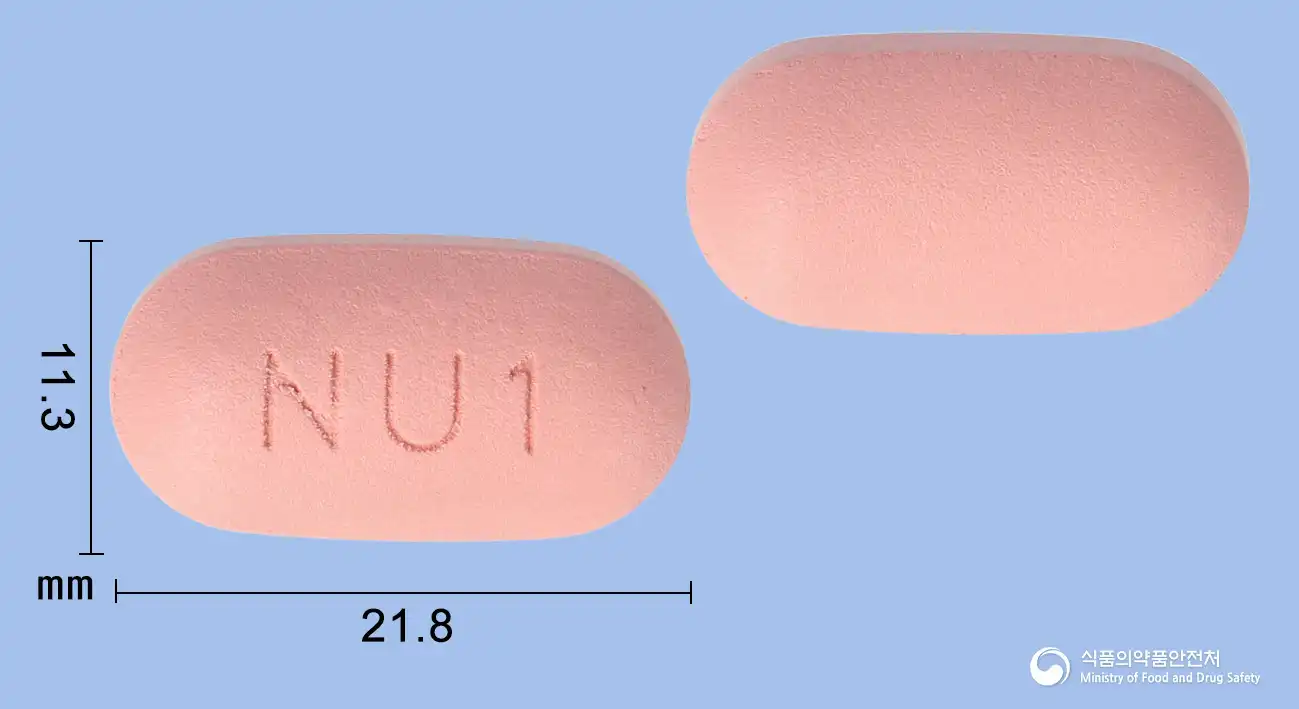
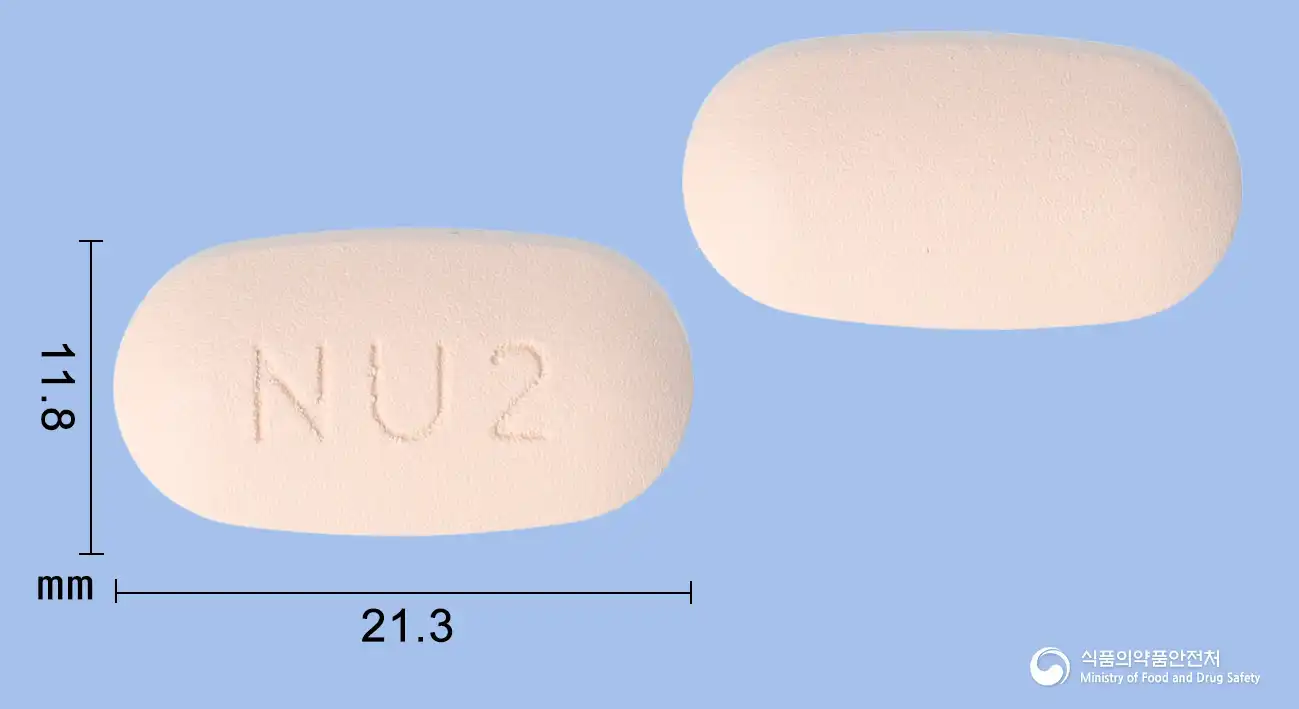
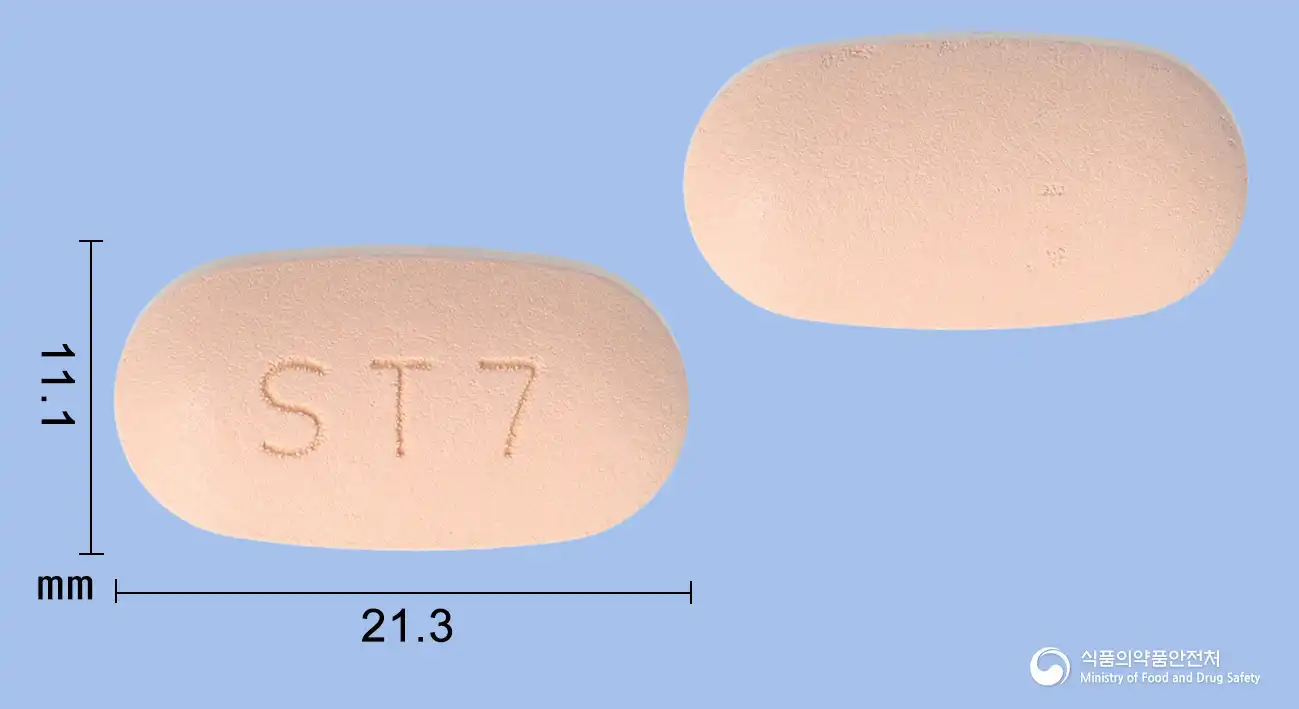
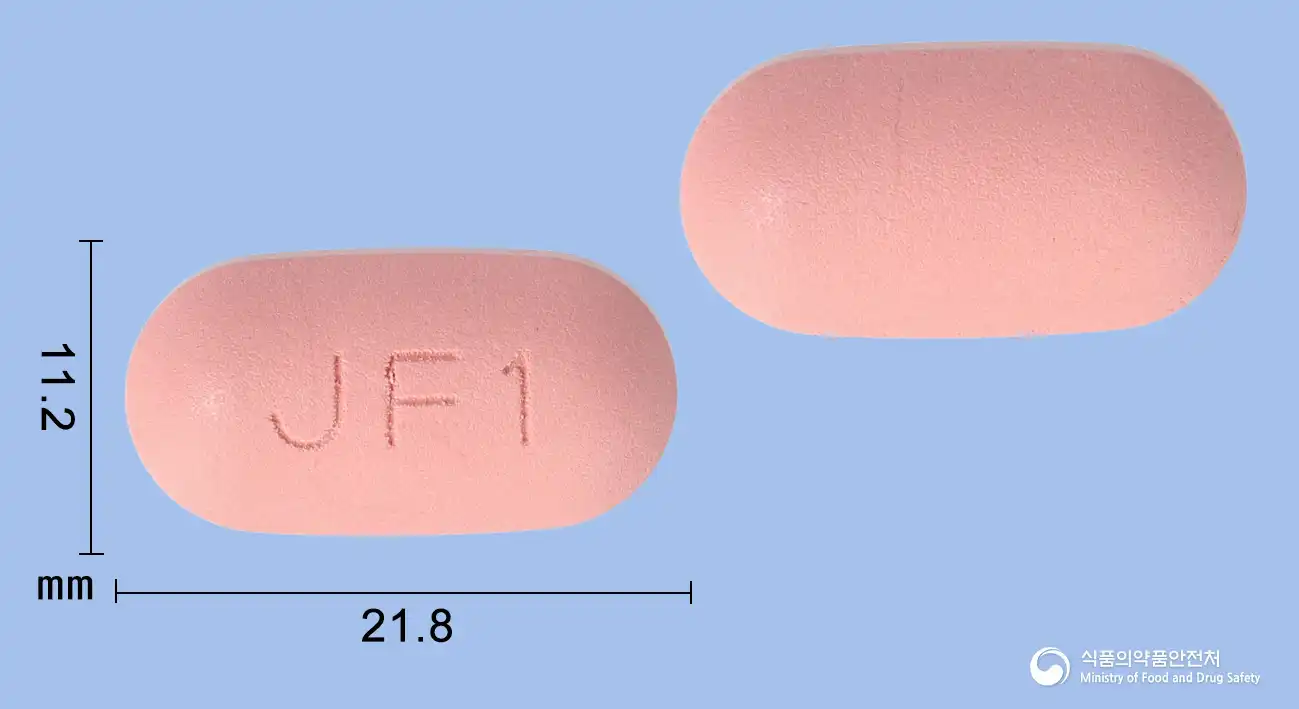
Pink oval sustained-release film-coated tablets
Package unit
30 tablets / bottle
Same-ingredient medicines
Even with the same ingredient, strength, dosage form and how it is taken can differ.
Even with the same ingredient, the dose and directions can differ by strength and dosage form. Talk to a doctor or pharmacist before switching from a medication you are already taking.
Questions about this medicine
No questions yet.
For anything that needs medical judgment, consult a doctor or pharmacist.
This drug information is based on data provided by the Korea Ministry of Food and Drug Safety. Consult a doctor or pharmacist for accurate dosage, administration, and usage instructions.

 한국어
한국어 English
 日本語
日本語 中文(简体)
 Viewing nowCombination