Improvement of blood sugar control in type 2 diabetes
Who takes it
Adults
Adult dose
This medication is taken once daily with dinner.
For 10/100/1000 mg extended release tablets, take one tablet daily.
For 5/50/500 mg, 5/50/750 mg, and 5/50/1000 mg extended release tablets, take two tablets daily.
The dosage of metformin hydrochloride is adjusted gradually, with a maximum dose not exceeding 2000 mg.
Improvement of blood sugar control in type 2 diabetes
View approved original textHide original text
This medication is used for patients with type 2 diabetes to improve blood sugar control while assisting meal therapy and exercise therapy when taken with dapagliflozin, sitagliptin, and metformin.
How to take
Adult dose
This medication is taken once daily with dinner.
For 10/100/1000 mg extended release tablets, take one tablet daily.
For 5/50/500 mg, 5/50/750 mg, and 5/50/1000 mg extended release tablets, take two tablets daily.
The dosage of metformin hydrochloride is adjusted gradually, with a maximum dose not exceeding 2000 mg.
Precautions
This medication contains three components: sitagliptin, dapagliflozin, and metformin.
First, the sitagliptin component can cause severe allergic reactions, so if you experience skin rash, difficulty breathing, or swelling of the face or lips, you must stop taking this medication immediately.
Additionally, acute pancreatitis may occur, which means inflammation of the pancreas, so if sudden abdominal pain or vomiting occurs, you should visit the hospital quickly.
Next, the metformin component can rarely cause a serious metabolic disorder called lactic acidosis. This symptom occurs due to the accumulation of lactic acid in the body, and symptoms such as weakness, muscle pain, difficulty breathing, and abdominal pain may appear, so if these symptoms occur, you should consult a healthcare professional immediately.
Moreover, it is safer not to use this medication for patients with decreased kidney function, severe infections, dehydration, heart failure, or unstable conditions such as acute myocardial infarction.
Patients who are scheduled to receive iodine contrast agents for radiological examinations should discontinue this medication for a certain period before and after the examination and should resume taking it only after confirming normal kidney function.
Patients with decreased blood volume or low blood pressure, the elderly, or patients taking diuretics should carefully monitor their condition as they may be at risk for decreased blood pressure or worsening kidney function while using this medication.
Infections of the genital area and urinary tract may occur during the use of this medication, so if related symptoms appear, immediate treatment should be sought.
Additionally, hypoglycemic symptoms may occur, so especially when combined with other diabetes medications such as insulin or sulfonylureas, blood sugar changes should be monitored closely.
It is advisable not to use this medication during pregnancy, when there are issues with placental function, or in patients with significantly reduced liver function.
Finally, this medication can rarely cause skin rash, urticaria, severe joint pain, and blistering skin diseases, so if abnormal symptoms occur, you should consult a doctor immediately.
During the use of this medication, it is essential to regularly check health status through blood tests and kidney function tests.
Side effects and when to seek care immediately
Serious side effects
Urticaria
severe swelling (angioedema)
anaphylaxis
Stevens-Johnson syndrome
acute pancreatitis
lactic acidosis
severe allergic reactions
severe skin reactions
acute renal failure
acute kidney injury
Show 13 moreCollapse
liver abnormalities (jaundice)
severe edema
headache
confusion
seizures
paralysis
severe hypoglycemia
perineal necrosis (Fournier's gangrene)
diabetic ketoacidosis
acute pancreatitis
blistering pemphigoid
thrombocytopenia
rhabdomyolysis
Mild side effects
Hypoglycemia
vulvovaginitis
balanitis
fungal infections
perineal necrosis
reduced fluid volume
thirst
diabetic ketoacidosis
urinary tract infections
polyuria
Show 23 moreCollapse
nocturia
elevated serum creatinine
dyslipidemia
increased hematocrit
dizziness
constipation
dry mouth
low back pain
dysuria
genital itching
urticaria
dermatitis
pruritus
sweating
allergic dermatitis
lesions
myalgia
headache
dyspepsia
nausea
diarrhea
vomiting
vaginal secretion
Not everyone experiences these, and they can vary from person to person.
Storage
This medication should be stored in a tightly closed container to protect it from air and light, at room temperature between 1 and 30 degrees Celsius.
Storing it this way helps maintain the medication's effectiveness over time.
Appearance and packaging
Appearance
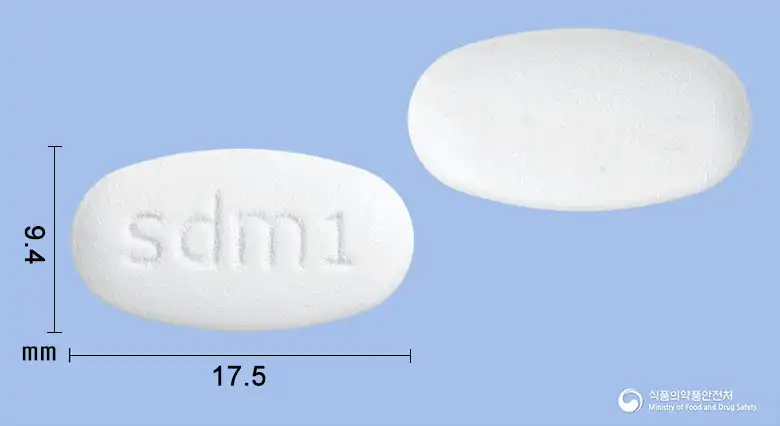
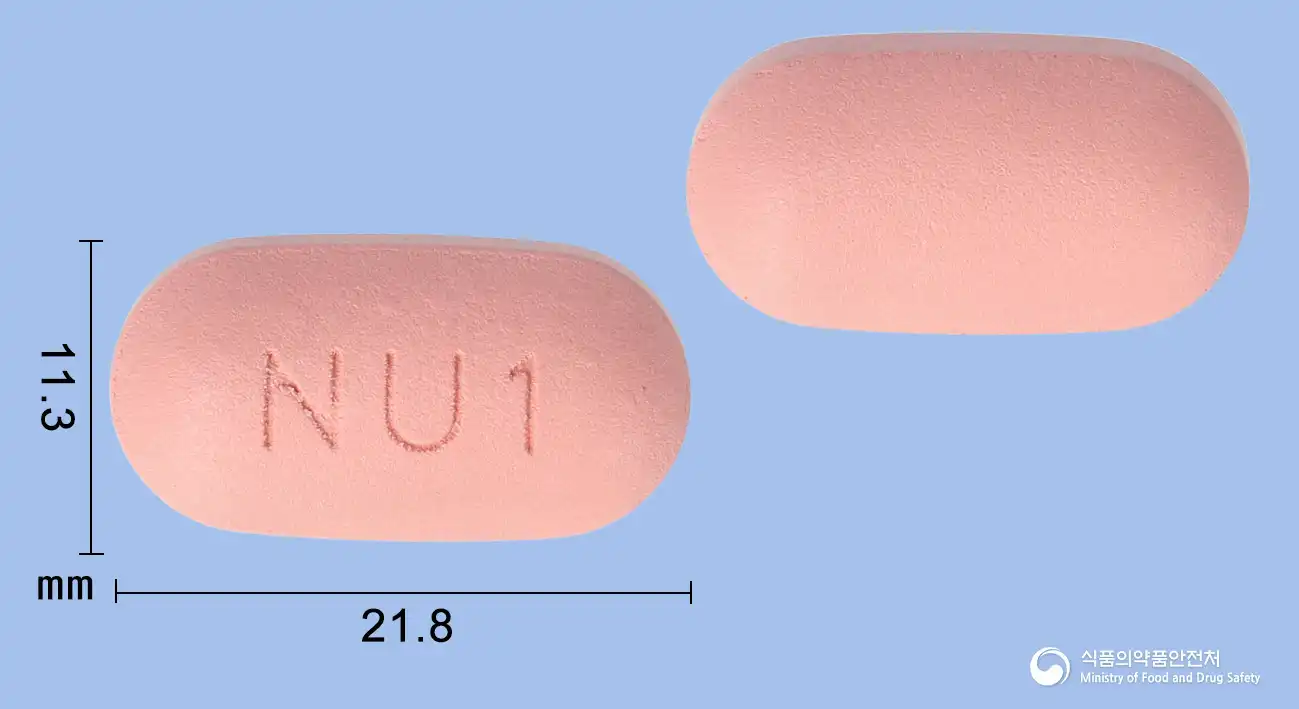
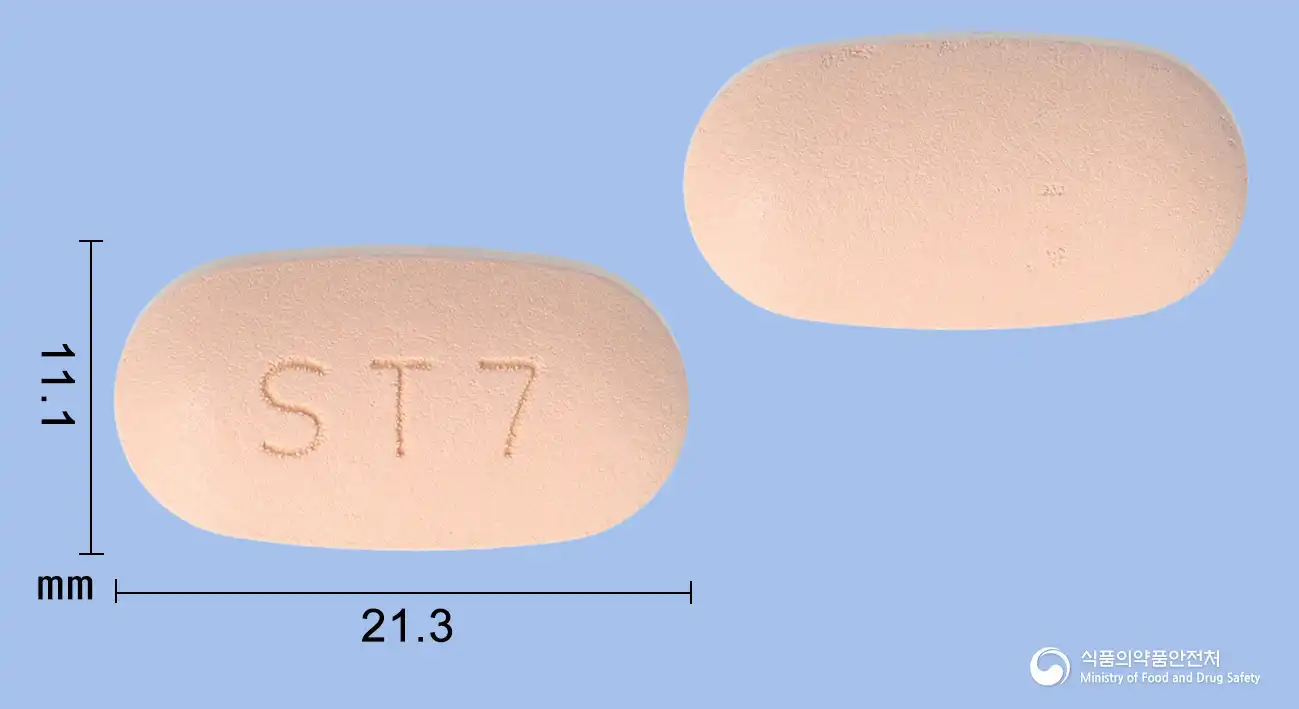
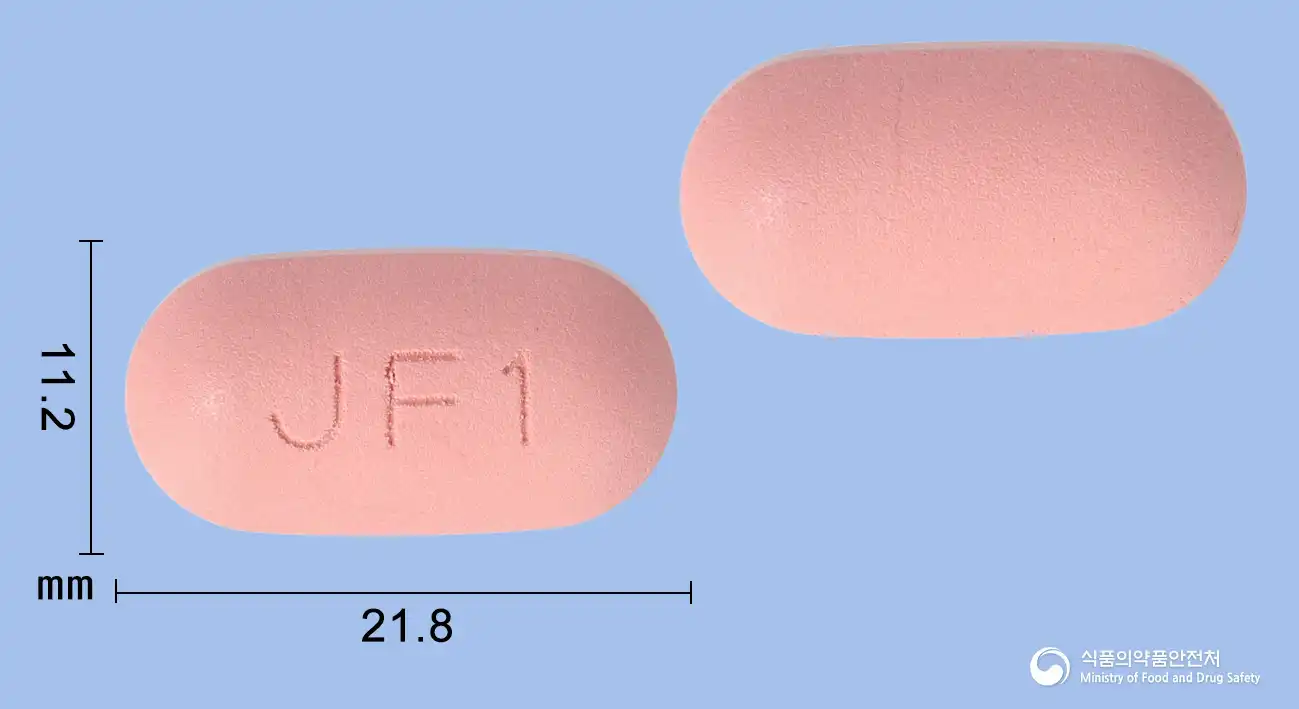
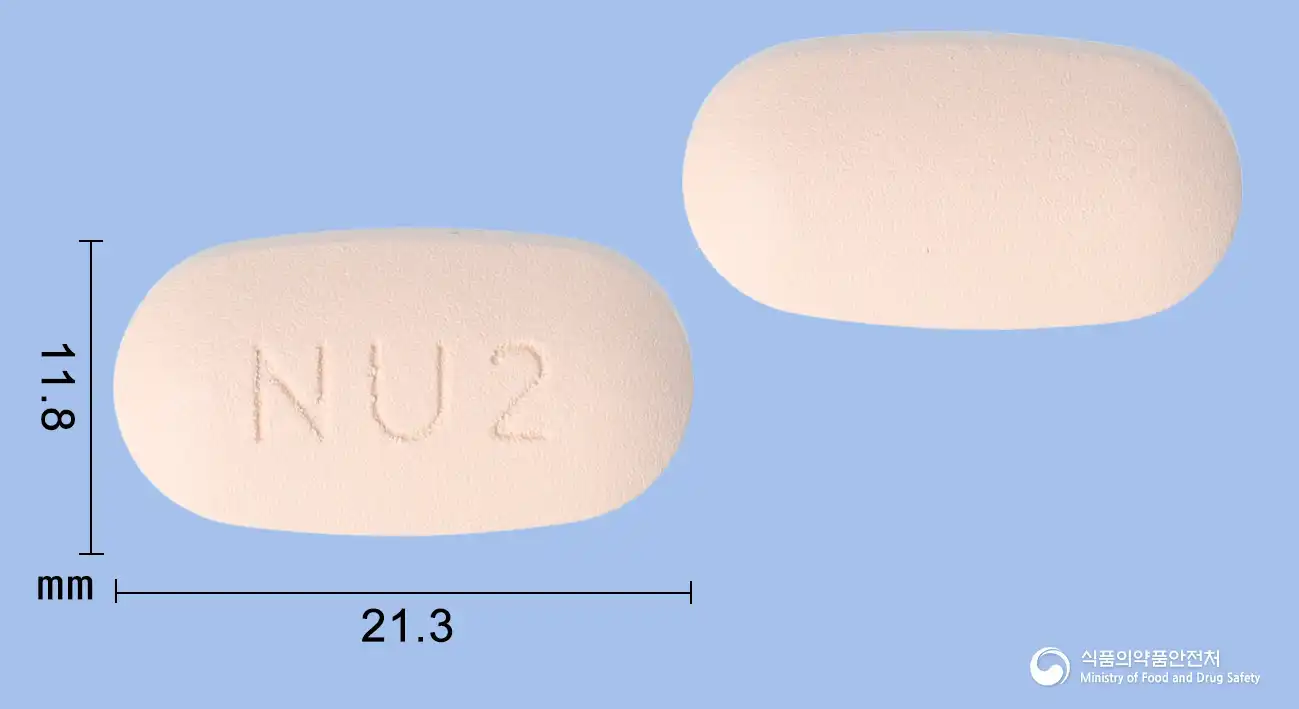
Orange oval extended release film-coated tablet
Package unit
30 tablets/bottle
Same-ingredient medicines
Even with the same ingredient, strength, dosage form and how it is taken can differ.
Even with the same ingredient, the dose and directions can differ by strength and dosage form. Talk to a doctor or pharmacist before switching from a medication you are already taking.
Questions about this medicine
No questions yet.
For anything that needs medical judgment, consult a doctor or pharmacist.
This drug information is based on data provided by the Korea Ministry of Food and Drug Safety. Consult a doctor or pharmacist for accurate dosage, administration, and usage instructions.

 한국어
한국어 English
 日本語
日本語 中文(简体)
 Viewing nowCombination