
 한국어
한국어 English
 日本語
日本語 中文(简体)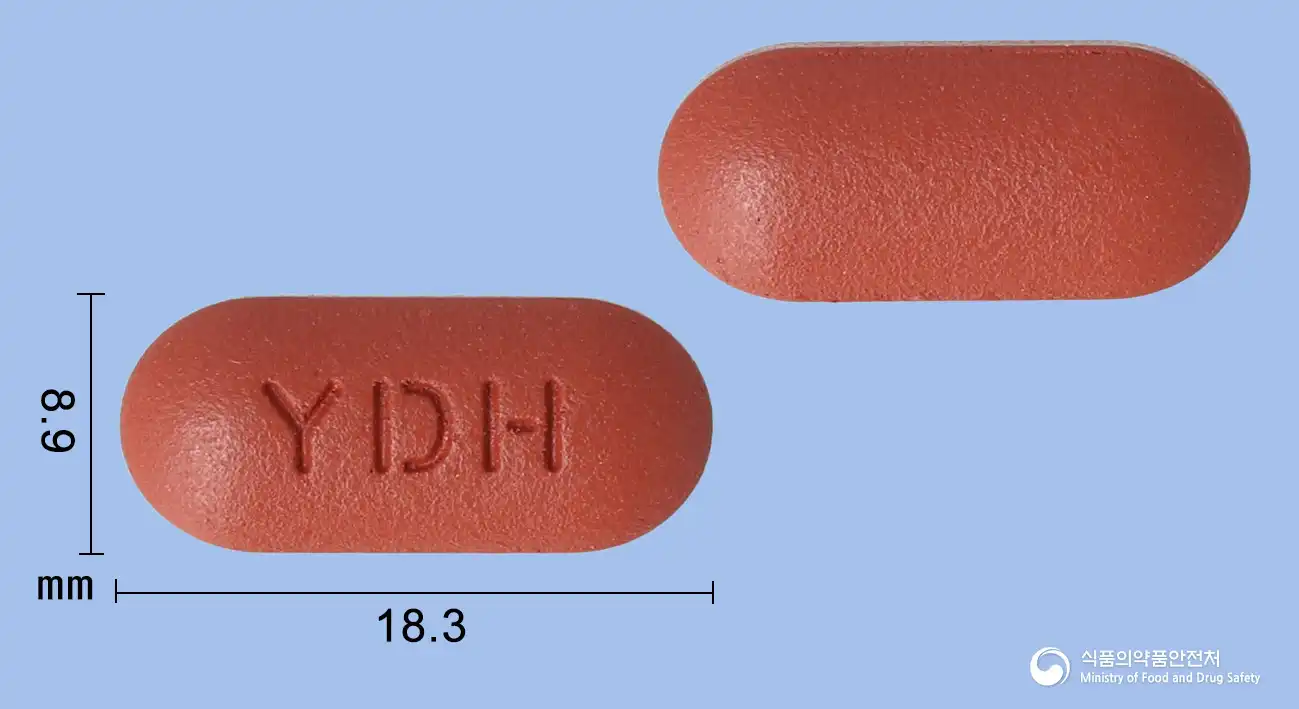
This product's status changed to Approval withdrawn on 2024.09.19. It may no longer be sold, so consult a doctor or pharmacist before taking it.
Summary
- Main use
- Prevention of bone and dental developmental disorders and rickets, relief of pain such as neuralgia and myalgia, improvement of dermatitis
- Who takes it
- Adults
- Adult dose
- Adults aged 19 years and older should take 1 tablet once a day.
Ingredients
- Ursodeoxycholic Acid60mg / 1 tablet
- Ubidecarenone10mg / 1 tablet
- Benfotiamine110mg / 1 tablet
- Riboflavin50mg / 1 tablet
- Pyridoxine Hydrochloride50mg / 1 tablet
- Ascorbic Acid100mg / 1 tablet
- Selenium In Dried Yeast46.3mg / 1 tablet
- Zinc Oxide30mg / 1 tablet
- Cholecalciferol Concentrate Powder10mg / 1 tablet
- D-Biotin0.2mg / 1 tablet
- Mecobalamin1mg / 1 tablet
- Bisbentiamine20mg / 1 tablet
- Retinol Acetate Granules2mg / 1 tablet
- Tocopherol Acetate Powder 50%40mg / 1 tablet
- Calcium Pantothenate50mg / 1 tablet
- Magnesium Oxide100mg / 1 tablet
- Chromium in Dried Yeast0.5mg / 1 tablet
- Nicotinamide50mg / 1 tablet
- Manufacturer
- 메딕스제약(주)
Efficacy & effects
Prevention of bone and dental developmental disorders and rickets, relief of pain such as neuralgia and myalgia, improvement of dermatitis
- Physical fatigue
- reduced physical strength
- bone developmental disorders
- rickets
- neuralgia
- myalgia
- arthralgia
- stomatitis
- cheilitis
- gingivitis
- glossitis
- eczema
View approved original textHide original text
This medication contains vitamins A, D, E, B1, B2, B6, C, and zinc, which helps in nutritional supplementation needed during physical fatigue, pregnancy, lactation, recovery from illness, developmental periods, and old age. It is effective for the prevention of bone and dental developmental disorders and rickets and is used to relieve pain such as neuralgia, myalgia, and arthralgia. It also helps alleviate symptoms of stomatitis, cheilitis, gingivitis, glossitis, eczema, and dermatitis occurring in the mouth and skin. It is beneficial for the fatigue of the eyes and is used for overall health improvement. This medicine enhances overall bodily functions and helps relieve uncomfortable symptoms through various vitamins and minerals.
How to take
Adult dose
Adults aged 19 years and older should take 1 tablet once a day.
Precautions
This medication should be used with caution in women in the first three months of pregnancy or those who might become pregnant, as doses of vitamin A above 5,000 IU per day may lead to risks of congenital malformations. Patients with hypercalcemia, sarcoidosis, or kidney diseases should avoid this medication. Additionally, individuals with known allergies to this medication or its ingredients, infants under 12 months old, patients with kidney stones, severe renal failure, and allergies to soybean oil, beans, or peanuts should avoid taking this drug. During the use of this medication, caution should be exercised to avoid using phosphate salts, calcium salts, oral tetracycline preparations, antacids, or levodopa simultaneously. Those receiving treatment from a physician, or with a history of oxaluria, gastrointestinal disorders, cardiovascular issues, kidney dysfunction, hypoproteinemia, diabetes, gout, or kidney stones should consult a healthcare professional before taking this medication. Pregnant or breastfeeding women, premature infants, and young children should also consult with specialists before use and be aware of potential adverse effects from excessive intake of vitamins A and D. If symptoms such as nausea, vomiting, skin rashes, joint swelling, diarrhea, hypotension, or pulmonary edema develop while taking this medication, discontinue use immediately and consult a healthcare professional. Also, prolonged menstrual changes or bleeding, as well as tolerance or neuropathic symptoms during long-term high-dose use, require caution. Strict adherence to the prescribed dosage and regimen is necessary, and vegetable sources should adequately provide vitamin A, so supplementation should not exceed 5,000 IU daily. While on this medication, avoid beverages containing tannins such as green tea or black tea, as they may affect blood glucose test results. Patients at risk of fat overload should regularly monitor plasma lipid levels, and dosage adjustments may be needed when using other lipid-lowering agents based on total lipid content. Store this medication out of the reach of children in a cool place protected from direct sunlight and moisture, and do not transfer to another container to maintain quality.
Side effects and when to seek care immediately
Serious side effects
Cardiac contraction failure (cardiac arrest), pulmonary edema (swelling)
Mild side effects
Nausea, vomiting, itching, dry and rough skin, painful joint swelling, diarrhea, abdominal discomfort, constipation, rash, redness, loose stools, dermatitis, bad odor during sweating or breathing, hair loss, restlessness, gastrointestinal disturbances, digestive disorders, upper abdominal pain, hypotension, increased bleeding, sensory neuropathy or neuropsychiatric symptoms, hematological adverse reactions, glucose tolerance impairment, hyperuricemia, liver damage, edema, increased risk of osteoporosis, risk of hyperkalemia, blood sugar tests.
Not everyone experiences these, and they can vary from person to person.
Storage
This medication should be stored in a tightly sealed container that can block air and moisture, ideally at room temperature between 1 and 30 degrees Celsius. This storage will help maintain the drug's efficacy and safety.
Appearance and packaging
Appearance
Brown rectangular film-coated tablet
Package unit
90 tablets/bottle
Questions about this medicine
No questions yet.
For anything that needs medical judgment, consult a doctor or pharmacist.