
 한국어
한국어 English
 日本語
日本語 中文(简体)
Dosage form image
Viewing nowAlonadine 120mg (Fexofenadine Hydrochloride)
Fexofenadine Hydrochloride 120mg
Tablet · OTC medication
Kyungnam Pharmaceutical Co., Ltd.
MFDS item code 202401687 · Notified 2024.07.09
Relief of allergic rhinitis symptoms
This medication is used to relieve symptoms such as sneezing, nasal congestion, and runny nose caused by allergic rhinitis.
Adults and adolescents over 12 years: As Fexofenadine Hydrochloride, take 120 mg orally once daily before meals with water. No adjustment of dosage is needed for elderly patients or those with liver failure. For patients with renal impairment, the initial dose is 60 mg orally once daily before meals with water.
Children under 12 years: Safety and efficacy of this medication have not been established.
This medication should not be used by patients who have allergic reactions to this drug or its components. Caution should be exercised when administering to patients with impaired kidney function, elderly patients, and those with heart diseases or a history of cardiovascular diseases. The most common side effect when taking this medication is headache, and drowsiness, dizziness, and nausea may occur in some patients. Rarely, hypersensitivity reactions such as fatigue, insomnia, irritability, sleep disturbances, nightmares, rash, urticaria, itching, angioedema, shortness of breath, and skin flushing may occur, and if any abnormal symptoms appear, immediate consultation with a healthcare professional is necessary. If symptoms of shock, shortness of breath, low blood pressure, or chest pain occur, the medication must be discontinued immediately and appropriate treatment should be provided. Since liver function may be impaired, regular monitoring of liver enzymes (AST, ALT, etc.) should be conducted, and if abnormalities are found, the medication should be discontinued. This medication may affect the nervous system, leading to symptoms such as headache, dizziness, and gastrointestinal symptoms like nausea, and fatigue has also been reported. There are no reports of this medication affecting driving or machine operation, but caution is necessary as drowsiness or dizziness may vary by individual. This medication has minimal interactions with other drugs, but caution is advised when taken with ketoconazole or erythromycin as blood concentration may increase. Taking antacids that contain aluminum or magnesium hydroxide may reduce the absorption of this medication, so it is advisable to take antacids 2 hours before or after this medication. Fruit juices such as grapefruit juice, orange juice, and apple juice may reduce the effectiveness of this medication, so it is recommended to take it with water. Women who are pregnant or may become pregnant should only use this medication when absolutely necessary, and nursing mothers should avoid breastfeeding while taking this medication. The safety and efficacy of this medication in children under 12 years of age have not been adequately established, so caution is advised for use. Elderly patients may have decreased kidney function, so dosage adjustment and kidney function monitoring are necessary. If skin reaction tests such as allergy tests are to be conducted, it is advisable to discontinue this medication 3 to 5 days before the test. No specific cases of acute toxicity have been reported in the event of overdose, but symptoms such as dizziness, drowsiness, and dry mouth may occur, so overdose should be avoided, and appropriate treatment should be sought if symptoms occur. This medication should be kept out of reach of children and stored in its original packaging for safety.
Urticaria, angioedema, chest tightness, shortness of breath, systemic hypersensitivity (anaphylaxis), shock, liver dysfunction (increased AST, ALT, γ-GTP, ALP, LDH), jaundice
Not everyone experiences these, and they can vary from person to person.
This medication may be sensitive to air and moisture, so it must be stored in a tightly sealed container. It is important to maintain the storage temperature between 1 degree and 30 degrees Celsius to preserve the medication's effectiveness and safety for a long time.
Pale pink oval film-coated tablet
10 tablets/PTP
Even with the same ingredient, strength, dosage form and how it is taken can differ.
Fexofenadine Hydrochloride 120mg
Tablet · OTC medication
Kyungnam Pharmaceutical Co., Ltd.
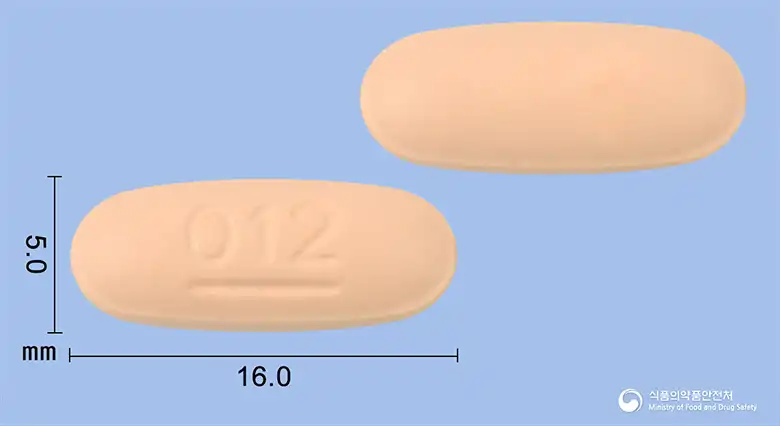
Fexofenadine Hydrochloride 120mg
Tablet · OTC medication
HanDoc Co., Ltd.
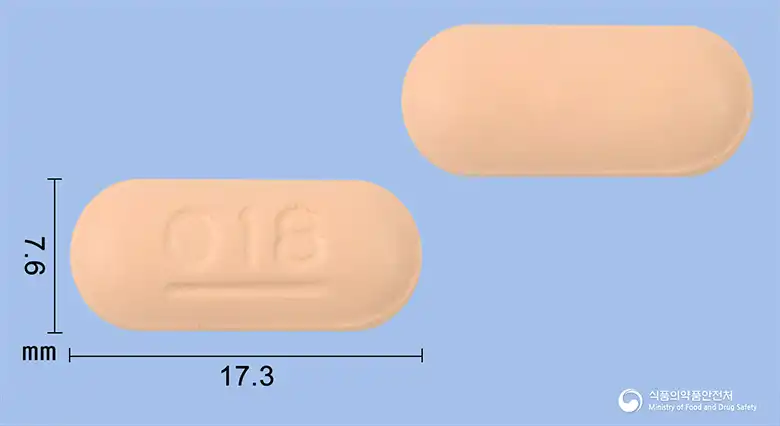
Fexofenadine Hydrochloride 180mg
Tablet · Prescription medication
Handok Co., Ltd.
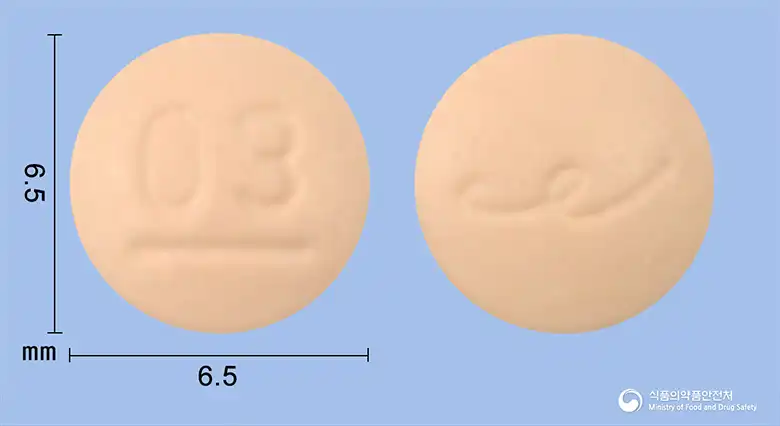
Fexofenadine Hydrochloride 30mg
Tablet · Prescription medication
Handok Co., Ltd.
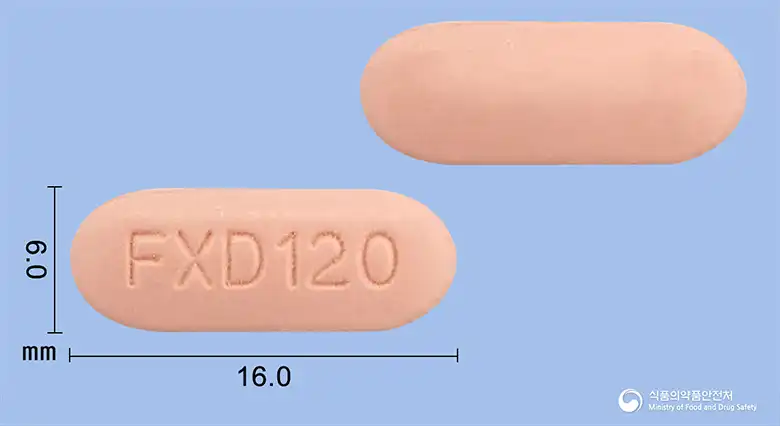
Fexofenadine Hydrochloride 120mg
Tablet · OTC medication
Jongkundang Co., Ltd.
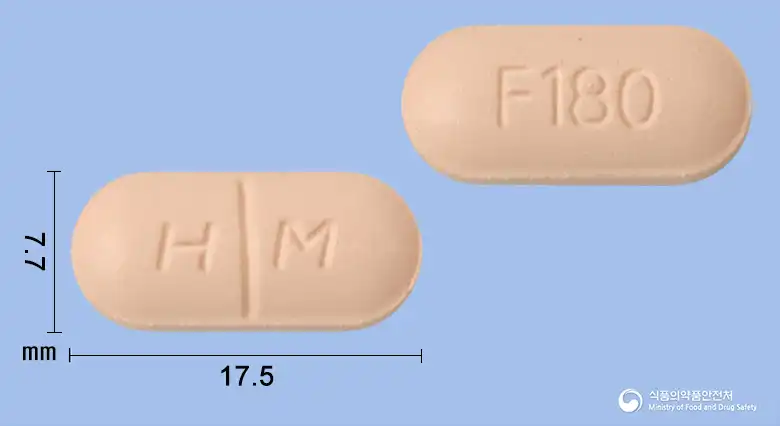
Fexofenadine Hydrochloride 180mg
Tablet · Prescription medication
Hanmi Pharmaceutical Co., Ltd.
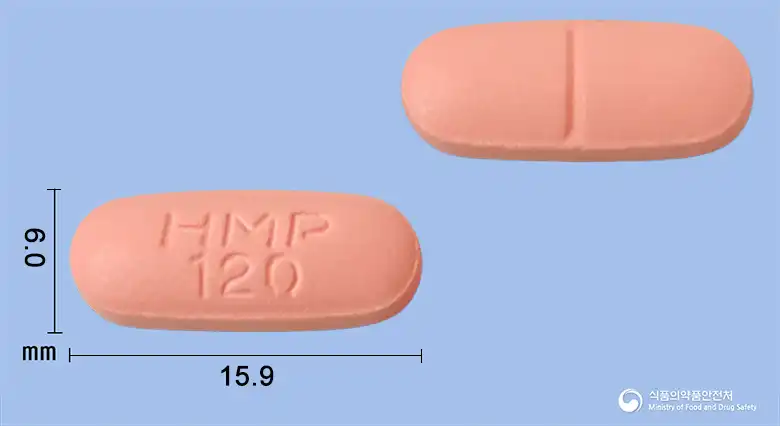
Fexofenadine Hydrochloride 120mg
Tablet · OTC medication
Hanmi Pharmaceutical Co., Ltd.
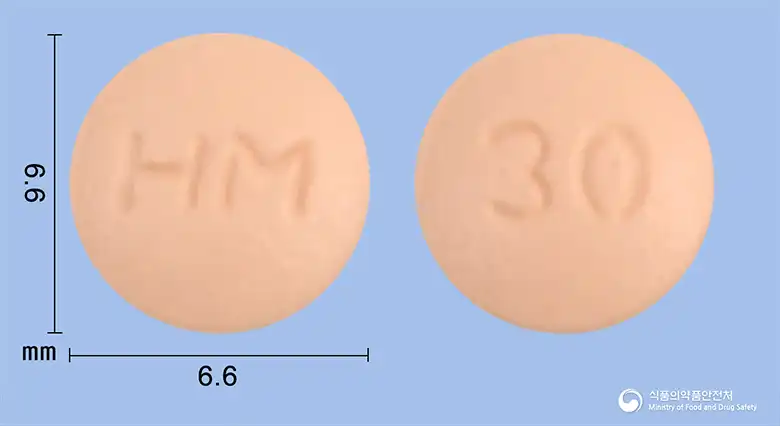
Fexofenadine Hydrochloride 30mg
Tablet · Prescription medication
Hanmi Pharmaceutical Co., Ltd.
Even with the same ingredient, the dose and directions can differ by strength and dosage form. Talk to a doctor or pharmacist before switching from a medication you are already taking.
No questions yet.
For anything that needs medical judgment, consult a doctor or pharmacist.
This drug information is based on data provided by the Korea Ministry of Food and Drug Safety.
Consult a doctor or pharmacist for accurate dosage, administration, and usage instructions.