
 한국어
한국어 English
 日本語
日本語 中文(简体)
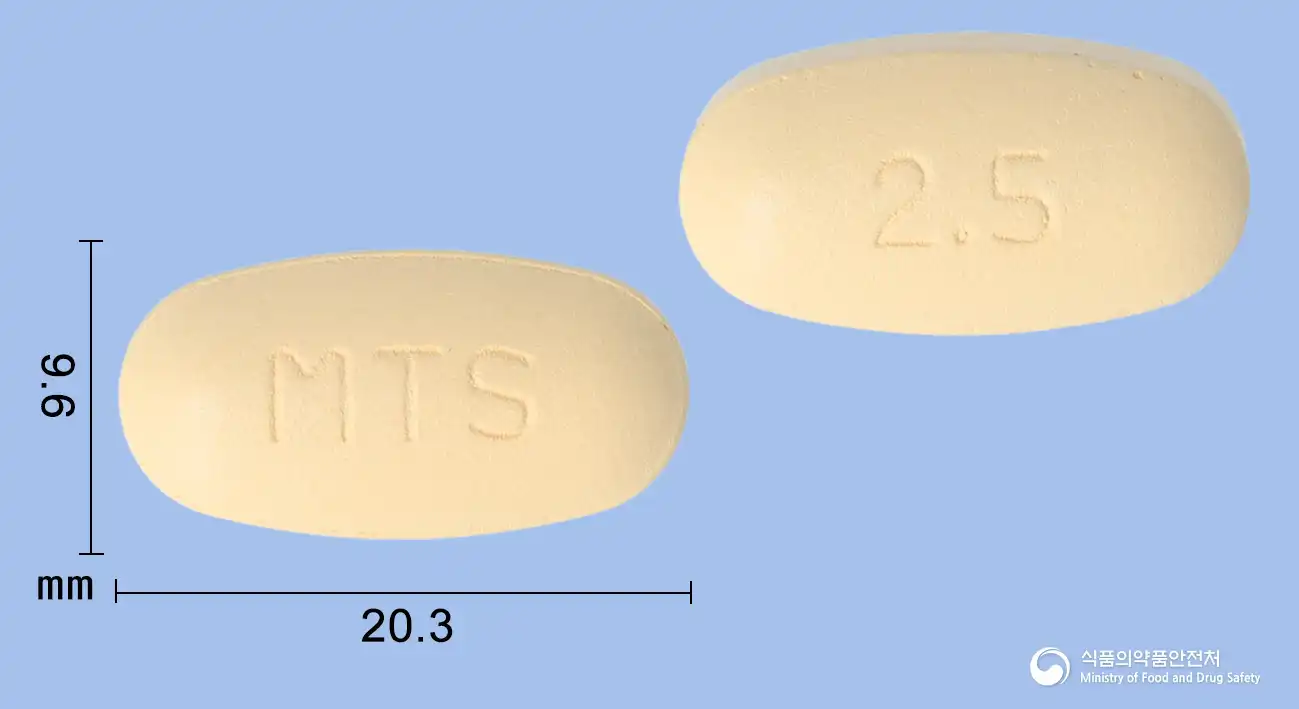 Viewing nowCombination
Trimeb Duo Controlled-release Tablets 2.5/1000 mg (Linagliptin, Metformin)
Linagliptin Besylate 3.34mg · Metformin Hydrochloride 1000mg
Tablet · Prescription medication · Combination
Mothers Pharmaceutical Co., Ltd.
MFDS item code 202401578 · Approved 2024.06.28 · Insurance code 622805330
Improvement in blood glucose control in type 2 diabetes
This medication helps improve blood glucose control in patients with type 2 diabetes who are taking linagliptin and metformin together. It can effectively manage blood sugar levels when used alongside meal and exercise therapy. This contributes to alleviating diabetes symptoms and reducing the risk of complications. It supports maintaining a healthy blood glucose level through safe and consistent treatment.
This medication is taken once daily with evening meals. If taking the sustained-release form of 2.5/1000 mg, take 2 tablets simultaneously in a single dose once daily. The increase in metformin hydrochloride dosage should be gradual. The initial dose is linagliptin 5 mg and metformin hydrochloride 1000 mg, which can be increased to a maximum of 2000 mg daily if necessary.
This medication is composed of two ingredients, metformin and linagliptin, and is primarily used for the treatment of type 2 diabetes. When taking this medication, special caution is required as a rare but serious condition called lactic acidosis may occur. Lactic acidosis is a dangerous state caused by excessive accumulation of lactic acid in the body, necessitating immediate medical treatment. Patients with allergies to the components in this medicine, type 1 diabetes, severe renal impairment, severe liver dysfunction, acute infections, dehydration, and serious cardiovascular diseases should not take this medication. Additionally, it is advisable for patients with acute or chronic alcohol intoxication, poor nutritional status, or adrenal insufficiency to avoid using this medication. As this medicine can cause hypoglycemia, if taken with other blood glucose-lowering agents or insulin, careful monitoring of hypoglycemia symptoms is imperative. Symptoms of hypoglycemia may include dizziness, cold sweats, and tremors. Patients with reduced renal function may find the excretion of this medication difficult, hence regular renal function tests should be conducted and dosage should be adjusted according to the physician's instructions. This medication should be temporarily discontinued when undergoing surgeries or receiving iodine contrast agents used in radiographic exams, and can be resumed after renal function has returned to normal. Women who are pregnant or planning to become pregnant should avoid using this medication and are advised to control their blood glucose levels using insulin therapy. It is also not safe to use this medication while breastfeeding. Adverse effects such as gastrointestinal disturbances (abdominal pain, diarrhea, nausea, vomiting) may occur, usually improving over time. If severe abdominal pain or persistent symptoms arise, consultation with a physician is necessary. Furthermore, acute pancreatitis or bullous skin disease may occur rarely, so continuous abdominal pain or skin abnormalities should be reported immediately to medical personnel. Vitamin B12 levels may decrease; therefore, it is advisable to regularly check B12 levels through blood tests when using this medication long-term. This medication should be swallowed whole without breaking, chewing, or crushing, and worries about the tablet shell being expelled can be disregarded. When taking other medications simultaneously, potential interactions may occur, so it is essential to inform your physician or pharmacist of any medications currently being taken, and to regularly check blood glucose and renal function. In elderly patients, renal function decline is common, so assessing renal function before administration and adjusting the appropriate dosage is important. In case of overdose, there is a risk of lactic acidosis, so strictly adhere to prescribed doses and visit a medical facility immediately if unusual symptoms develop. Finally, keep this medication out of reach of children and store it in a dry place to avoid moisture.
Urticaria, angioedema, lactic acidosis, pancreatitis, bullous pemphigoid, abnormal liver function (abnormal liver function, hepatitis), angina, acute myocardial infarction, unstable angina, congestive heart failure, acute kidney injury, acute cholangitis, acute cholecystitis, cholangitis, septicemia, asthma, shortness of breath, pneumonia, acute pyelonephritis, cerebrovascular accident, fever, chest pain, facial swelling
Taste disturbances, cough, decreased appetite, diarrhea, constipation, nausea, vomiting, abdominal pain, oral ulcers, itching, rash, urticaria, angioedema, erythema, bullous pemphigoid, increased amylase, abnormal vitamin B12 absorption test results, abnormal liver function, hepatitis, chest pain, fever, facial swelling, fatigue, nosebleeds, oropharyngeal pain, speech disorders, productive cough, runny nose, dizziness, joint pain, osteoporosis, arthritis, musculoskeletal discomfort, myositis,
Not everyone experiences these, and they can vary from person to person.
This medication should be stored in a tightly sealed container to protect it from air and moisture. It is recommended to maintain a storage temperature between 1°C and 30°C at room temperature. This helps to retain the efficacy and safety of the medication for a longer period.
This medicine is a yellow oval sustained-release film-coated tablet.
30 tablets/bottle, 60 tablets/bottle
Even with the same ingredient, strength, dosage form and how it is taken can differ.
Viewing nowCombinationLinagliptin Besylate 3.34mg · Metformin Hydrochloride 1000mg
Tablet · Prescription medication · Combination
Mothers Pharmaceutical Co., Ltd.
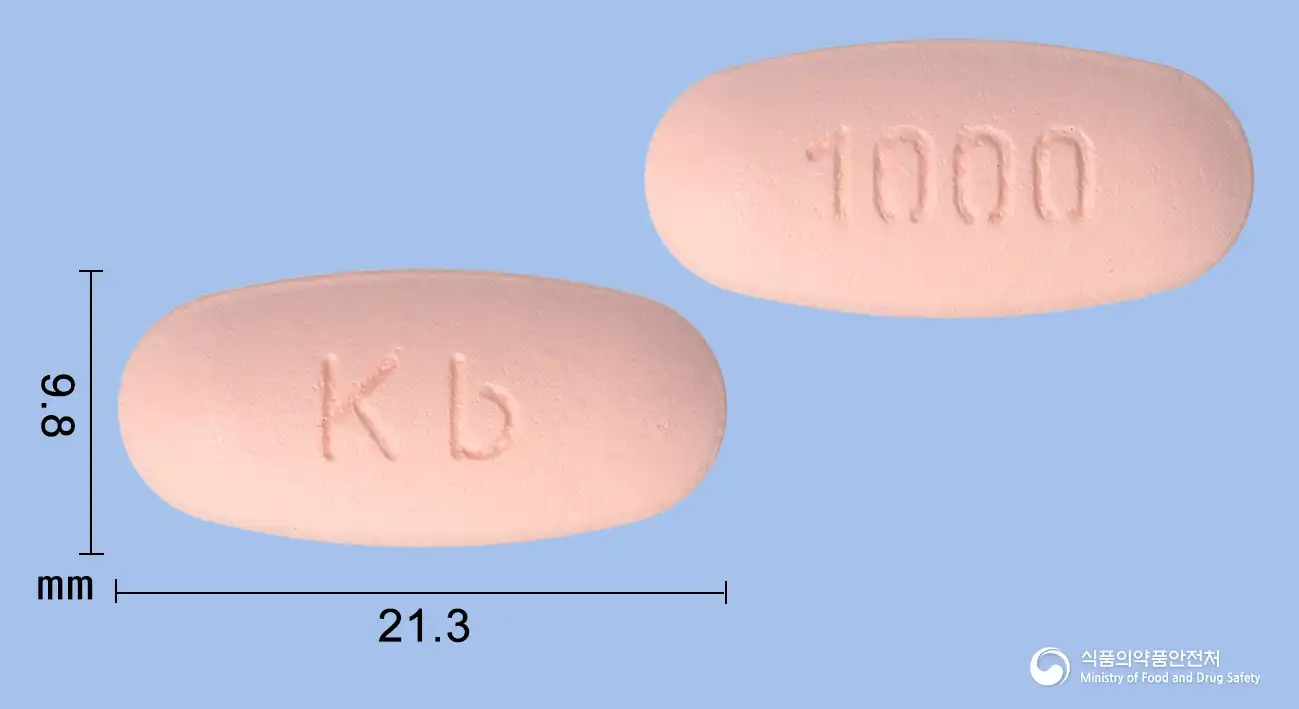 Combination
Linagliptin Besylate 3.34mg · Metformin Hydrochloride 1000mg
Tablet · Prescription medication · Combination
Kyungbo Pharmaceutical Co., Ltd.
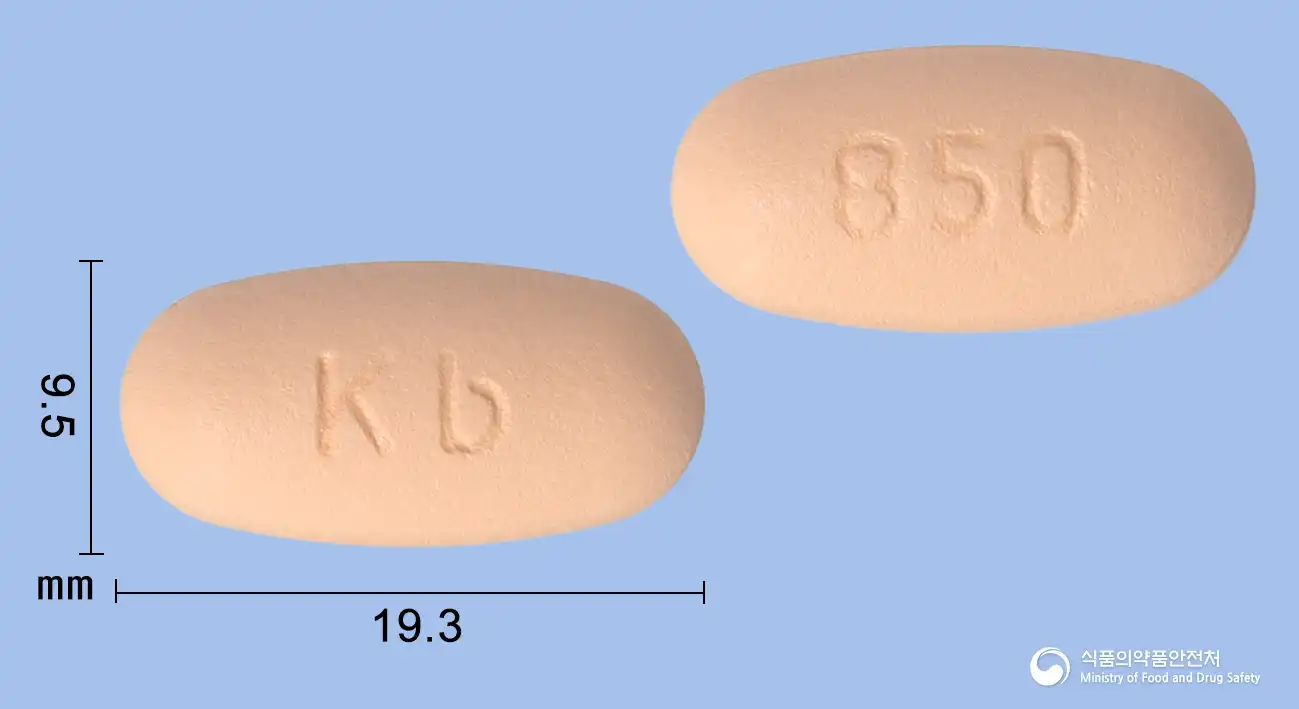 Combination
Linagliptin Besylate 3.34mg · Metformin Hydrochloride 850mg
Tablet · Prescription medication · Combination
Kyungbo Pharmaceutical Co., Ltd.
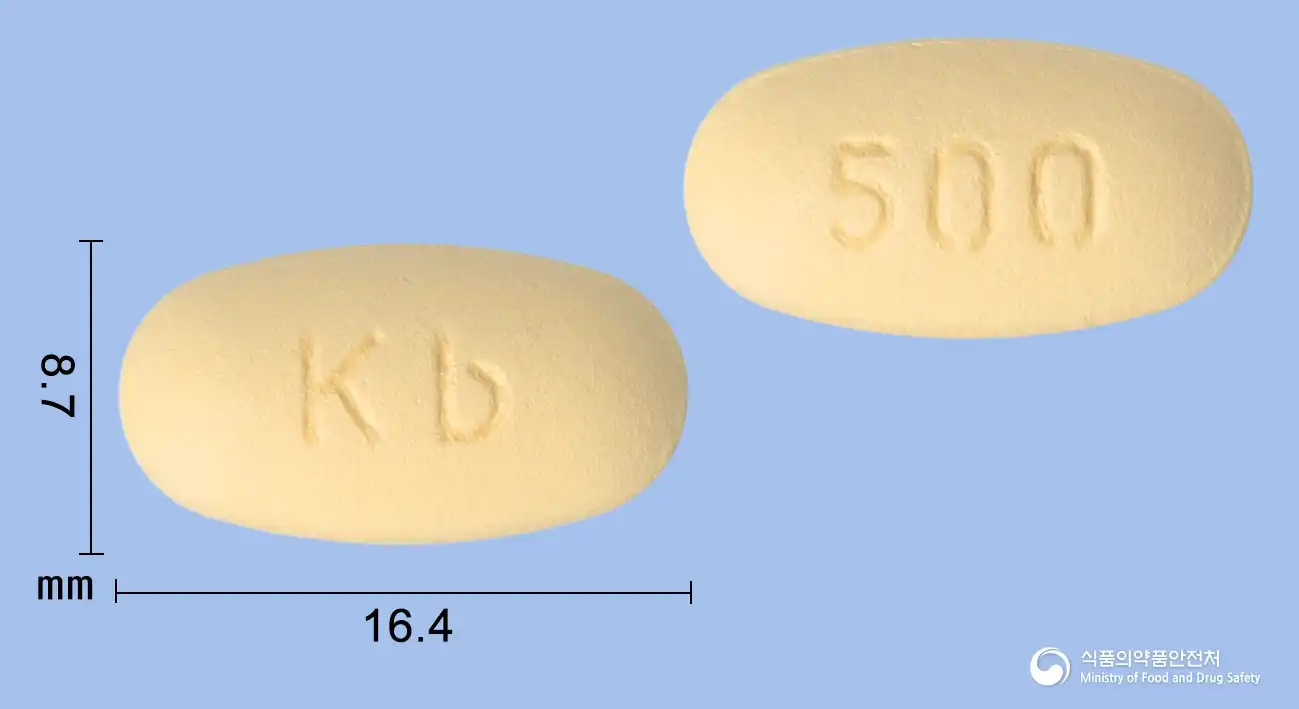 Combination
Linagliptin Besylate 3.34mg · Metformin Hydrochloride 500mg
Tablet · Prescription medication · Combination
Kyungbo Pharmaceutical Co., Ltd.
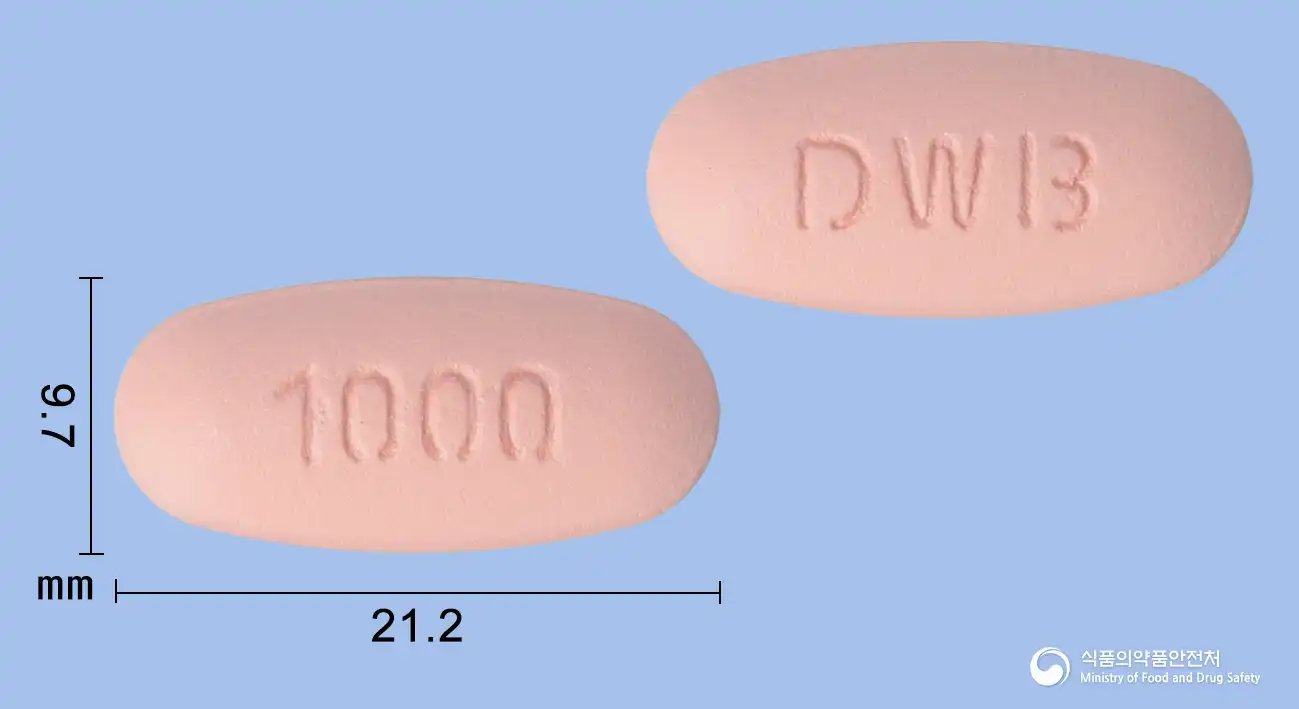 Combination
Linagliptin Besylate 3.34mg · Metformin Hydrochloride 1000mg
Tablet · Prescription medication · Combination
DaiWoong Bio Co., Ltd.
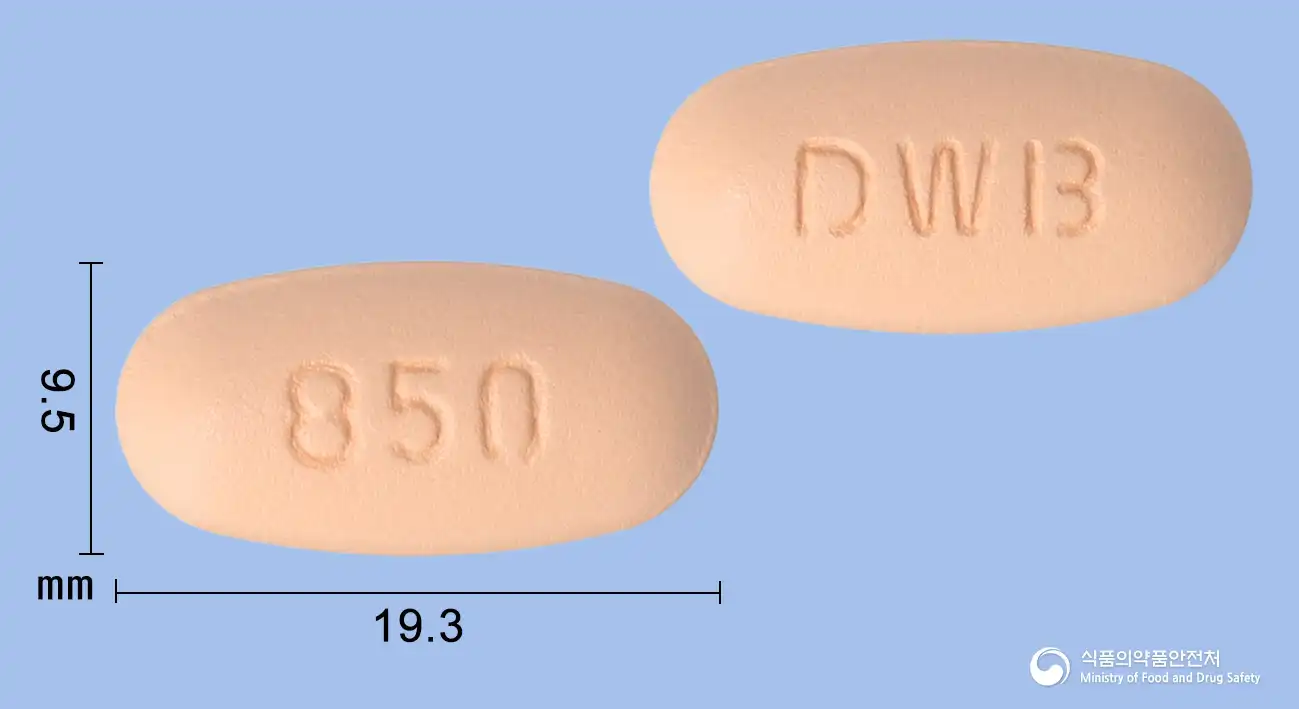 Combination
Linagliptin Besylate 3.34mg · Metformin Hydrochloride 850mg
Tablet · Prescription medication · Combination
Daewoong Bio Co., Ltd.
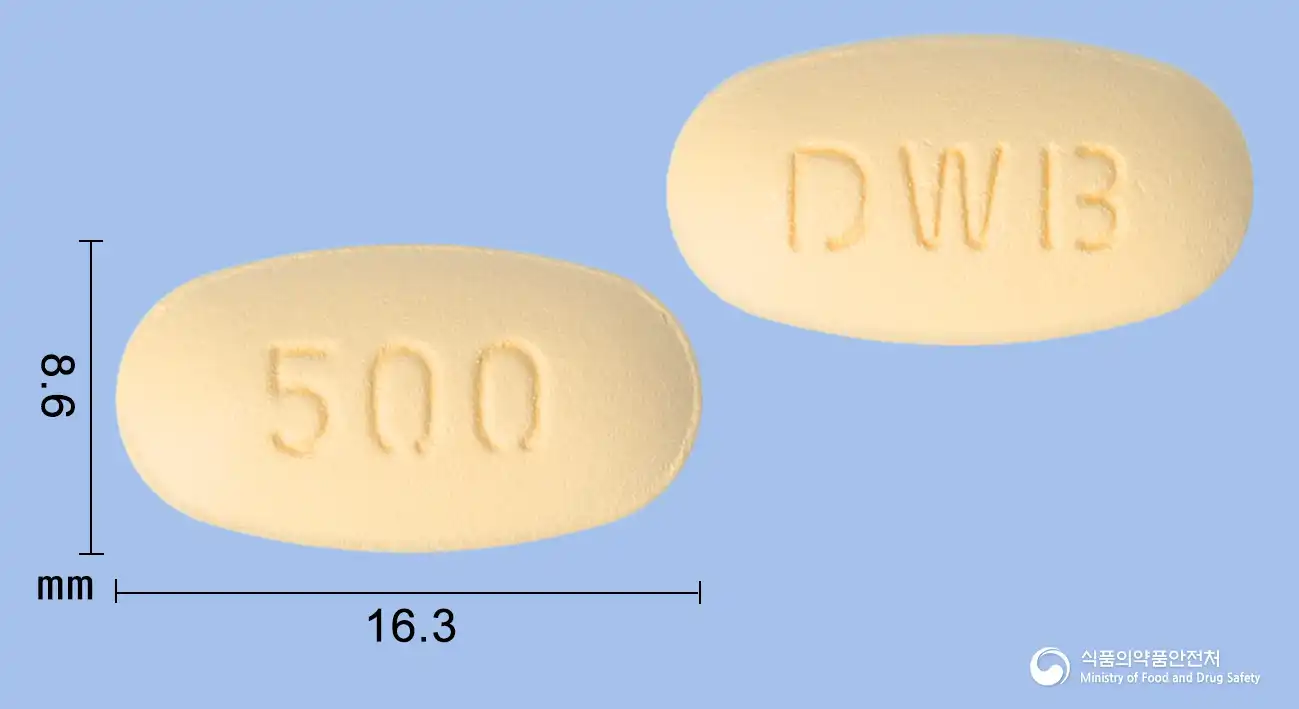 Combination
Linagliptin Besylate 3.34mg · Metformin Hydrochloride 500mg
Tablet · Prescription medication · Combination
Daewoong Bio Co., Ltd.
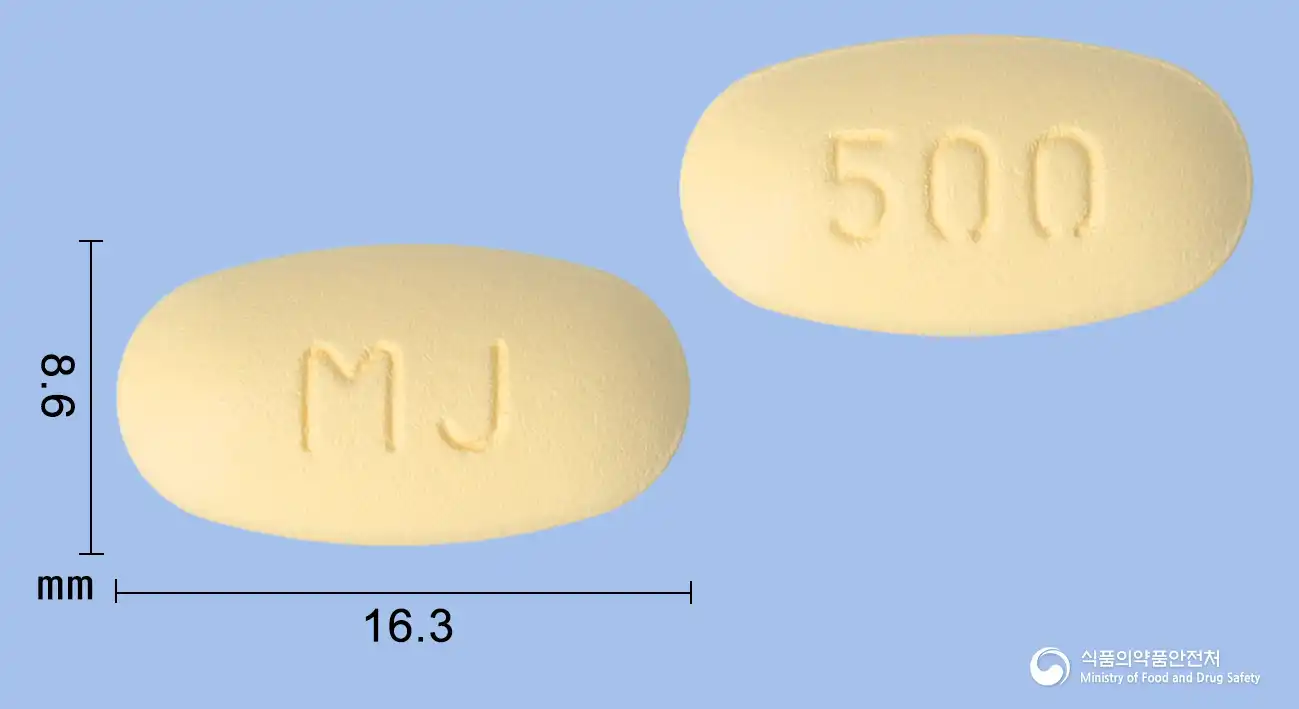 Combination
Linagliptin Besylate 3.34mg · Metformin Hydrochloride 500mg
Tablet · Prescription medication · Combination
Mothers Pharmaceutical Co., Ltd.
Even with the same ingredient, the dose and directions can differ by strength and dosage form. Talk to a doctor or pharmacist before switching from a medication you are already taking.
No questions yet.
For anything that needs medical judgment, consult a doctor or pharmacist.
This drug information is based on data provided by the Korea Ministry of Food and Drug Safety.
Consult a doctor or pharmacist for accurate dosage, administration, and usage instructions.