
 한국어
한국어 English
 日本語
日本語 中文(简体)
 Viewing nowCombination
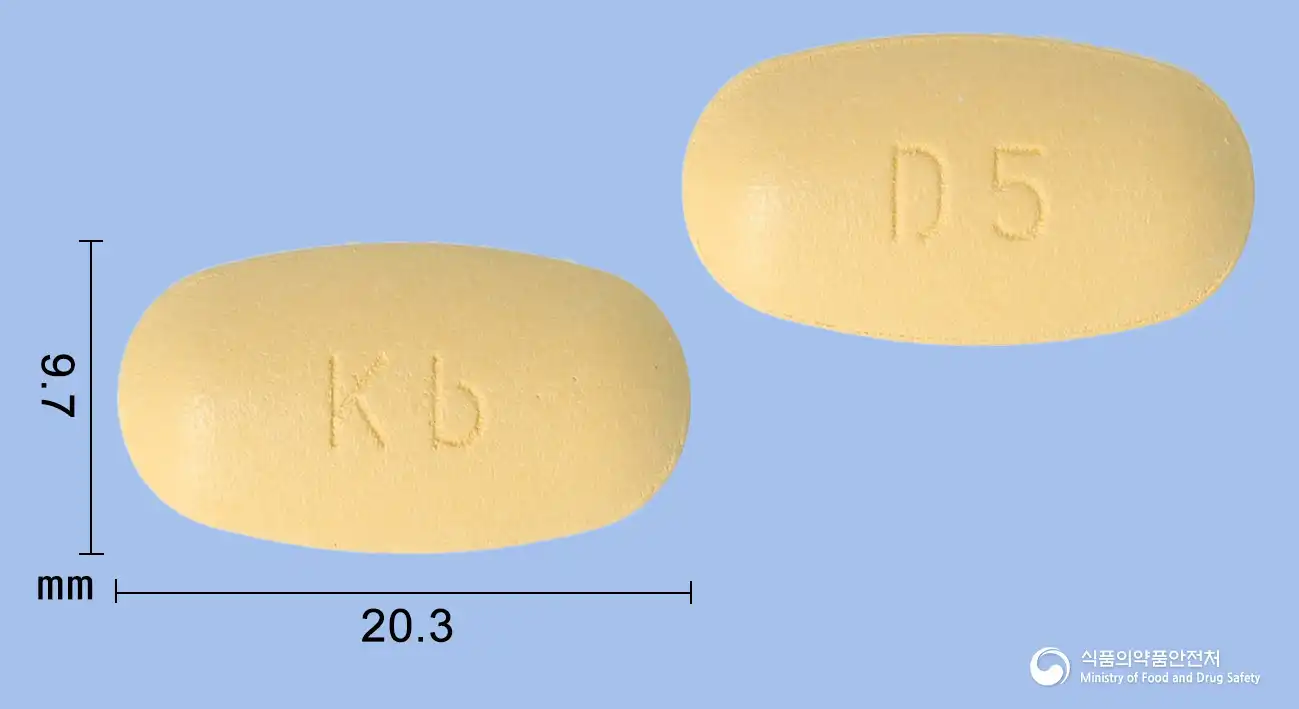
Liragenta Duo Extended-release Tablets 5/1000 mg (Linagliptin, Metformin)
Linagliptin Besylate 6.67mg · Metformin Hydrochloride 1000mg
Tablet · Prescription medication · Combination
Kyungbo Pharmaceutical Co., Ltd.
MFDS item code 202401558 · Approved 2024.06.27 · Insurance code 665003350
Improvement of blood sugar control in type 2 diabetes
This medication helps patients with type 2 diabetes to achieve better blood sugar control in conjunction with dietary and exercise regimens. The combination of Linagliptin and Metformin provides stable management of blood glucose levels, leading to favorable therapeutic effects. This improves diabetes management and helps in the prevention of complications.
Take this medication once daily with the evening meal. For this 5/1000 mg extended-release tablet, take one tablet once a day. Patients taking the 2.5/1000 mg extended-release tablet should take two tablets at once, once a day. 1. If currently not being treated with Metformin: The initial dose of this medication is a total daily dose of 5 mg Linagliptin and 1000 mg Metformin hydrochloride.
This medication consists of two components, Metformin and Linagliptin, and is primarily used in the treatment of type 2 diabetes. While taking this medication, there is a rare risk of developing a dangerous condition called lactic acidosis; therefore, patients with impaired renal or liver function should not take this medication. Patients with type 1 diabetes or serious conditions such as diabetic ketoacidosis, pre-coma, etc., should also avoid using this medication. Patients with acute cardiac conditions, heart failure, severe infections, shock, or acute trauma should avoid taking this medication. Women who are pregnant or planning to become pregnant are advised to avoid using this medication, and breastfeeding women should also refrain from its use for safety. This medication may cause hypoglycemia, so it is particularly important to monitor blood sugar levels carefully when taken alongside insulin or sulfonylureas. Since the Metformin component is excreted by the kidneys, elderly patients with decreased renal function or patients with kidney diseases should undergo regular renal function tests, and dosage adjustments may be necessary as needed. Gastrointestinal disorders may occur, but taking the medication with meals or after meals can help reduce symptoms. If severe abdominal pain, persistent vomiting, diarrhea, muscle weakness, or respiratory difficulties occur while taking this medication, consult a doctor immediately. Additionally, this medication can interact with other drugs, so if other medications are being taken, be sure to inform healthcare professionals. Do not chew or crush this medication; swallow it whole. It is normal for the tablet coating to pass unchanged in the stool, so there is no need for concern regarding this. Serious adverse reactions may include pancreatitis or bullous pemphigoid-like skin reactions, so immediate treatment is required if severe abdominal pain or skin changes occur. It is very important to monitor any adverse reactions and changes in renal function through regular blood tests and physical examinations while taking this medication.
Hives, severe swelling, chest tightness, difficulty breathing, cold sweat, pallor, severe rash with high fever, blisters, skin peeling, pain in mucosal areas of mouth/eyes, shortness of breath or difficulty breathing, asthma attacks, respiratory abnormalities accompanied by cough and fever, yellowing of skin or eyes (jaundice), extreme lethargy, sudden and severe headaches, thunderclap headaches, seizures, confusion, visual disturbances, paralysis, decreased urine output
Not everyone experiences these, and they can vary from person to person.
Store this medication in a tightly closed container to protect it from air and moisture. It is important to maintain a storage temperature between 1 degree and 30 degrees Celsius.
This medication is a yellow oval extended-release film-coated tablet.
30 tablets/bottle, 60 tablets/bottle
Even with the same ingredient, strength, dosage form and how it is taken can differ.
Viewing nowCombinationLinagliptin Besylate 6.67mg · Metformin Hydrochloride 1000mg
Tablet · Prescription medication · Combination
Kyungbo Pharmaceutical Co., Ltd.
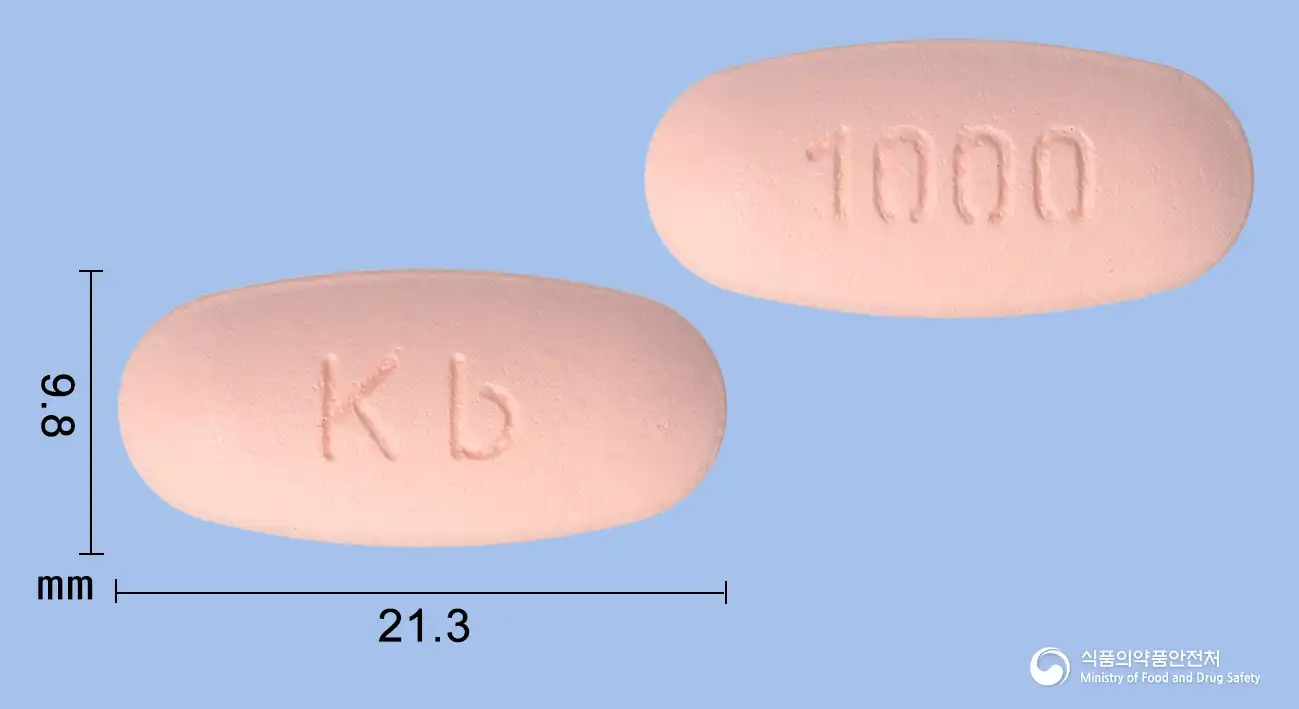 Combination
Linagliptin Besylate 3.34mg · Metformin Hydrochloride 1000mg
Tablet · Prescription medication · Combination
Kyungbo Pharmaceutical Co., Ltd.
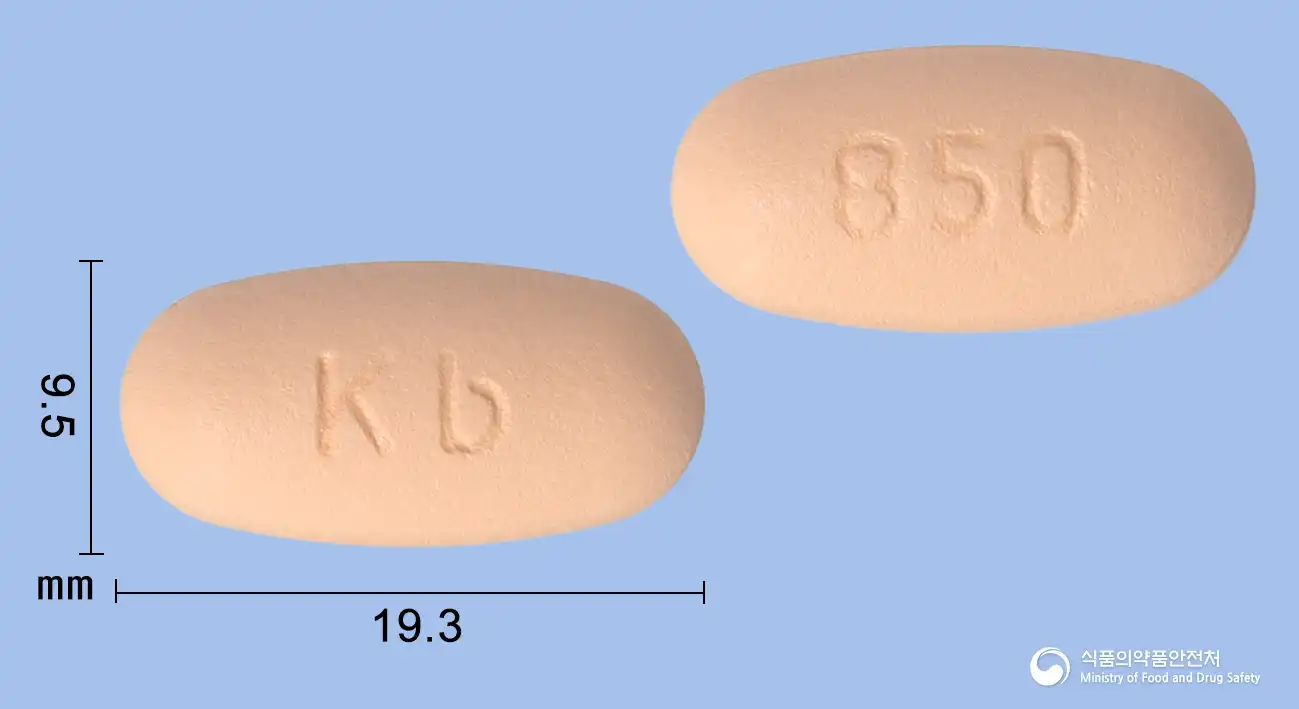 Combination
Linagliptin Besylate 3.34mg · Metformin Hydrochloride 850mg
Tablet · Prescription medication · Combination
Kyungbo Pharmaceutical Co., Ltd.
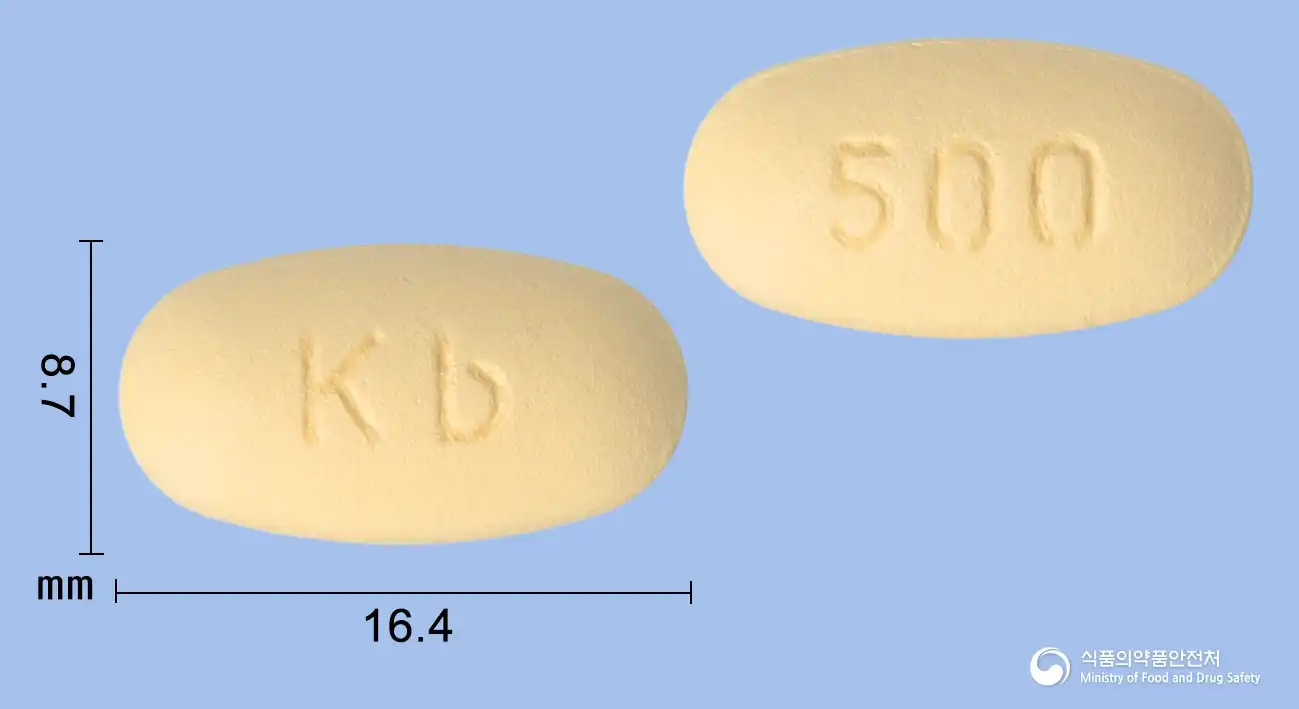 Combination
Linagliptin Besylate 3.34mg · Metformin Hydrochloride 500mg
Tablet · Prescription medication · Combination
Kyungbo Pharmaceutical Co., Ltd.
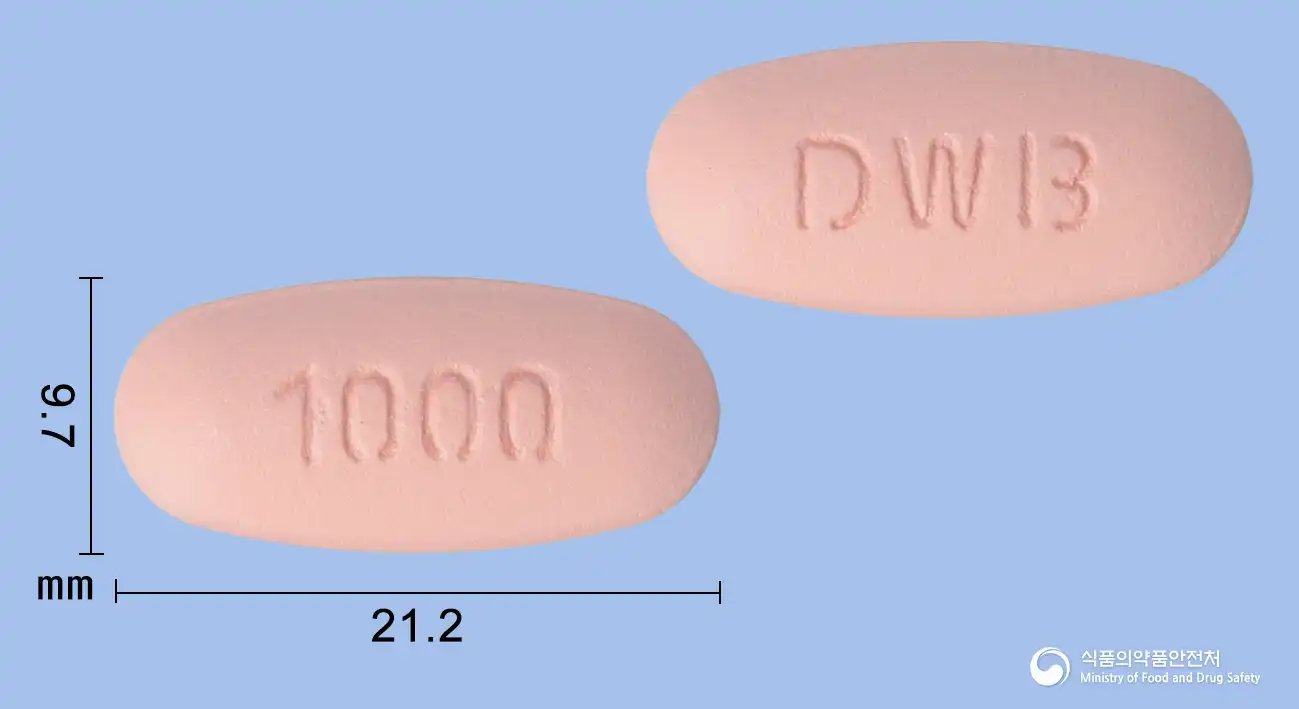 Combination
Linagliptin Besylate 3.34mg · Metformin Hydrochloride 1000mg
Tablet · Prescription medication · Combination
DaiWoong Bio Co., Ltd.
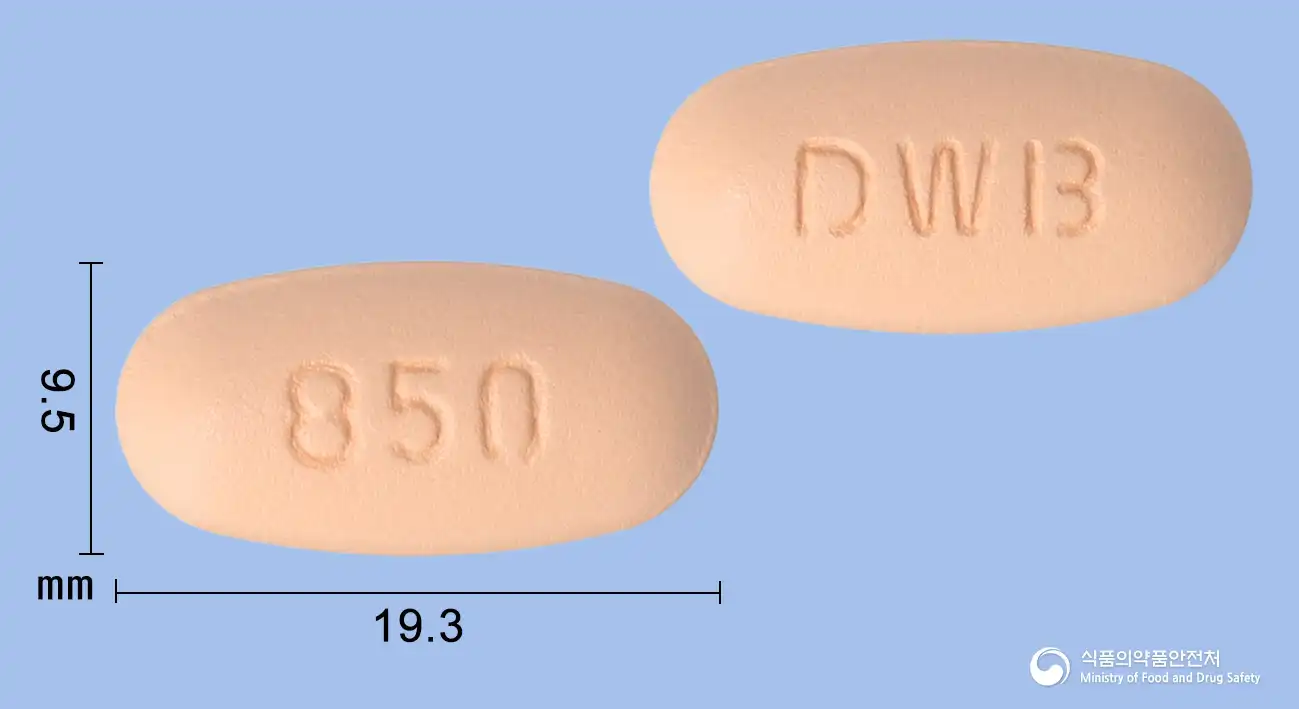 Combination
Linagliptin Besylate 3.34mg · Metformin Hydrochloride 850mg
Tablet · Prescription medication · Combination
Daewoong Bio Co., Ltd.
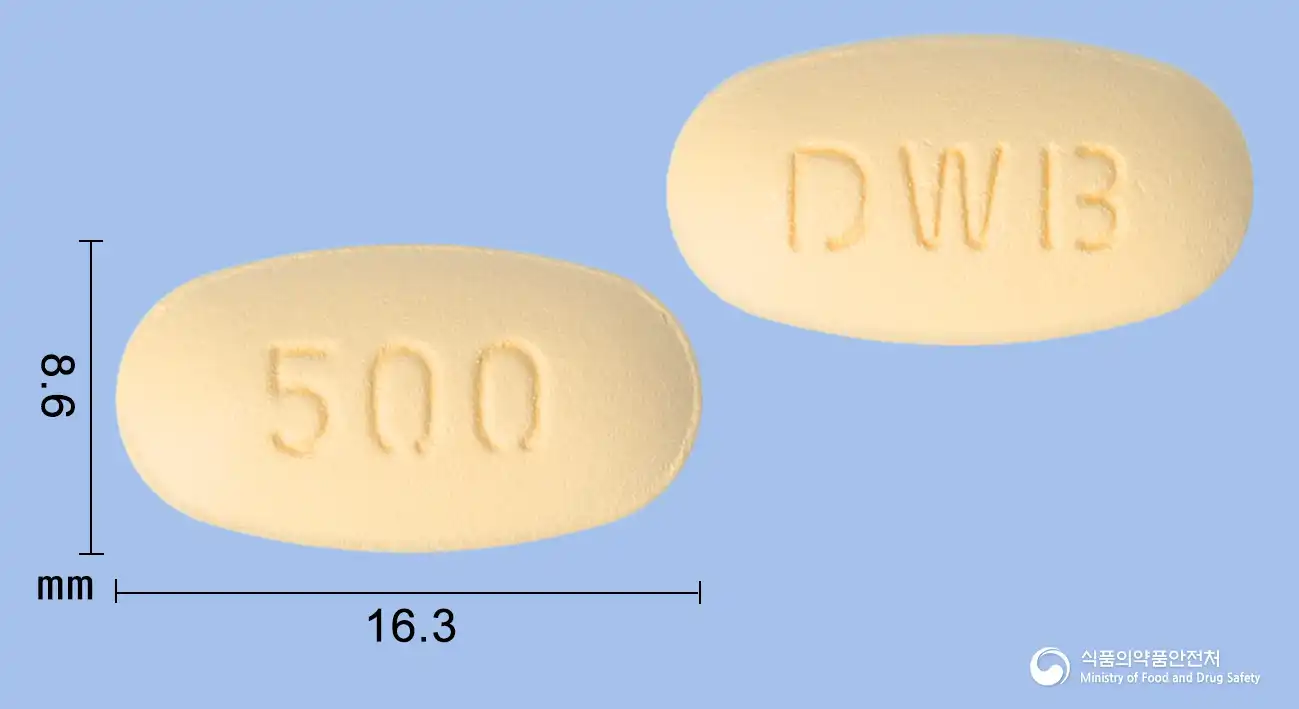 Combination
Linagliptin Besylate 3.34mg · Metformin Hydrochloride 500mg
Tablet · Prescription medication · Combination
Daewoong Bio Co., Ltd.
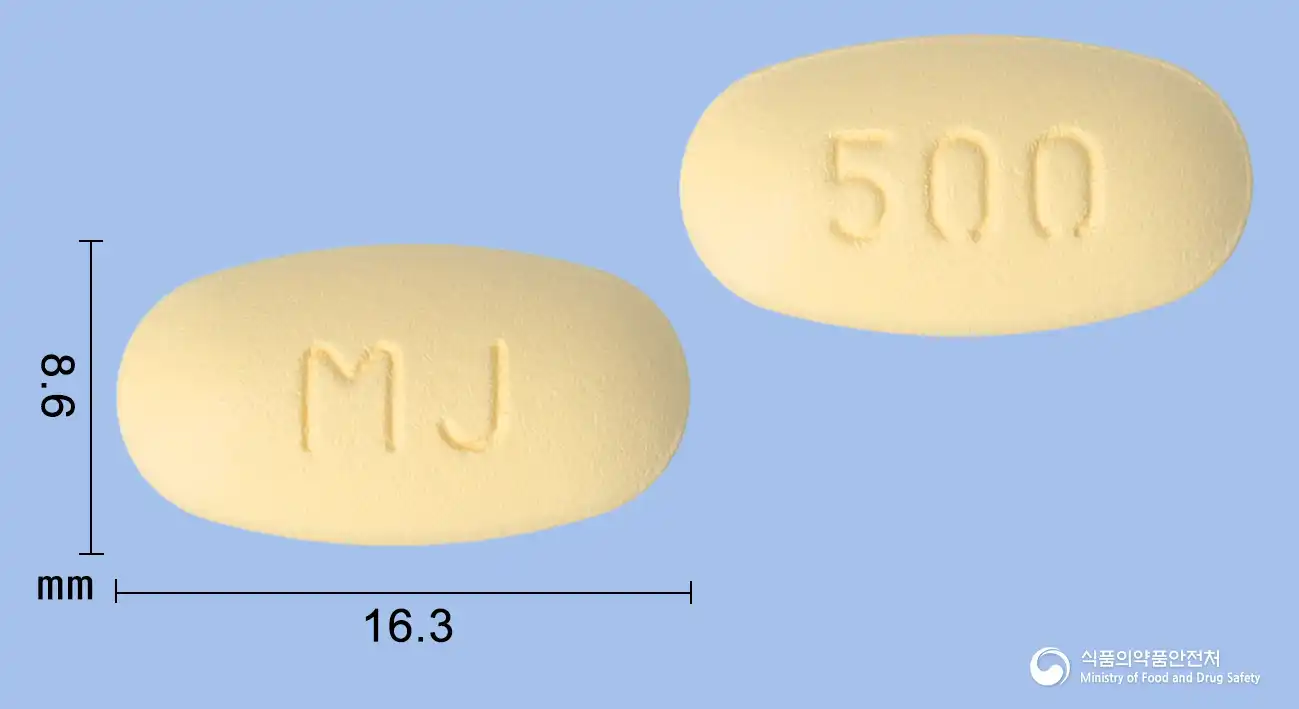 Combination
Linagliptin Besylate 3.34mg · Metformin Hydrochloride 500mg
Tablet · Prescription medication · Combination
Mothers Pharmaceutical Co., Ltd.
Even with the same ingredient, the dose and directions can differ by strength and dosage form. Talk to a doctor or pharmacist before switching from a medication you are already taking.
No questions yet.
For anything that needs medical judgment, consult a doctor or pharmacist.
This drug information is based on data provided by the Korea Ministry of Food and Drug Safety.
Consult a doctor or pharmacist for accurate dosage, administration, and usage instructions.