
 한국어
한국어 English
 日本語
日本語 中文(简体)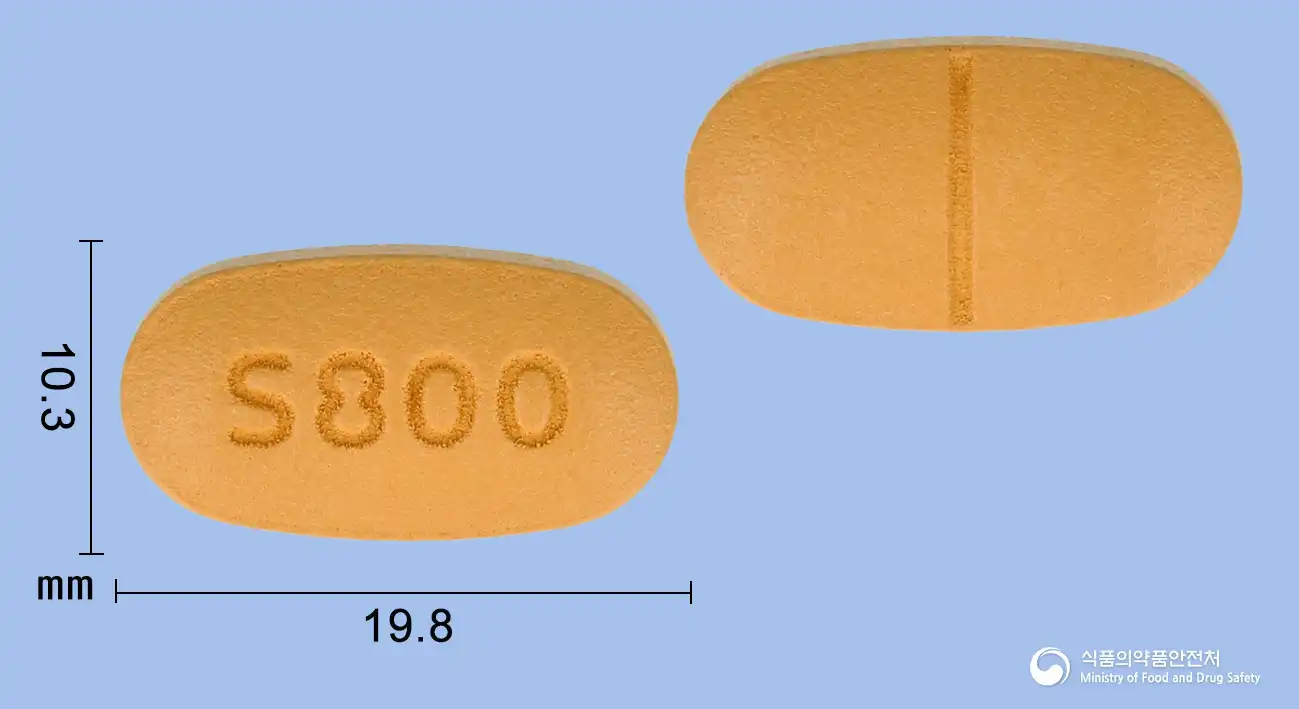
Summary
- Main use
- Improvement of physical fatigue and decreased physical strength during pregnancy and lactation, and pain relief from neuralgia and muscle pain.
- Who takes it
- Adults
- Adult dose
- For individuals 19 years and older and adults: Take 1 tablet once daily.
Ingredients
- Sodium Chondroitin Sulfate800mg
- Benfotiamine40mg
- Nicotinamide10mg
- Pyridoxine Hydrochloride40mg
- Calcium Pantothenate10mg
- Riboflavin10mg
- Bisbentiamine10mg
- Mecobalamin0.5mg
- Magnesium Oxide30mg
- Calcium Citrate Hydrate60mg
- Inositol20mg
- Zinc Oxide5mg
- Choline Tartrate20mg
- Cholecalciferol Concentrate Powder10mg
- Pyridoxal Phosphate Hydrate10mg
- Manufacturer
- 진양제약(주)
Efficacy & effects
Improvement of physical fatigue and decreased physical strength during pregnancy and lactation, and pain relief from neuralgia and muscle pain.
- Physical fatigue
- decreased physical strength
- neuralgia
- muscle pain
- joint pain
- angular cheilitis
- cheilitis
- stomatitis
- glossitis
- eczema
- dermatitis
- beriberi
View approved original textHide original text
This medicine contains vitamins D, B1, B2, and B6, which can help when experiencing physical fatigue, during pregnancy and lactation, or when experiencing decreased physical strength due to illness or recovery. It is also effective in relieving pain such as neuralgia, muscle pain, and joint pain, and can help with inflammatory diseases around the mouth such as angular cheilitis, cheilitis, stomatitis, and glossitis, as well as skin diseases like eczema and dermatitis. It improves nutritional deficiency diseases such as beriberi and is useful for relieving eye fatigue. Additionally, it can be used to improve bone and dental development issues and prevent rickets. Thus, it shows positive effects on overall physical strength and health enhancement.
How to take
Adult dose
For individuals 19 years and older and adults: Take 1 tablet once daily.
Precautions
This medicine should not be taken by patients with hypercalcemia, sarcoidosis, or kidney disease. Additionally, those who have allergic reactions to this medicine or its components, infants under 12 months old, patients with kidney stones, and individuals with severe renal failure should also avoid using it. This product contains lactose, so people with genetic issues such as galactose intolerance, lactase deficiency, or glucose-galactose malabsorption should not take it. Individuals with allergies or hypersensitivity to soybean oil, soy, or peanuts should also avoid this medication. During the course of taking this medicine, it is important not to take it with phosphates, calcium salts, oral tetracyclines, antacids, or medications like Levodopa. Women undergoing treatment, those who are pregnant or likely to become pregnant, nursing mothers, premature infants, and infants should consult a specialist before use. Care is needed, especially since vitamin D can cause hypercalcemia in newborns through breast milk. Patients with heart or circulatory diseases, kidney disorders, hypoproteinemia, those taking cardiac glycosides, individuals with a history of kidney stones, those with hyperlipidemia or diabetic dyslipidemia, and patients with pancreatic issues should also consult a specialist before taking this medication. If symptoms such as nausea, vomiting, diarrhea, loss of appetite, abdominal bloating, skin rash, or irregular heartbeat occur while taking this medication, it is critical to stop taking it immediately and consult a specialist. Long-term use of high doses of pyridoxine may lead to neurological issues, so caution is required. When high doses of vitamin B12 are administered, hematological adverse reactions may occur, so care must be taken. Excessive doses may lead to complications such as exacerbation of peptic ulcers, glucose intolerance, hyperuricemia, and liver damage, so caution is necessary. Symptoms such as nausea, vomiting, hypernatremia, congestive heart failure, or edema may occur due to excessive intake. Long-term use may result in hypercalcemia and stone formation, so attention should be paid. Taking this medication together with aldosterone antagonists or trimethoprim may increase the risk of hyperkalemia, so it should not be taken concurrently. If symptoms do not improve even after a month of taking it, consulting a specialist is recommended. The prescribed dosage and administration must be strictly adhered to, and this medicine may change the color of urine to yellow, affecting clinical test results. It is advisable to avoid teas that contain tannins, such as green tea and black tea, while taking this medication or shortly before and after. Patients at risk of lipid overload should monitor plasma lipid levels and adjust the medication dosage if necessary. Store in a closed container, away from direct sunlight and in a cool, dry place, out of reach of children. It is important not to transfer this medicine to a different container for quality preservation and to prevent misuse.
Side effects and when to seek care immediately
Serious side effects
Hives, severe swelling (edema), fluid retention (in cases of renal failure or heart failure), cardiac arrest, central nervous system dysfunction, pulmonary edema.
Mild side effects
Nausea, vomiting, diarrhea, loose stools, loss of appetite, abdominal bloating, constipation, hypotension, facial flushing, irregular heartbeat, skin rash, red spots, cardiac arrest, central nervous system dysfunction, gastrointestinal disorders, dyspepsia, upper abdominal pain, pulmonary edema, erythema, eczema, rashes, papular rashes, itching, swelling, fluid retention, sensory neuropathy or neuropathic symptoms, hematologic adverse reactions, peptic ulcers, glucose intolerance.
Not everyone experiences these, and they can vary from person to person.
Interactions
Drug interactions
This medication should not be taken with phosphates, calcium salts, oral tetracyclines, antacids, or Levodopa. Patients taking cardiac glycosides should discuss with their doctor or pharmacist, and those taking aldosterone antagonists or trimethoprim should also consult their doctor or pharmacist.
Food interactions
This medicine should be avoided in conjunction with teas that contain tannins, such as green tea and black tea, during or shortly before or after taking it.
Storage
This medicine should be stored in a sealed container to prevent air entry, and the temperature should be maintained between 1 and 30 degrees Celsius at room temperature. Proper storage helps to maintain the efficacy of the medication and prevent degradation.
Appearance and packaging
Appearance
Yellow oval film-coated tablets
Package unit
30 tablets/bottle, 60 tablets/box [30 tablets/bottle x 2]
Questions about this medicine
QHow should I store it?
It should be stored in a tightly sealed container at room temperature between 1 and 30°C. Please keep it in a cool, dry place away from a humid bathroom and out of reach of children.
Answers 1 · 2026.09.14
QI experience diarrhea after taking this.
The instructions specify that if symptoms such as diarrhea, loose stools, or nausea occur, you should immediately discontinue use and consult with a doctor or pharmacist. If symptoms persist, please seek medical attention to investigate other underlying causes.
Answers 1 · 2026.09.14
QCan my father, who is taking heart medication, also take this?
The approved indications state that patients taking cardiac glycosides should consult with a doctor or pharmacist before taking this medication. Please check with the prescribing doctor or pharmacist to see if the heart medication your father takes falls under this category.
Answers 1 · 2026.09.14
See all questions
QFrom what age can it be taken?
The product instructions state that adults aged 19 years and older should take 1 tablet once a day. There are no indicated dosages for younger individuals, so if you are a teenager, please consult with a pharmacist first.
Answers 1 · 2026.09.14
For anything that needs medical judgment, consult a doctor or pharmacist.