
 한국어
한국어 English
 日本語
日本語 中文(简体)
 Viewing now
Iricol Tablets 5 Micrograms (Ramosetron Hydrochloride)
Ramosetron Hydrochloride 0.005mg
Tablet · Prescription medication
Daewong Pharmaceutical Co., Ltd.
MFDS item code 202401365 · Approved 2024.05.31 · Insurance code 641608090
Relief of symptoms of diarrhea-predominant irritable bowel syndrome
Diarrhea-predominant irritable bowel syndrome is characterized by abdominal pain or discomfort, diarrhea, and changes in bowel habits. This medication is used to help relieve these symptoms.
For male patients with diarrhea-predominant irritable bowel syndrome: Administer 5 µg of Ramosetron Hydrochloride orally once daily. The dosage can be adjusted appropriately according to symptoms, with a minimum daily dose of 2.5 µg and a maximum daily dose of 10 µg. For female patients with diarrhea-predominant irritable bowel syndrome: Administer 2.5 µg of Ramosetron Hydrochloride orally once daily. If 2.5 µg does not sufficiently relieve symptoms, the dosage may be increased.
This medication should not be used in patients with a known allergic reaction to this drug or its components. Caution is advised when used in patients currently taking other serotonergic drugs, such as selective serotonin reuptake inhibitors (SSRIs) or serotonin-norepinephrine reuptake inhibitors (SNRIs). This medication may cause constipation or hard stools; therefore, if constipation symptoms occur, consult a physician immediately. Rarely, a serious bowel condition known as ischemic colitis may occur, so if symptoms such as abdominal pain or blood in stools appear, discontinue use immediately and seek medical attention. This medication may cause constipation and hard stools more frequently in women, so female patients should exercise extra caution. Patients with a history of abdominal surgery should be careful, as this drug may cause issues such as bowel obstruction. Since this medication is mainly metabolized in the liver, caution is needed when taking it with other drugs that affect liver function, as blood levels may increase and side effects may worsen. Particularly, when taken with drugs like fluvoxamine, the blood level of this medication may rise, increasing the risk of side effects. Taking this drug with anticholinergic agents or anti-diarrheal medications may worsen constipation and hard stools. This drug can be taken regardless of meals; however, dosage adjustment should be made carefully according to symptom changes. Women who are pregnant or may become pregnant should weigh the risks and benefits of this drug's use carefully. Breastfeeding women are advised to discontinue breastfeeding, as this drug may be passed into breast milk. Safety in pediatric or neonatal populations has not been established; therefore, use in these populations should be avoided. Elderly patients have diminished physiological functions, thus their condition should be monitored closely during use of this medication, and it should be discontinued immediately if adverse reactions occur. This medication should be taken by removing the tablet from its packaging; swallowing the package may cause injury to the esophagus. If symptoms such as abdominal pain, blood in stools, or severe constipation or hard stools occur after taking this medication, consult a physician immediately, and if necessary, discontinue use.
Not everyone experiences these, and they can vary from person to person.
This medication may be sensitive to air and humidity, so it must be stored in a tightly sealed container. Additionally, avoid storing the drug in excessively hot or cold places; it is best stored at room temperature, between 1 to 30 degrees Celsius.
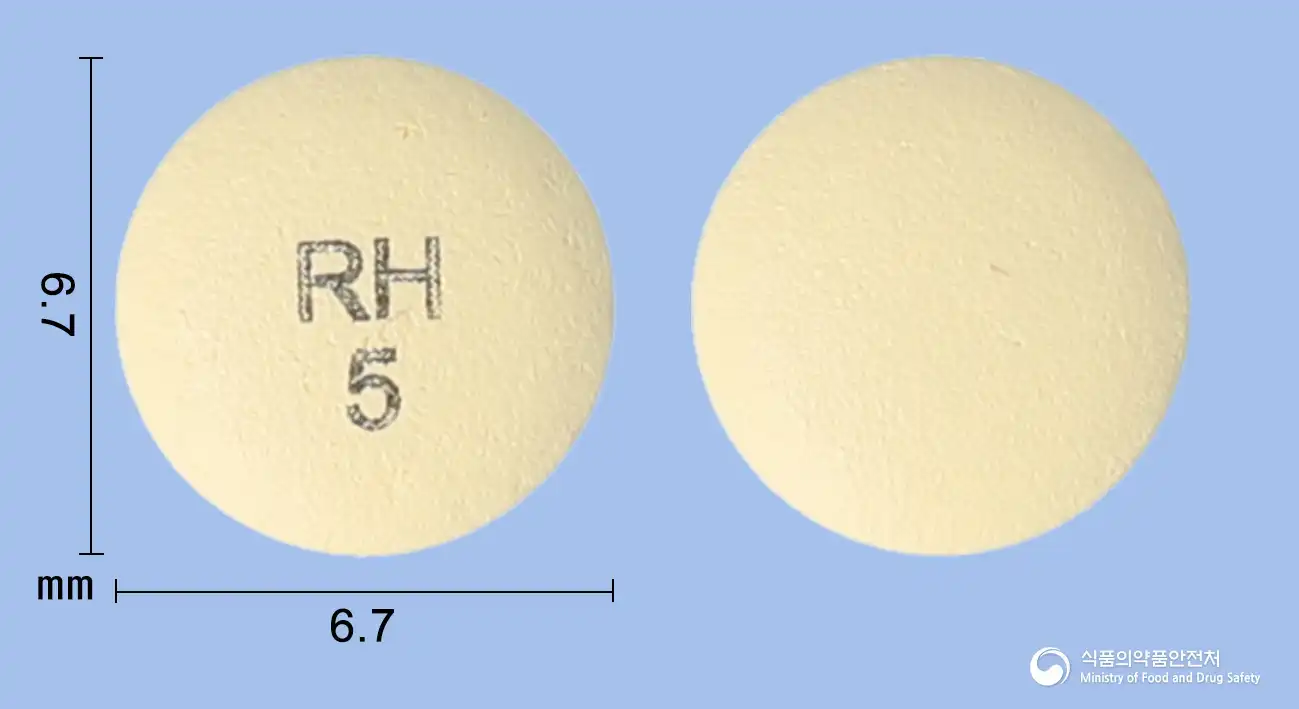
Light yellow round film-coated tablets
30 tablets (10 tablets/PTP X 3) / Box, 100 tablets / Bottle
Even with the same ingredient, strength, dosage form and how it is taken can differ.
Viewing nowRamosetron Hydrochloride 0.005mg
Tablet · Prescription medication
Daewong Pharmaceutical Co., Ltd.
Ramosetron Hydrochloride 0.3mg
Prescription medication
HanKook Daiichi Sankyo Co., Ltd.
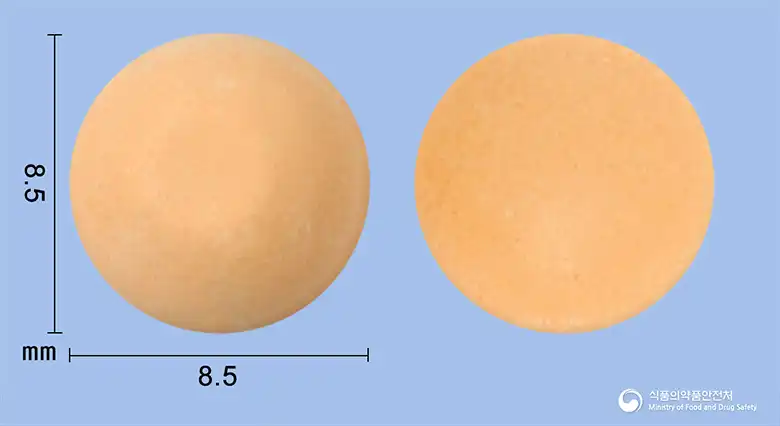
Ramosetron Hydrochloride 0.1mg
Orally disintegrating Tablet · Prescription medication
Korea Daiichi Sankyo Co., Ltd.
Ramosetron Hydrochloride 5μg
Tablet · Prescription medication
Korea Astellas Pharma Co., Ltd.
Ramosetron Hydrochloride 2.5μg
Tablet · Prescription medication
Korea Astellas Pharma Co., Ltd.
Ramosetron Hydrochloride 0.3mg
Injections · Prescription medication
Hana Pharmaceutical Co., Ltd.
Ramosetron Hydrochloride 0.15mg
Injections · Prescription medication
Boryung (Co., Ltd.)
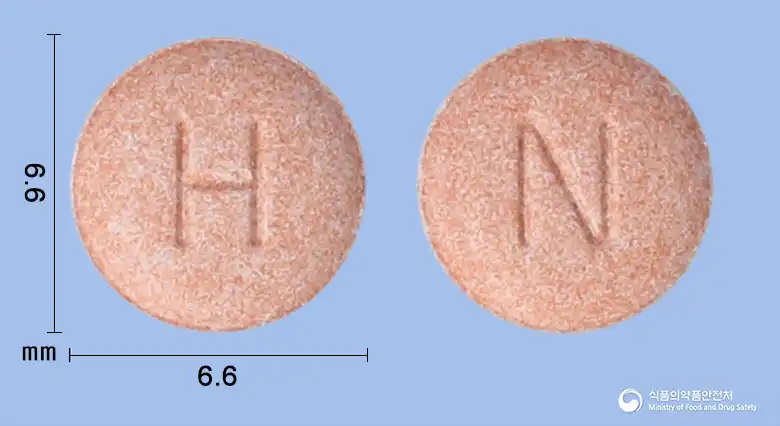
Ramosetron Hydrochloride 0.1mg
Orally disintegrating Tablet · Prescription medication
Hana Pharmaceutical Co., Ltd.
Even with the same ingredient, the dose and directions can differ by strength and dosage form. Talk to a doctor or pharmacist before switching from a medication you are already taking.
No questions yet.
For anything that needs medical judgment, consult a doctor or pharmacist.
This drug information is based on data provided by the Korea Ministry of Food and Drug Safety.
Consult a doctor or pharmacist for accurate dosage, administration, and usage instructions.