
 한국어
한국어 English
 日本語
日本語 中文(简体)
 Viewing nowCombination
Rabeprazole Sodium/Aspirin Capsule 100/5 mg
Rabeprazole Sodium 5mg · Aspirin 100mg
Hard capsule · Prescription medication · Combination
Dongguang Pharmaceutical Co., Ltd.
MFDS item code 202401364 · Approved 2024.05.31 · Insurance code 645907550
Effect of inhibiting thrombus formation and reducing cardiovascular risk such as myocardial infarction and cerebral infarction
This medication is very important for preventing thrombus formation in cardiovascular diseases such as myocardial infarction, cerebral infarction, and unstable angina in patients with a history of gastric or duodenal ulcers. Additionally, it helps prevent thrombus formation after coronary artery bypass surgery or percutaneous coronary intervention, thereby protecting heart health. Its use is recommended in high-risk patients as it reduces cardiovascular risk. However, since there is a history of ulcers, it is important to discuss with healthcare professionals for gastric protection while using this medication. Aspirin is used for the prevention and treatment of cardiovascular diseases.
Adults take one capsule (100/5 mg of aspirin/rabeprazole sodium) once a day. This medication should not be chewed or crushed; it must be swallowed whole. It can be taken before meals with sufficient water.
This medication is a combination drug containing two components, aspirin and rabeprazole. First, individuals who consume more than three alcoholic drinks per day must consult a physician or pharmacist before taking this medication, as serious side effects such as gastrointestinal bleeding may occur when combined with alcohol. Second, those who are allergic to this medication, have a history of peptic ulcers, aspirin-induced asthma, hemophilia, severe liver and kidney dysfunction, heart failure, or bleeding tendencies should not take this medication. Additionally, individuals on high doses of methotrexate or specific antiviral agents (atazanavir, rilpivirine), and women who are pregnant or breastfeeding should also avoid taking this medication. Third, patients with problems in kidney or cardiovascular function, liver disorders, blood abnormalities, bronchial asthma, or a history of allergies should use this medication cautiously. Particularly, the elderly or those taking anticoagulants, as well as individuals allergic to certain dyes, should exercise caution. Fourth, since this medication can cause various adverse reactions, patients should consult a physician immediately if any unusual symptoms occur during use. Reports of allergy reactions, skin rashes, gastrointestinal disorders, liver or kidney dysfunction, blood abnormalities, neuropsychiatric symptoms, etc. have been noted. Fifth, the aspirin component can particularly cause Reye's syndrome, a serious adverse reaction, in children under 14 years following viral infections such as chickenpox or influenza, so caution is warranted. Sixth, regular blood tests and liver function tests are necessary with long-term use, especially in patients with a history of gastric or duodenal ulcers, requiring more cautious use. Seventh, this medication can interact with other drugs, so it is essential to inform the physician or pharmacist if taking other medications. Particular caution is required when combined with anticoagulants, diabetes medications, certain antibiotics, non-steroidal anti-inflammatory drugs, lithium preparations, etc. Eighth, women who are pregnant or breastfeeding should not take this medication, and those planning to become pregnant or who may be pregnant should consult with a physician. Ninth, elderly patients have a higher risk of adverse reactions due to decreased liver function, hence careful observation of symptoms is necessary during use. Lastly, the safety of this medication in children has not been established, so it is advisable not to use it in pediatric populations.
Hives, severe swelling (edema), chest tightness, difficulty breathing, cold sweat, pallor, severe allergic reaction, fever with severe rash, blisters, painful mucous membranes of mouth/eyes, severe skin adverse reactions, shortness of breath or difficulty breathing, asthma attack, respiratory problems accompanied by cough+fever, yellowing of the skin or eyes (jaundice), extreme lethargy, liver dysfunction (jaundice), sudden
Not everyone experiences these, and they can vary from person to person.
This medication should be stored in a tightly closed container to protect it from air and moisture. It is essential to maintain a storage temperature between 1 and 30 degrees Celsius to preserve the drug's effectiveness and safety.
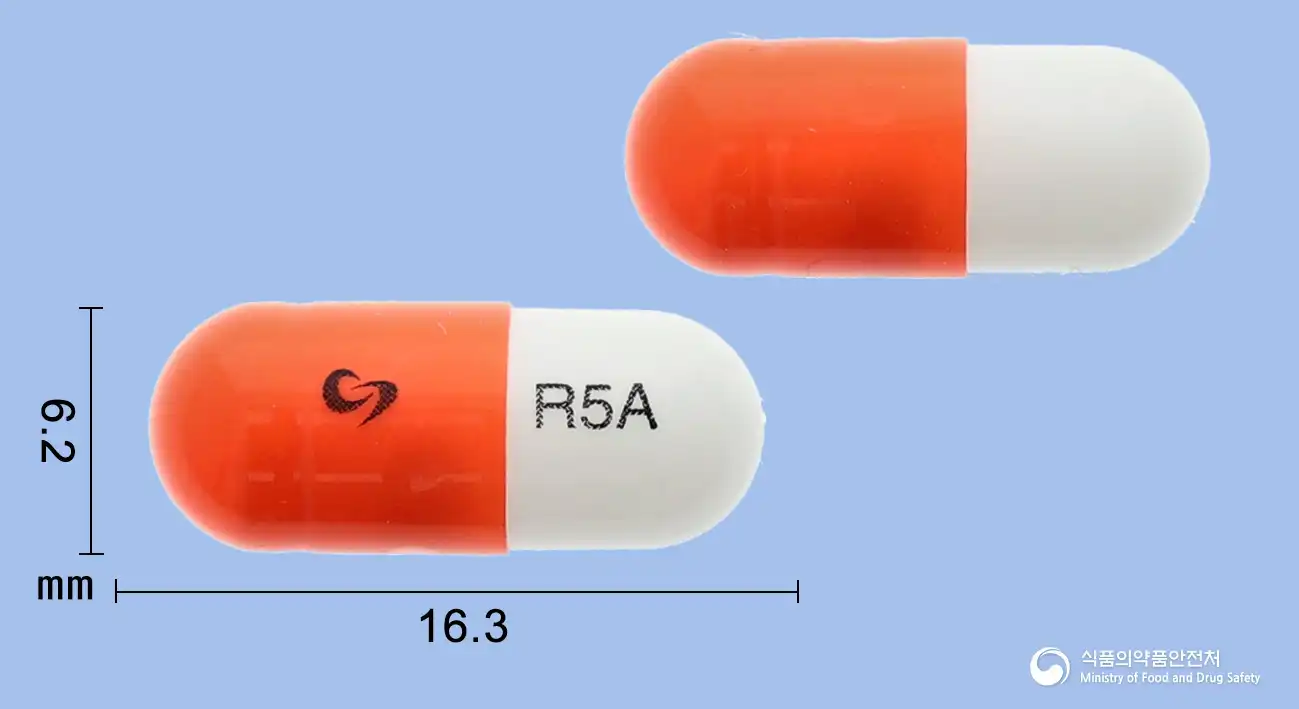
A hard capsule with upper orange and lower white color containing pale yellow round enteric-coated tablets and white round enteric-coated tablets
Bottle packaging - 30 capsules/bottle, Bottle packaging - 100 capsules/bottle, Bottle packaging - 300 capsules/bottle
Even with the same ingredient, strength, dosage form and how it is taken can differ.
Viewing nowCombinationRabeprazole Sodium 5mg · Aspirin 100mg
Hard capsule · Prescription medication · Combination
Dongguang Pharmaceutical Co., Ltd.
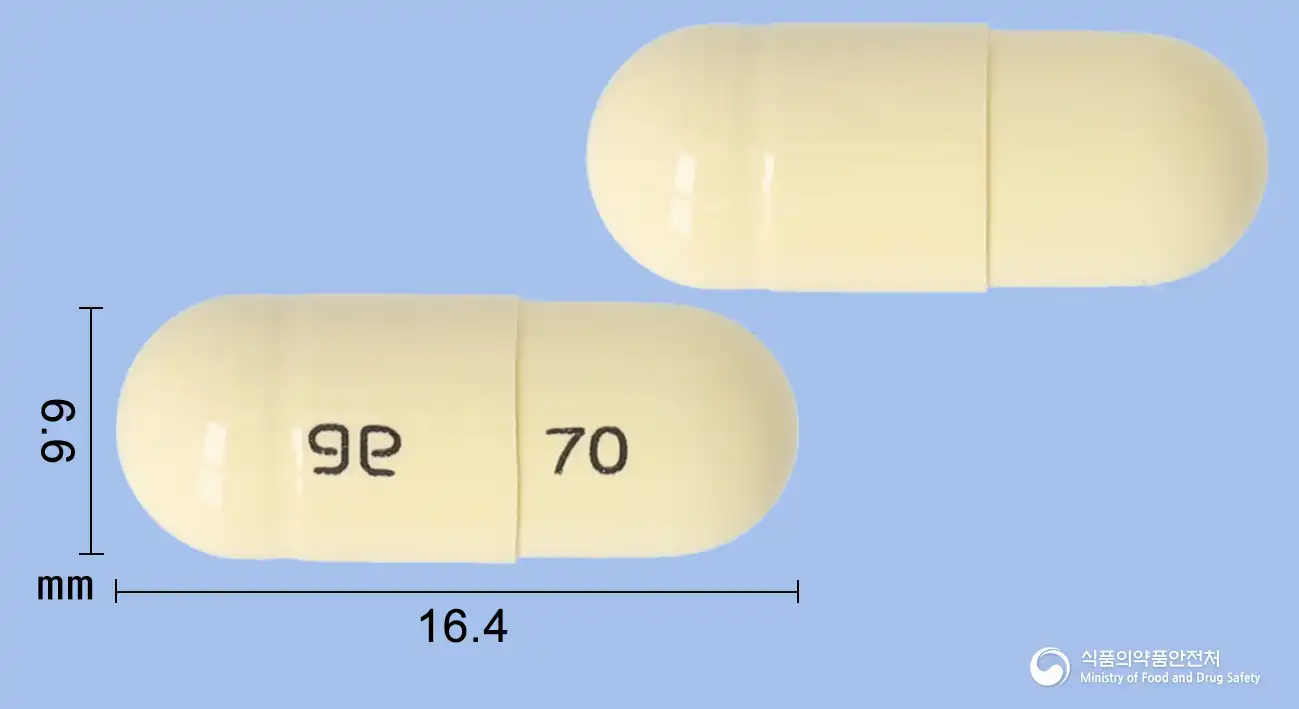 Combination
Rabeprazole Sodium 5mg · Aspirin 100mg
Hard capsule · Prescription medication · Combination
GL Pharma Co., Ltd.
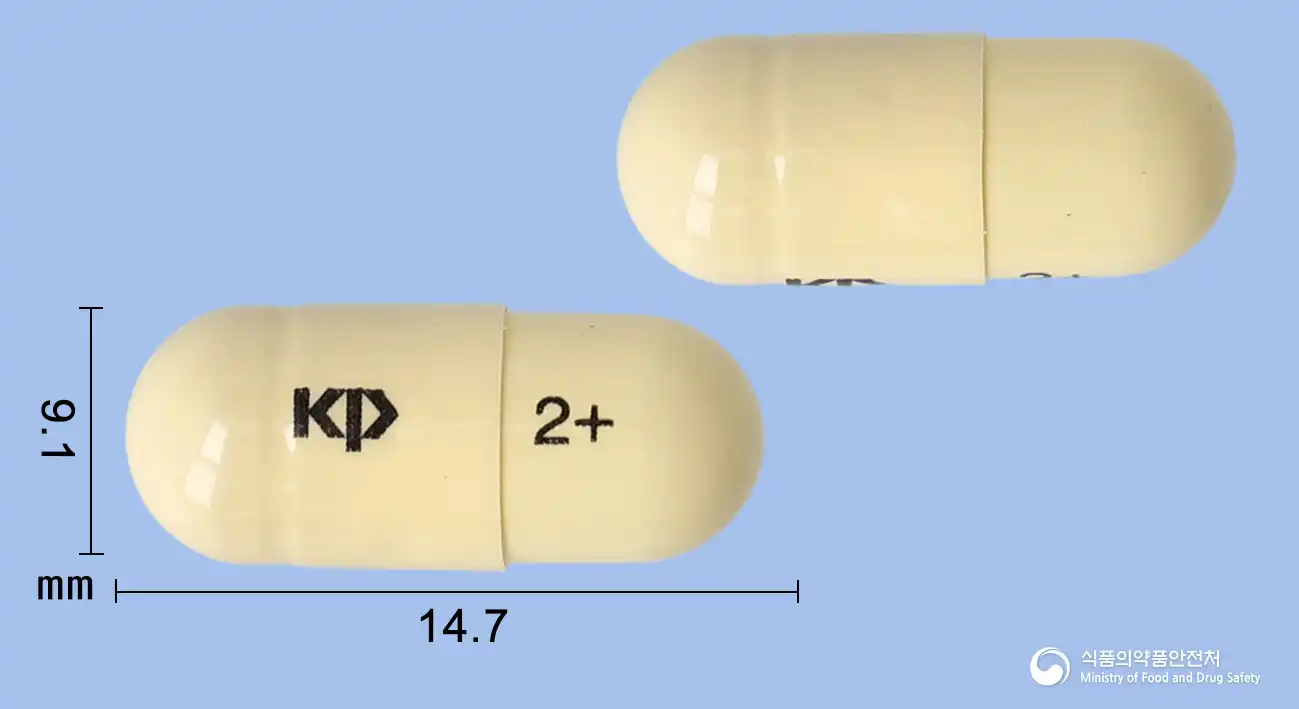 Combination
Rabeprazole Sodium 5mg · Aspirin 100mg
Hard capsule · Prescription medication · Combination
Korea Pharma Co., Ltd.
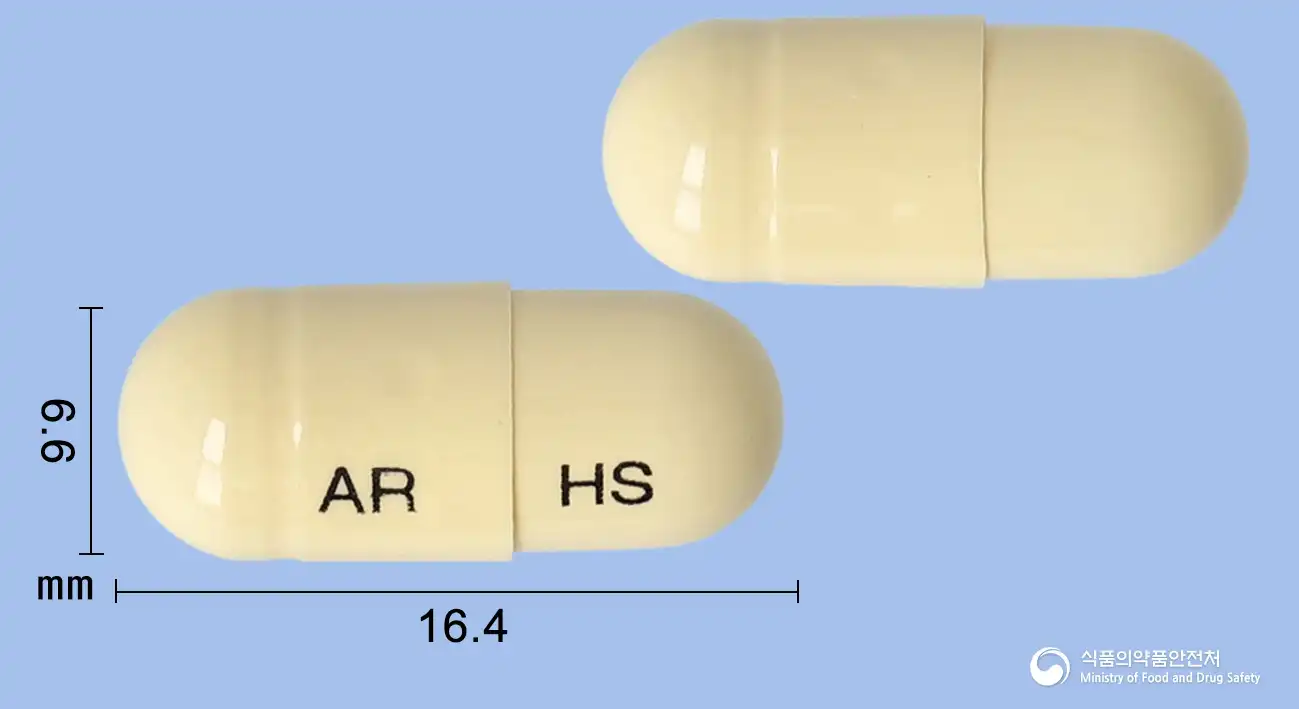 Combination
Rabeprazole Sodium 5mg · Aspirin 100mg
Hard capsule · Prescription medication · Combination
Huons Co., Ltd.
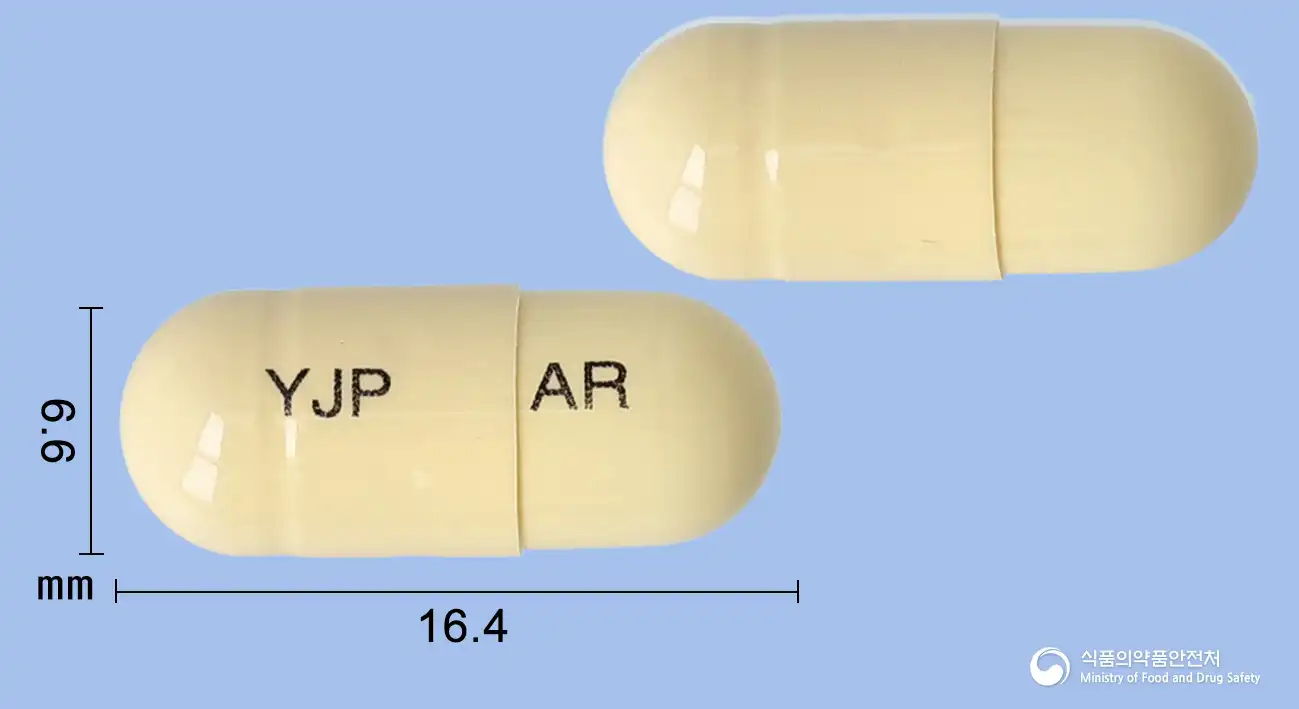 Combination
Rabeprazole Sodium 5mg · Aspirin 100mg
Hard capsule · Prescription medication · Combination
Youngjin Pharmaceutical Co., Ltd.
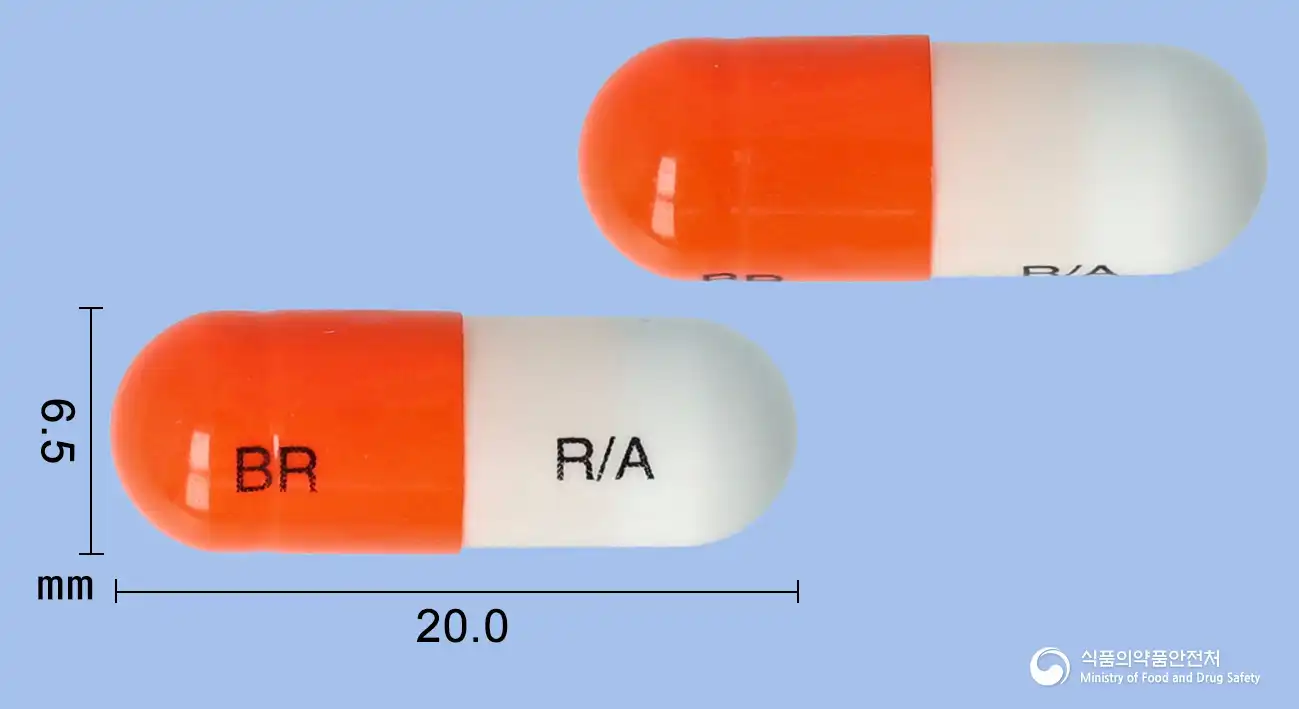 Combination
Rabeprazole Sodium 5mg · Aspirin 100mg
Hard capsule · Prescription medication · Combination
Boryung Pharmaceuticals Co., Ltd.
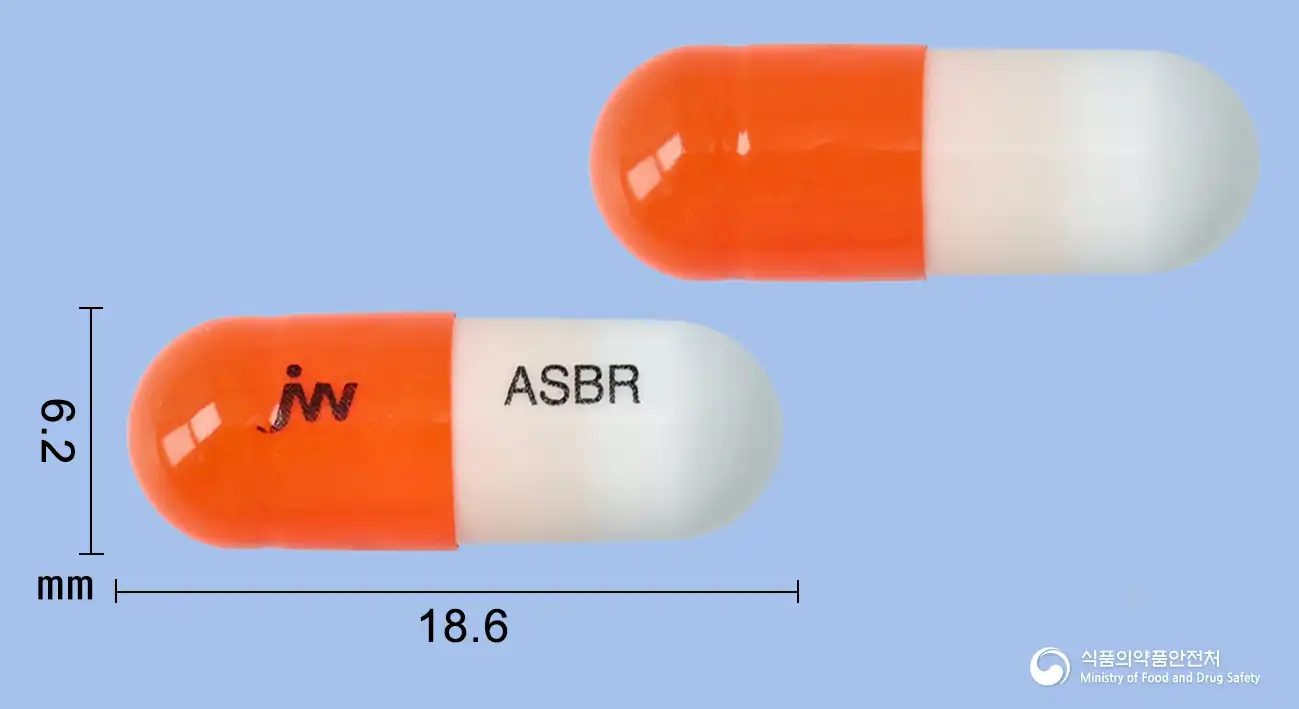 Combination
Rabeprazole Sodium 5mg · Aspirin 100mg
Hard capsule · Prescription medication · Combination
JW Pharmaceutical Corporation
Even with the same ingredient, the dose and directions can differ by strength and dosage form. Talk to a doctor or pharmacist before switching from a medication you are already taking.
No questions yet.
For anything that needs medical judgment, consult a doctor or pharmacist.
This drug information is based on data provided by the Korea Ministry of Food and Drug Safety.
Consult a doctor or pharmacist for accurate dosage, administration, and usage instructions.