
 한국어
 English
 日本語
 中文(简体)
Dosage form image
Viewing nowSalofalk 1500 Granules (Mesalazine)
Mesalazine 1500mg
Prescription medication
Korea Pharma Co., Ltd.
MFDS item code 202401325 · Approved 2024.05.29 · Insurance code 659901951
Treatment of mild to moderate ulcerative colitis
This medication is used for the treatment of mild to moderate ulcerative colitis. Ulcerative colitis is a chronic condition characterized by inflammation and ulceration of the colon, which can cause symptoms such as abdominal pain, diarrhea, and blood in the stool. This drug helps to reduce inflammation and alleviate symptoms to improve the patient's quality of life. Therefore, it is effectively used in the management of mild to moderate ulcerative colitis.
For the treatment of acute episodes of ulcerative colitis, administer 3g of mesalazine orally once daily. Do not chew this medicine. Swallow it whole with plenty of water without chewing. For both acute and long-term treatment, use this medicine continuously to achieve the desired therapeutic effect, and follow the physician's instructions regarding the duration of use.
This medicine contains the artificial sweetener aspartame and should not be used by patients with phenylketonuria. The daily intake of aspartame should be limited to below the WHO recommended amount and the minimal possible amount should be used. Patients with hypersensitivity to this drug or allergies to salicylates, severe liver or kidney impairment, peptic ulcer disease, or blood coagulation disorders should not take this medication. Patients with bronchial asthma, hypersensitivity to other medications, impaired liver or kidney function, blood disorders, pregnant or breastfeeding women, and the elderly should use this medication with caution. This medication can rarely cause serious allergic reactions, skin rashes, respiratory issues, gastrointestinal symptoms, liver function abnormalities, myalgia, blood disorders, myocarditis, kidney problems, and neurological symptoms; if any unusual symptoms occur, consult a physician immediately. Regular blood tests and liver function tests, kidney function tests should be performed during treatment, and discontinuation of the drug should occur if kidney impairment is detected. Patients who have had hypersensitivity reaction to sulfasalazine in the past should be particularly cautious, and if serious skin reactions or organ involvement symptoms occur, the medication should be discontinued immediately. This drug may interact with other medications, so it is essential to inform your doctor or pharmacist about any other medications being taken. During pregnancy, it should only be used when the benefits outweigh the risks, and breastfeeding mothers should use it cautiously because of potential side effects in the baby. Elderly patients commonly have reduced kidney function, so careful monitoring through blood tests is important. In case of overdose, symptoms similar to general salicylate toxicity may appear, and appropriate medical treatment should be sought immediately. This medication should be taken whole, not crushed or chewed, and stored out of reach of children. Additionally, it is safer not to transfer the medication to another container and to keep it in its original packaging.
Fever, hair loss, hives, allergic skin rash, erythema multiforme, polymorphous light eruption, Stevens-Johnson syndrome, shortness of breath, cough, bronchospasm, allergic alveolitis, pulmonary eosinophilia, interstitial lung disease with pulmonary infiltration, pneumonia, eosinophilic pneumonia, pleuritis, abdominal pain, diarrhea, bloating, nausea, vomiting, abdominal distension, pancreatitis, worsening of disease, changes in liver function test markers, hepatitis, cholestatic hepatitis, liver dysfunction, myalgia, arthralgia, pericarditis, pleuritis, aplastic anemia, agranulocytosis, pancytopenia, neutropenia, leukopenia, thrombocytopenia, bone marrow suppression, anemia, myocarditis, pericardial effusion, acute and chronic interstitial nephritis, renal failure, kidney failure, renal dysfunction, nephrotic syndrome, nephrolithiasis, dizziness, headache, peripheral neuropathy, vertigo, idiopathic intracranial hypertension, reversible oligospermia, drug reaction (DRESS)
Not everyone experiences these, and they can vary from person to person.
This medication should be stored in a tightly closed container to protect it from air and moisture. It is important to maintain a storage temperature between 1 and 30 degrees Celsius at room temperature. This will help to maintain the efficacy of the medication and ensure safe use.
Off-white rounded or cylindrical enteric-coated granules
60 sachets/box
Even with the same ingredient, strength, dosage form and how it is taken can differ.
Mesalazine 1500mg
Prescription medication
Korea Pharma Co., Ltd.
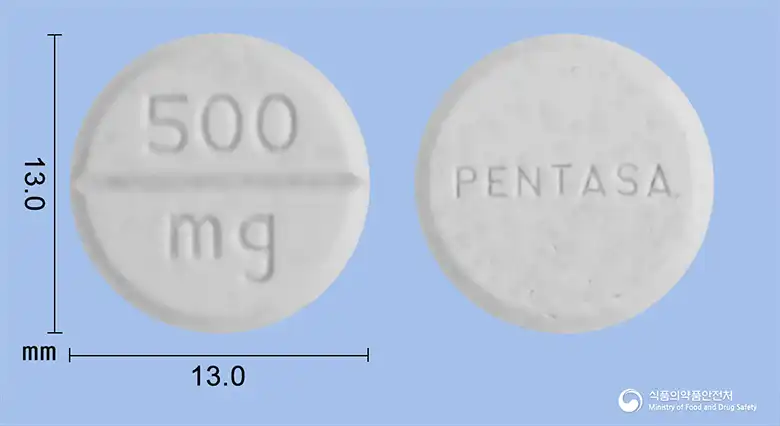
Mesalazine 500mg
Tablet · Prescription medication
Korea Ferring Pharmaceutical Co., Ltd.
Mesalazine 1000mg
Prescription medication
Korea PhaRing Pharmaceutical Co., Ltd.
Mesalazine 4g
Suspension · Prescription medication
Daewoong Pharmaceutical Co., Ltd.
Mesalazine 500mg
Prescription medication
Daiwoong Pharmaceutical Co., Ltd.
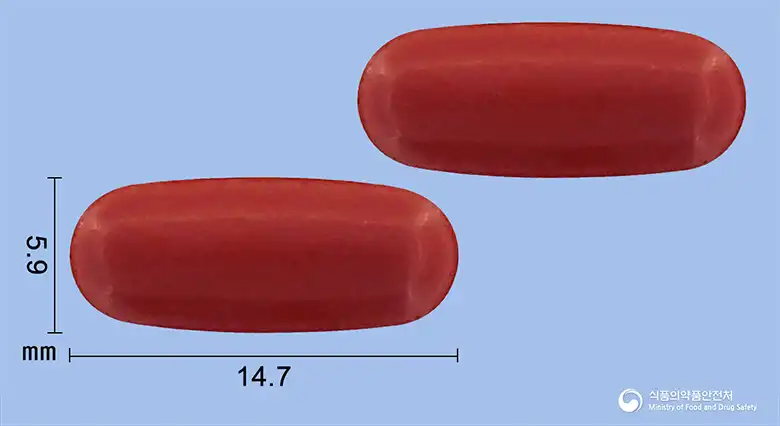
Mesalazine 400mg
Tablet · Prescription medication
Daewoong Pharmaceutical Co., Ltd.
Mesalazine 1g
Prescription medication
Korea Ferring Pharmaceuticals Co., Ltd.
Mesalazine 2g
Prescription medication
Korea Ferring Pharmaceuticals Co., Ltd.
Even with the same ingredient, the dose and directions can differ by strength and dosage form. Talk to a doctor or pharmacist before switching from a medication you are already taking.
No questions yet.
For anything that needs medical judgment, consult a doctor or pharmacist.
This drug information is based on data provided by the Korea Ministry of Food and Drug Safety.
Consult a doctor or pharmacist for accurate dosage, administration, and usage instructions.