
 한국어
한국어 English
 日本語
日本語 中文(简体)
 Viewing nowCombination
Avesmet Tablet 50/1000 mg (Vildagliptin, Metformin Hydrochloride)
Metformin Hydrochloride 300mg · Vildagliptin 50mg
Tablet · Prescription medication · Combination
Ankook Pharmaceutical Co., Ltd.
MFDS item code 202401283 · Approved 2024.05.24 · Insurance code 650206100
Improvement of blood sugar control in type 2 diabetes
This medication helps patients with type 2 diabetes to more effectively control their blood sugar levels. By combining Vildagliptin and Metformin, it complements dietary therapy and exercise, aiding in blood sugar management. Therefore, this medication is used to improve blood sugar control.
The dosage of this medication should be individualized within the range of 100 mg of Vildagliptin and 2000 mg of Metformin. A dosage of Vildagliptin greater than 100 mg per day is not recommended. Administering with food or immediately after meals may reduce gastrointestinal adverse effects associated with Metformin. 1. For patients without prior experience of diabetes medication treatment and for whom blood sugar control is difficult with monotherapy: Starting dosage of 50 mg
This medication contains Metformin and Vildagliptin and is used for the treatment of diabetes. The most important caution when taking this medication is the risk of a serious side effect known as lactic acidosis. Lactic acidosis is a dangerous condition caused by the excessive buildup of lactic acid in the body, and immediate treatment is necessary if symptoms appear. Patients with moderate to severe renal impairment should not take this medication. Impaired kidney function can lead to drug accumulation in the body and increase the risk of side effects. Patients with heart failure, cardiovascular issues, acute infections, severe trauma, or liver dysfunction should also avoid this medication. In particular, patients scheduled for surgery should stop this medication 48 hours prior to the surgery and restart only after renal function has been confirmed as normal post-surgery. Pregnant or breastfeeding women should not take this medication, nor should patients with genetic conditions such as lactose intolerance. During treatment with this medication, patients should be cautious if they have irregular meal patterns, engage in intense exercise, or take other medications, as the risk of hypoglycemia or lactic acidosis may increase. Common side effects of this medication include dizziness, headache, nausea, and hypoglycemia; rare side effects such as liver dysfunction and skin rash have also been reported. If symptoms of acute pancreatitis occur, stop taking the medication immediately and seek medical attention. Alcohol consumption may increase the risk of lactic acidosis when taken with this medication, so it is advisable to avoid drinking. Regular monitoring of kidney and liver function is required while taking this medication, and periodic blood tests are recommended as vitamin B12 deficiency may occur. In case of overdose, immediate treatment is necessary, and blood dialysis may be helpful. Special caution is needed for children, adolescents, and the elderly, and dosage adjustment is necessary for the elderly due to decreased kidney function. Finally, be cautious during activities such as driving or operating machinery if symptoms like dizziness appear while taking this medication.
Not everyone experiences these, and they can vary from person to person.
This medication is sensitive to air and moisture, so it should be stored in a tightly sealed container. It is best to maintain a storage temperature between 1 and 30 degrees Celsius. Proper storage will help preserve the medication's effectiveness and prevent degradation.
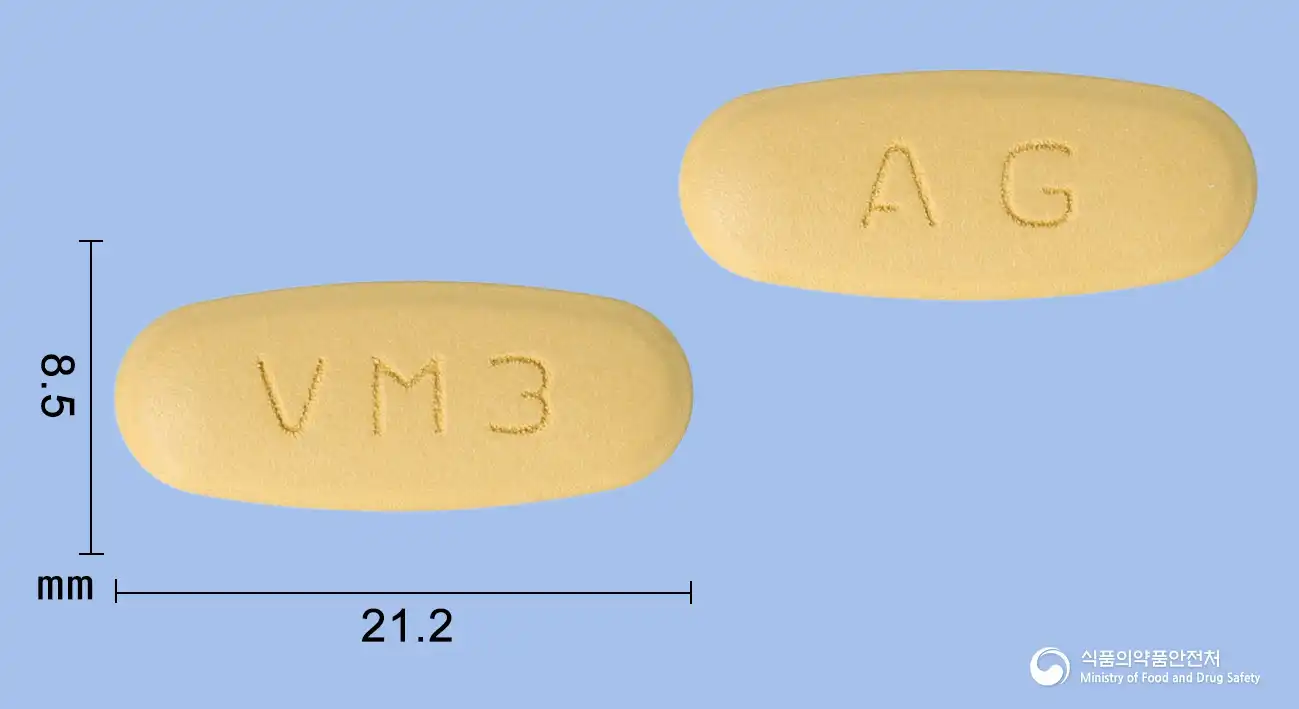
Dark yellow oval film-coated tablet
30 tablets/bottle, 60 tablets/box [10 tablets/PTP X 6]
Even with the same ingredient, strength, dosage form and how it is taken can differ.
Viewing nowCombinationMetformin Hydrochloride 300mg · Vildagliptin 50mg
Tablet · Prescription medication · Combination
Ankook Pharmaceutical Co., Ltd.
 Combination
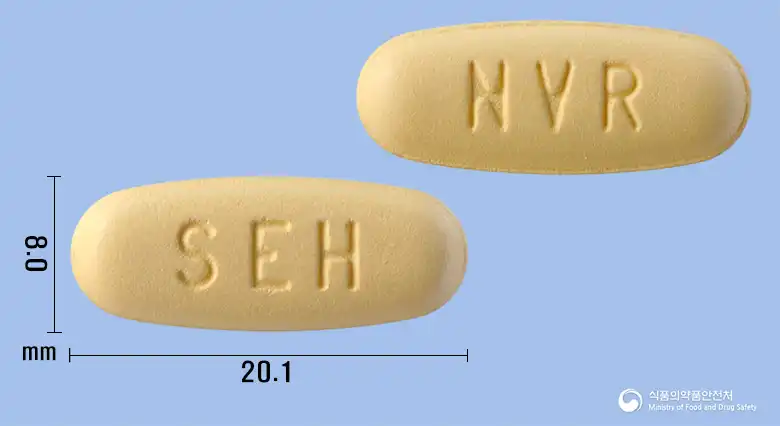
Vildagliptin 50mg · Metformin Hydrochloride 850mg
Tablet · Prescription medication · Combination
Korea Novartis Co., Ltd.
 Combination
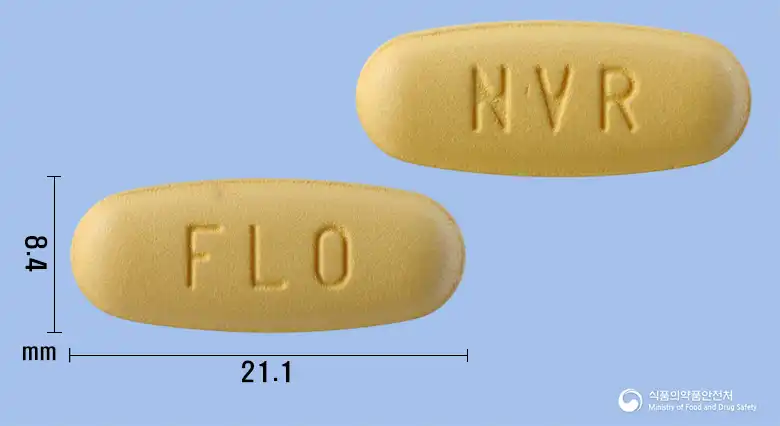
Vildagliptin 50mg · Metformin Hydrochloride 1000mg
Tablet · Prescription medication · Combination
Novartis Korea Co., Ltd.
 Combination
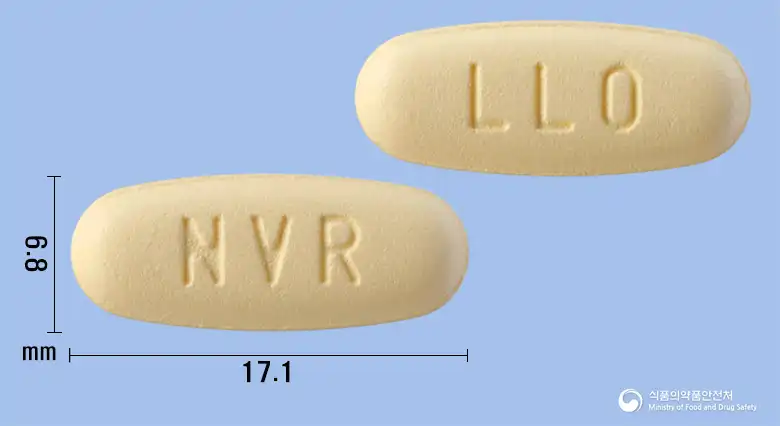
Vildagliptin 50mg · Metformin Hydrochloride 500mg
Tablet · Prescription medication · Combination
Novartis Korea Co., Ltd.
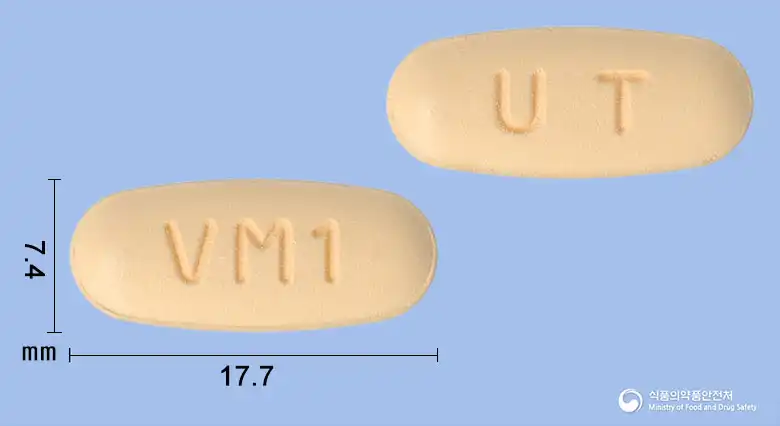 Combination
Vildagliptin 50mg · Metformin Hydrochloride 500mg
Tablet · Prescription medication · Combination
Korea United Pharm, Co., Ltd.
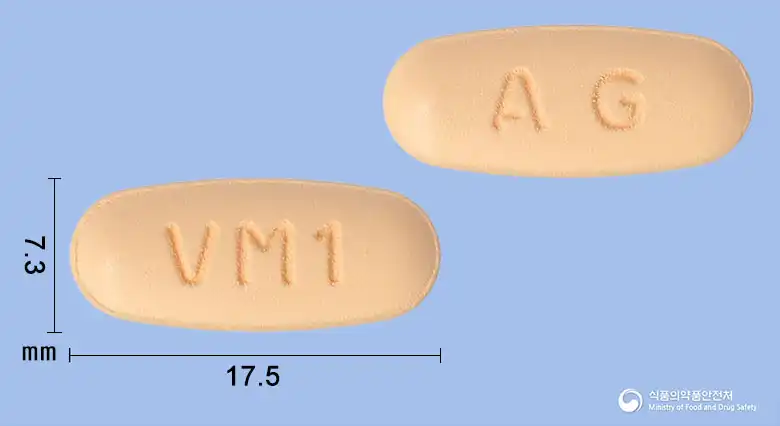 Combination
Vildagliptin 50mg · Metformin Hydrochloride 500mg
Tablet · Prescription medication · Combination
Ahn-Guk Pharmaceutical Co., Ltd.
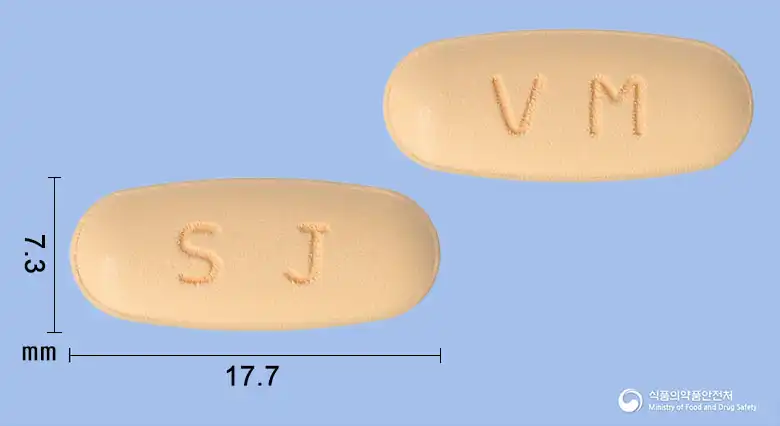 Combination
Vildagliptin 50mg · Metformin Hydrochloride 500mg
Tablet · Prescription medication · Combination
Samjin Pharmaceutical Co., Ltd.
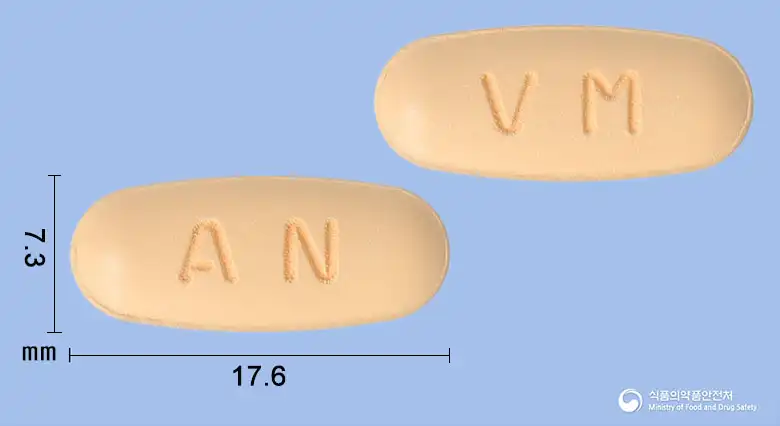 Combination
Vildagliptin 50mg · Metformin Hydrochloride 500mg
Tablet · Prescription medication · Combination
AhnGuk NewPharm Co., Ltd.
Even with the same ingredient, the dose and directions can differ by strength and dosage form. Talk to a doctor or pharmacist before switching from a medication you are already taking.
No questions yet.
For anything that needs medical judgment, consult a doctor or pharmacist.
This drug information is based on data provided by the Korea Ministry of Food and Drug Safety.
Consult a doctor or pharmacist for accurate dosage, administration, and usage instructions.