
 한국어
 English
 日本語
 中文(简体)
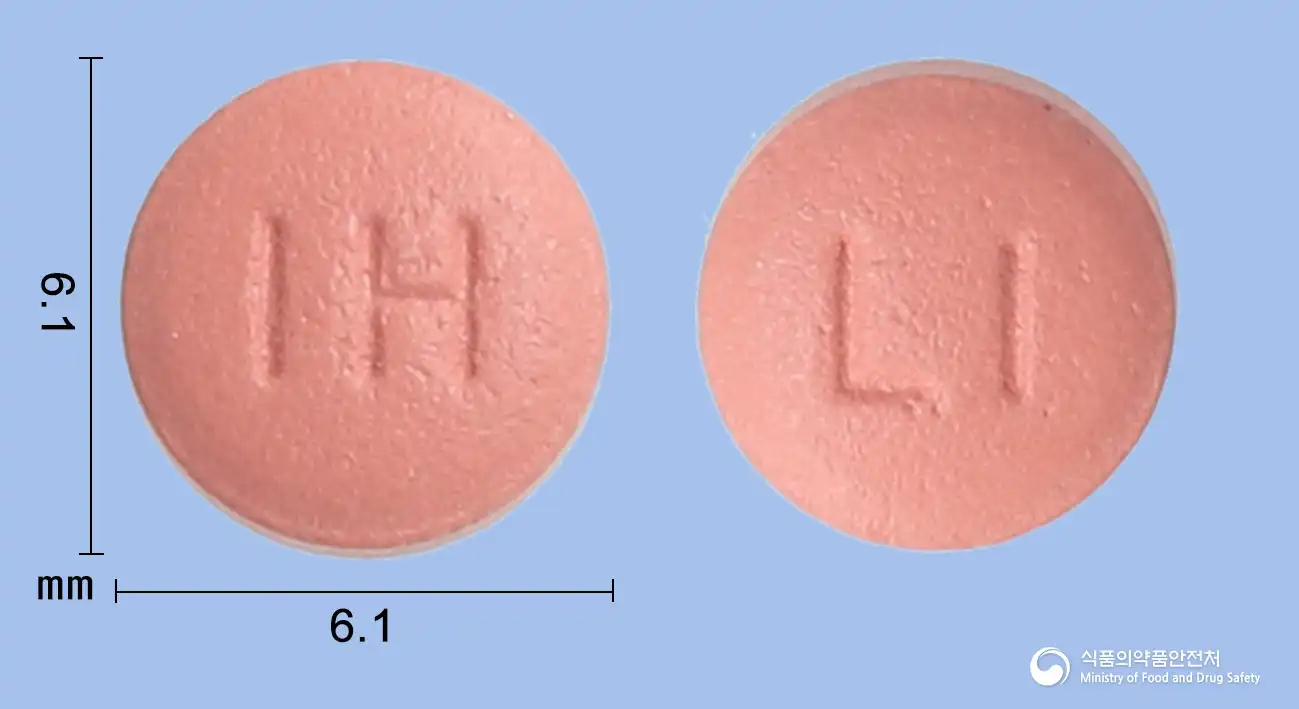 Viewing now
Trina Tablet 5mg (Linagliptin)
Linagliptin 5mg
Tablet · Prescription medication
Ilhwa Co., Ltd.
MFDS item code 202401209 · Approved 2024.05.20 · Insurance code 640904660
Improvement of blood glucose control in type 2 diabetes mellitus
This medication is used in conjunction with dietary and exercise therapies to assist patients with type 2 diabetes in controlling their blood sugar levels. It can be administered alone or as part of a combination therapy with other drugs to yield efficacy. This helps effectively manage blood sugar levels and maintain a healthy lifestyle.
The recommended dose of this medicine is 5mg once daily. It may be taken with or without food. When used in combination with insulin or an insulin secretagogue (such as a sulfonylurea), a lower dose of insulin and the insulin secretagogue may be needed to minimize the risk of hypoglycemia.
This medication should not be used in patients who are allergic to the active ingredient or other components. It should not be administered to patients with type 1 diabetes or diabetic ketoacidosis. When used alongside medications that can induce hypoglycemia, such as insulin or sulfonylureas, caution is needed as the risk of hypoglycemia may increase. Experience with this medication in patients with heart failure is limited, and it should be administered carefully. Acute pancreatitis may develop during the use of this medication; therefore, if persistent and severe abdominal pain occurs, consumption should be halted immediately and a physician should be consulted. A skin condition called bullous pemphigoid may appear, so any blisters or eruptions on the skin should be reported to a physician promptly. This medication can induce hypoglycemic symptoms, so appropriate measures should be taken if symptoms of hypoglycemia arise. It is not recommended for use by pregnant women, and nursing mothers should exercise caution when administered. There is insufficient evidence regarding safety and efficacy in children under 10 years old, thus it is not recommended. Elderly patients can use it without special dosage adjustments, and patients with impaired kidney or liver function can also be treated without dosage adjustments. In cases of overdose, general supportive treatment is required, such as removing unabsorbed medication from the gastrointestinal tract and monitoring symptoms. This medication should be kept out of the reach of children and transferring it to other containers should be avoided.
Not everyone experiences these, and they can vary from person to person.
This medication is sensitive to air and moisture and should be stored in a tightly sealed container. It is advisable to maintain storage temperatures between 1 to 30 degrees Celsius.
Pink, convex round film-coated tablet
30 tablets/bottle, 300 tablets/bottle
Even with the same ingredient, strength, dosage form and how it is taken can differ.
Viewing nowLinagliptin 5mg
Tablet · Prescription medication
Ilhwa Co., Ltd.
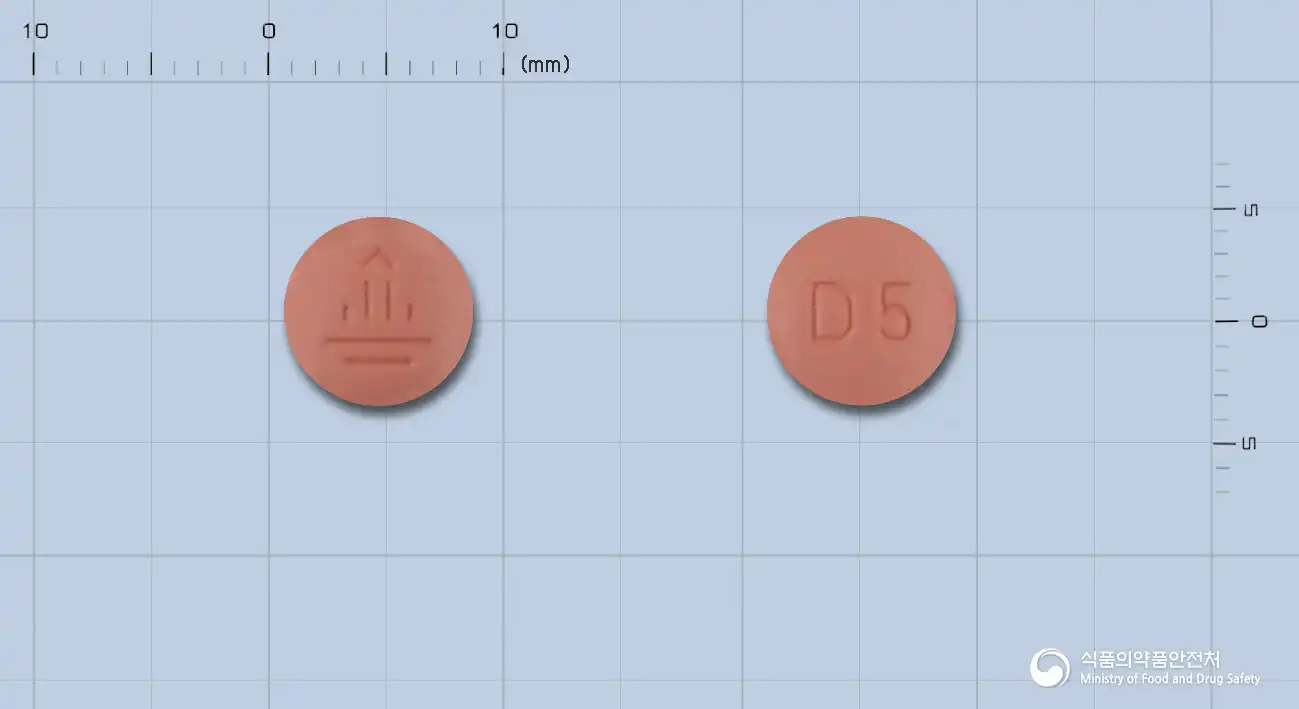
Linagliptin 5mg
Tablet · Prescription medication
Boehringer Ingelheim Korea Co., Ltd.
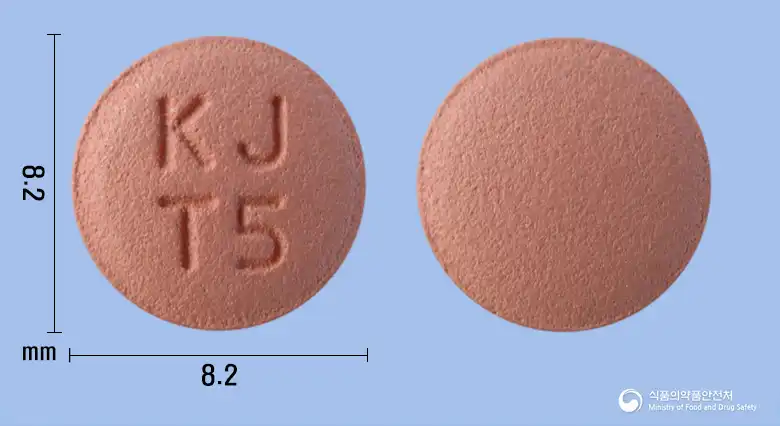
Linagliptin 5mg
Tablet · Prescription medication
International Pharmaceutical Co., Ltd.
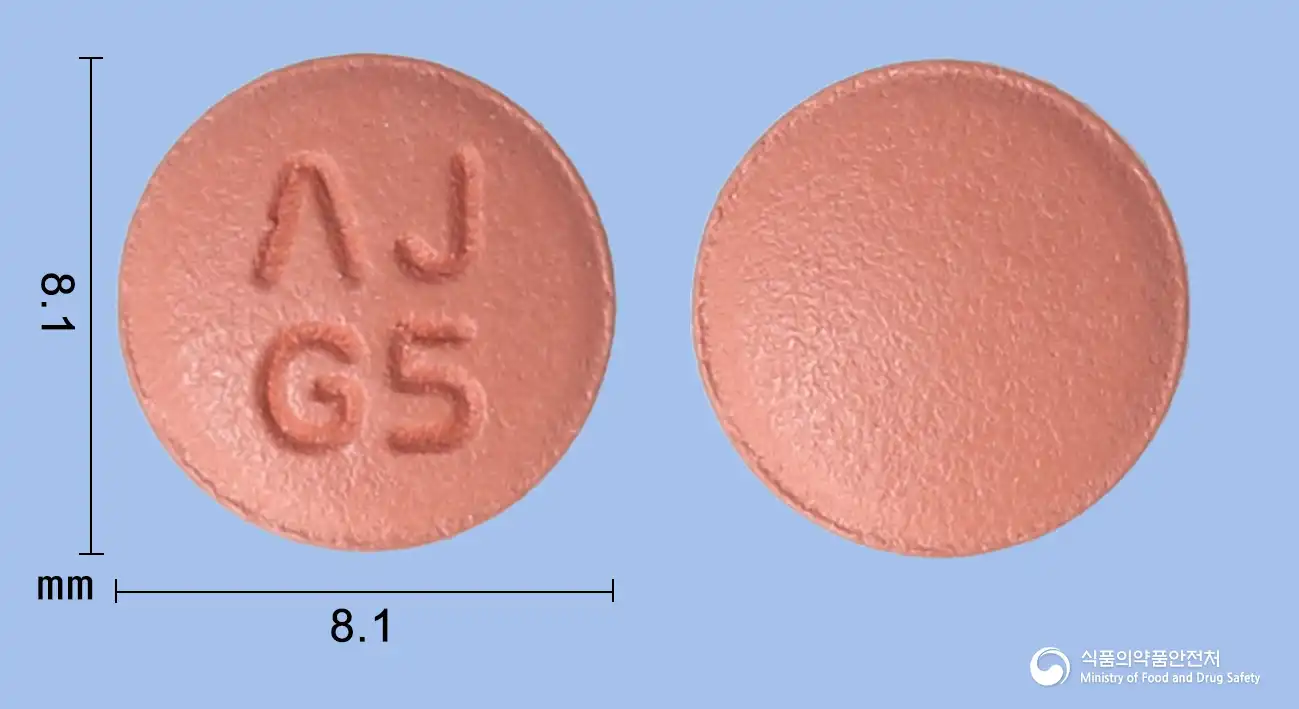
Linagliptin 5mg
Tablet · Prescription medication
Aju Pharmaceuticals Co., Ltd.
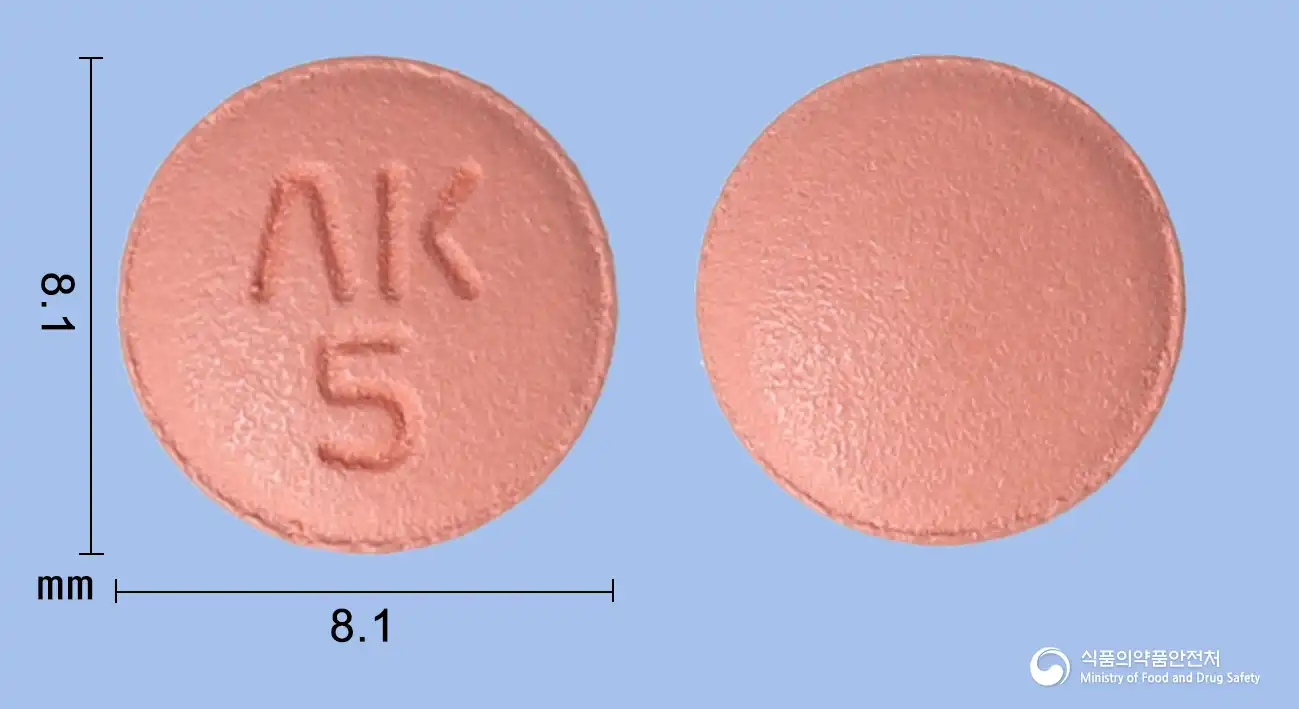
Linagliptin 5mg
Tablet · Prescription medication
Albozen Korea Co., Ltd.
Linagliptin 5mg
Tablet · Prescription medication
Anguk Pharmaceutical Co., Ltd.
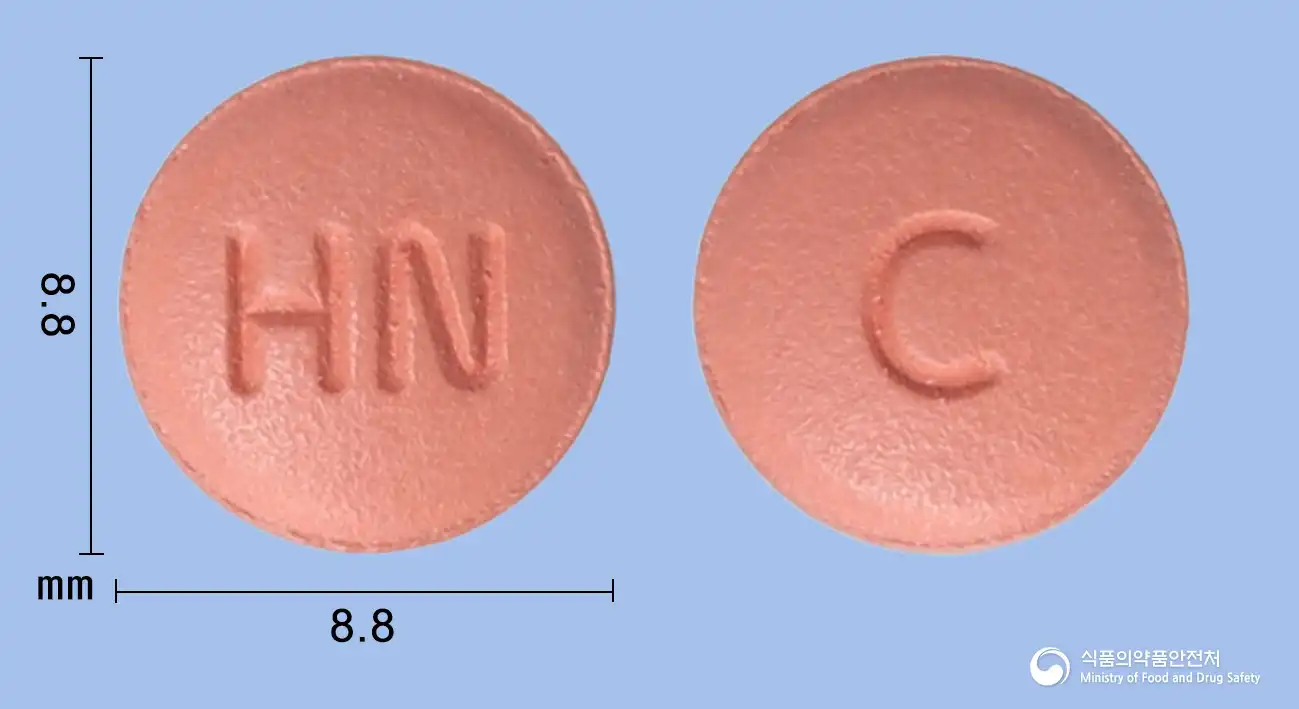
Linagliptin 5mg
Tablet · Prescription medication
Hana Pharmaceutical Co., Ltd.
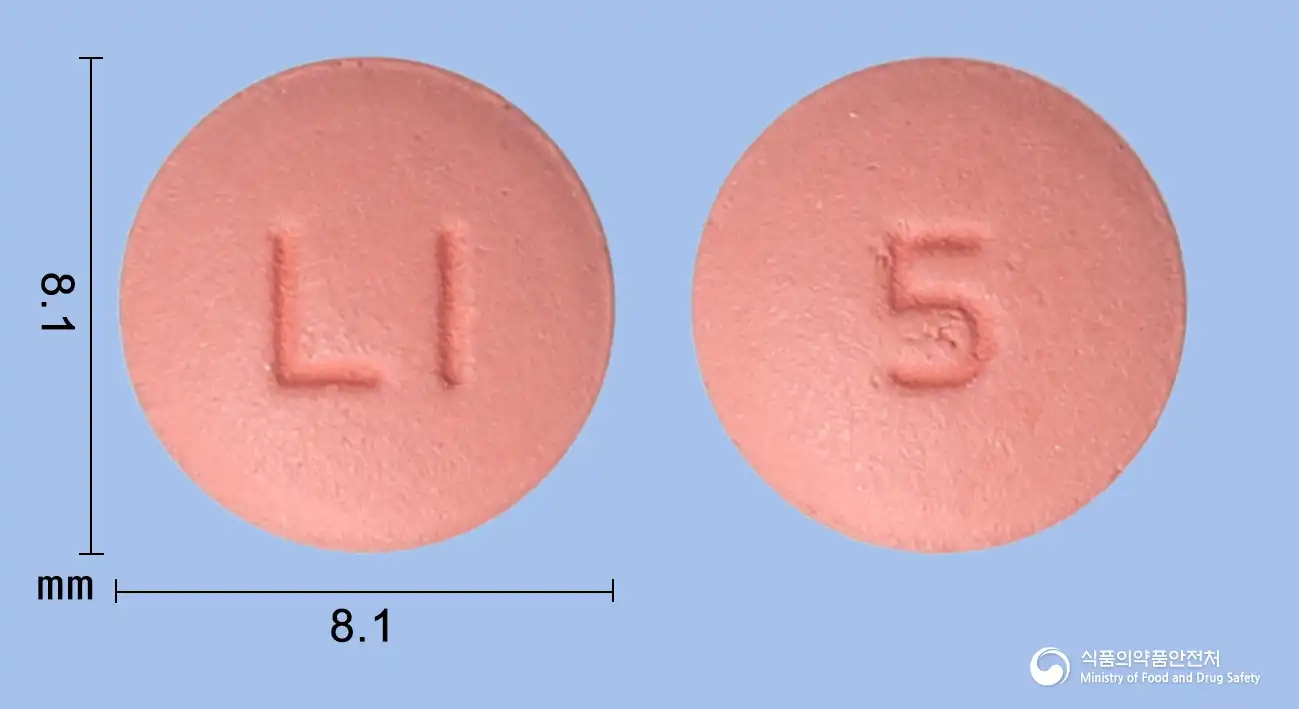
Linagliptin 5mg
Tablet · Prescription medication
Kyungdong Pharmaceutical Co., Ltd.
Even with the same ingredient, the dose and directions can differ by strength and dosage form. Talk to a doctor or pharmacist before switching from a medication you are already taking.
No questions yet.
For anything that needs medical judgment, consult a doctor or pharmacist.
This drug information is based on data provided by the Korea Ministry of Food and Drug Safety.
Consult a doctor or pharmacist for accurate dosage, administration, and usage instructions.