
 한국어
한국어 English
 日本語
日本語 中文(简体)
 Viewing nowCombination
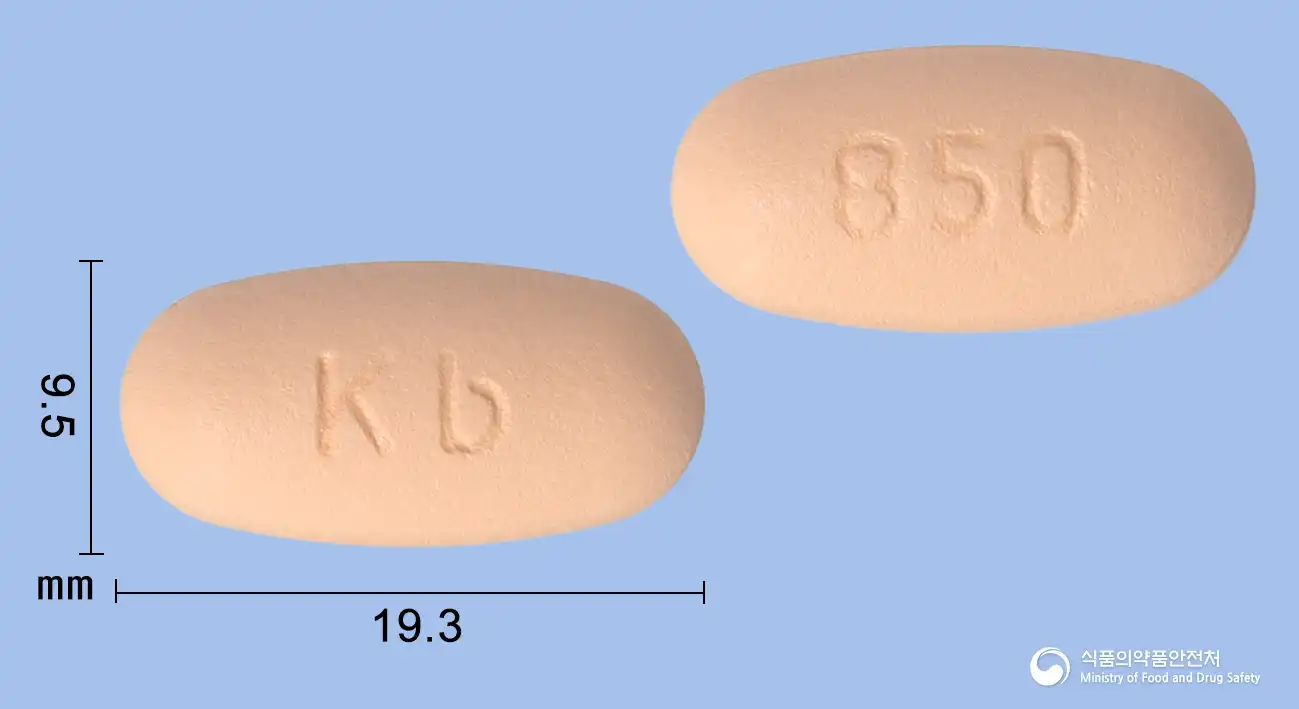
Liraglutide Duo Tablet 2.5/850 mg (Linagliptin Besylate, Metformin Hydrochloride)
Linagliptin Besylate 3.34mg · Metformin Hydrochloride 850mg
Tablet · Prescription medication · Combination
Kyungbo Pharmaceutical Co., Ltd.
MFDS item code 202401041 · Approved 2024.04.30
Improvement in blood glucose control for type 2 diabetes
This medication is used to help control blood sugar levels in patients with type 2 diabetes who are taking both Linagliptin and Metformin. It can be more effective when combined with dietary management and exercise therapy, aiding in the stable management of blood sugar levels. Regular intake can greatly assist in managing diabetes.
Linagliptin 2.5 mg and Metformin 1000 mg should be administered 2 times a day with meals. To reduce gastrointestinal side effects related to Metformin use, dosage increases should be gradual. 1. For non-users of Metformin: start with Linagliptin 2.5 mg/Metformin 500 mg, taking 1 tablet twice a day, up to a maximum of Linagliptin 2.5 mg/Metformin 1000 mg twice daily.
This medication is used to control blood sugar and works with the active ingredients Linagliptin and Metformin. This medication should not be given to certain patients, for example, those who are allergic to any ingredients of this medication, have type 1 diabetes, lactic acidosis, diabetic ketoacidosis, or severe renal impairment. In addition, it should not be used in cases of dehydration, severe infections, heart failure, liver dysfunction, acute alcohol intoxication, or in pregnant or breastfeeding women. When using this medication, hypoglycemic symptoms may occur, so it is essential to monitor blood sugar levels frequently, especially when taken with insulin or sulfonylureas. Patients with reduced kidney function should have their renal function monitored regularly through blood tests and should not take this medication if their kidney function is severely impaired. Patients with compromised heart function should also exercise caution when using this medication and regularly monitor their heart and kidney status. If undergoing radiation examinations involving iodine contrasts, the use of this medication should be temporarily stopped before and after the examination until kidney function is restored. Patients undergoing surgery should discontinue use of this medication 48 hours prior to surgery and can resume after kidney function has returned to normal after the procedure. While taking this medication, rare side effects such as acute pancreatitis or blistering dermatitis resembling pemphigus may occur, so if abdominal pain or skin abnormalities present, consult a doctor immediately. The Metformin component can lower vitamin B12 levels, so it's recommended to regularly check vitamin B12 levels during long-term use. It is advised not to use this medication during pregnancy or while breastfeeding. Children under 10 years of age should not use it, as safety and efficacy have not been established. Elderly patients may experience reduced kidney function, thus dosage should be adjusted and kidney function should be regularly tested. In case of overdose, severe side effects such as lactic acidosis can occur, requiring immediate medical treatment.
Urticaria, angioedema, lactic acidosis, pancreatitis, blistering dermatitis resembling pemphigus, liver dysfunction (abnormal liver function tests, hepatitis), angina, acute myocardial infarction, unstable angina, heart failure, congestive heart failure, cardiac arrest, acute kidney injury, end-stage renal disease, acute cholangitis, acute cholecystitis, cholangitis, cholelithiasis, acute pyelonephritis, sepsis, pneumonia, asthma attack, difficulty breathing, severe rash with fever, blisters, skin peeling.
Not everyone experiences these, and they can vary from person to person.
This medication should be stored in a tightly sealed container that blocks out air and moisture, ideally at room temperature between 1 to 30 degrees Celsius. Storing it this way helps maintain the medication's effectiveness.
Orange, biconvex, oval film-coated tablets
30 tablets/bottle, 60 tablets/bottle - 30 tablets/bottle, 30 tablets/bottle, 60 tablets/bottle - 60 tablets/bottle
Even with the same ingredient, strength, dosage form and how it is taken can differ.
Viewing nowCombinationLinagliptin Besylate 3.34mg · Metformin Hydrochloride 850mg
Tablet · Prescription medication · Combination
Kyungbo Pharmaceutical Co., Ltd.
 Combination
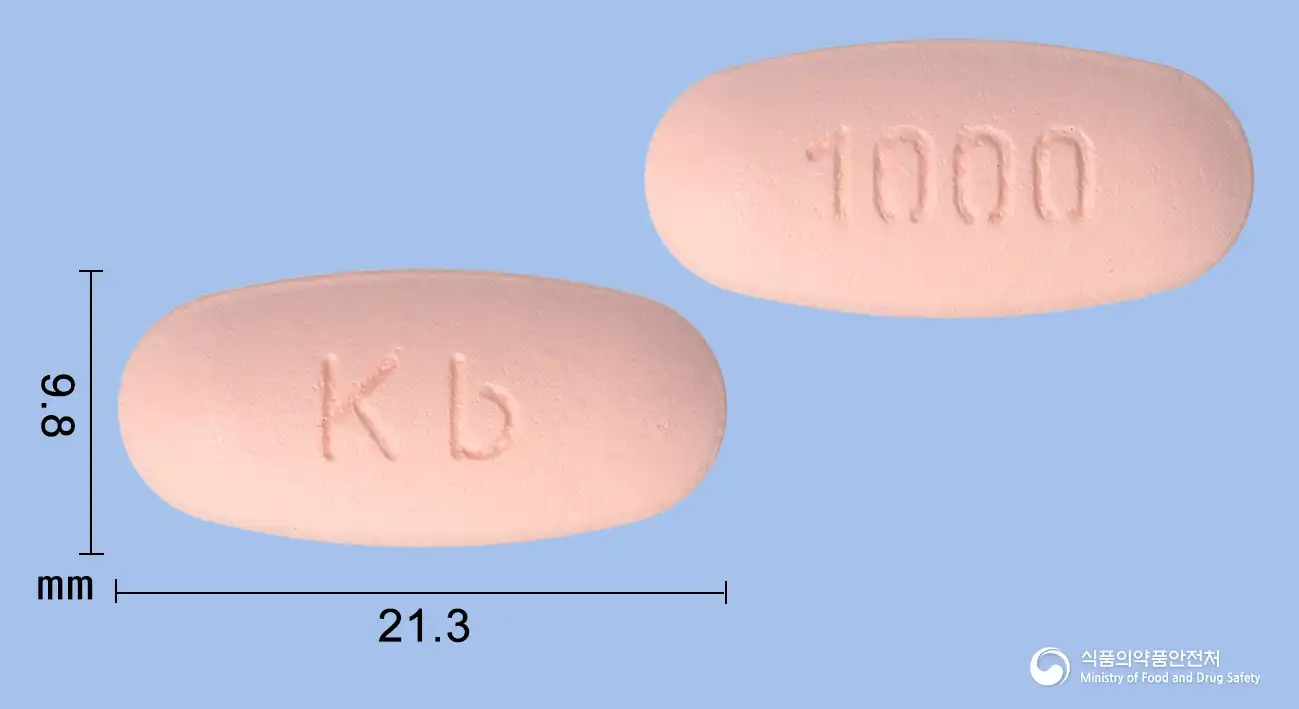
Linagliptin Besylate 3.34mg · Metformin Hydrochloride 1000mg
Tablet · Prescription medication · Combination
Kyungbo Pharmaceutical Co., Ltd.
 Combination
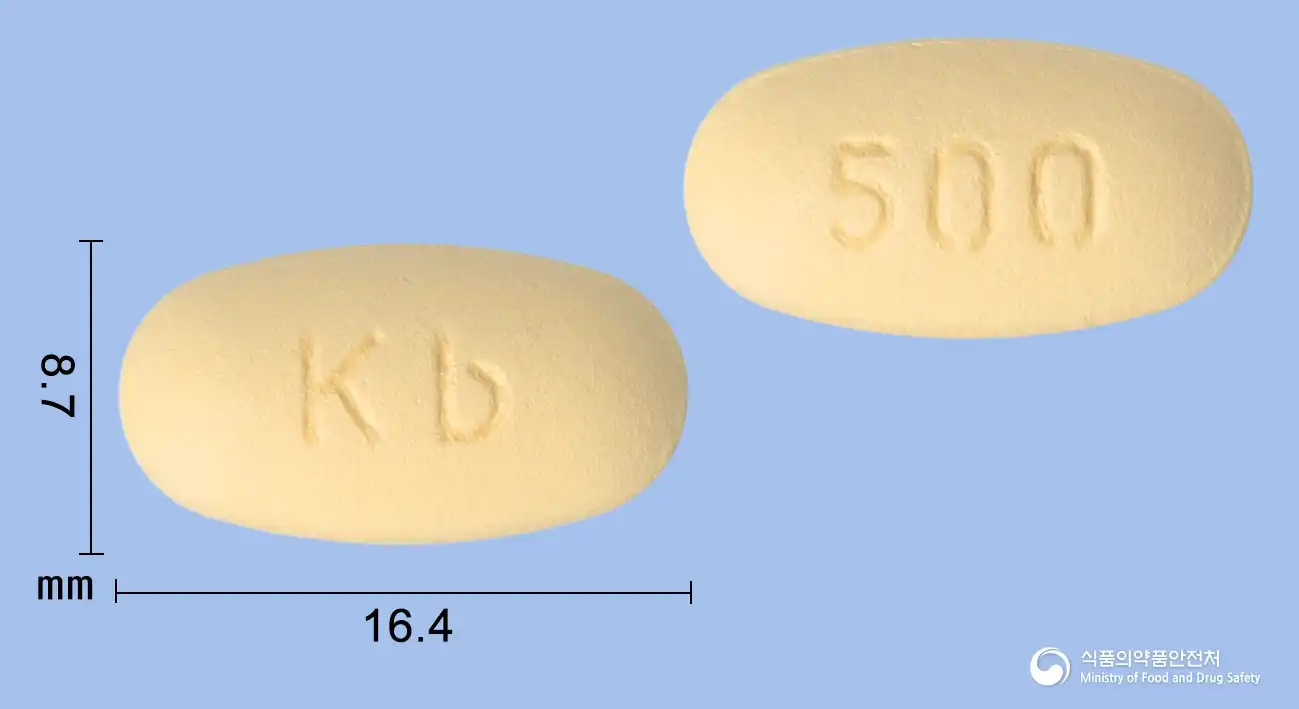
Linagliptin Besylate 3.34mg · Metformin Hydrochloride 500mg
Tablet · Prescription medication · Combination
Kyungbo Pharmaceutical Co., Ltd.
 Combination
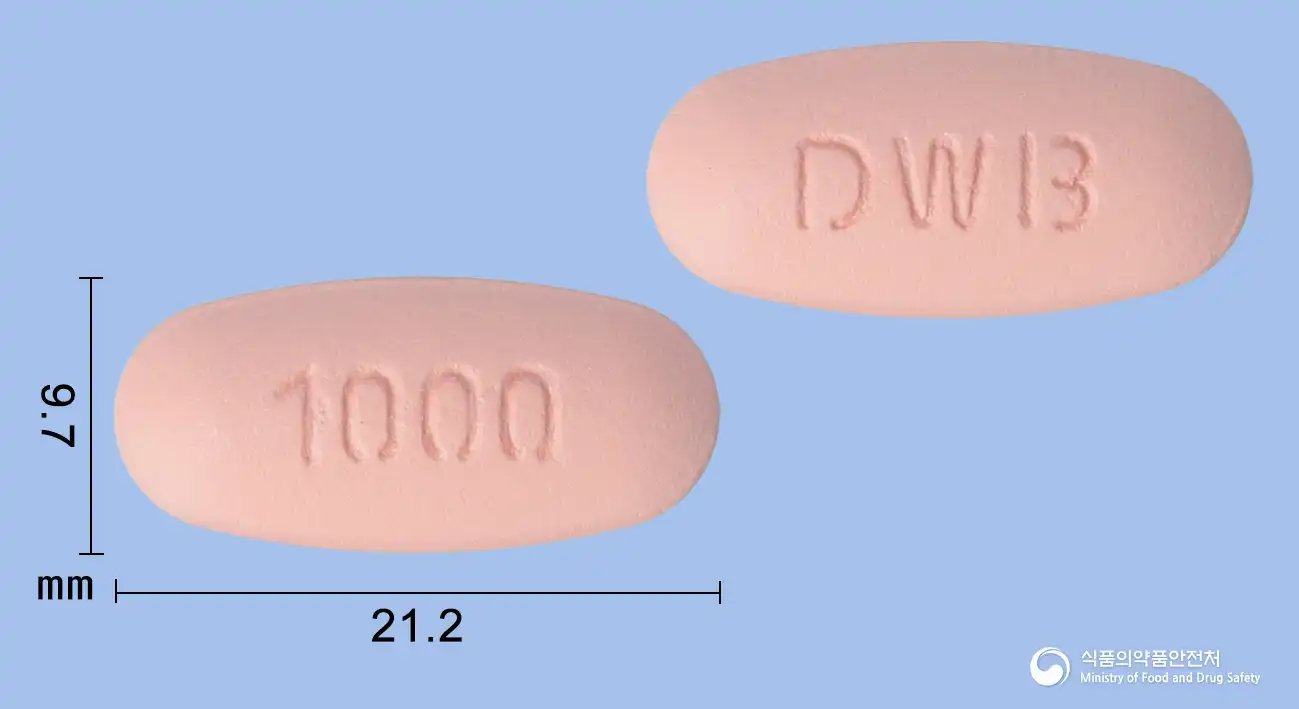
Linagliptin Besylate 3.34mg · Metformin Hydrochloride 1000mg
Tablet · Prescription medication · Combination
DaiWoong Bio Co., Ltd.
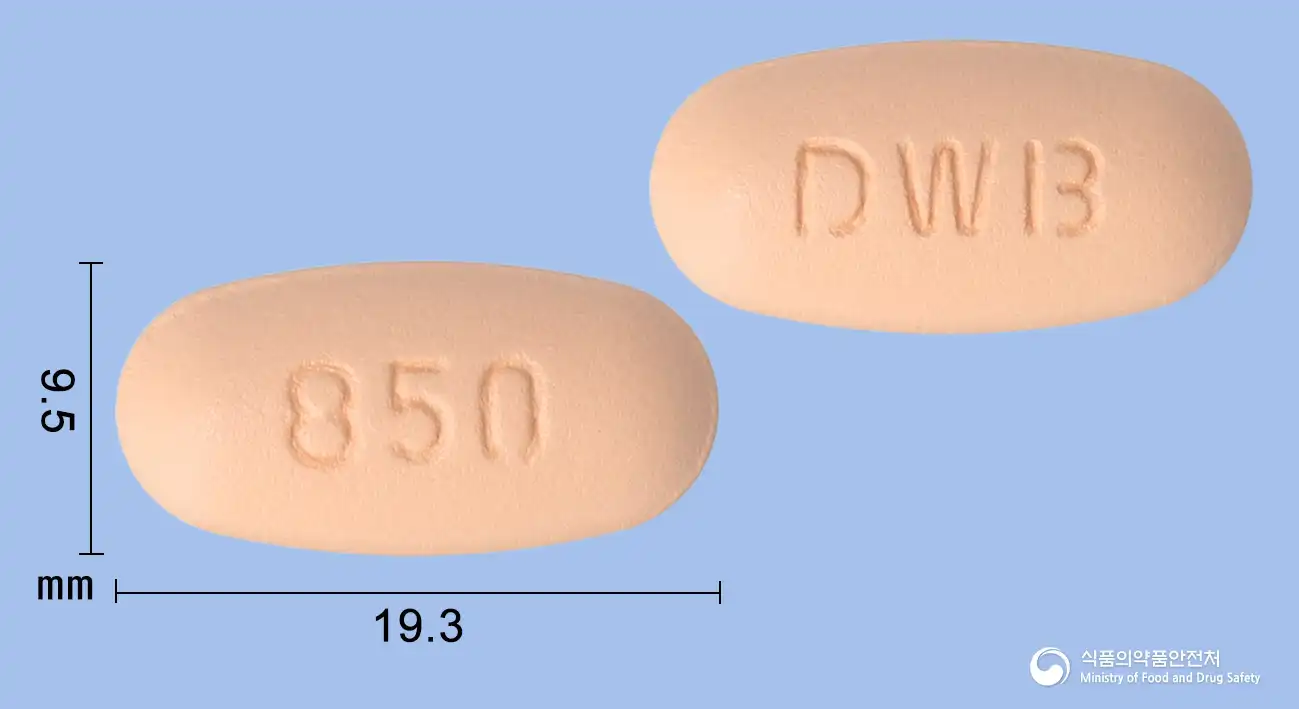 Combination
Linagliptin Besylate 3.34mg · Metformin Hydrochloride 850mg
Tablet · Prescription medication · Combination
Daewoong Bio Co., Ltd.
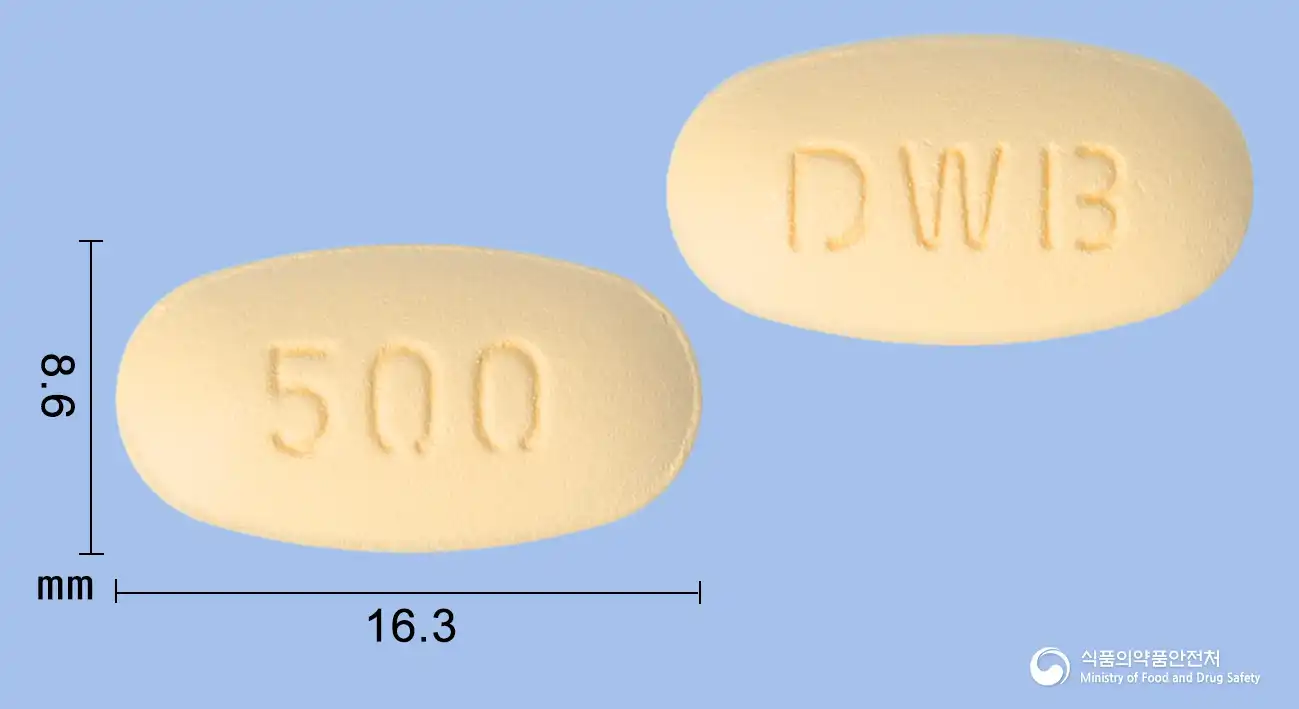 Combination
Linagliptin Besylate 3.34mg · Metformin Hydrochloride 500mg
Tablet · Prescription medication · Combination
Daewoong Bio Co., Ltd.
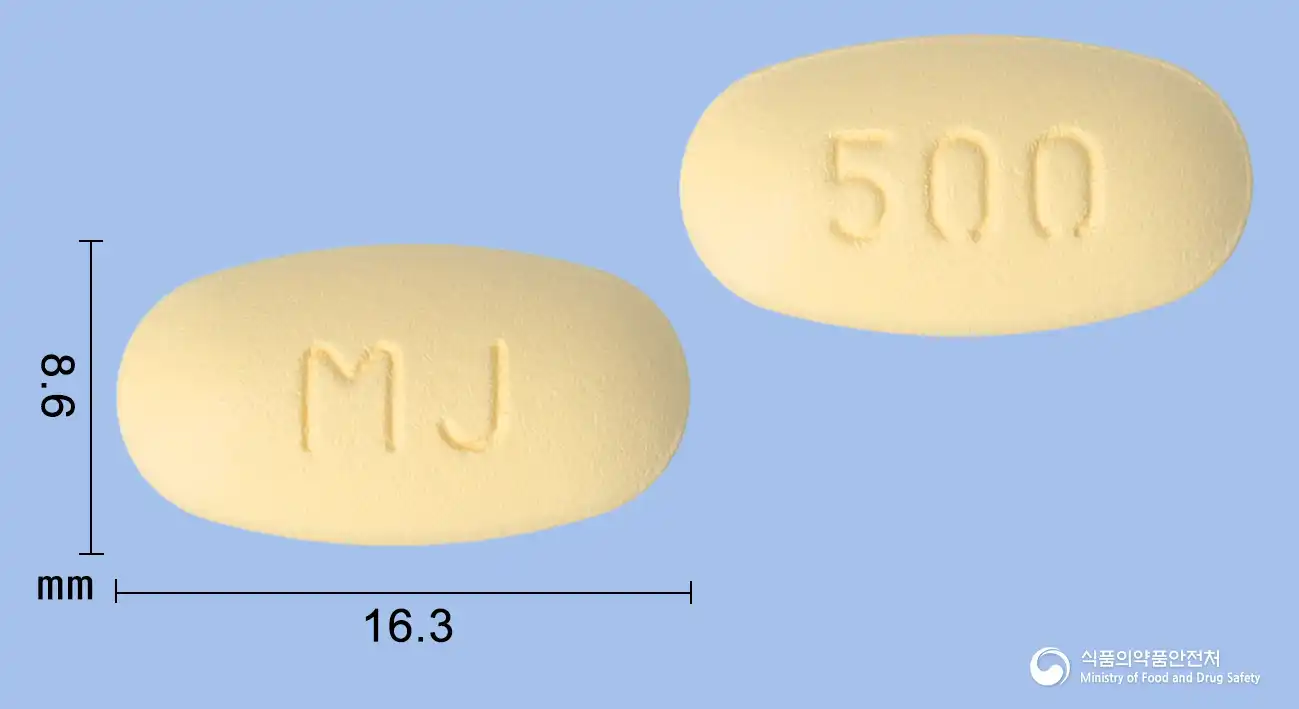 Combination
Linagliptin Besylate 3.34mg · Metformin Hydrochloride 500mg
Tablet · Prescription medication · Combination
Mothers Pharmaceutical Co., Ltd.
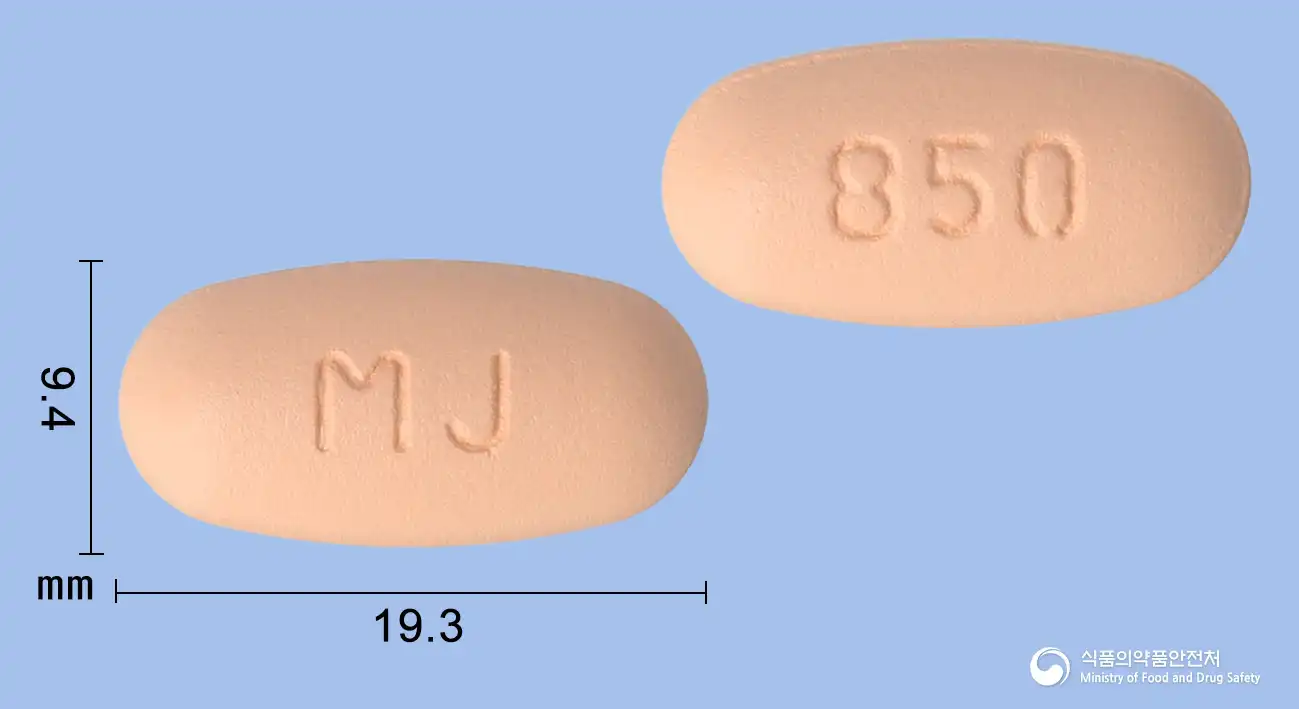 Combination
Linagliptin Besylate 3.34mg · Metformin Hydrochloride 850mg
Tablet · Prescription medication · Combination
Mothers Pharmaceutical Co., Ltd.
Even with the same ingredient, the dose and directions can differ by strength and dosage form. Talk to a doctor or pharmacist before switching from a medication you are already taking.
No questions yet.
For anything that needs medical judgment, consult a doctor or pharmacist.
This drug information is based on data provided by the Korea Ministry of Food and Drug Safety.
Consult a doctor or pharmacist for accurate dosage, administration, and usage instructions.