
 한국어
한국어 English
 日本語
日本語 中文(简体)
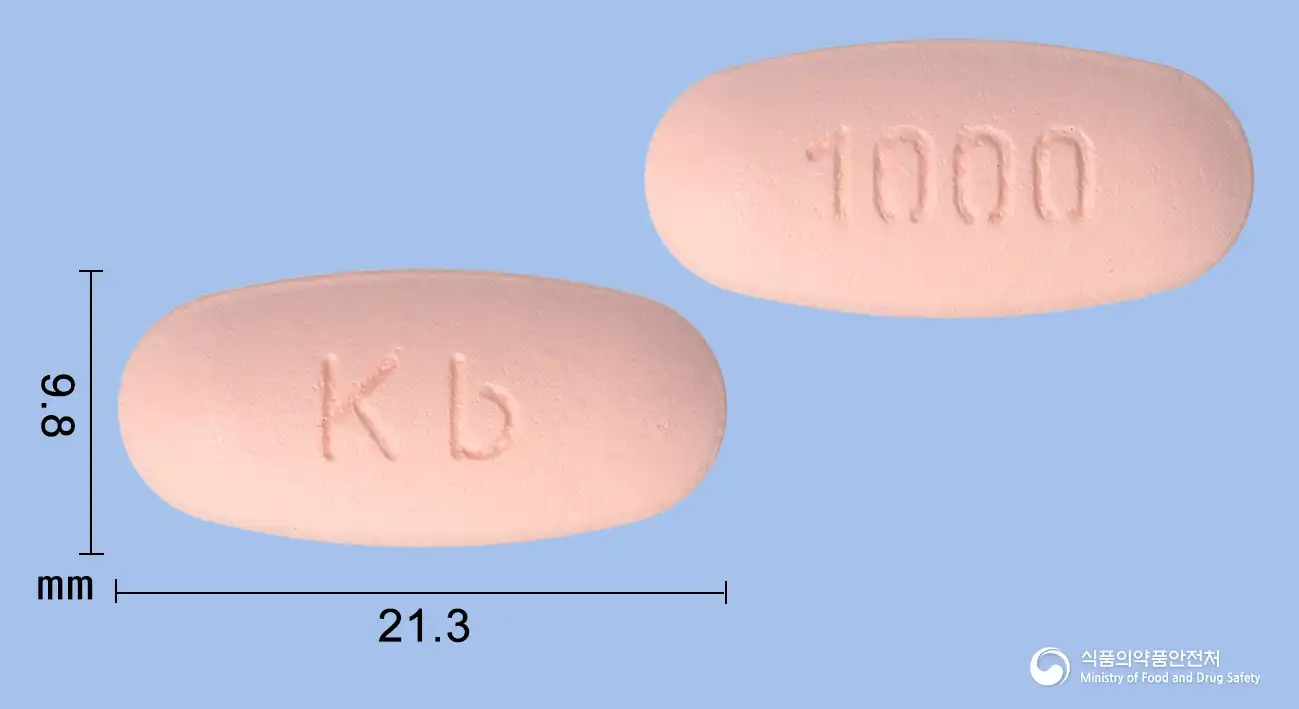 Viewing nowCombination
Liragenta Duo Tablet 2.5/1000 mg (Linagliptin Besylate, Metformin Hydrochloride)
Linagliptin Besylate 3.34mg · Metformin Hydrochloride 1000mg
Tablet · Prescription medication · Combination
Kyungbo Pharmaceutical Co., Ltd.
MFDS item code 202401040 · Approved 2024.04.30
Improvement of blood sugar control in type 2 diabetes
This medication is used to assist blood sugar control in patients with type 2 diabetes who are suitable for combination therapy with Linagliptin and Metformin. When taken alongside diet control and exercise therapy, it helps to improve blood sugar levels more effectively. This can lead to better diabetes management and contribute to the prevention of complications.
The dosage of this medication should not exceed the maximum recommended dosages of Linagliptin 2.5 mg (Linagliptin Besylate 3.34 mg) and Metformin 1000 mg taken twice daily, depending on each patient’s current treatment regimen, efficacy, and tolerability. This medication is administered twice daily with meals. 1. If currently not treated with Metformin: The initial dose is 2.5/500 mg.
This medication helps regulate blood sugar through the combined action of its two main ingredients. Caution is needed when taking this medication, as serious side effects such as lactic acidosis may occur. Lactic acidosis is a dangerous condition that results from an excessive buildup of lactate in the blood. If severe abdominal pain, muscle pain, lethargy, or shortness of breath occurs, consult a physician immediately. This medication should not be administered to certain patients, such as those who are allergic to this drug or its components, patients with type 1 diabetes, patients with severe renal impairment, patients experiencing acute heart disease or heart failure, patients with poor liver function, patients with severe dehydration or infections, and pregnant or nursing women, as it may pose risks. Furthermore, when used in conjunction with other diabetes medications that carry a risk of hypoglycemia, caution must be exercised to prevent blood sugar levels from becoming too low. Particularly, when combined with insulin or sulfonylurea medications, hypoglycemia symptoms should be closely monitored and dosage adjustments made if necessary. Elderly patients with declining kidney function or conditions that may alter renal function should be monitored regularly through blood tests for renal function. During treatment with this medication, acute pancreatitis or bullous skin diseases may occur. If severe abdominal pain, skin rash, or blisters develop, contact a physician immediately. This medication may cause gastrointestinal disturbances (such as abdominal pain, diarrhea, nausea, etc.), so it is advisable to take it with or after meals. Pregnant women or those planning to become pregnant should avoid this medication, and it is also recommended that breastfeeding women do not use it. This medication may interact with other drugs, so it is critical to inform your doctor or pharmacist of any currently taken medications, especially those that may affect kidney function or blood sugar-lowering agents. Finally, this medication is not recommended for use in children or those under 10 years of age, and dosage adjustments should be made for elderly patients considering renal function. Store this medication out of reach of children, avoid moisture, and do not transfer it to another container.
Urticaria, severe swelling (angioedema), chest tightness, difficulty breathing, cold sweat, pallor, severe rash with fever, blisters, desquamation of the skin, pain in mucous membranes of mouth/eyes, shortness of breath or difficulty breathing, asthma attack, abnormal respiratory symptoms accompanied by cough and fever, jaundice (yellowing of skin or eyes), extreme lethargy, sudden and severe headache, thunderclap headache, seizures, confusion, visual disturbances, paralysis,
Not everyone experiences these, and they can vary from person to person.
This medication should be stored in a tightly sealed container to protect it from air and moisture. The storage temperature should ideally be maintained between 1 and 30 degrees Celsius.
Pink, oval, biconvex, film-coated tablet
30 tablets/bottle, 60 tablets/bottle - 30 tablets/bottle, 30 tablets/bottle, 60 tablets/bottle - 60 tablets/bottle
Even with the same ingredient, strength, dosage form and how it is taken can differ.
Viewing nowCombinationLinagliptin Besylate 3.34mg · Metformin Hydrochloride 1000mg
Tablet · Prescription medication · Combination
Kyungbo Pharmaceutical Co., Ltd.
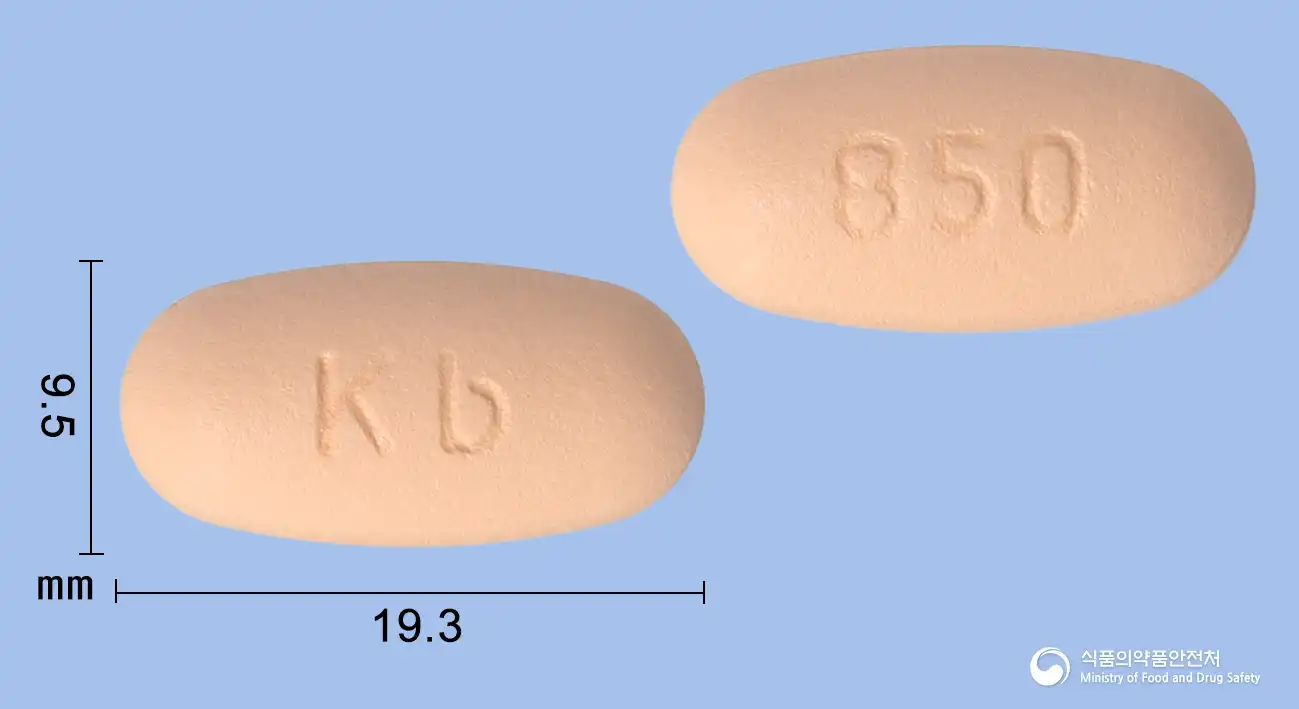 Combination
Linagliptin Besylate 3.34mg · Metformin Hydrochloride 850mg
Tablet · Prescription medication · Combination
Kyungbo Pharmaceutical Co., Ltd.
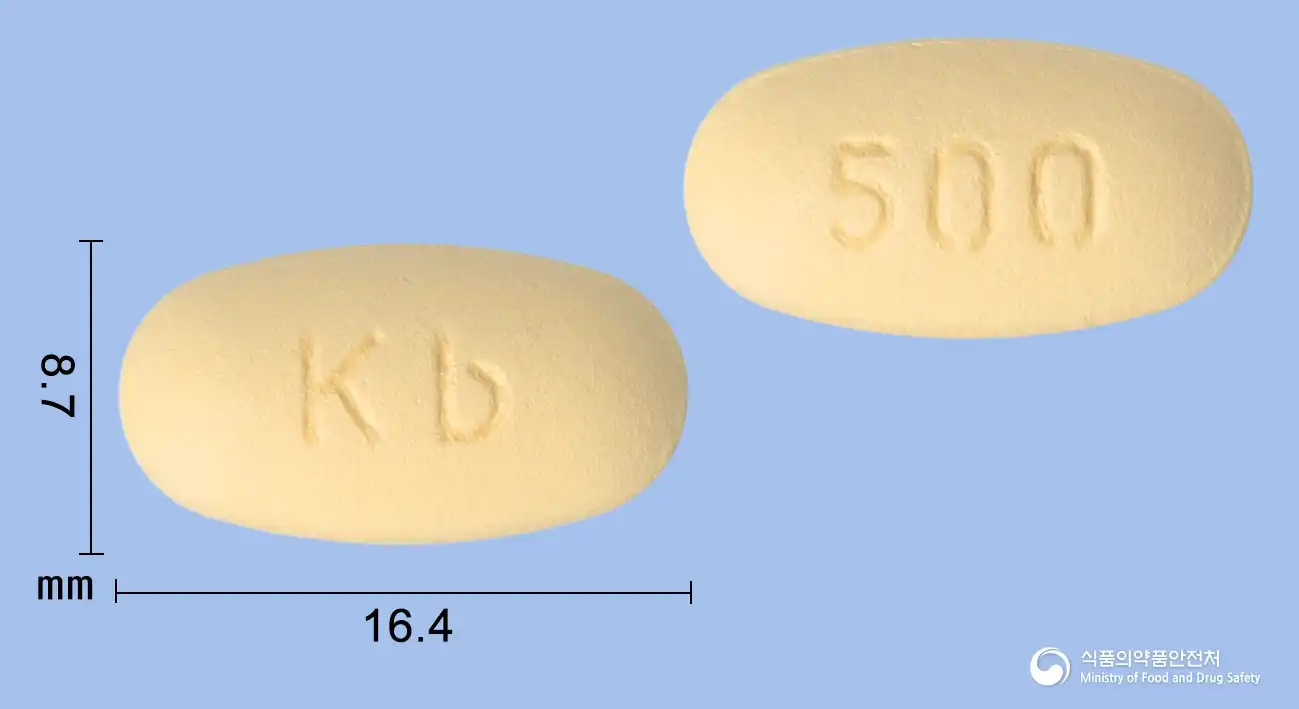 Combination
Linagliptin Besylate 3.34mg · Metformin Hydrochloride 500mg
Tablet · Prescription medication · Combination
Kyungbo Pharmaceutical Co., Ltd.
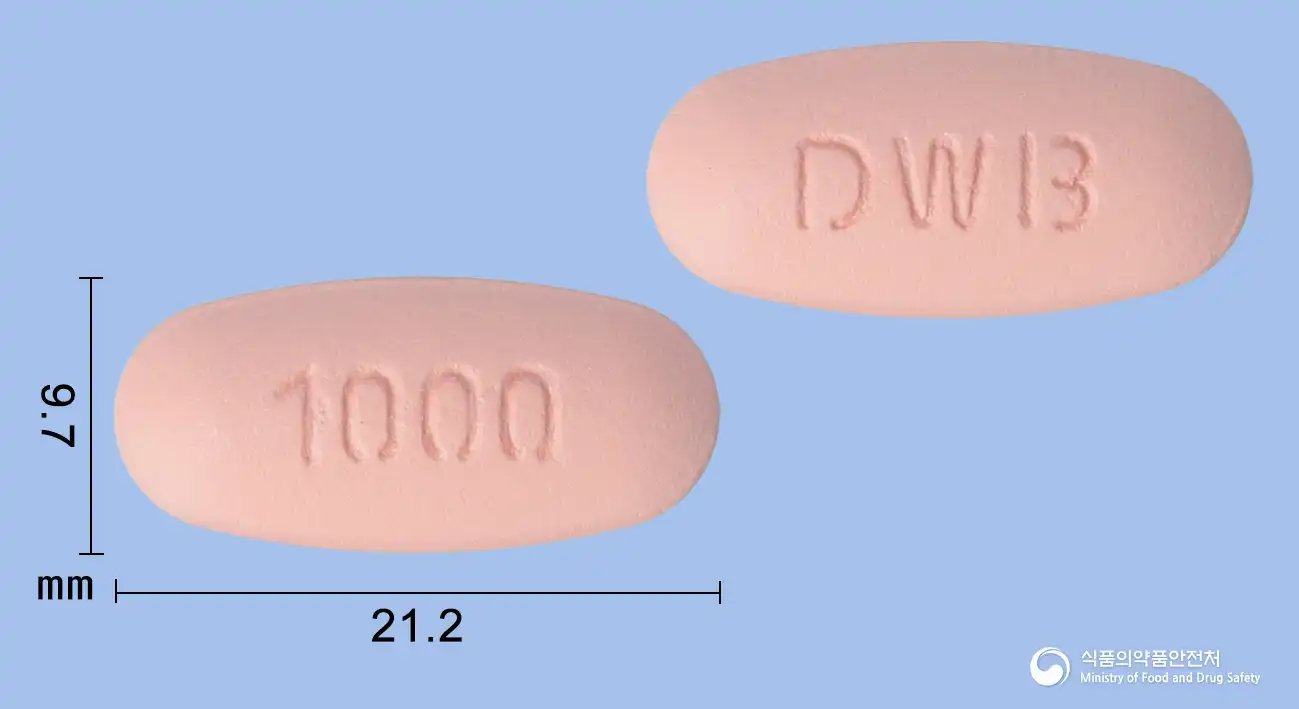 Combination
Linagliptin Besylate 3.34mg · Metformin Hydrochloride 1000mg
Tablet · Prescription medication · Combination
DaiWoong Bio Co., Ltd.
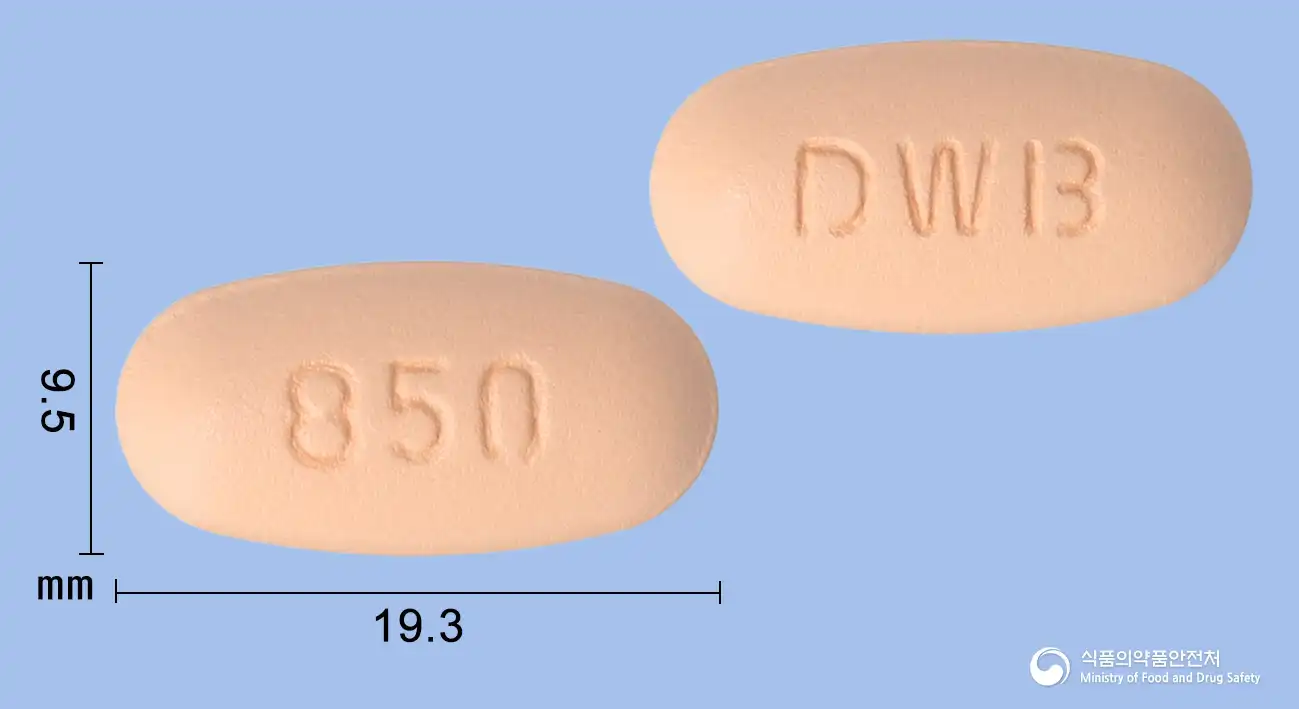 Combination
Linagliptin Besylate 3.34mg · Metformin Hydrochloride 850mg
Tablet · Prescription medication · Combination
Daewoong Bio Co., Ltd.
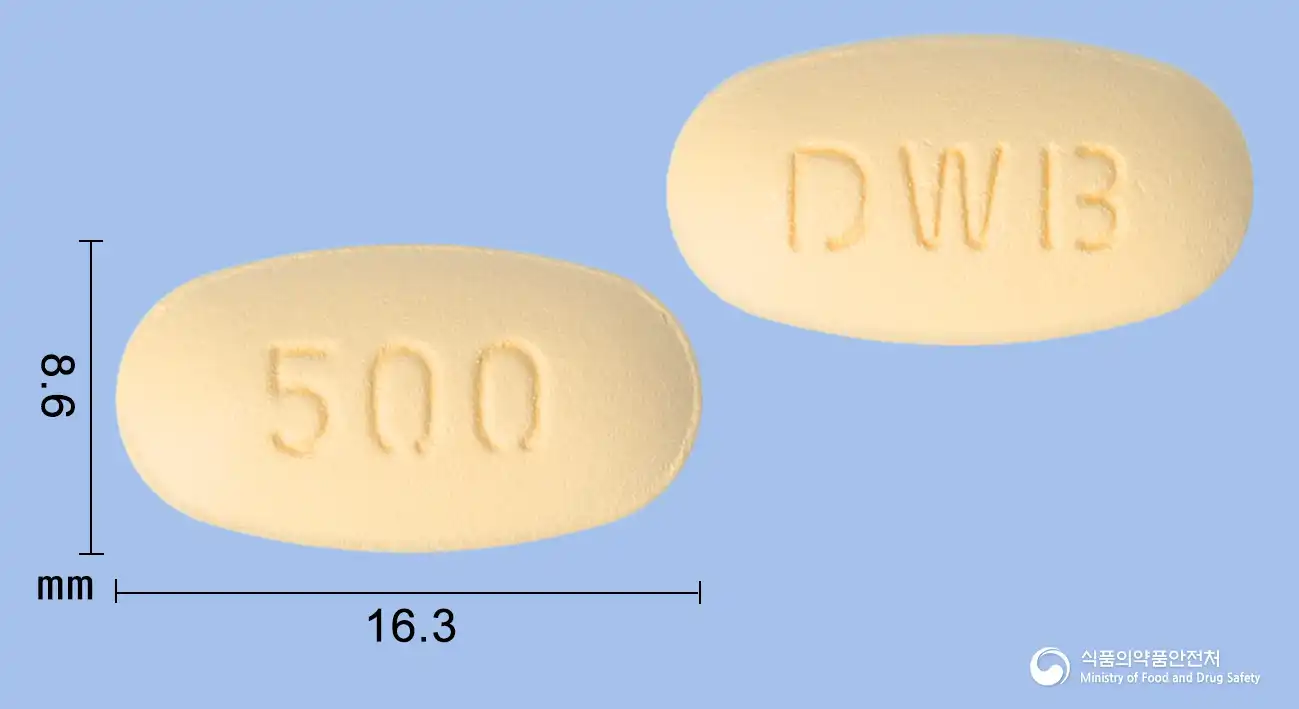 Combination
Linagliptin Besylate 3.34mg · Metformin Hydrochloride 500mg
Tablet · Prescription medication · Combination
Daewoong Bio Co., Ltd.
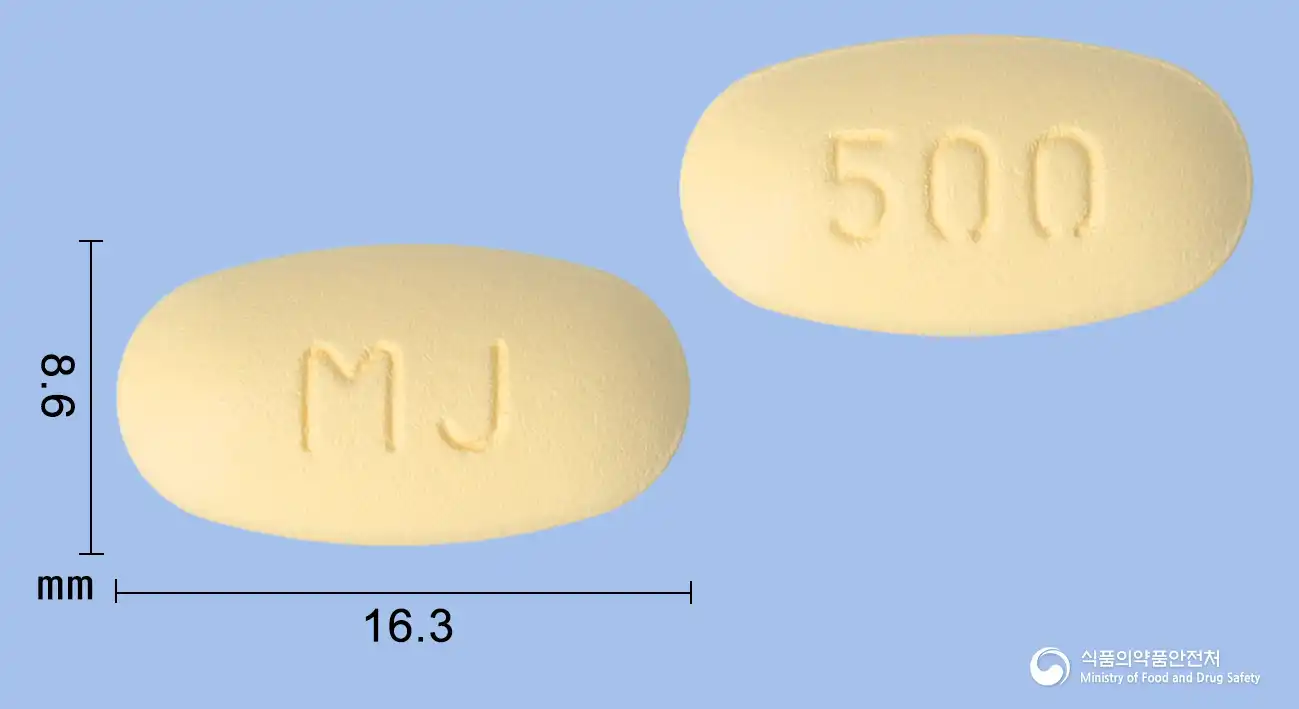 Combination
Linagliptin Besylate 3.34mg · Metformin Hydrochloride 500mg
Tablet · Prescription medication · Combination
Mothers Pharmaceutical Co., Ltd.
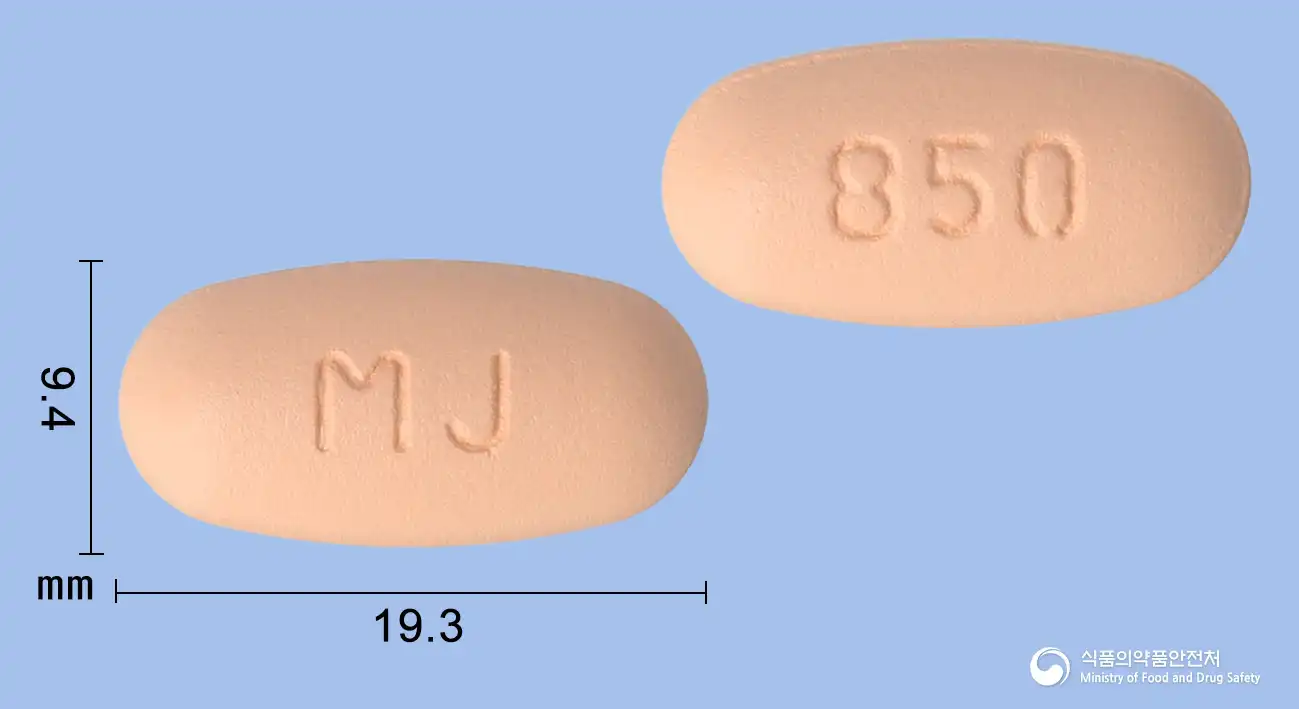 Combination
Linagliptin Besylate 3.34mg · Metformin Hydrochloride 850mg
Tablet · Prescription medication · Combination
Mothers Pharmaceutical Co., Ltd.
Even with the same ingredient, the dose and directions can differ by strength and dosage form. Talk to a doctor or pharmacist before switching from a medication you are already taking.
No questions yet.
For anything that needs medical judgment, consult a doctor or pharmacist.
This drug information is based on data provided by the Korea Ministry of Food and Drug Safety.
Consult a doctor or pharmacist for accurate dosage, administration, and usage instructions.