Control of LDL cholesterol and treatment of dyslipidemia in high-risk adults with coronary artery disease.
Who takes it
Adults
Adult dose
Administered only to adults, it is recommended to take 2 capsules (1,000 mg of Omega-3 Acid Ethyl Ester/10 mg of Rosuvastatin per capsule) once daily with meals to avoid gastrointestinal discomfort.
Control of LDL cholesterol and treatment of dyslipidemia in high-risk adults with coronary artery disease.
Coronary artery disease
dyslipidemia
View approved original textHide original text
This medication is used for patients with high-risk coronary artery disease where Rosuvastatin monotherapy effectively controls LDL cholesterol levels, but triglyceride levels are not adequately controlled in mixed dyslipidemia. In other words, it is primarily effective in lowering LDL cholesterol and helps prevent cardiovascular diseases in high-risk patients. Therefore, this drug plays an important role in the treatment of mixed dyslipidemia and improves cardiovascular health.
How to take
Adult dose
Administered only to adults, it is recommended to take 2 capsules (1,000 mg of Omega-3 Acid Ethyl Ester/10 mg of Rosuvastatin per capsule) once daily with meals to avoid gastrointestinal discomfort.
Precautions
This medication should not be used in certain patients. For example, patients who are allergic to any of the ingredients in this medication, patients with severe liver dysfunction, patients with muscular disorders or those who have experienced muscle pain, patients with significantly reduced kidney function, pregnant or breastfeeding women, and children under 18 years of age should not take this medication.
Additionally, liver function tests and muscle-related tests should be performed regularly before taking this medication, and those with liver diseases or hypothyroidism should treat those conditions prior to this medication. Any symptoms of muscle pain, weakness, or unusual reactions during treatment should be reported to a doctor immediately.
Caution should be exercised when this medication is used by patients who excessively consume alcohol or have impaired kidney function, and regular kidney function tests are important, especially when taking high doses. Also, Asian patients may require dose adjustment due to potentially higher drug concentrations.
This medication may interact with other drugs, so it is essential to inform the doctor or pharmacist of any other medications being taken, particularly when co-administering anticoagulants, certain antibiotics, antifungal agents, or immunosuppressants.
Women who are pregnant or planning to become pregnant should consult their doctor before using this medication and should use appropriate contraceptive methods. Breastfeeding women should also avoid taking this medication.
While taking this medication, abnormal reactions such as liver function abnormalities, muscle pain, and skin rashes may occur, and any unusual symptoms should be discussed with healthcare personnel, with the possibility of discontinuing medication if symptoms are severe.
This medication contains lactose, so caution is advised for patients with lactose intolerance, and special care is needed for children and the elderly as safety and efficacy have not been sufficiently established.
Lastly, lifestyle modifications such as diet and exercise should be adopted alongside this medication, and regular blood tests and health checks should be conducted to ensure safe treatment.
Side effects and when to seek care immediately
Serious side effects
Hives, severe swelling (edema), chest tightness, difficulty breathing, cold sweat, pallor, severe rash with high fever, blisters, skin peeling, pain in mucous membranes of the mouth/eyes, shortness of breath or difficulty breathing, asthma attacks, respiratory distress accompanied by cough and fever, jaundice (yellowing of the skin or eyes), extreme lethargy, sudden and severe headaches, thunderclap headache, seizures, confusion, vision abnormalities, paralysis, urination
Mild side effects
Headache
dizziness
constipation
nausea
abdominal pain
gastritis
erythema
myalgia
arthralgia
increased tear secretion
Show 23 moreCollapse
presbyopia
elevated ALT
elevated AST
increased γ-GT
increased blood alkaline phosphatase
increased blood potassium
hypokalemia
gallbladder stones
itching
rash
weakness
fatigue
numbness
sensory abnormalities
nausea
diarrhea
loss of appetite
abdominal bloating
syncope
generalized pain
muscle cramps
gout
erectile dysfunction
Not everyone experiences these, and they can vary from person to person.
Storage
Store this medication in a tightly sealed container to prevent air and moisture from entering, and it is advisable to keep it at room temperature between 1 degree and 30 degrees Celsius. Proper storage helps maintain the medication’s effectiveness and safety.
Appearance and packaging
Appearance
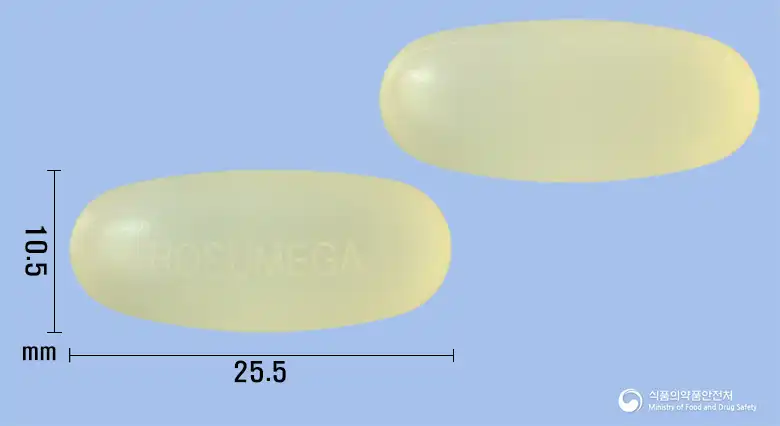
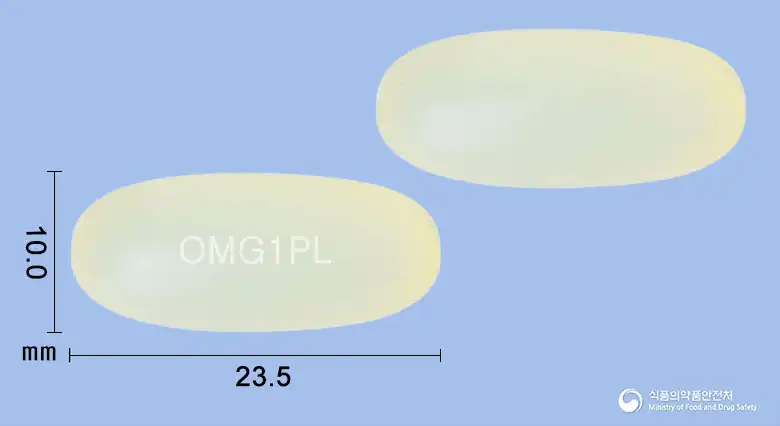
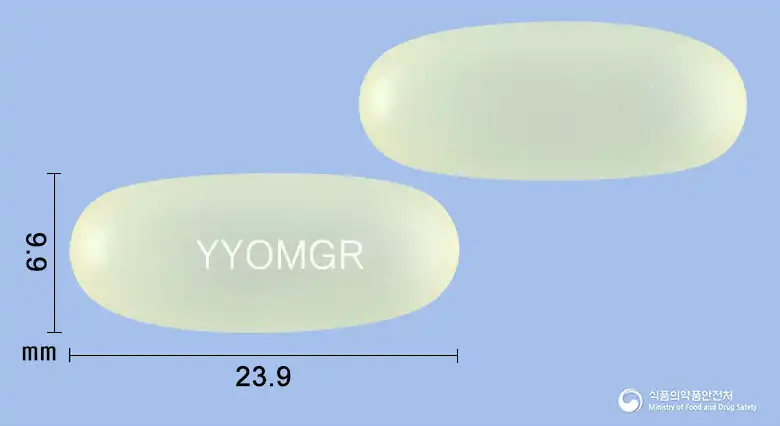
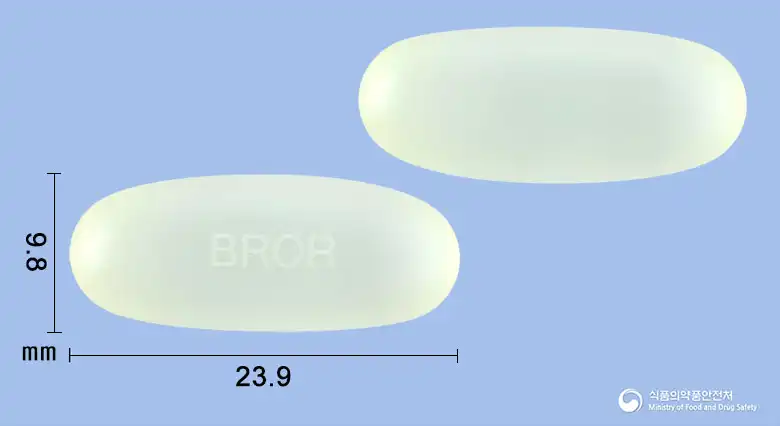
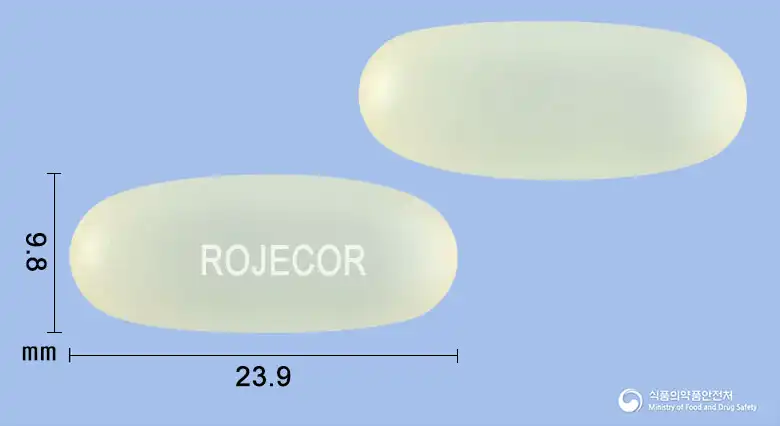
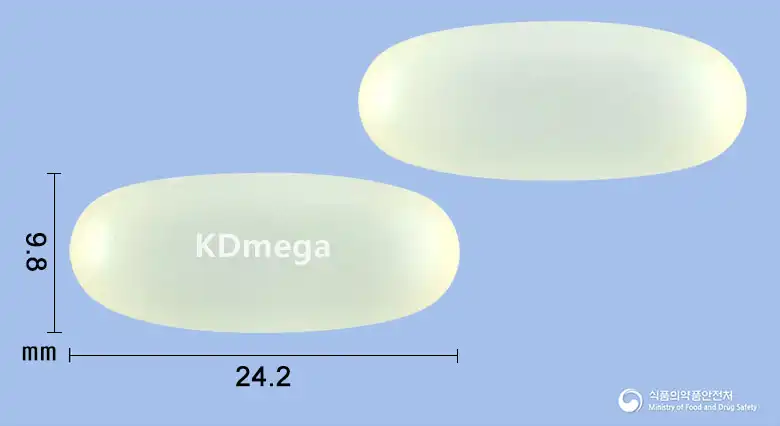
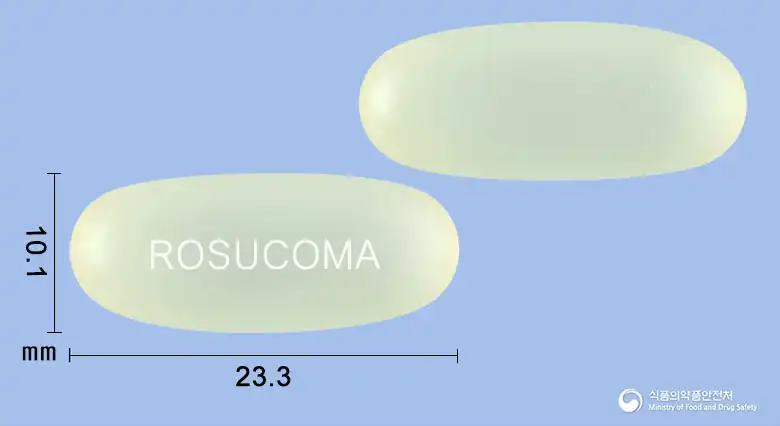
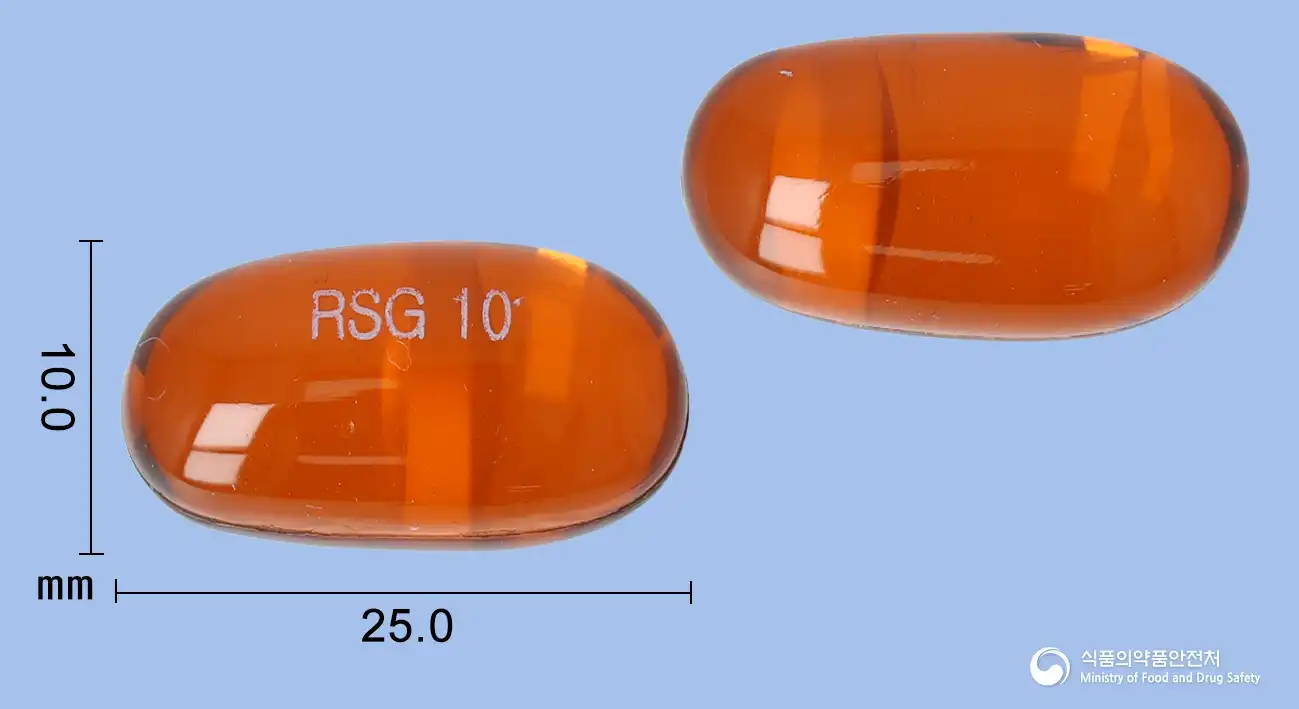
A brown oblong soft capsule filled with a pale yellow oily substance and yellow round film-coated tablets.
Package unit
Box - 30 capsules/box [10 capsules/PTP * 3EA]
Same-ingredient medicines
Even with the same ingredient, strength, dosage form and how it is taken can differ.
Even with the same ingredient, the dose and directions can differ by strength and dosage form. Talk to a doctor or pharmacist before switching from a medication you are already taking.
Questions about this medicine
No questions yet.
For anything that needs medical judgment, consult a doctor or pharmacist.
This drug information is based on data provided by the Korea Ministry of Food and Drug Safety. Consult a doctor or pharmacist for accurate dosage, administration, and usage instructions.

 한국어
한국어 English
 日本語
日本語 中文(简体)
 Viewing nowCombination