
 한국어
 English
 日本語
 中文(简体)
 Viewing now
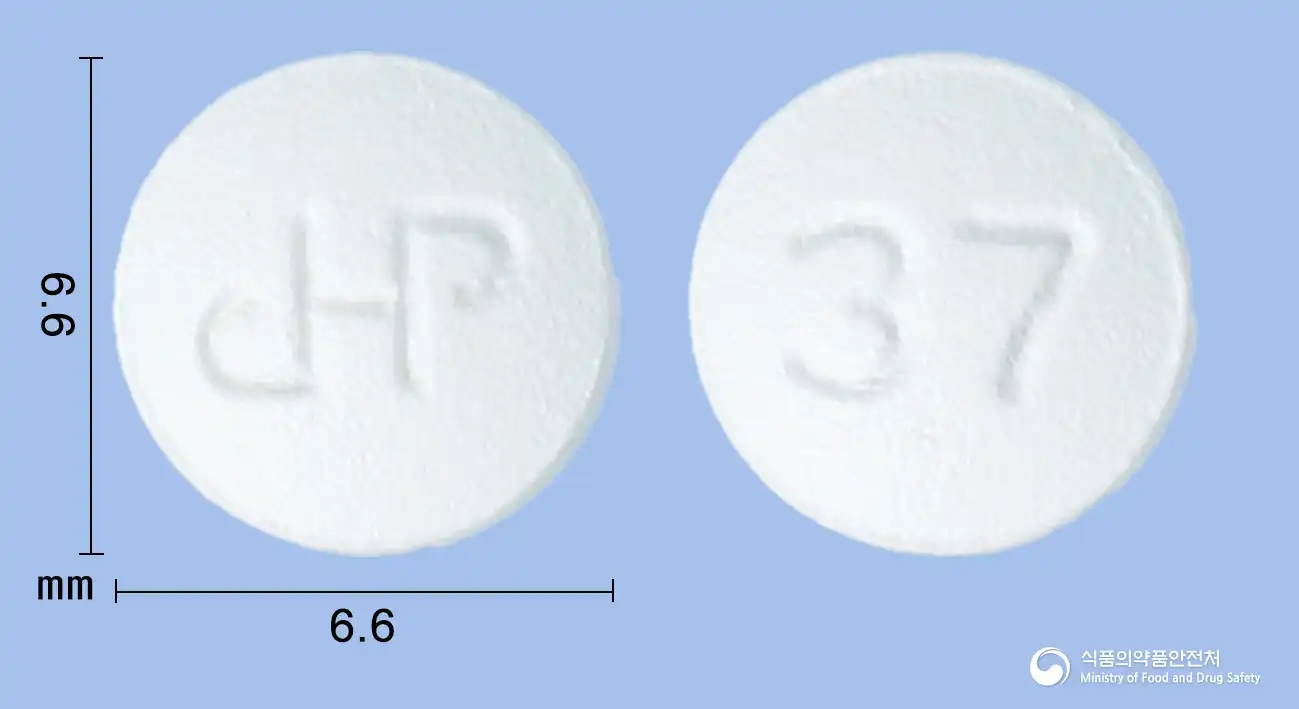
Gastric Sustained-release Tablets 37.5 mg (Roxatidine Acetate Hydrochloride)
Roxatidine Acetate Hydrochloride 37.5mg
Tablet · Prescription medication
Dae Hwa Pharmaceutical Co., Ltd.
MFDS item code 202400970 · Approved 2024.04.25
Treatment of acid-related disorders (e.g., ulcers), improvement of gastric mucosal lesions, prevention of acid aspiration before anesthesia
This medication is mainly used for the treatment of gastric and duodenal ulcers, gastroesophageal reflux disease, and Zollinger-Ellison syndrome. It is also administered before anesthesia in patients at risk of gastric acid aspiration, especially in parturient women, to ensure safety. It is effective in improving gastric mucosal lesions (erosions, bleeding, erythema, edema) that occur during acute exacerbation of acute and chronic gastritis. In summary, this medication is used for treating various ulcerative and inflammatory diseases of the digestive system and managing risks associated with gastric acid.
Adults 1) Gastric and duodenal ulcers, reflux esophagitis, Zollinger-Ellison syndrome: Administer 75 mg of roxatidine acetate hydrochloride orally twice daily, after breakfast and dinner. For gastric and duodenal ulcers, 150 mg may also be administered once daily in the evening. Gastric and duodenal ulcers are generally treated within 4 weeks, but symptoms resolve within several days. If the ulcer has not healed 4 weeks after starting treatment, continue the same dose for an additional 2 weeks. For patients with impaired renal function and a creatinine clearance of approximately 20-50ml/min, administer 75 mg once daily in the evening. For patients with a creatinine clearance of less than 20ml/min, administer 75 mg every 2 days in the evening. 2) Acute gastritis and acute exacerbation of chronic gastritis: Administer 75 mg once daily after dinner or at bedtime. 3) Preanesthetic administration: Administer 75 mg twice (at bedtime on the day before surgery and 2 hours before induction of anesthesia on the day of surgery). Adjust the dose as appropriate according to age and symptoms. As this medicine is an extended-release formulation, it must not be broken, crushed, or chewed. Swallow the tablet whole.
This medication should not be used in individuals with allergic reactions to this drug or its components. Additionally, this medication contains lactose, so it should not be administered to patients with genetic issues such as galactose intolerance, lactase deficiency, or glucose-galactose malabsorption. Patients with liver or kidney dysfunction should use this medication with special caution, and in cases of impaired kidney function, the dosage should be reduced or the dosing interval increased. Elderly patients may also have impaired kidney function, so dosage adjustments are necessary when using this medication. Patients with a history of hypersensitivity to medications should also exercise caution. During treatment with this medication, symptoms of shock or allergic reactions such as skin rash or itching may occur, in which case the drug should be discontinued immediately and medical attention sought. Blood tests may show abnormalities such as thrombocytopenia or anemia, so regular monitoring is advised, and if abnormalities are found, the medication should be discontinued. Liver function abnormalities may appear, so liver function tests should also be conducted periodically, and if symptoms of liver dysfunction occur, discontinue immediately. Gastrointestinal symptoms such as constipation, diarrhea, nausea, and abdominal distension may occur, so patients should monitor their condition closely. Neuropsychiatric symptoms such as confusion, hallucinations, drowsiness, dizziness, and headache may rarely occur, so caution is advised. Severe reactions on the skin such as Stevens-Johnson syndrome or toxic epidermal necrolysis should lead to immediate discontinuation and treatment. Muscle-related issues such as rhabdomyolysis may occur; therefore, if symptoms of muscle pain or changes in urine color arise, consult a doctor immediately. This medication may interact with other drugs, so particularly inform the doctor if taking ketoconazole or midazolam. Women who are pregnant or may become pregnant should carefully consider the risks and benefits of using this medication, and nursing mothers should avoid breastfeeding while on this medication as it may pass into breast milk. It is recommended not to use this medication in children under 14 years of age as safety has not been established. This medication should be kept out of reach of children and should not be transferred to other containers.
Shock
Not everyone experiences these, and they can vary from person to person.
This medication should be stored in a tightly sealed container to prevent exposure to air or moisture. Additionally, it is important to maintain a storage temperature between 1 and 30 degrees Celsius to ensure the effectiveness of the medication over time.
White round sustained-release film-coated tablet
30 tablets/bottle, 250 tablets/bottle
Even with the same ingredient, strength, dosage form and how it is taken can differ.
Viewing nowRoxatidine Acetate Hydrochloride 37.5mg
Tablet · Prescription medication
Dae Hwa Pharmaceutical Co., Ltd.
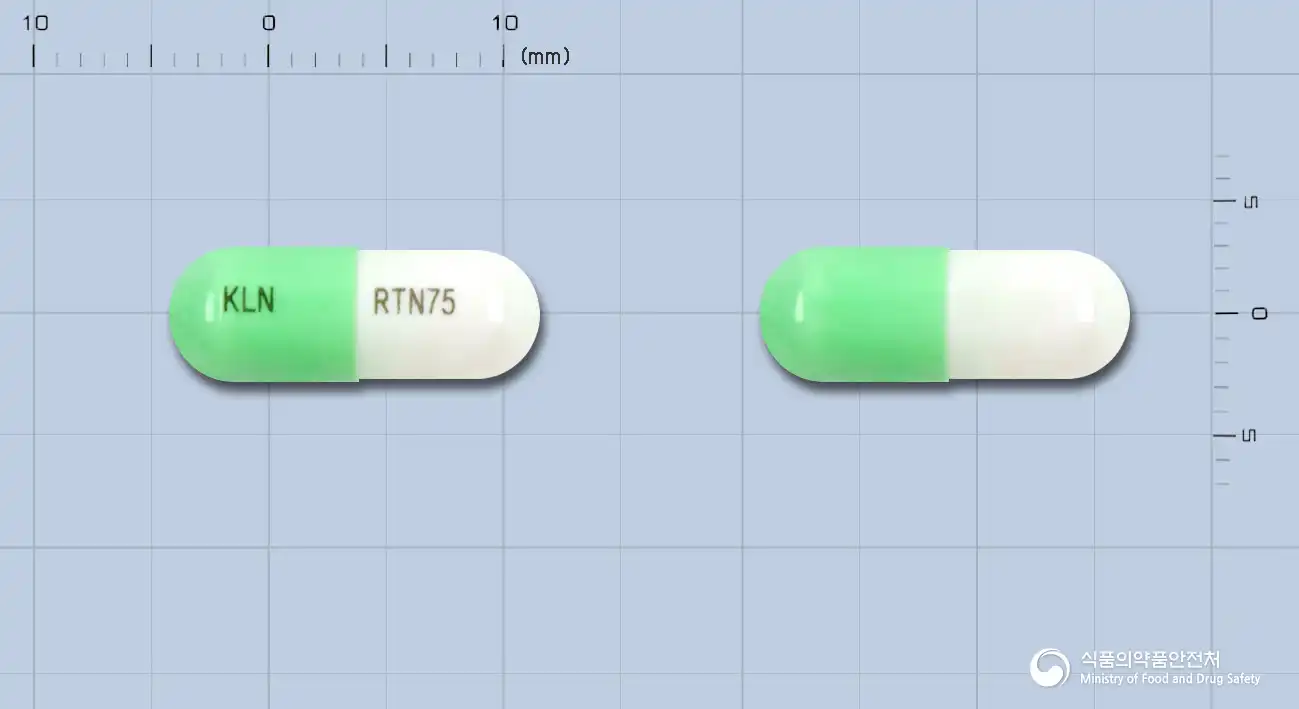
Roxatidine Acetate Hydrochloride 75mg
Hard capsule · Prescription medication
Kolon Pharmaceutical Co., Ltd.
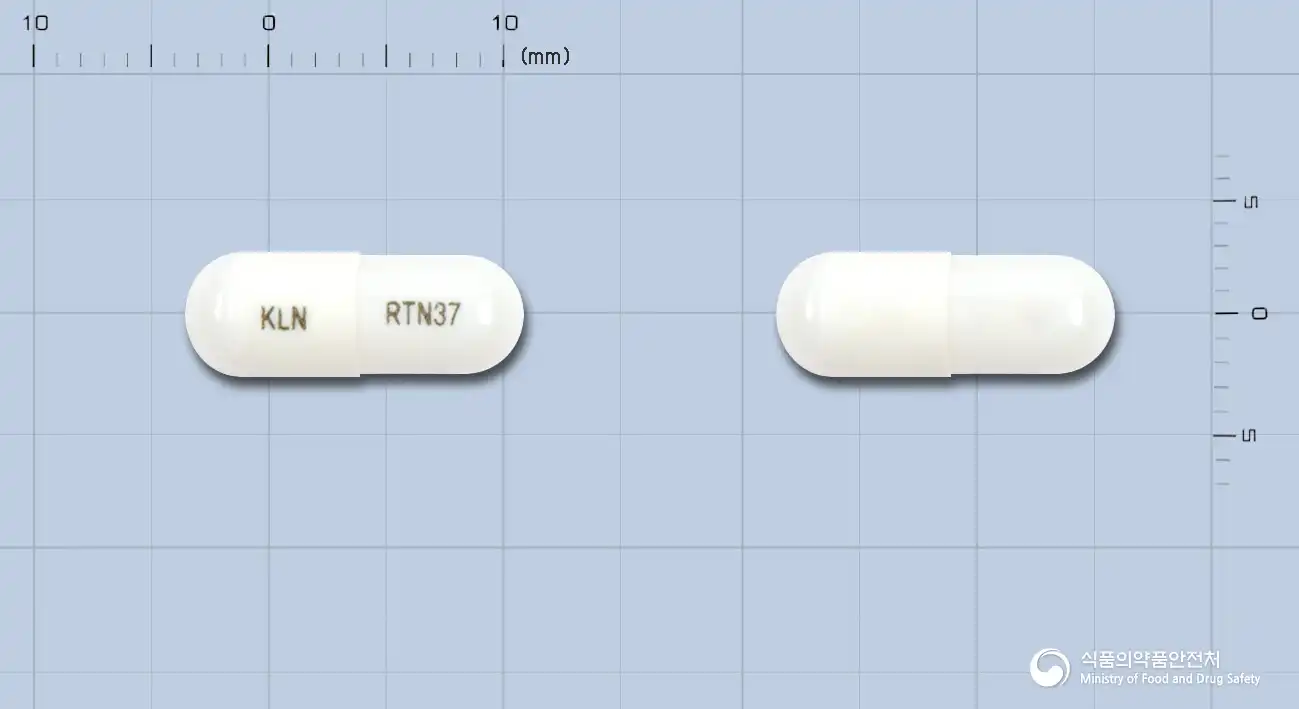
Roxatidine Acetate Hydrochloride 37.5mg
Hard capsule · Prescription medication
Kolon Pharmaceutical Co., Ltd.
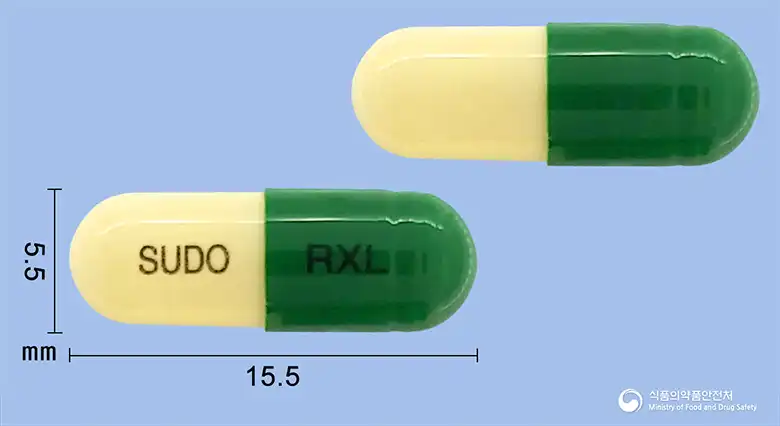
Roxatidine Acetate Hydrochloride 75mg
Hard capsule · Prescription medication
Palmgen Science Co., Ltd.
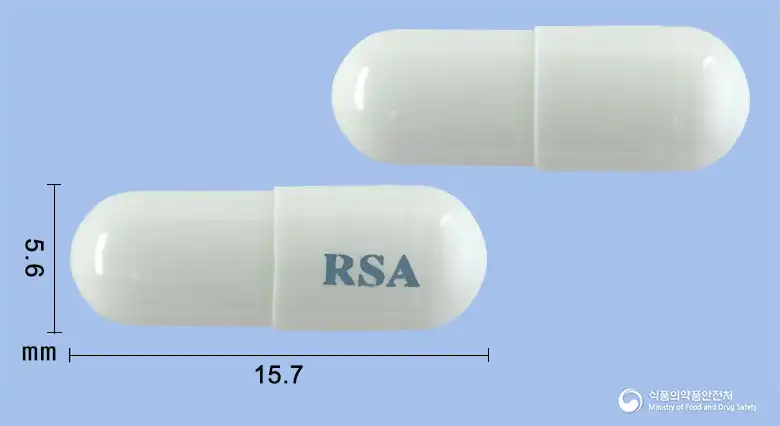
Roxatidine Acetate Hydrochloride 75mg
Hard capsule · Prescription medication
Dae Hwa Pharmaceutical Co., Ltd.
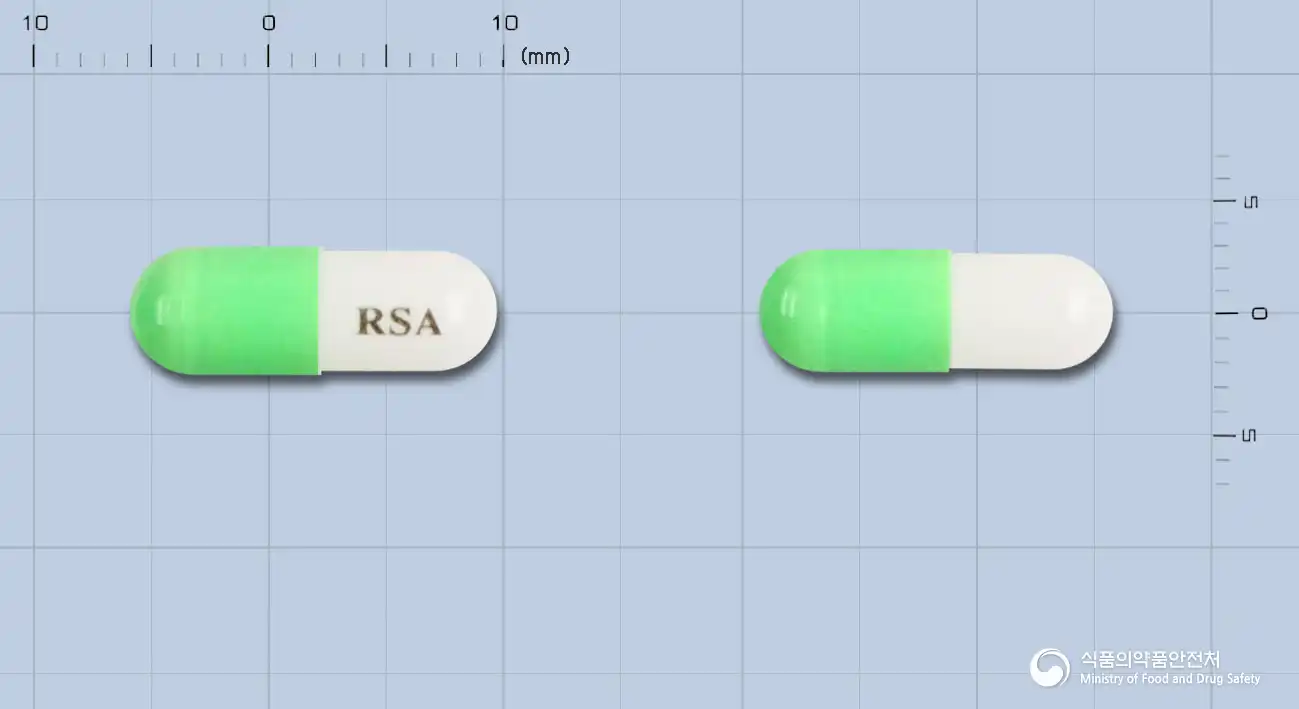
Roxatidine Acetate Hydrochloride 37.5mg
Hard capsule · Prescription medication
Dae Hwa Pharmaceutical Co., Ltd.
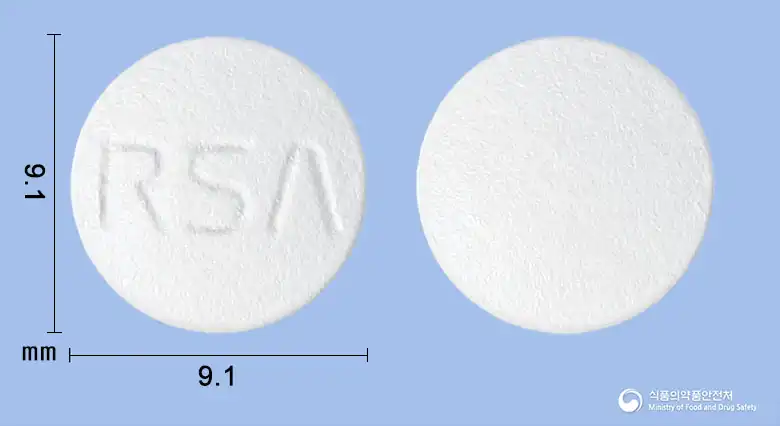
Roxatidine Acetate Hydrochloride 75mg
Tablet · Prescription medication
Dae Hwa Pharmaceutical Co., Ltd.
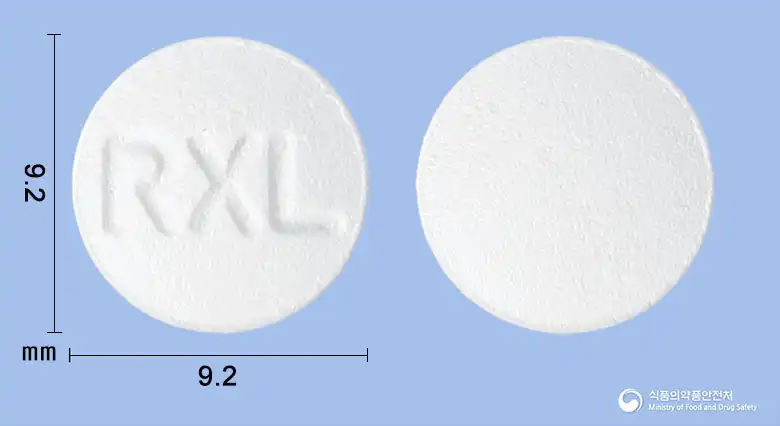
Roxatidine Acetate Hydrochloride 75mg
Tablet · Prescription medication
Palmgen Science Co., Ltd.
Even with the same ingredient, the dose and directions can differ by strength and dosage form. Talk to a doctor or pharmacist before switching from a medication you are already taking.
No questions yet.
For anything that needs medical judgment, consult a doctor or pharmacist.
This drug information is based on data provided by the Korea Ministry of Food and Drug Safety.
Consult a doctor or pharmacist for accurate dosage, administration, and usage instructions.