
 한국어
한국어 English
 日本語
日本語 中文(简体)
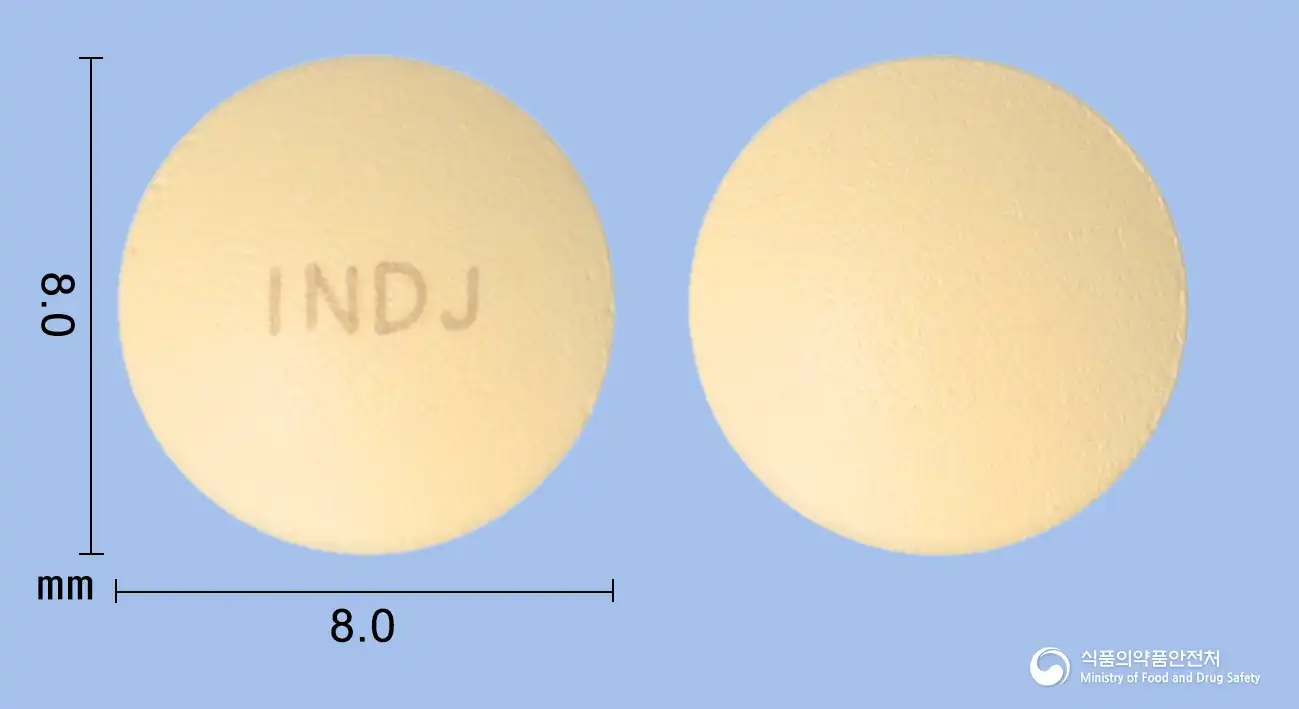 Viewing nowCombination
Dapaenzenta Tablet 10/5 mg (Dapagliflozin, Linagliptin)
Dapagliflozin Propanediol Hydrate 12.3mg · Linagliptin Micronized 5mg
Tablet · Prescription medication · Combination
HK inno.N Co., Ltd.
MFDS item code 202400937 · Approved 2024.04.22
Improvement in blood sugar control in type 2 diabetes
This medication helps control blood sugar in patients with type 2 diabetes by using dapagliflozin and linagliptin together. It aids in effectively managing blood sugar levels along with dietary and exercise therapies. This contributes to improved blood sugar control and diabetes treatment.
This medication may be administered as one tablet once daily to patients taking 10 mg of dapagliflozin and 5 mg of linagliptin, regardless of meals.
It is very important to avoid this medication in certain patients. For instance, it should not be administered to patients who have had allergic reactions to the main ingredients or excipients, type 1 diabetes patients, patients on dialysis, and patients with a history of myocardial infarction. This medication should be used cautiously in patients with reduced fluid volume or impaired kidney function. Since it can lower blood pressure or affect kidney function, the patient's fluid status and kidney function should be thoroughly evaluated before administration, and symptoms of hypotension or signs of kidney abnormalities should be closely monitored after administration. Moreover, patients taking medications that can induce hypoglycemia, such as insulin or sulfonylureas, may have an increased risk of hypoglycemia, so insulin dosage adjustments may be necessary when using this medication concurrently. Experience with this drug in heart failure patients, especially those with severe heart failure, is limited, so caution is advised. Skin abnormalities like acute pancreatitis or blistering diseases may occur, so if persistent abdominal pain or skin abnormalities arise during use, consult a doctor immediately. This medication may increase the risk of genital infections and urinary tract infections, so prompt treatment is necessary if symptoms of infection appear. Elderly patients are at higher risk for kidney function impairment and decreased fluid volume, thus requiring greater caution during administration. It is recommended that pregnant or breastfeeding women do not use this medication. Finally, during treatment with this medication, symptoms such as weight loss, hypoglycemia, dizziness, palpitations, and increased urination may occur, thus any such symptoms should be discussed with a doctor.
Hives, angioedema, cold sweat, edema, hypoglycemia, diabetic ketoacidosis, acute pancreatitis, bullous pemphigoid, rash, anaphylactic reaction, severe allergic reactions, serious skin reactions, difficulty breathing or shortness of breath, respiratory problems, yellowing of the skin or eyes (jaundice), sudden and severe headache, thunderclap headache, seizures, altered consciousness, visual disturbances, paralysis, significantly reduced urine output.
Not everyone experiences these, and they can vary from person to person.
This medication should be stored in a tightly closed container to protect it from air or moisture. It is best kept at room temperature between 1 degree and 30 degrees.
Yellow round film-coated tablet
28 tablets/box [(7 tablets/PTP × 4)], 30 tablets/bottle
Even with the same ingredient, strength, dosage form and how it is taken can differ.
Viewing nowCombinationDapagliflozin Propanediol Hydrate 12.3mg · Linagliptin Micronized 5mg
Tablet · Prescription medication · Combination
HK inno.N Co., Ltd.
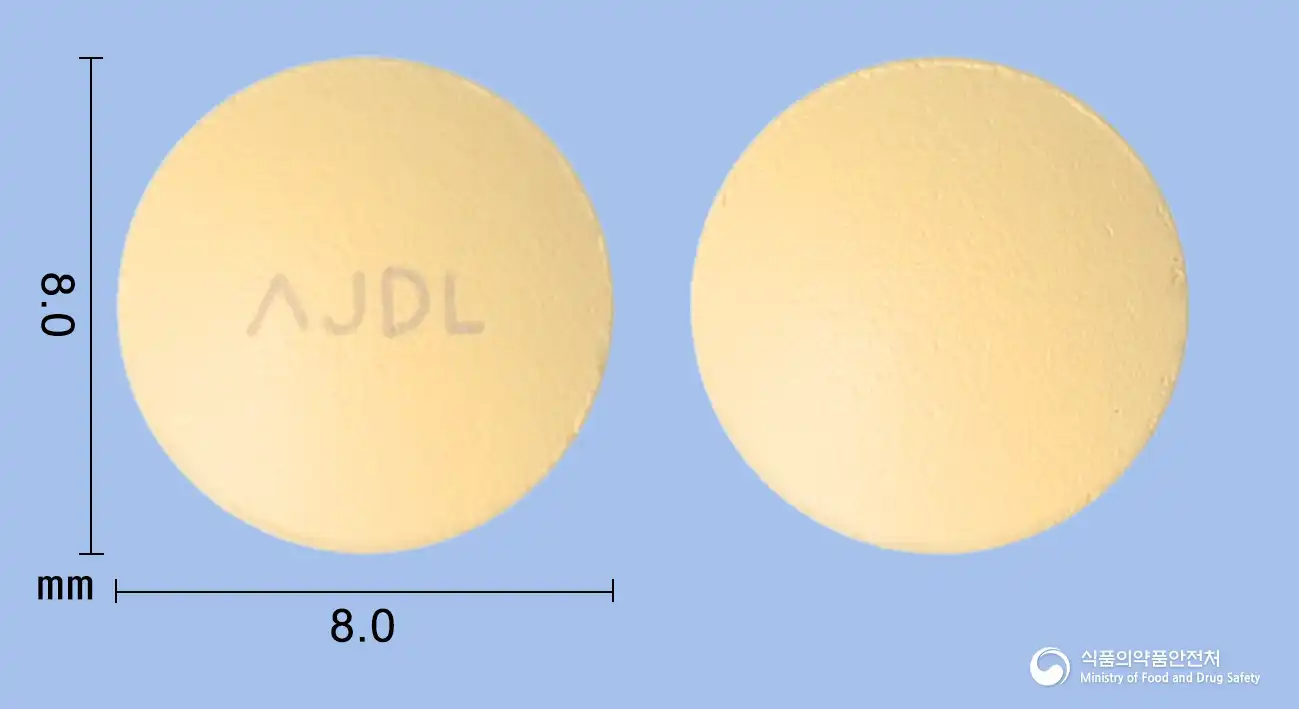 Combination
Dapagliflozin Propanediol Hydrate 12.3mg · Linagliptin Micronized 5mg
Tablet · Prescription medication · Combination
Aju Pharmaceutical Co., Ltd.
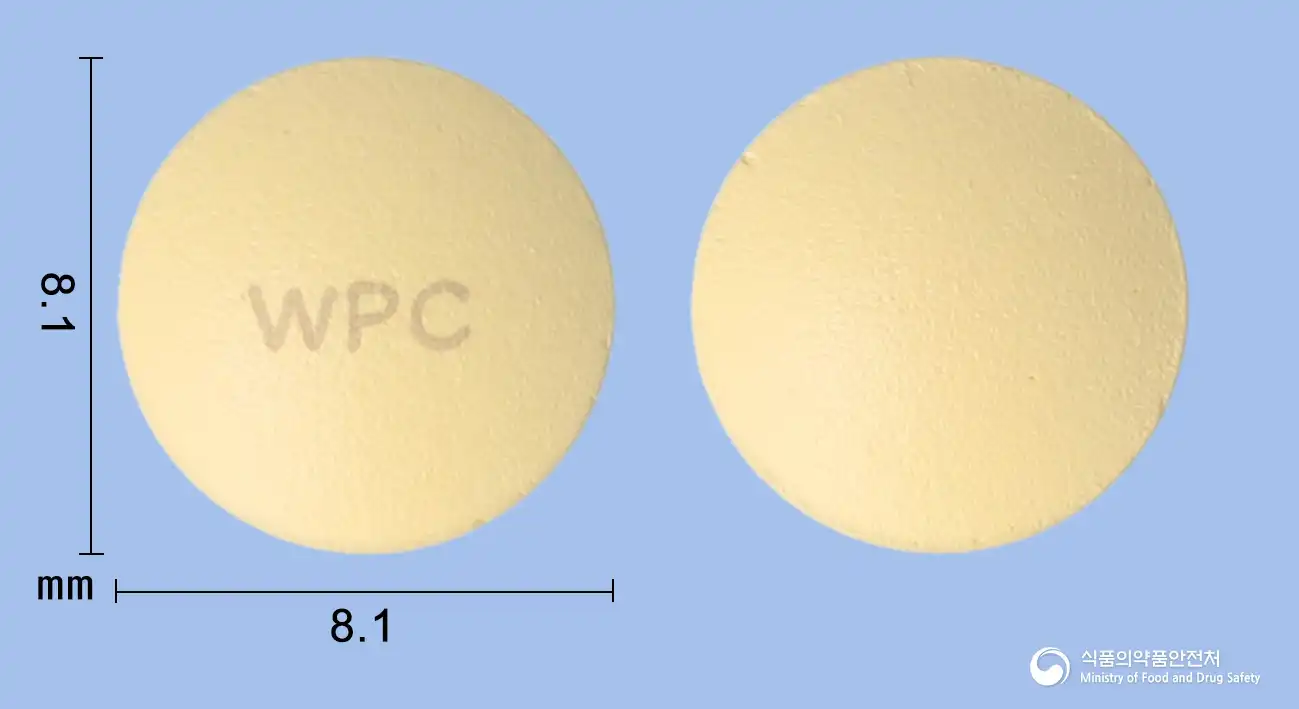 Combination
Dapagliflozin Propanediol Hydrate 12.3mg · Linagliptin Micronized 5mg
Tablet · Prescription medication · Combination
HanIn Pharmaceutical Co., Ltd.
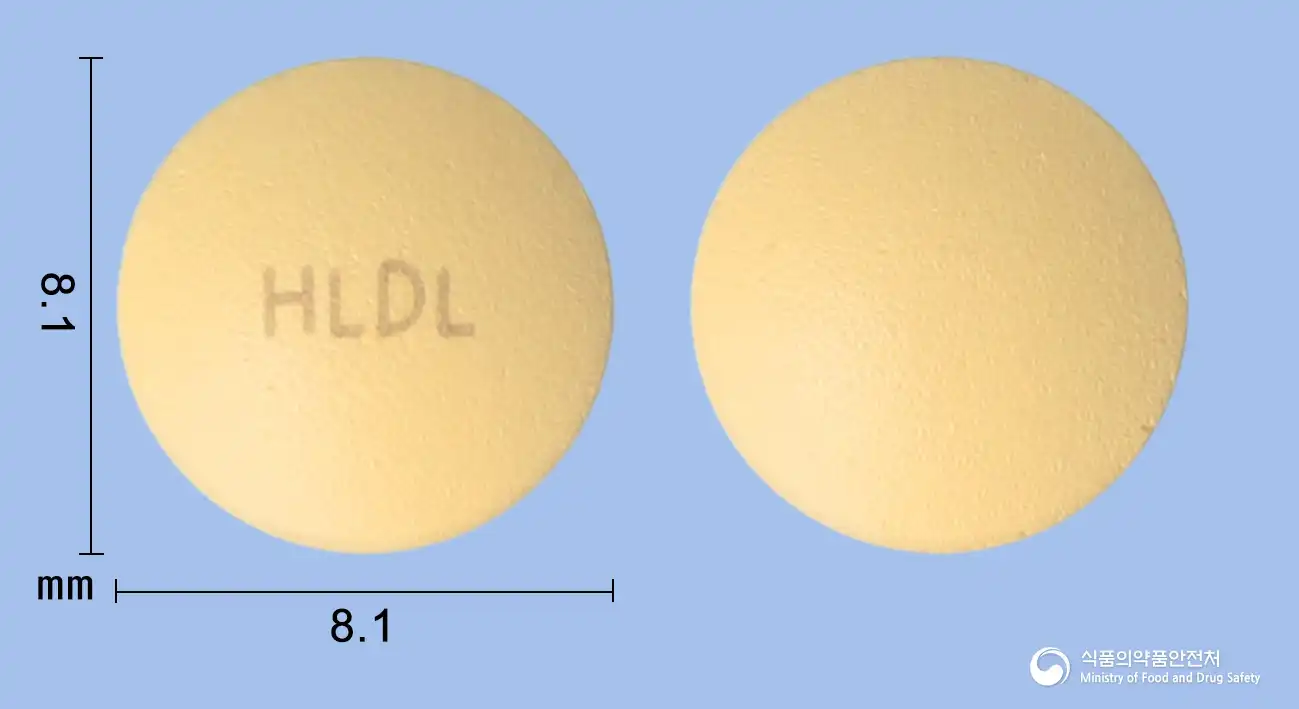 Combination
Dapagliflozin Propanediol Hydrate 12.3mg · Linagliptin Micronized 5mg
Tablet · Prescription medication · Combination
Hanmilm Pharmaceutical Co., Ltd.
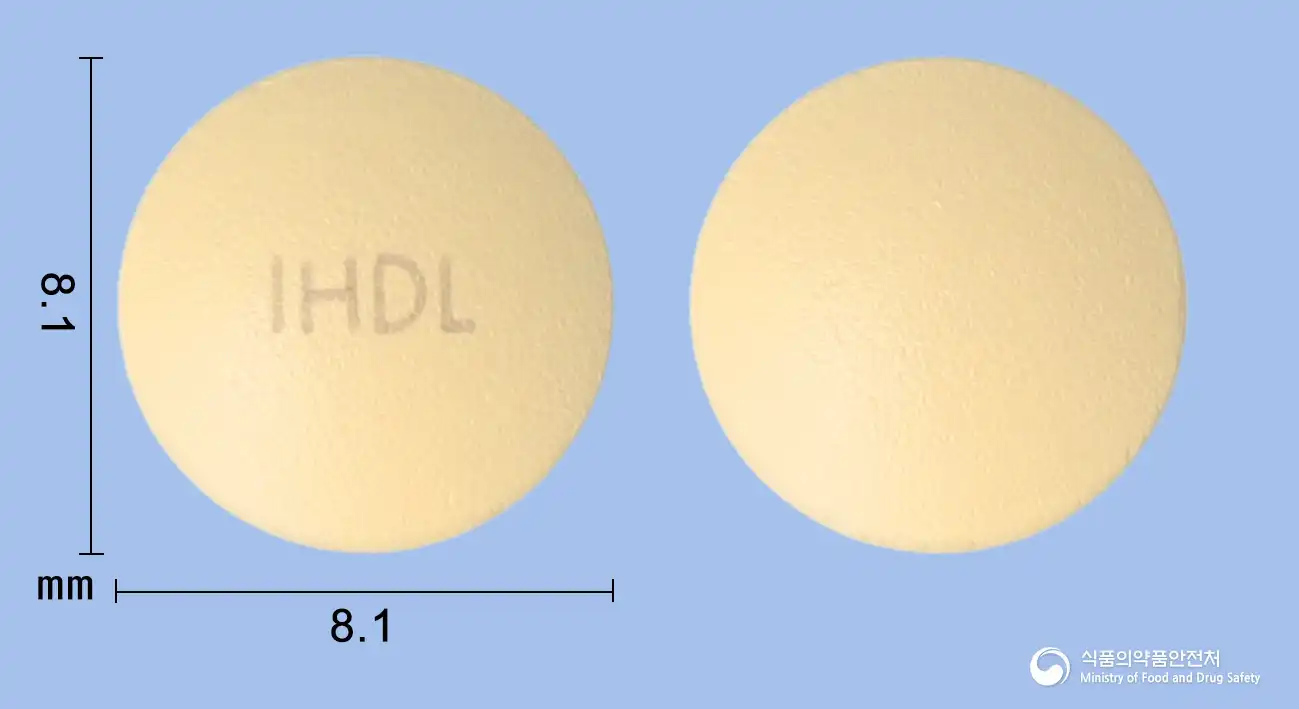 Combination
Dapagliflozin Propanediol Hydrate 12.3mg · Linagliptin Micronized 5mg
Tablet · Prescription medication · Combination
Ilhwa Co., Ltd.
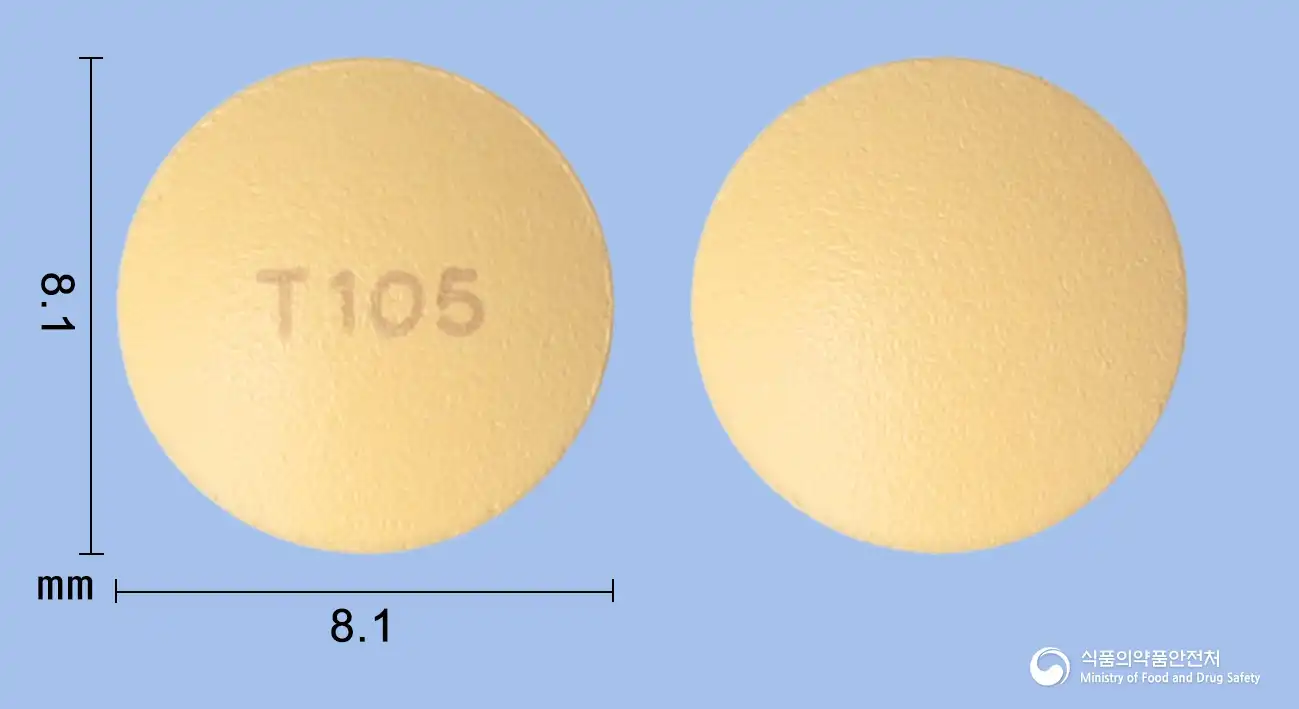 Combination
Dapagliflozin Propanediol Hydrate 12.3mg · Linagliptin Micronized 5mg
Tablet · Prescription medication · Combination
Hankook Hyutechs Pharmaceutical Co., Ltd.
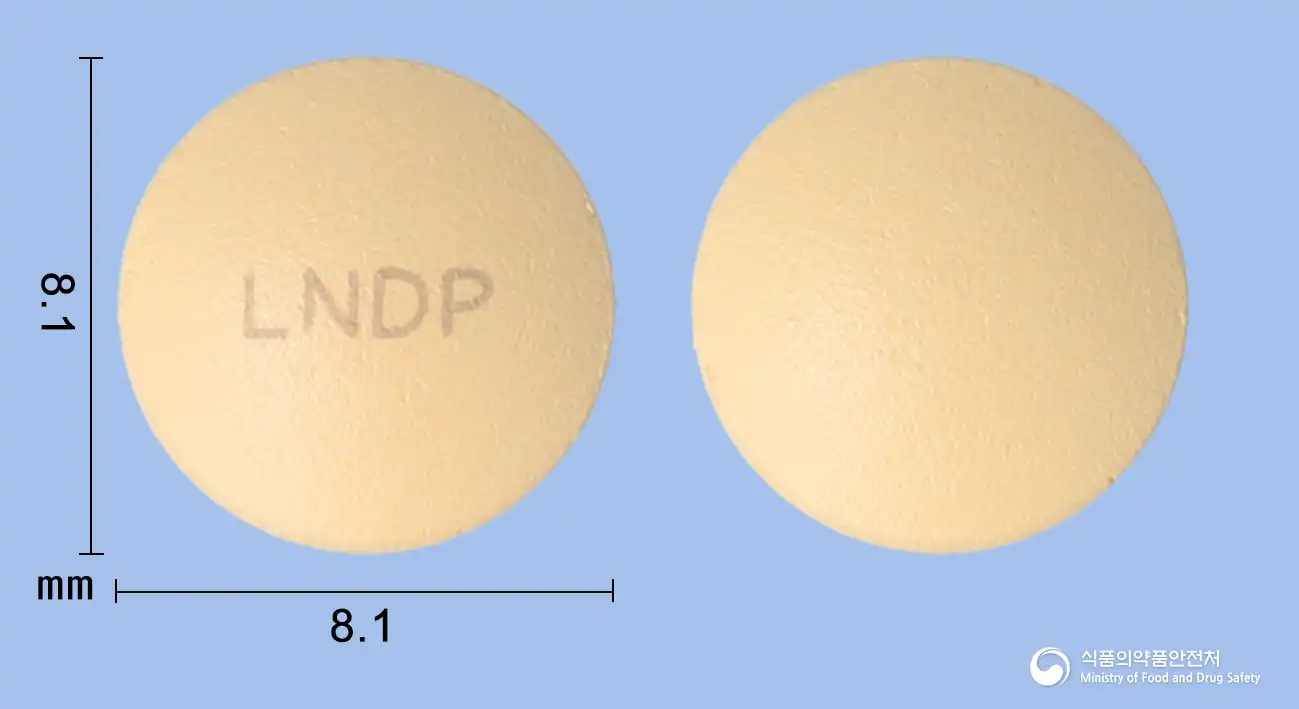 Combination
Dapagliflozin Propanediol Hydrate 12.3mg · Linagliptin Micronized 5mg
Tablet · Prescription medication · Combination
Green Cross Corp.
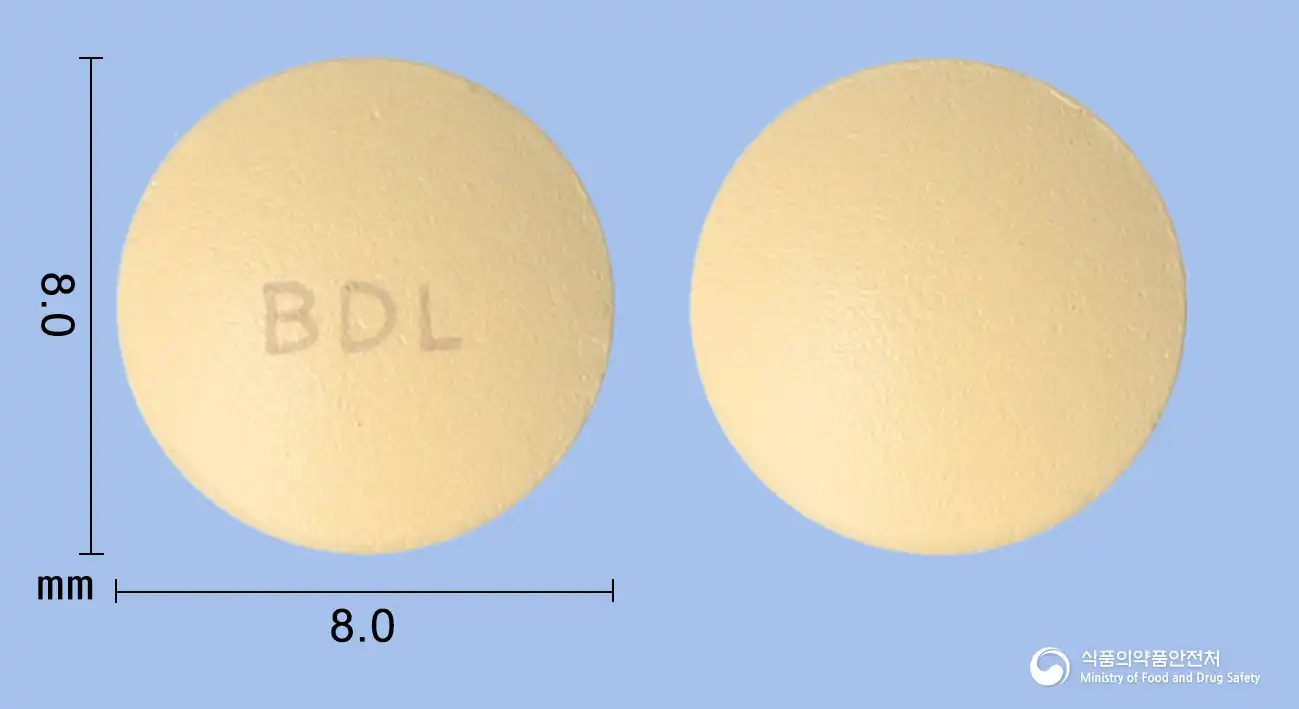 Combination
Dapagliflozin Propanediol Hydrate 12.3mg · Linagliptin Micronized 5mg
Tablet · Prescription medication · Combination
Boryung Co., Ltd.
Even with the same ingredient, the dose and directions can differ by strength and dosage form. Talk to a doctor or pharmacist before switching from a medication you are already taking.
No questions yet.
For anything that needs medical judgment, consult a doctor or pharmacist.
This drug information is based on data provided by the Korea Ministry of Food and Drug Safety.
Consult a doctor or pharmacist for accurate dosage, administration, and usage instructions.