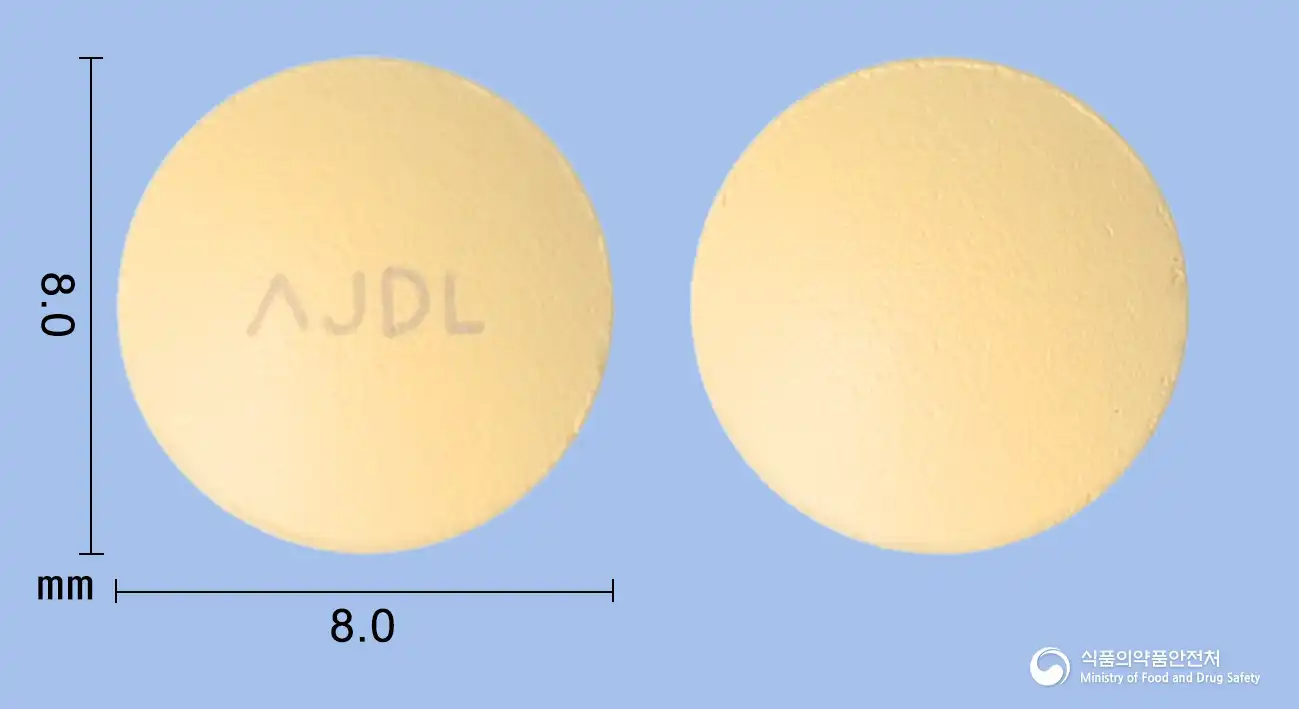
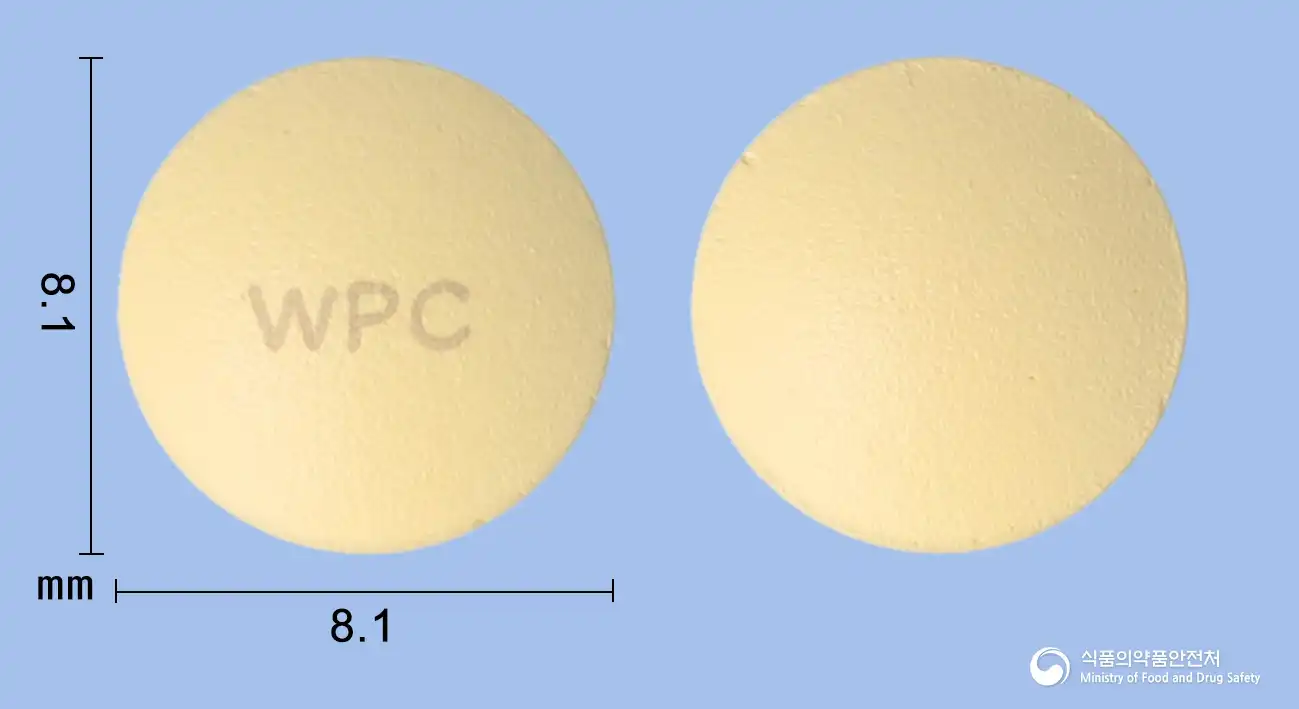
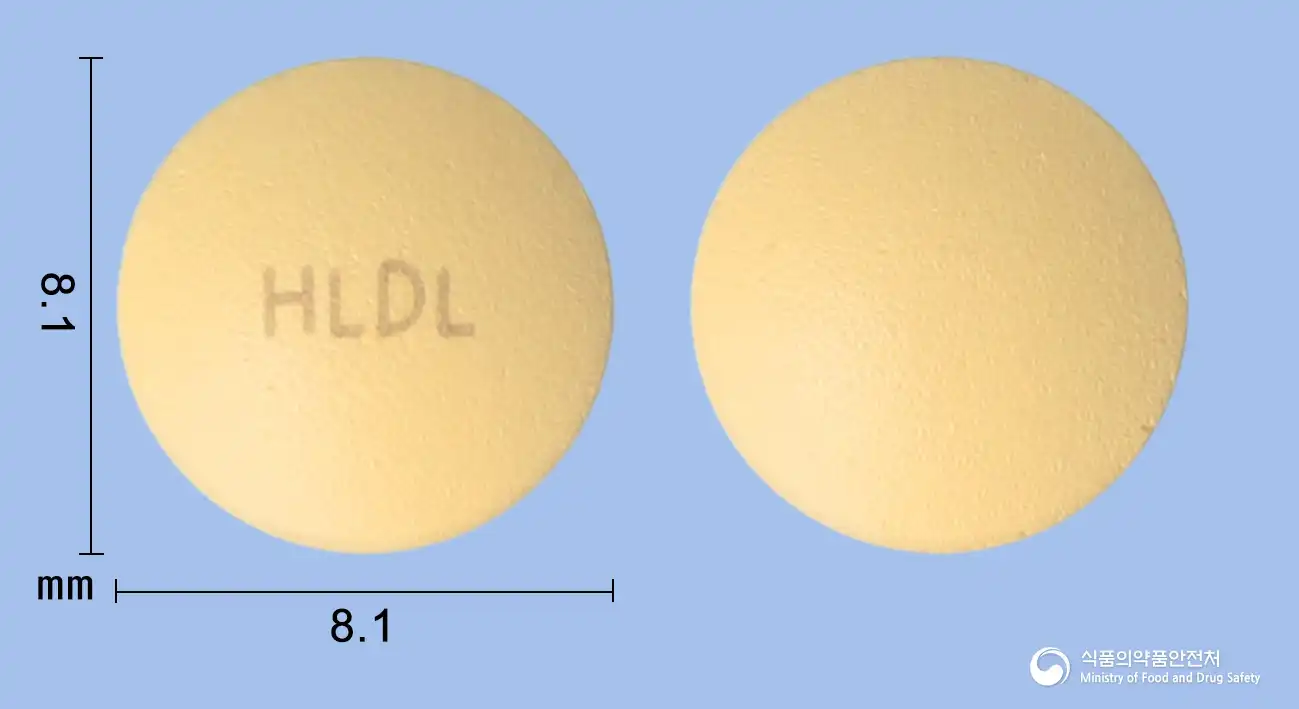
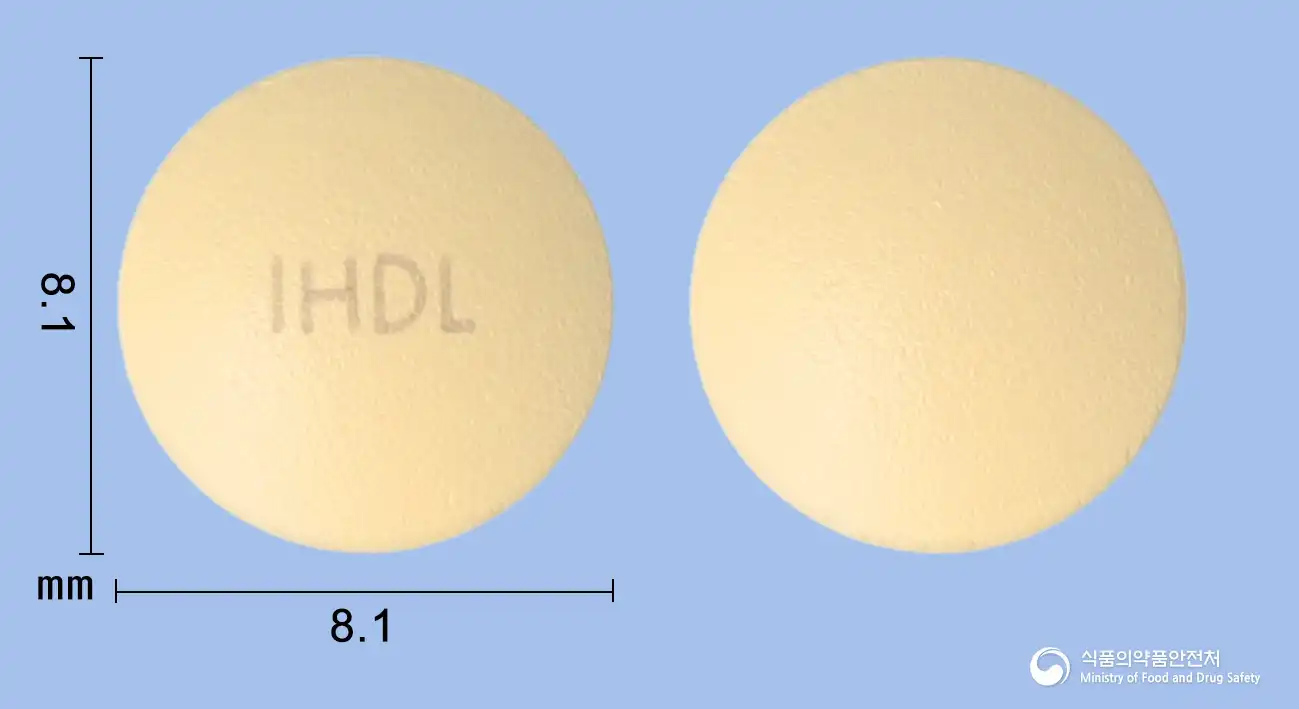
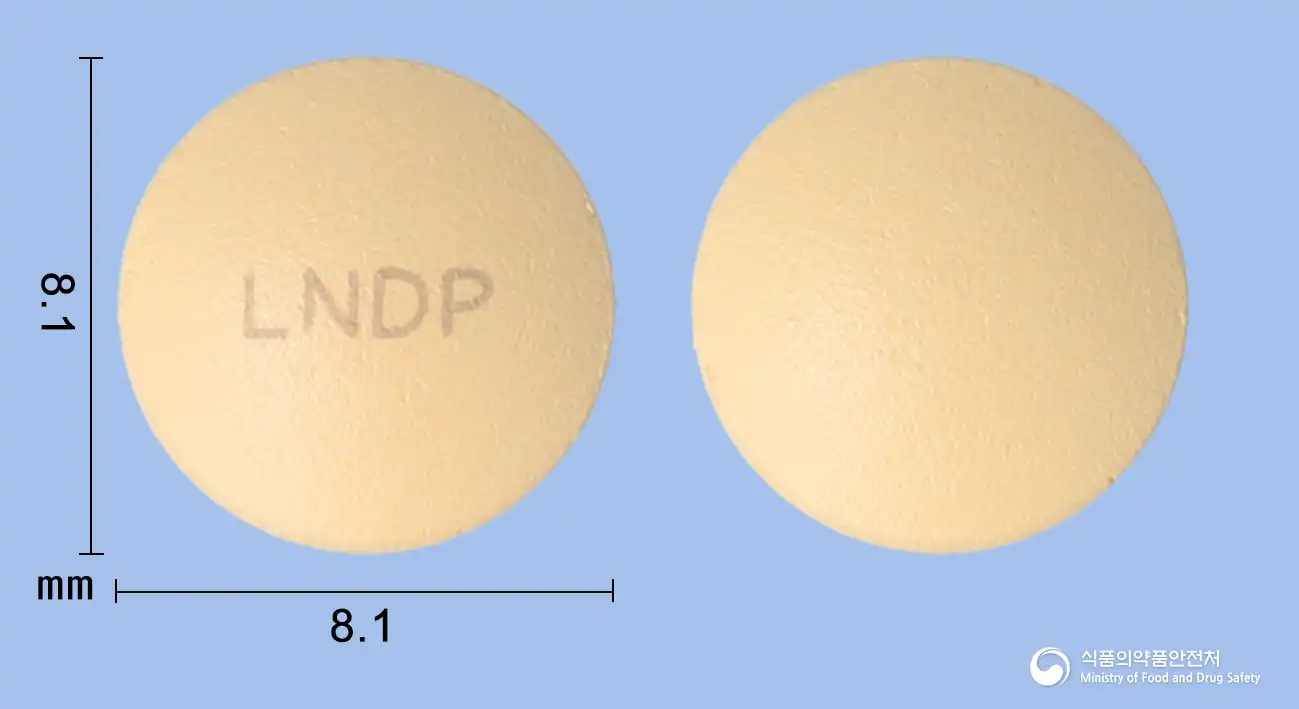
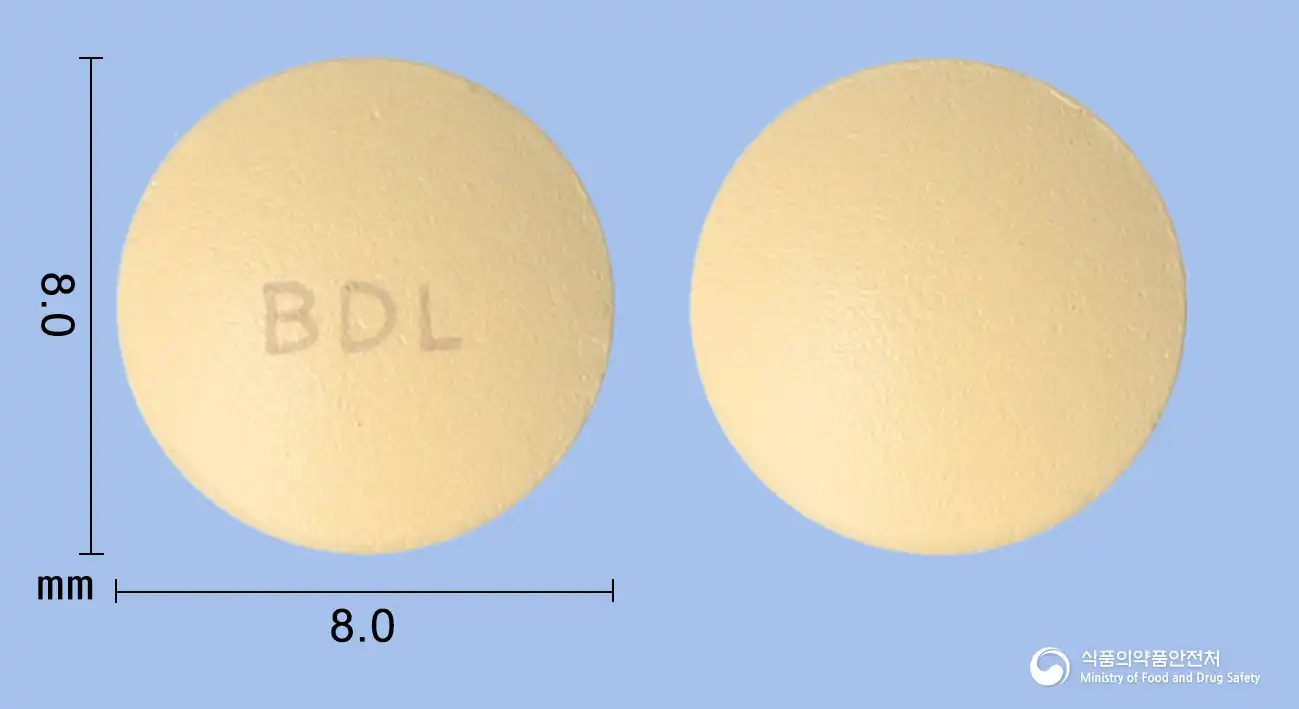
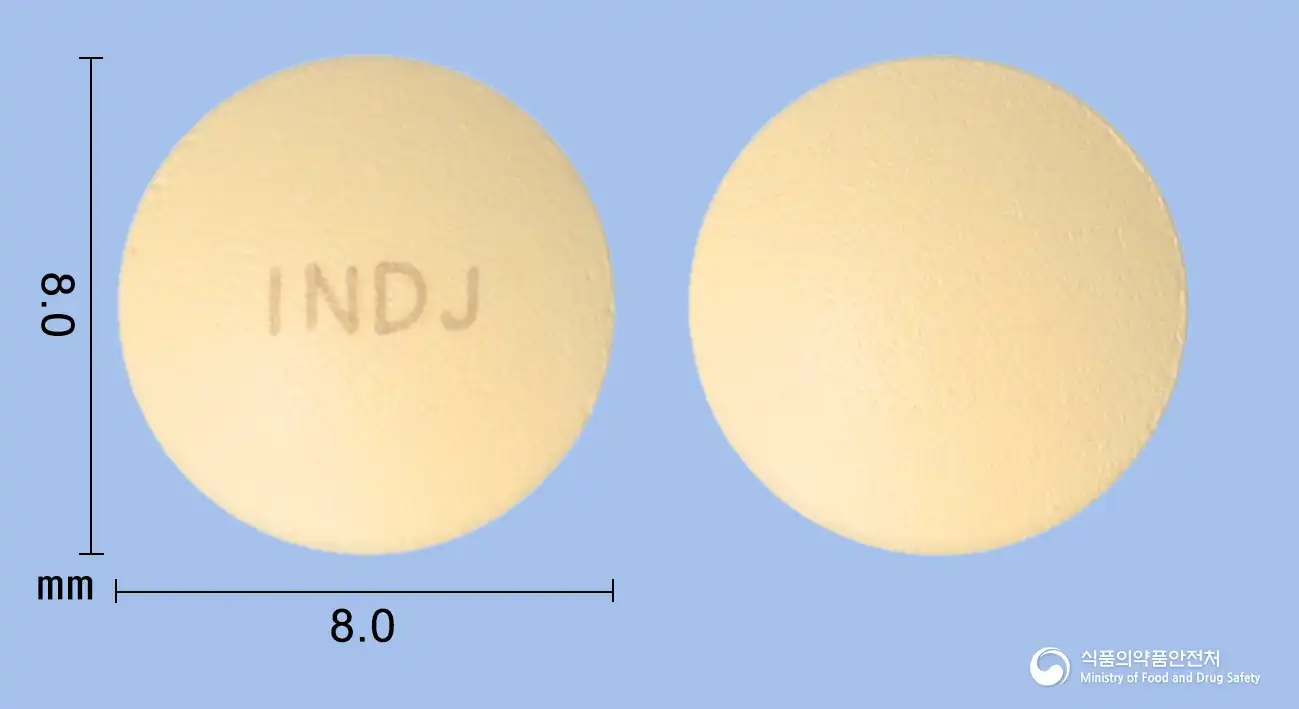
Improvement of blood sugar control in type 2 diabetes
View approved original textHide original text
This medication helps patients with Type 2 diabetes achieve more effective blood sugar control when combined with dietary and exercise therapies. It is a drug that improves blood sugar levels with the combination of dapagliflozin and linagliptin, thus assisting in the management of diabetes. Therefore, this medication is used for the blood sugar control in Type 2 diabetes.
Dosage and Administration
Adult dosage
This medication is administered at a dose of 1 tablet containing 10 mg of dapagliflozin and 5 mg of linagliptin once daily, regardless of meals.
Precautions
This medication should not be used in patients who have had allergic reactions to the active ingredients or excipients.
It should not be administered to patients with Type 1 diabetes, diabetic ketoacidosis, those undergoing dialysis, or those with a history of myocardial infarction.
Caution is necessary in patients with reduced fluid volume or impaired kidney function due to the risk of hypotension or kidney damage.
When used with blood sugar-lowering medications, the risk of hypoglycemia may increase, so dose adjustments may be necessary.
It should be used with caution in patients with heart failure and is not recommended for severe heart failure patients.
If acute pancreatitis symptoms develop, the medication should be discontinued immediately and a physician consulted.
If vesicular skin diseases occur, discontinue the medication and seek specialist care.
This medication may increase the risk of genital infections and urinary tract infections, requiring prompt treatment if symptoms arise.
Elderly patients or those taking diuretics have a higher risk of fluid volume depletion and hypotension, so blood pressure and kidney function should be monitored regularly.
Use is not recommended during pregnancy or breastfeeding, and it should be discontinued immediately if pregnancy is confirmed.
Safety in children has not been established, so it is advisable not to use this medication in that population.
There is no specific antidote for overdose; appropriate treatment should be carried out based on symptoms.
It is important to regularly check blood sugar control, kidney function, and blood pressure during the use of this medication.
If discomfort or adverse reactions occur during medication use, immediate consultation with healthcare professionals is necessary.
Side effects and when to seek care immediately
Serious side effects
Hives, severe swelling (edema), chest tightness, difficulty breathing, cold sweats, pallor, severe rash with high fever, blisters, peeling skin, pain in mucous membranes of mouth/eyes, shortness of breath or difficulty breathing, asthma attacks, respiratory issues with cough + fever, jaundice (yellowing of skin or eyes), profound lethargy, sudden and severe headache, thunderclap headache, seizures, confusion, visual disturbances, paralysis, urination
Mild side effects
Constipation
diarrhea
dizziness
palpitations
weight loss
vulvar pruritus
sweating
cystitis
urinary tract infections
thirst
Show 27 moreCollapse
dry mouth
low back pain
pain during urination
polyuria
nocturia
increased hematocrit
dyslipidemia
hypoglycemia
headache
sensory impairment
paresthesia
drowsiness
insomnia
depression
pruritus
cold sweats
edema
facial swelling
peripheral edema
fatigue
fever
pain
tinnitus
vertigo
chest pain
nosebleeds
vomiting
Not everyone experiences these, and they can vary from person to person.
Storage
This medication should be stored in a tightly sealed container to prevent exposure to air and light, at a temperature between 1 to 30 degrees Celsius. Proper storage will maintain the efficacy of the medication and prevent deterioration.
Even with the same ingredient, the dose and directions can differ by strength and dosage form. Talk to a doctor or pharmacist before switching from a medication you are already taking.
Questions about this medicine
No questions yet.
For anything that needs medical judgment, consult a doctor or pharmacist.
This drug information is based on data provided by the Korea Ministry of Food and Drug Safety. Consult a doctor or pharmacist for accurate dosage, administration, and usage instructions.

 한국어
한국어 English
 日本語
日本語 中文(简体)
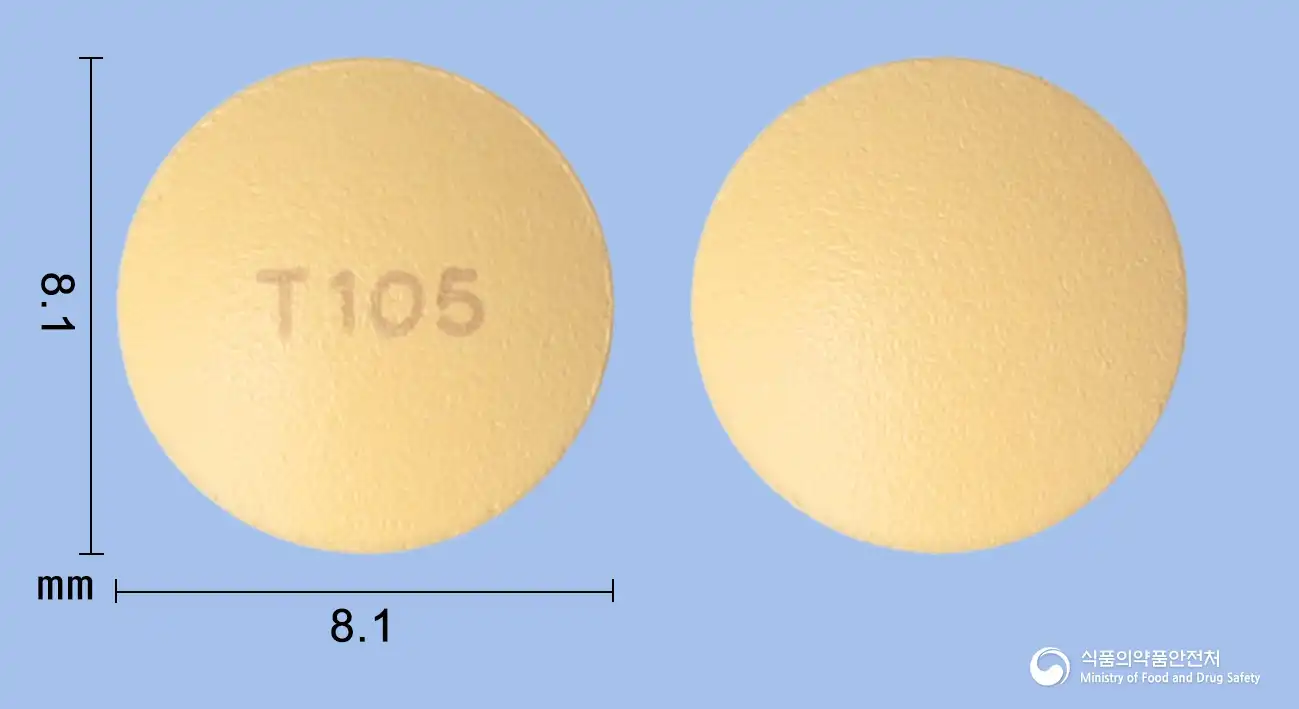 Viewing nowCombination