
 한국어
한국어 English
 日本語
日本語 中文(简体)
 Viewing nowCombination
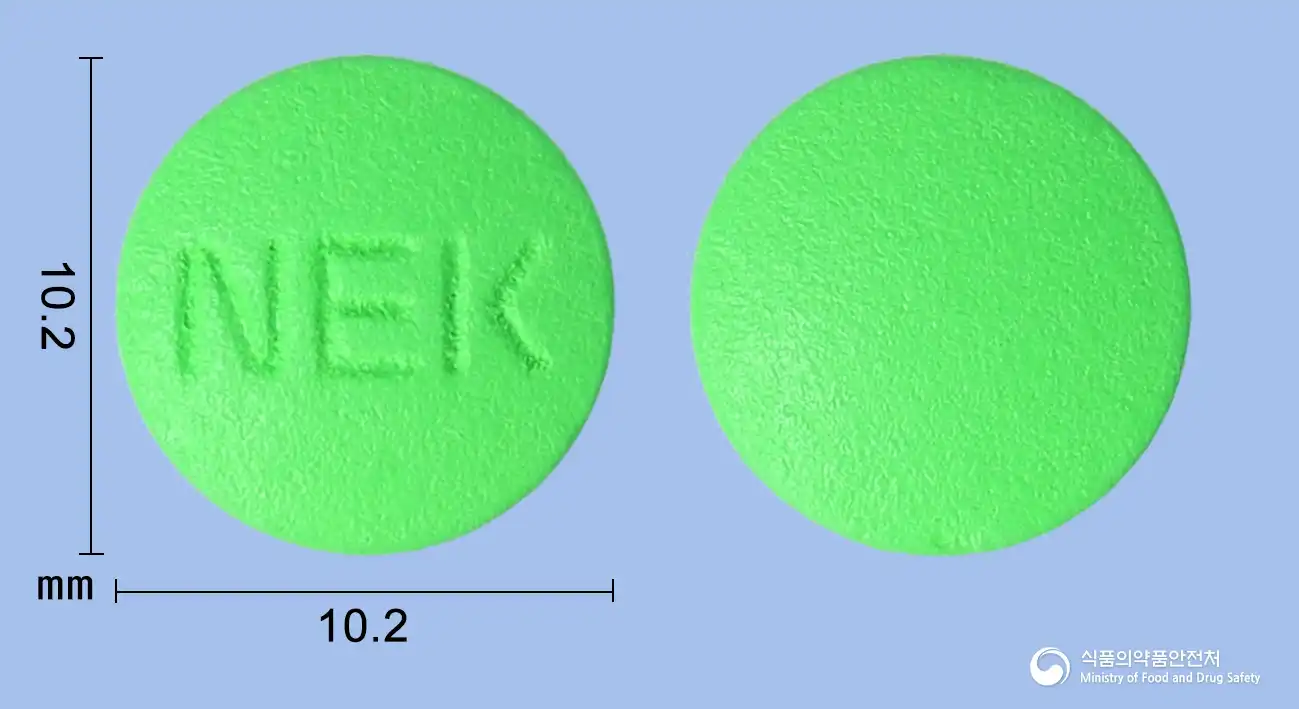
Wiental Tablet
Precipitated Calcium Carbonate 100mg · Sodium Bicarbonate 50mg +6 more
Tablet · OTC medication · Combination
Nexpam Korea Co., Ltd.
MFDS item code 202400816 · Notified 2024.04.11
Improvement of excessive gastric acid and dyspepsia (heartburn, abdominal distension, etc.)
This medication is effective for heartburn and discomfort in the upper abdomen caused by excessive gastric acid, as well as abdominal distension and symptoms of food retention. It also alleviates gastrointestinal symptoms such as nausea, vomiting, and stomach pain and helps with belching, dyspepsia, and loss of appetite. It also improves discomfort caused by overeating and promotes digestion, supporting gastric health. It is primarily used for symptoms of excessive gastric acid and dyspepsia.
Adults: 2 tablets per dose, 3 times a day with meals
This medication should not be used by patients undergoing hemodialysis. This medication contains lactose, so patients with genetic issues who cannot digest lactose should not take it. People allergic to soybean oil, soy, or peanuts should also avoid this medication. Patients who have had allergic reactions to this medication or are taking other medications should use it cautiously. Patients with kidney or liver function problems and those receiving treatment from a doctor also need to be careful. Patients with high blood pressure, elderly patients, those with heart or kidney disorders, or edema must consult with a specialist before taking this medication. If symptoms such as reduced urination, facial or limb swelling, heavy eyelids, stiff hands, or headaches occur while taking this medication, usage should be immediately stopped and a specialist consulted. Long-term use of this medication can decrease blood potassium levels, which may result in muscle weakness or cramps, so if such symptoms occur, usage should be halted and a specialist should be notified. Care should be taken when taking this medication together with other drugs containing potassium or licorice, or certain diuretics, as it may increase the risk of side effects. If side effects like allergic symptoms, drowsiness, dizziness, constipation, or dry mouth occur during consumption, usage should be stopped and a specialist should be consulted. The dosage and administration must be accurately followed, and if symptoms do not improve after taking it for more than 2 weeks, consulting a specialist is necessary. Long-term continuous use should be avoided, and those with kidney disease must consult before taking. Patients with lipid metabolism issues should monitor blood lipid levels and adjust dosages appropriately. This medication should not be taken with gastrointestinal analgesics or antispasmodics. Children under 15 years of age, pregnant women or those who may become pregnant, and nursing women should not take this medication. This medication should be kept out of the reach of children and stored away from direct sunlight in a cool, dry place. Additionally, for quality maintenance and to prevent misuse, it should not be transferred to another container.
Not everyone experiences these, and they can vary from person to person.
Do not take this medication with gastrointestinal analgesics or antispasmodics. If taken with loop diuretics (e.g., furosemide, etacrynic acid) or thiazide diuretics (e.g., trichloroacetic acid), consult with a doctor or pharmacist.
Caution is advised when taking this medication with potassium-containing preparations, licorice-containing preparations, glycyrrhizin, or its salts.
This medication is sensitive to light and should be stored in a container that does not allow light to enter. It is also important to maintain a storage temperature between 1 to 30 degrees Celsius to preserve the medication's effectiveness over time.
Green round film-coated tablets
10 tablets/box [(10 tablets/PTP)], 30 tablets/box [(10 tablets/PTP*3)], 100 tablets/box [(10 tablets/PTP*10)], 500 tablets/bottle, 1000 tablets/bottle
Even with the same ingredient, strength, dosage form and how it is taken can differ.
Viewing nowCombinationPrecipitated Calcium Carbonate 100mg · Sodium Bicarbonate 50mg +6 more
Tablet · OTC medication · Combination
Nexpam Korea Co., Ltd.
 Combination
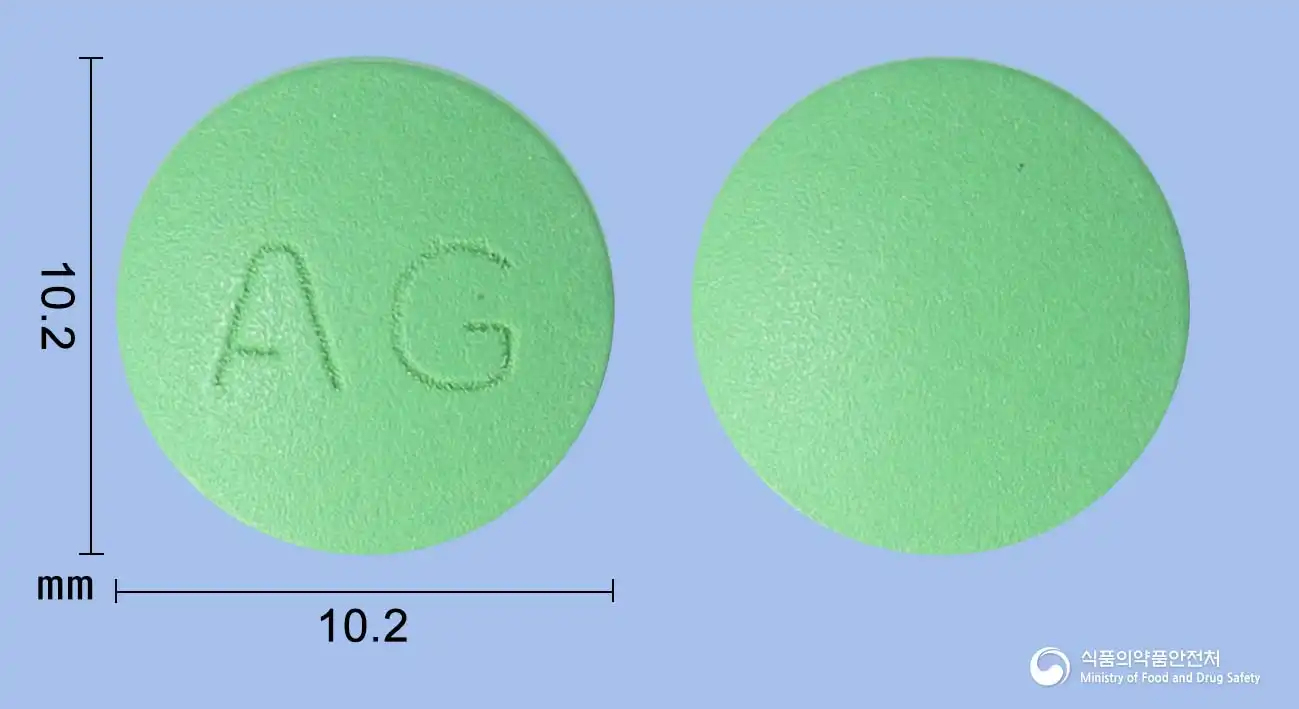
Magnesium Aluminometasilicate 25.45mg · Sodium Bicarbonate 31.82mg +6 more
Tablet · OTC medication · Combination
Anguk Pharmaceutical Co., Ltd.
 Combination
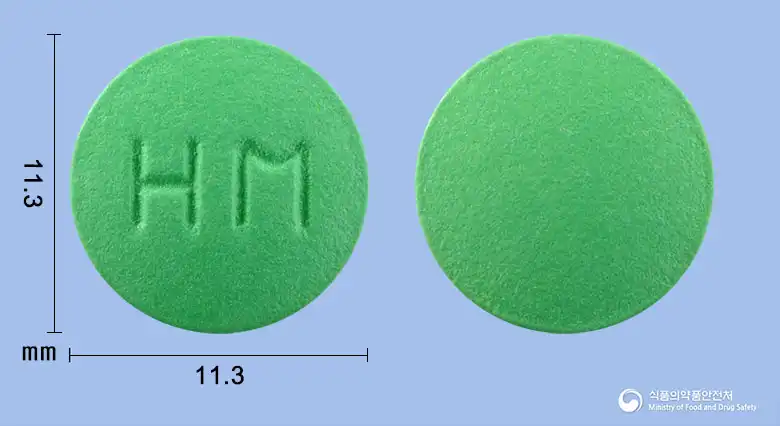
Magnesium Aluminometasilicate 40mg · Sodium Bicarbonate 50mg +6 more
Tablet · OTC medication · Combination
Hanmi Pharmaceutical Co., Ltd.
 Combination
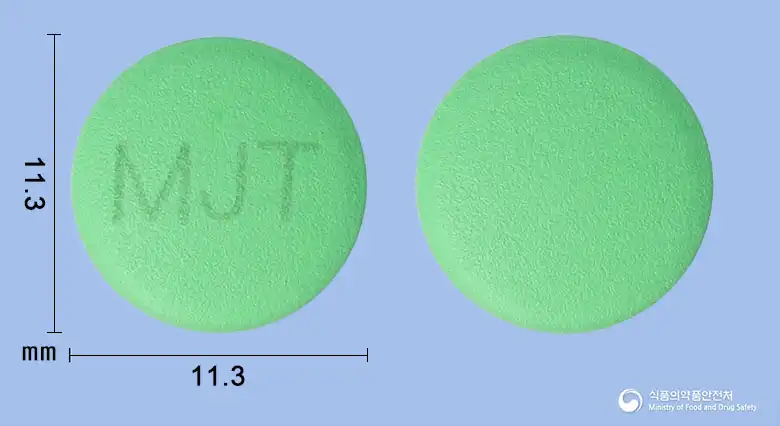
Magnesium Aluminometasilicate 40mg · Sodium Bicarbonate 50mg +6 more
Tablet · OTC medication · Combination
(Co., Ltd.) Mothers Pharmaceuticals
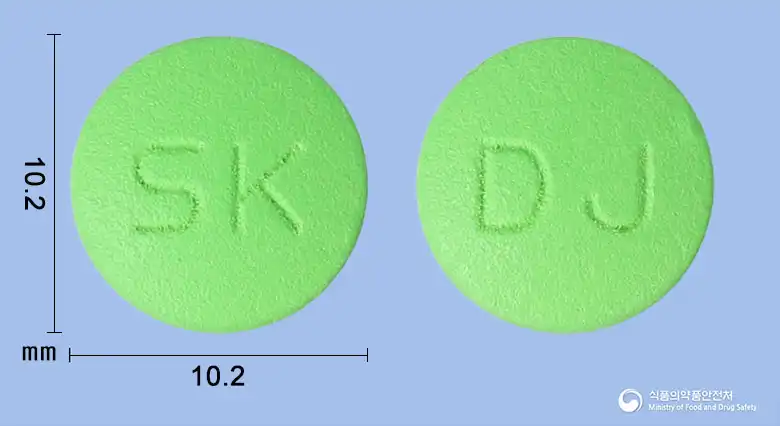 Combination
Precipitated Calcium Carbonate 100mg · Sodium Bicarbonate 50mg +6 more
Tablet · OTC medication · Combination
SK Chemicals Co., Ltd.
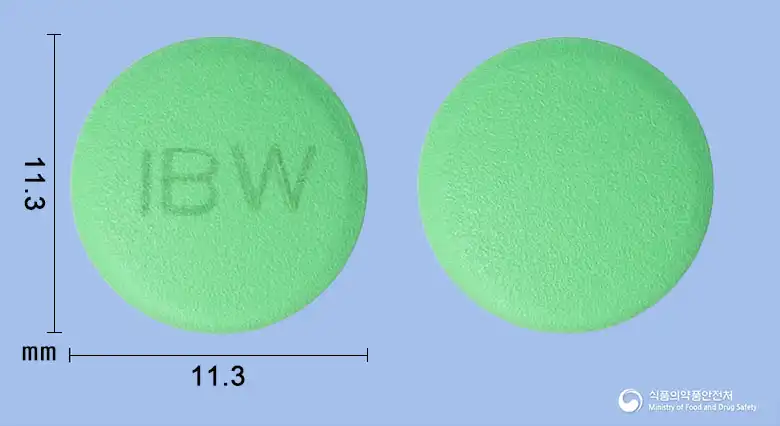 Combination
Magnesium Aluminometasilicate 40mg · Sodium Bicarbonate 50mg +6 more
Tablet · OTC medication · Combination
Il Yang Biopharm Co., Ltd.
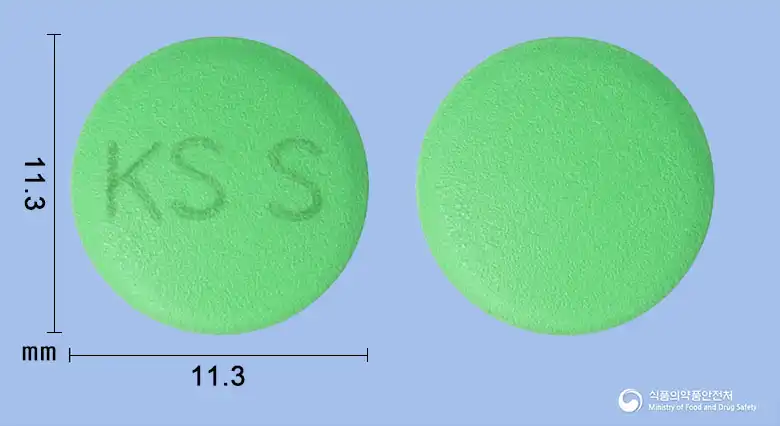 Combination
Magnesium Aluminometasilicate 40mg · Sodium Bicarbonate 50mg +6 more
Tablet · OTC medication · Combination
Aprogen Biologics Co., Ltd.
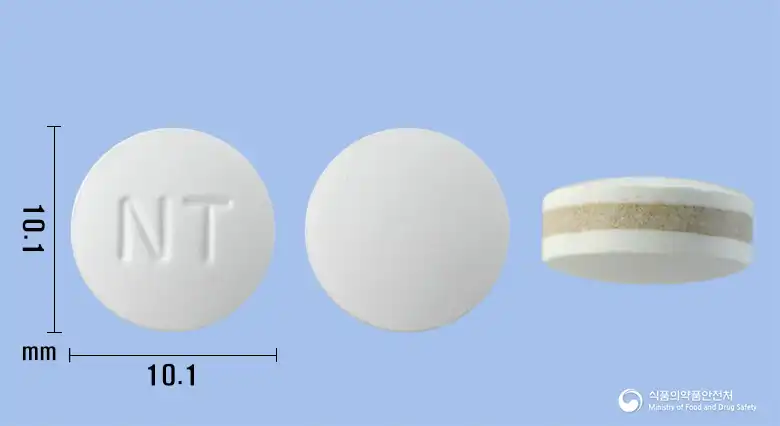 Combination
Magnesium Aluminometasilicate 25.45mg · Sodium Bicarbonate 31.82mg +6 more
Tablet · OTC medication · Combination
Anguk New Pharm Co., Ltd.
Even with the same ingredient, the dose and directions can differ by strength and dosage form. Talk to a doctor or pharmacist before switching from a medication you are already taking.
QCan I take it together with the antispasmodic I take for stomach pain?
Answers 1 · 2026.09.14
QI feel dry mouth and have palpitations after taking it.
Answers 1 · 2026.09.14
For anything that needs medical judgment, consult a doctor or pharmacist.
This drug information is based on data provided by the Korea Ministry of Food and Drug Safety.
Consult a doctor or pharmacist for accurate dosage, administration, and usage instructions.