
 한국어
한국어 English
 日本語
日本語 中文(简体)
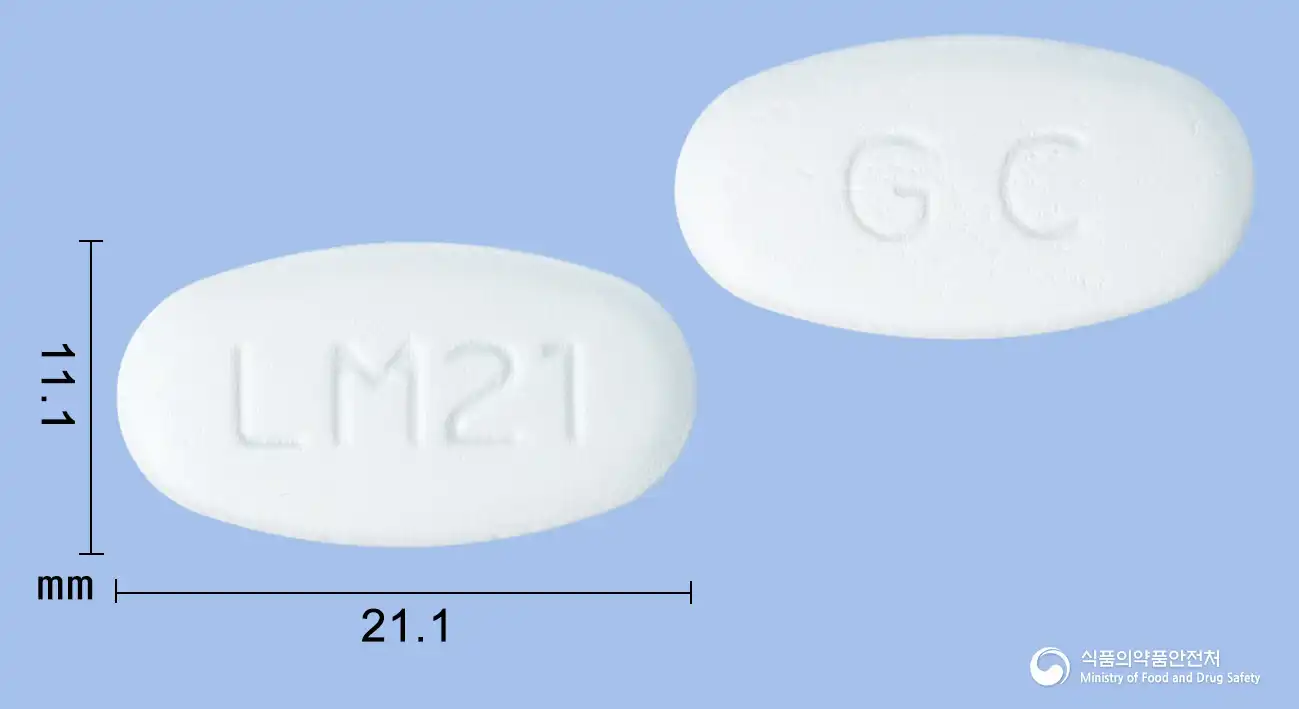 Viewing nowCombination
Polminlina Sustained Release Tablet 2.5/1000 mg (Linagliptin, Metformin Hydrochloride)
Linagliptin Micronized 2.5mg · Metformin Hydrochloride 1000mg
Tablet · Prescription medication · Combination
Green Cross Corp.
MFDS item code 202400695 · Approved 2024.03.29 · Insurance code 643606680
Improvement of blood sugar control in type 2 diabetes
This medication is used to assist patients with type 2 diabetes who need to take Linagliptin and Metformin together in controlling their blood sugar levels. It helps manage blood sugar effectively in conjunction with diet and exercise therapy. This assists in improving the health of patients who struggle with blood sugar control.
This medication is taken once daily with the evening meal. 5/1000 mg sustained release tablet is taken once a day, at a dose of 1 tablet at a time. 2.5/1000 mg sustained release tablet is taken once a day, at a dose of 2 tablets simultaneously. The initial dosage is Linagliptin 5 mg and Metformin Hydrochloride 1000 mg, and Metformin Hydrochloride can be gradually increased to a maximum recommended daily dose of 2000 mg. Currently, Metformin.
This medication assists in controlling blood sugar levels. However, it may rarely cause a serious condition known as lactic acidosis, so caution is advised. It should not be used in individuals with allergies to its components or those with type 1 diabetes, severe renal impairment, acute cardiac conditions, liver dysfunction, etc. Also, it should be avoided in the presence of acute diseases such as dehydration, severe infections, or shock. Care must be taken for hypoglycemic symptoms when using this medication, especially when taken with other hypoglycemic agents. Patients with reduced renal function should undergo regular kidney function tests, and medication dosage adjustments may be necessary depending on their condition. Acute pancreatitis or blistering skin diseases may occur; therefore, if severe abdominal pain or skin abnormalities occur during treatment, inform a healthcare provider immediately. This medication should be swallowed whole and must not be broken, crushed, or chewed; the tablet coating may pass in the stool, which is normal. It is advisable to avoid using this medication during pregnancy or breastfeeding. Elderly patients should use this medication with increased caution due to a higher risk of renal impairment, with regular kidney function tests required. Additionally, this medication may pose risks when taken with alcohol, so it is better to avoid drinking. While receiving this medication, blood sugar levels and health status should be closely monitored, and if any abnormal symptoms appear, a healthcare provider should be consulted immediately.
Not everyone experiences these, and they can vary from person to person.
This medication should be stored in a tightly closed container to prevent exposure to air or moisture. It is best to store it at room temperature, between 1 to 30 degrees Celsius.
White oval sustained release film-coated tablet
30 tablets/bottle
Even with the same ingredient, strength, dosage form and how it is taken can differ.
Viewing nowCombinationLinagliptin Micronized 2.5mg · Metformin Hydrochloride 1000mg
Tablet · Prescription medication · Combination
Green Cross Corp.
Linagliptin Micronized 2.5mg · Metformin Hydrochloride 1000mg
Tablet · Prescription medication · Combination
Samjin Pharmaceutical Co., Ltd.
Linagliptin Micronized 2.5mg · Metformin Hydrochloride 500mg
Tablet · Prescription medication · Combination
Samjin Pharmaceutical Co., Ltd.
Linagliptin Micronized 2.5mg · Metformin Hydrochloride 850mg
Tablet · Prescription medication · Combination
Samjin Pharmaceutical Co., Ltd.
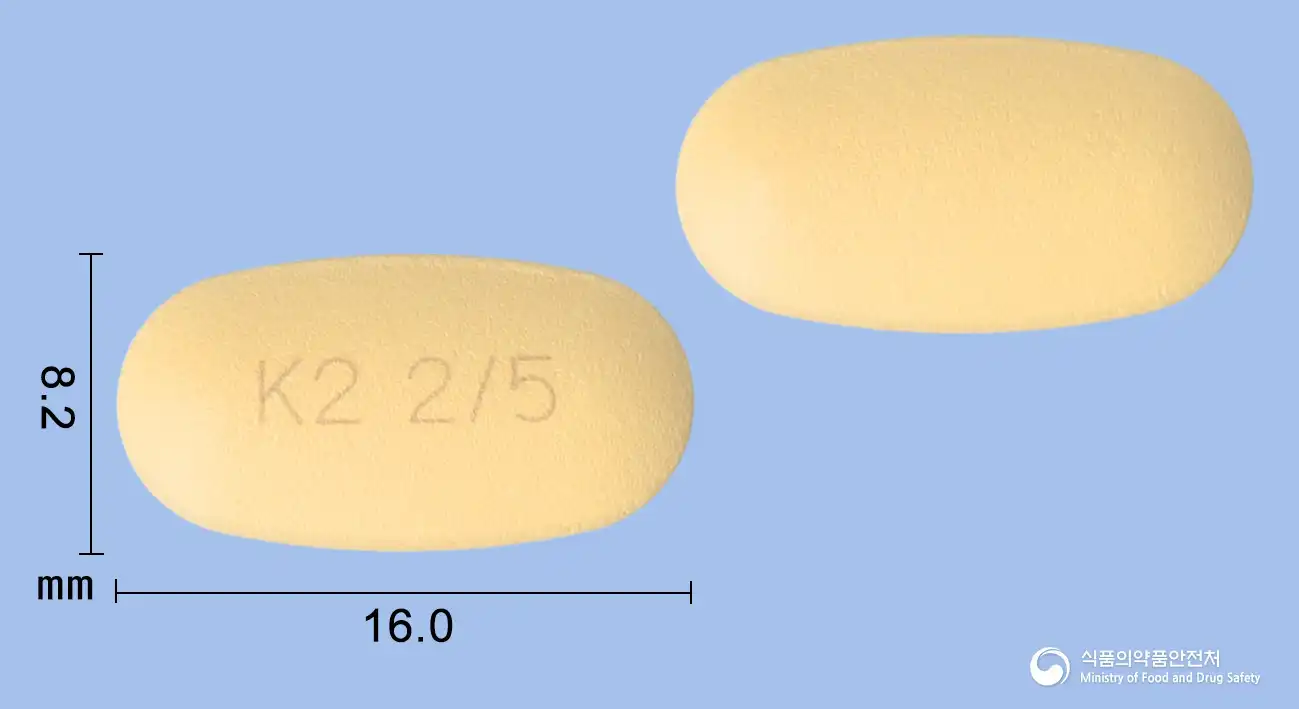 Combination
Linagliptin Micronized 2.5mg · Metformin Hydrochloride 500mg
Tablet · Prescription medication · Combination
Genewon Science Co., Ltd.
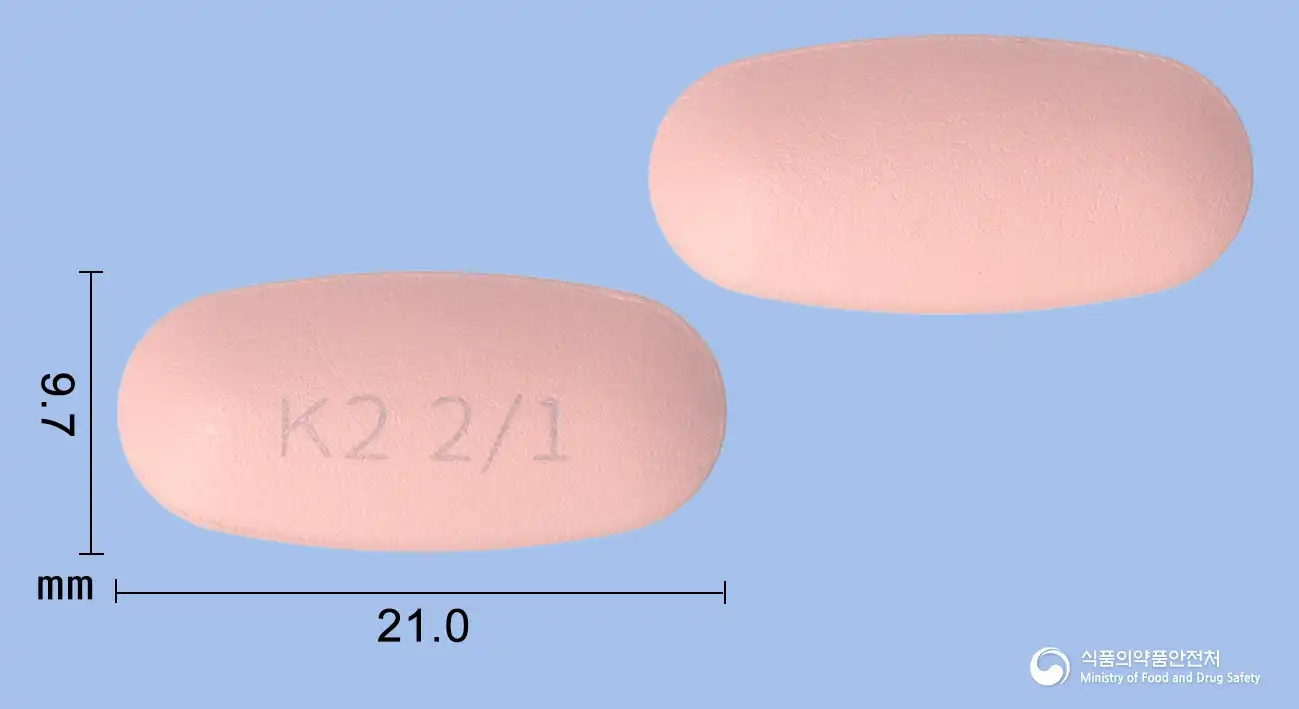 Combination
Linagliptin Micronized 2.5mg · Metformin Hydrochloride 1000mg
Tablet · Prescription medication · Combination
Genewon Science Co., Ltd.
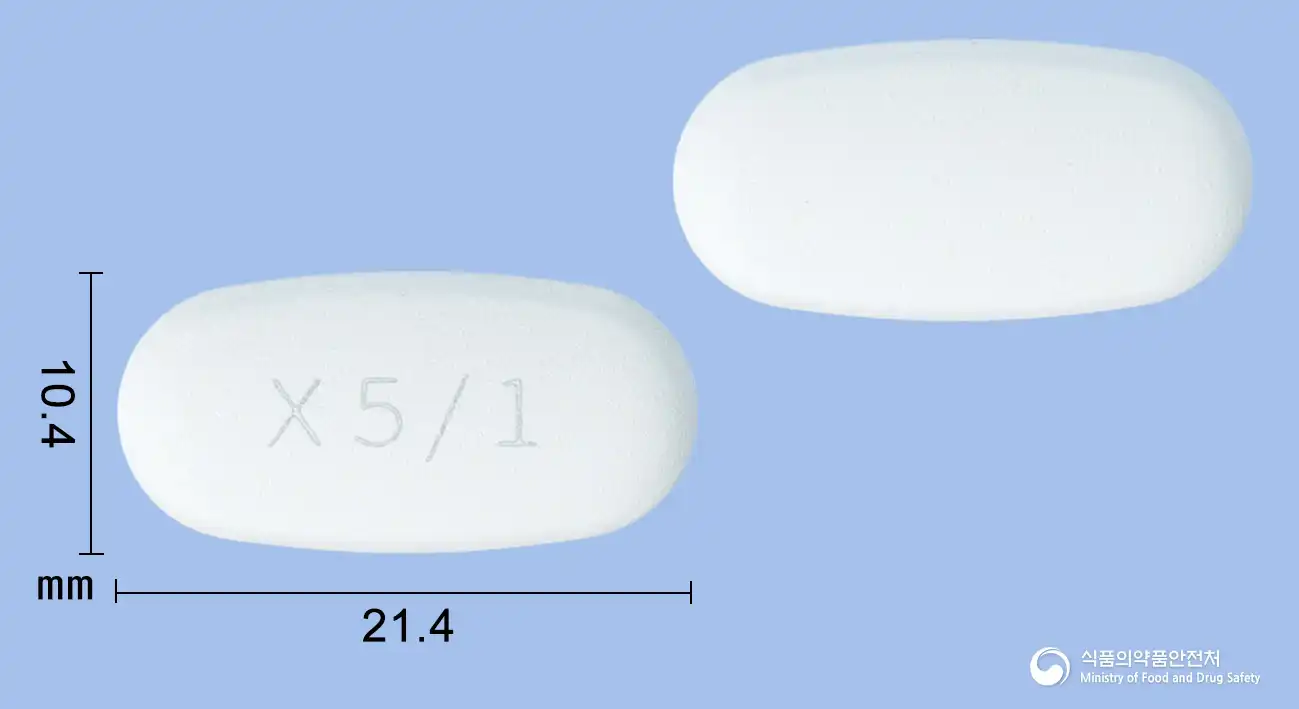 Combination
Linagliptin Micronized 5mg · Metformin Hydrochloride 1000mg
Tablet · Prescription medication · Combination
Genewon Science Co., Ltd.
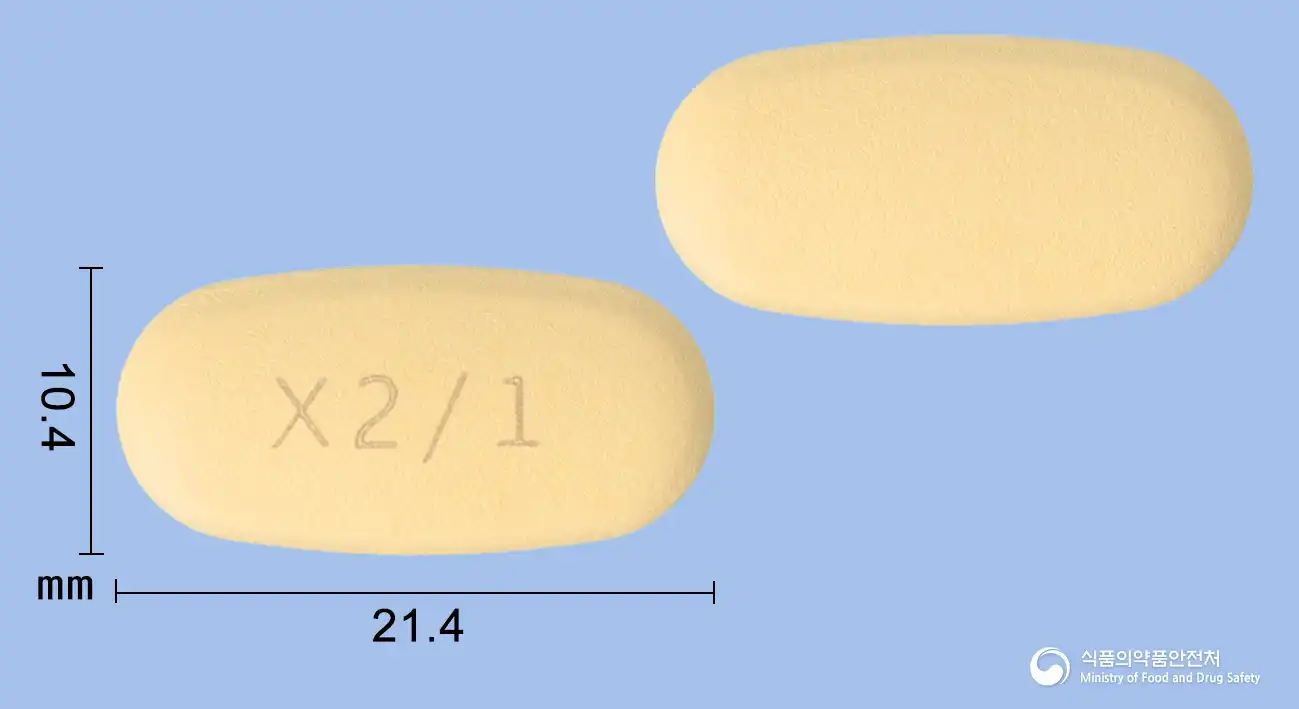 Combination
Linagliptin Micronized 2.5mg · Metformin Hydrochloride 1000mg
Tablet · Prescription medication · Combination
Genewon Science Co., Ltd.
Even with the same ingredient, the dose and directions can differ by strength and dosage form. Talk to a doctor or pharmacist before switching from a medication you are already taking.
No questions yet.
For anything that needs medical judgment, consult a doctor or pharmacist.
This drug information is based on data provided by the Korea Ministry of Food and Drug Safety.
Consult a doctor or pharmacist for accurate dosage, administration, and usage instructions.