
 한국어
 English
 日本語
 中文(简体)
 Viewing now
Creon Capsule 35000 (Pancreatin Powder)
Pancrease Powder 300mg
Hard capsule · OTC medication
Abbott Korea Co., Ltd.
MFDS item code 202400692 · Approved 2024.03.29
Improvement of pancreatic exocrine function impairment
This medication is used to improve the condition of exocrine pancreatic insufficiency, which is characterized by insufficient secretion of digestive enzymes from the pancreas.
The dose always varies according to the severity of pancreatic damage and the composition of the meal. Adults and adolescents aged 12 years and older The recommended dose is 20,000 ∼ 40,000 EP units of lipase activity per meal, as pancreatic powder. Depending on the degree of indigestion, the required dose may be considerably higher. In particular, in patients with cystic fibrosis, the dose of enzymes required for adequate fat absorption should not be exceeded, and the amount and composition of the meal should be taken into account. The dose should be increased cautiously and should be guided by improvement in symptoms (e.g., steatorrhea, abdominal pain). Do not exceed a dose of 15,000 ∼ 20,000 EP units of lipase activity per kg of body weight per day or 4,000 EP units per g of fat intake. Take this medicine during or immediately after a meal with plenty of water. The duration of treatment depends on the severity of the disease.
Children aged 4 years and under 12 years: Start with a weight-based dose of 500 EP units of lipase activity per kg of body weight per meal, as pancreatic powder.
This medication contains enzymes extracted from pig pancreas, so individuals with allergies to pork or beef should not take it. Additionally, individuals who have had hypersensitivity reactions to this medication or its ingredients should avoid taking it. Patients with acute pancreatitis or those with chronic pancreatitis that has acutely manifested should also avoid this medication. While taking this medication, do not chew the capsules, as chewing may irritate the mucous membranes in the mouth and cause ulcer-like lesions. Individuals taking other medications must consult a doctor or pharmacist before starting this medication. Cystic fibrosis patients should be cautious as they may exhibit symptoms of intestinal obstruction, and should consult a doctor promptly if symptoms occur. Pregnant women or women who may become pregnant should avoid this medication unless absolutely necessary, as its safety for the fetus has not been established. Lactating women should also be cautious, as this medication may be secreted in breast milk, and it is advisable to avoid taking it if not necessary. Individuals with a history of gout, renal failure, or hyperuricemia should take caution, as this medication may increase serum uric acid levels. People allergic to pig proteins may experience serious allergic reactions when taking this medication and should take it with caution. Those taking folic acid preparations should regularly check their folic acid levels, as this medication may interfere with the absorption of folic acid. Patients taking diabetes medications such as acarbose or miglitol should monitor their blood sugar regularly, as this medication may affect blood sugar control. If abdominal pain, nausea, diarrhea, constipation, abdominal bloating, or other gastrointestinal symptoms occur while taking this medication, consult medical personnel immediately. In particular, cystic fibrosis patients should be closely monitored for serious complications such as intestinal obstruction when taking high doses. If allergic reaction symptoms such as skin rash, itching, hives, or difficulty breathing occur, discontinue use immediately and consult medical personnel. If ulcers occur around the mouth or anus, or if symptoms do not improve after two weeks of use, stop taking the medication and consult a doctor. Be sure to follow the prescribed dosage and administration, and administer to children under adult supervision. If adjustment of the dosage is necessary, it must be done as directed by a physician, and check for improvement in symptoms. Given that this medication is derived from pig pancreatic tissue, the risk of infection is very low but cannot be completely excluded; caution is needed. This medication in powder form should be used carefully, as inhalation may induce asthma.
Not everyone experiences these, and they can vary from person to person.
This medication may interact with folic acid preparations, acarbose, or miglitol, so consult a doctor or pharmacist before taking.
This medication may be sensitive to air or moisture, so it is important to store it in a sealed container. Additionally, to maintain the medication's effectiveness, it should be stored in a cool place below 25 degrees Celsius.
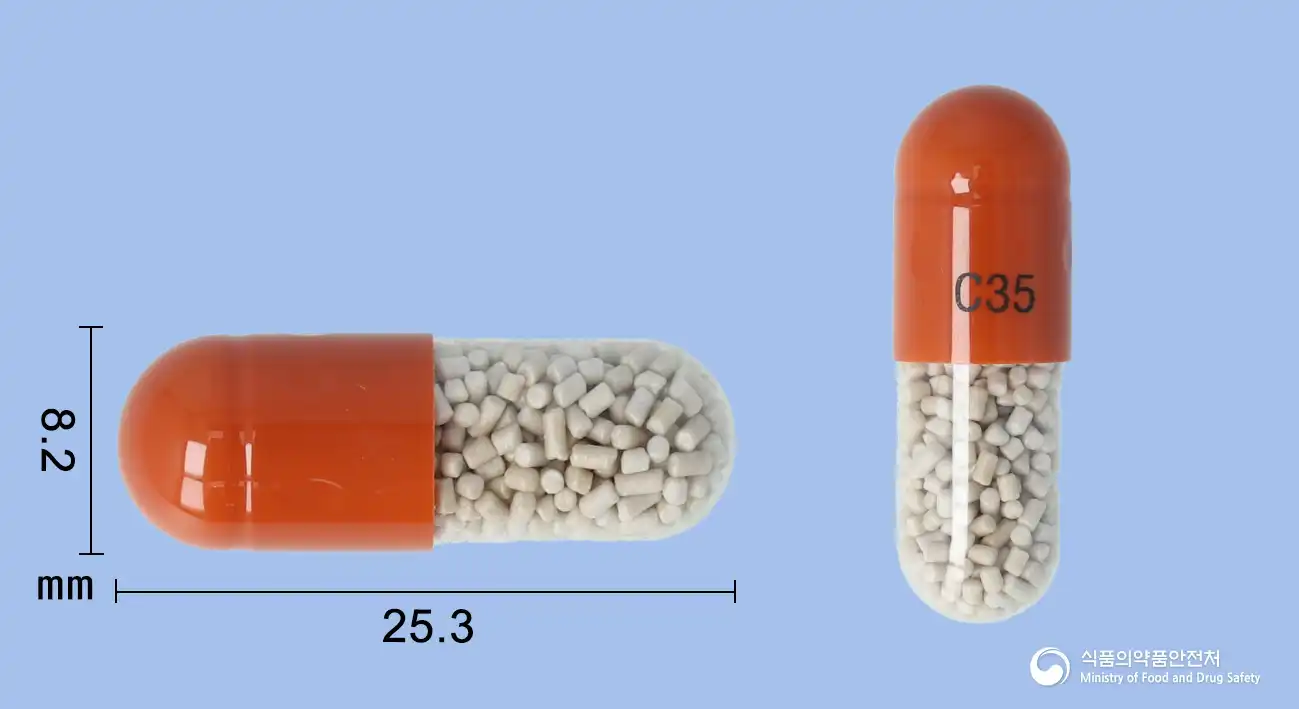
A light brown, opaque upper capsule with a transparent lower part containing brown enteric micro pellets.
100 Capsules/Bottle
Even with the same ingredient, strength, dosage form and how it is taken can differ.
Viewing nowPancrease Powder 300mg
Hard capsule · OTC medication
Abbott Korea Co., Ltd.
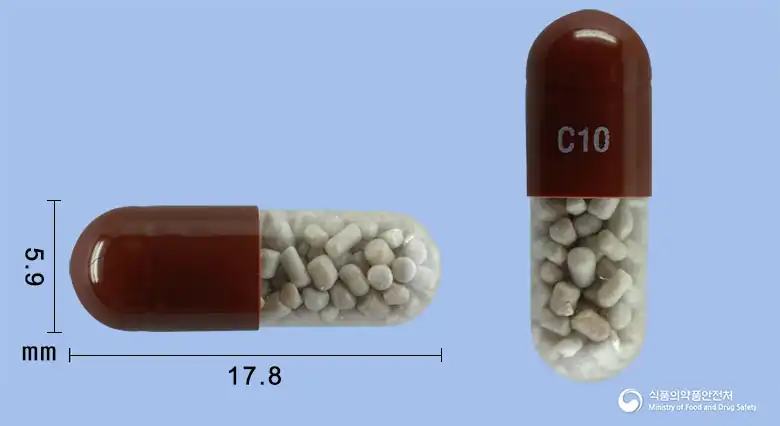
Pancrease Powder 150mg
OTC medication
Abbott Korea Ltd.
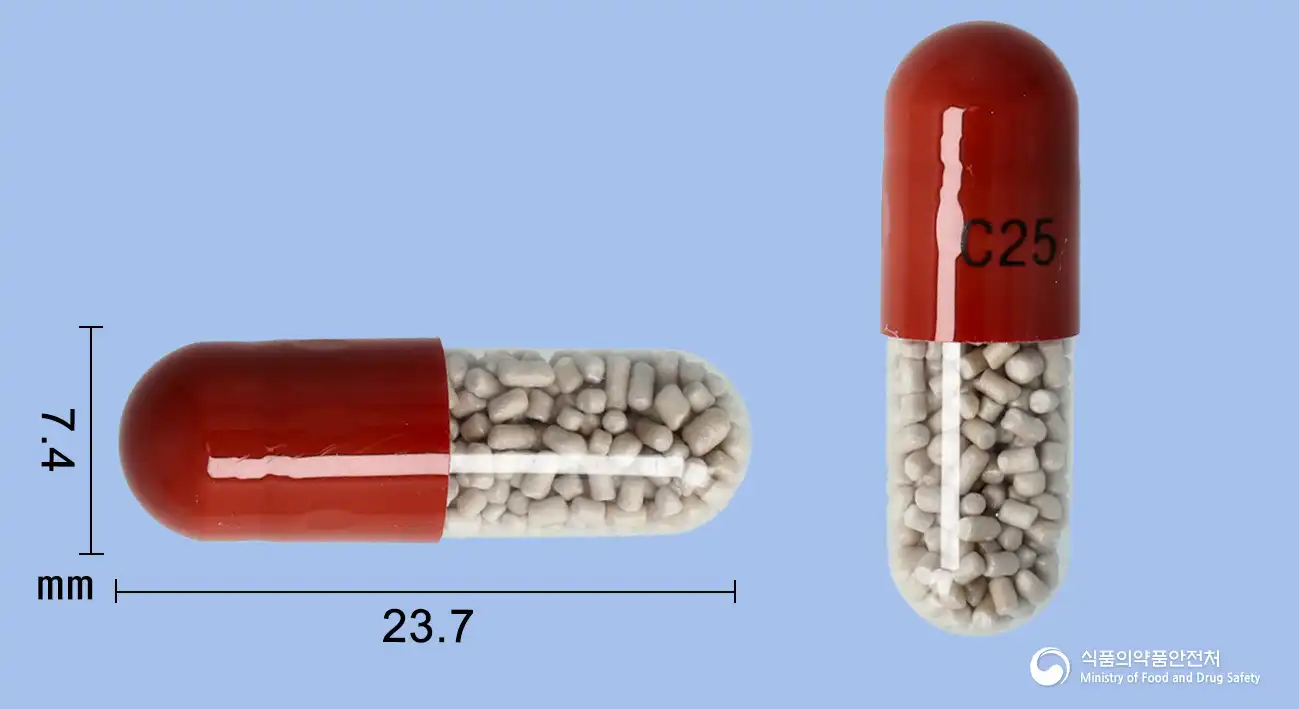
Pancrease Powder 300mg
OTC medication
Abbott Korea Co., Ltd.
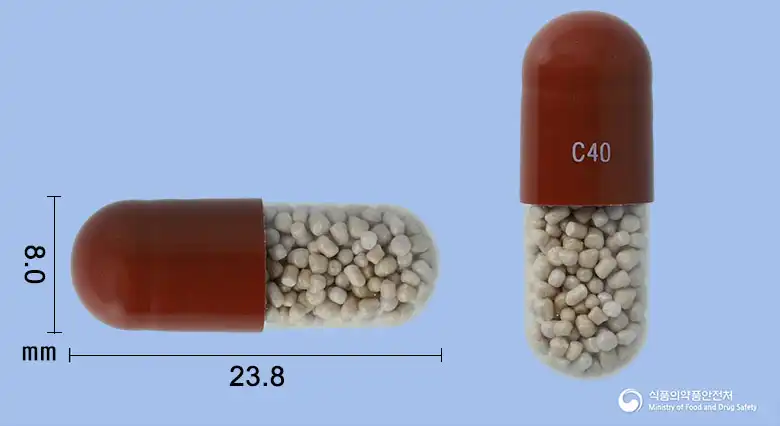
Pancrease Powder 400mg
Tablet · OTC medication
Abbott Korea Ltd.
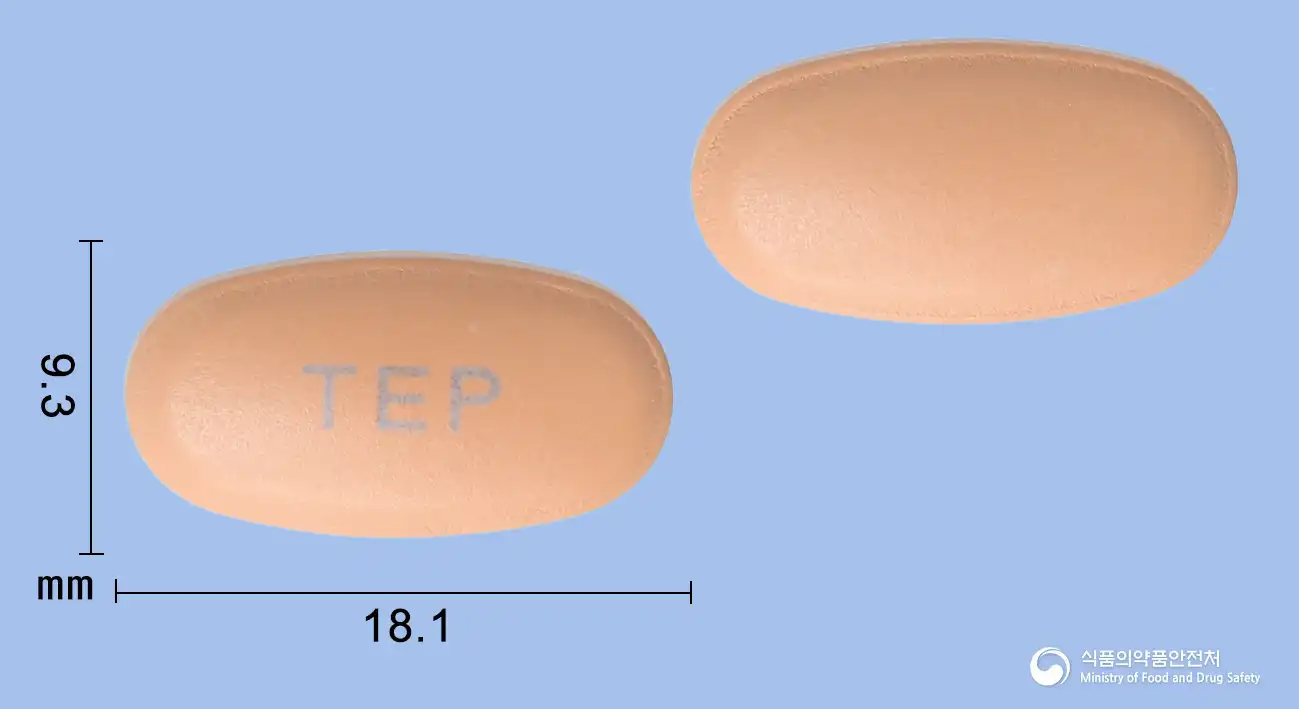
Pancrease Powder 400mg
Tablet · OTC medication
Teragen Itex Co., Ltd.
Even with the same ingredient, the dose and directions can differ by strength and dosage form. Talk to a doctor or pharmacist before switching from a medication you are already taking.
No questions yet.
For anything that needs medical judgment, consult a doctor or pharmacist.
This drug information is based on data provided by the Korea Ministry of Food and Drug Safety.
Consult a doctor or pharmacist for accurate dosage, administration, and usage instructions.