
 한국어
한국어 English
 日本語
日本語 中文(简体)
 Viewing nowCombination
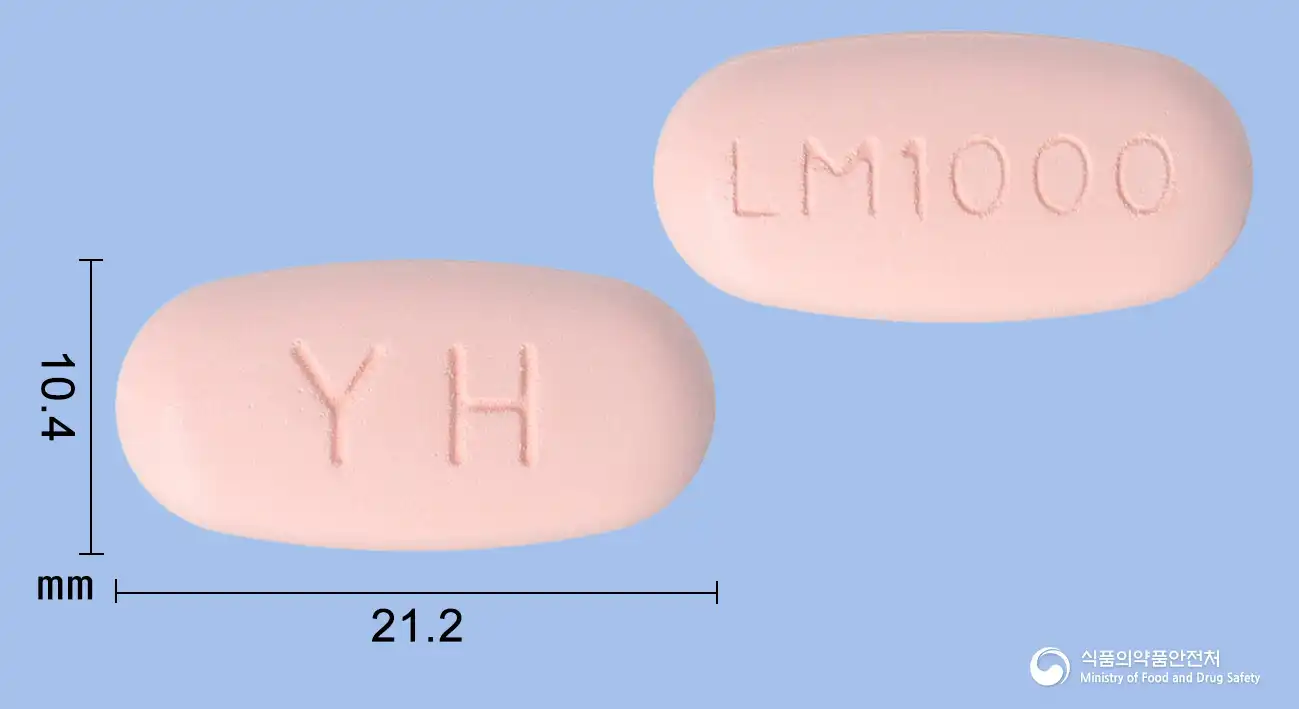
Trajuno Sustained-release Tablets 5/1000 mg (Linagliptin, Metformin)
Linagliptin 5mg · Metformin Hydrochloride 1000mg
Tablet · Prescription medication · Combination
Yuhan Corporation
MFDS item code 202400691 · Approved 2024.03.29 · Insurance code 642106210
Improvement of blood sugar control in Type 2 diabetes
This medication is used to improve blood sugar control in patients with Type 2 diabetes. Linagliptin and Metformin work together to effectively lower blood sugar levels and support dietary and exercise therapies. This allows for more stable blood sugar management, helping to improve the health of patients.
This medication may be administered to patients taking Linagliptin 5 mg and Metformin Hydrochloride (sustained release) 1000 mg, one tablet daily with food. To reduce gastrointestinal side effects associated with Metformin, it is recommended to take this medication ideally during dinner. To maintain its sustained-release properties, this medication should not be split, crushed, ground, or chewed, and it may be excreted in an incomplete dissolved state in the stool.
This medication is an anti-diabetic agent containing two main components: Linagliptin and Metformin. Firstly, Metformin can rarely cause a serious metabolic disorder called lactic acidosis, which can be life-threatening if not treated immediately. Secondly, this medication should not be used in certain patients, such as those allergic to this medication or in patients with Type 1 diabetes, severely impaired kidney function, acute infections or severe dehydration, and those with liver dysfunction. Thirdly, there is a risk of hypoglycemia, so caution is warranted when used with other hypoglycemic agents such as insulin or sulfonylureas, and dosage adjustments may be necessary as needed. Fourthly, kidney function significantly impacts the safety and efficacy of this medication, thus regular kidney function tests should be conducted before and during treatment, and this medication should not be used in cases of impaired kidney function. Fifthly, this medication should be temporarily discontinued around acute surgeries or examinations using radioactive iodine contrast agents, and can only be resumed after kidney function returns to normal. Sixthly, it is advisable not to use this medication during pregnancy, and it is also safe to avoid use while breastfeeding. Seventhly, long-term use may lead to Vitamin B12 deficiency, so Vitamin B12 levels should be monitored regularly as needed. Eighthly, taking this medication with alcohol may increase the risk of lactic acidosis, hence alcohol consumption should be avoided. Ninthly, if abdominal pain, persistent vomiting, breathing difficulties, muscle weakness, severe skin rashes or blisters occur, immediate consultation with a physician is required. Finally, this medication must be swallowed whole without chewing, breaking, crushing, or chewing the tablet, and it is normal for the shell of the tablet to be excreted in the stool.
Hives, angioedema, lactic acidosis, severe hypoglycemia, acute pancreatitis, pseudomembranous colitis, unstable angina, acute myocardial infarction, unstable angina, cardiac arrest, liver function abnormalities (liver function test abnormalities, hepatitis), fever, chest tightness, difficulty in breathing, asthma, respiratory distress, increased blood pressure, chest pain, fever, facial swelling, severe myasthenia, confusion, severe edema, hematuria, acute renal injury, end-stage renal disease, acute cholangitis, acute cholecystitis
Not everyone experiences these, and they can vary from person to person.
This medication should be stored in a tightly sealed container to prevent exposure to air or moisture, and it is safe to store it at room temperature between 1 and 30 degrees Celsius. Storing it this way helps maintain its effectiveness and prevent deterioration.
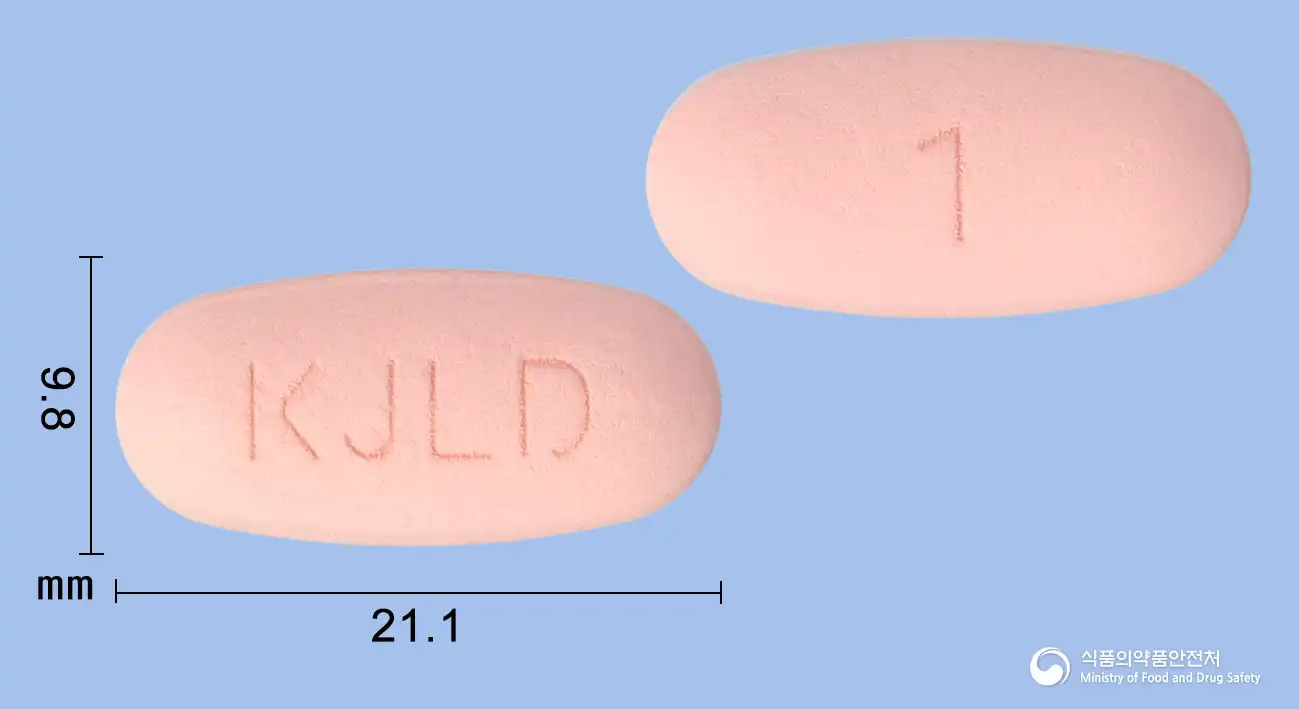
Pink oval film-coated sustained-release tablet
30 tablets/bottle
Even with the same ingredient, strength, dosage form and how it is taken can differ.
Viewing nowCombinationLinagliptin 5mg · Metformin Hydrochloride 1000mg
Tablet · Prescription medication · Combination
Yuhan Corporation
 Combination
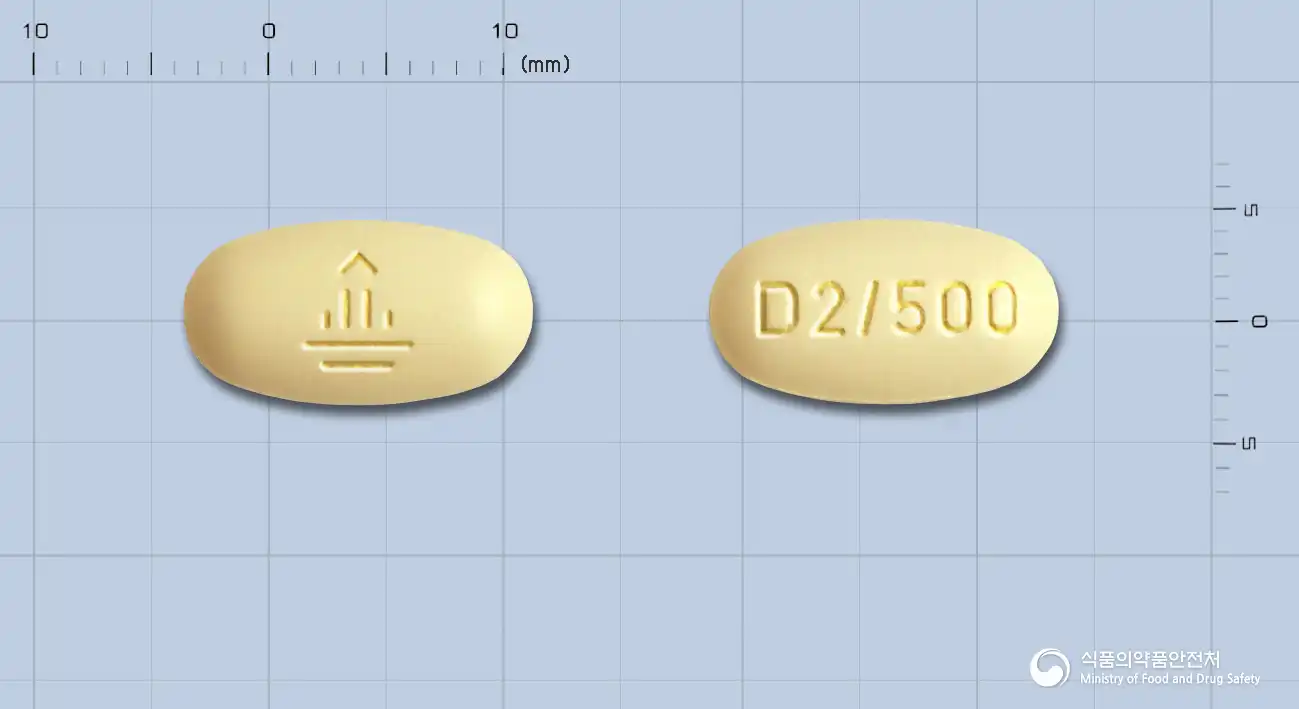
Linagliptin 2.5mg · Metformin Hydrochloride 500mg
Tablet · Prescription medication · Combination
Boehringer Ingelheim Korea Co., Ltd.
 Combination
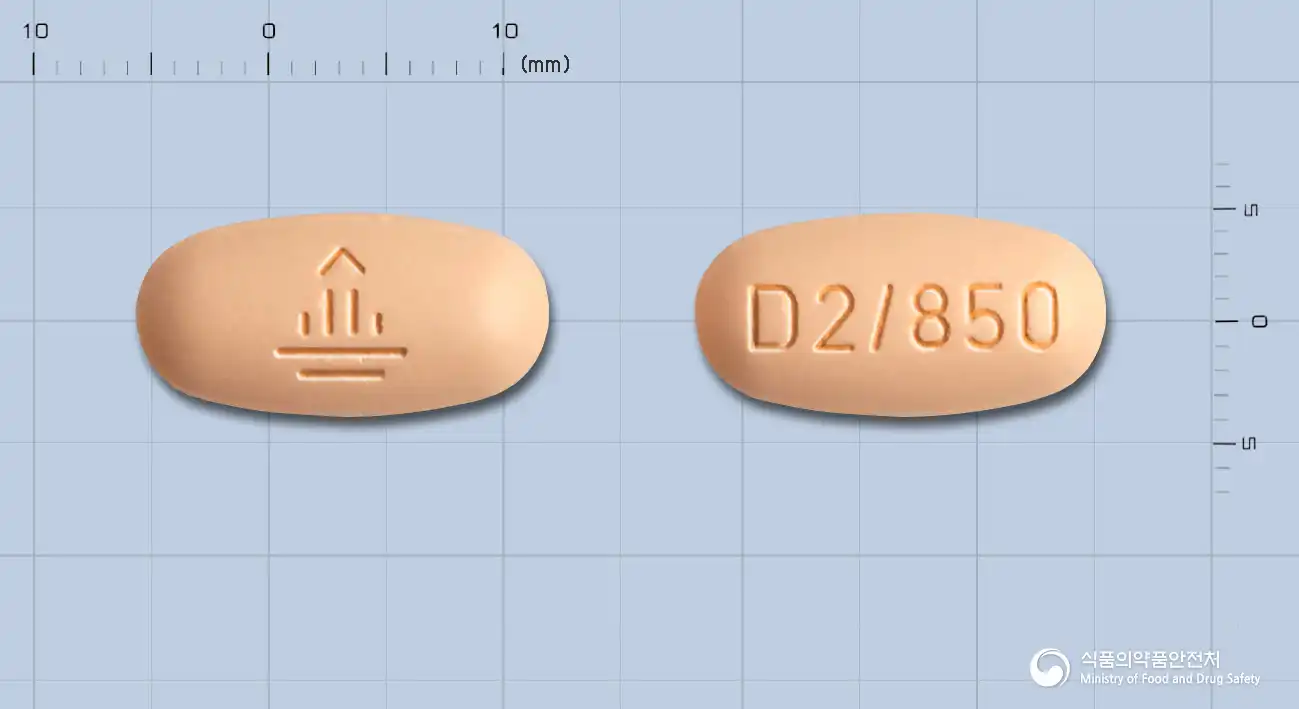
Linagliptin 2.5mg · Metformin Hydrochloride 850mg
Tablet · Prescription medication · Combination
Boehringer Ingelheim Korea Co., Ltd.
 Combination
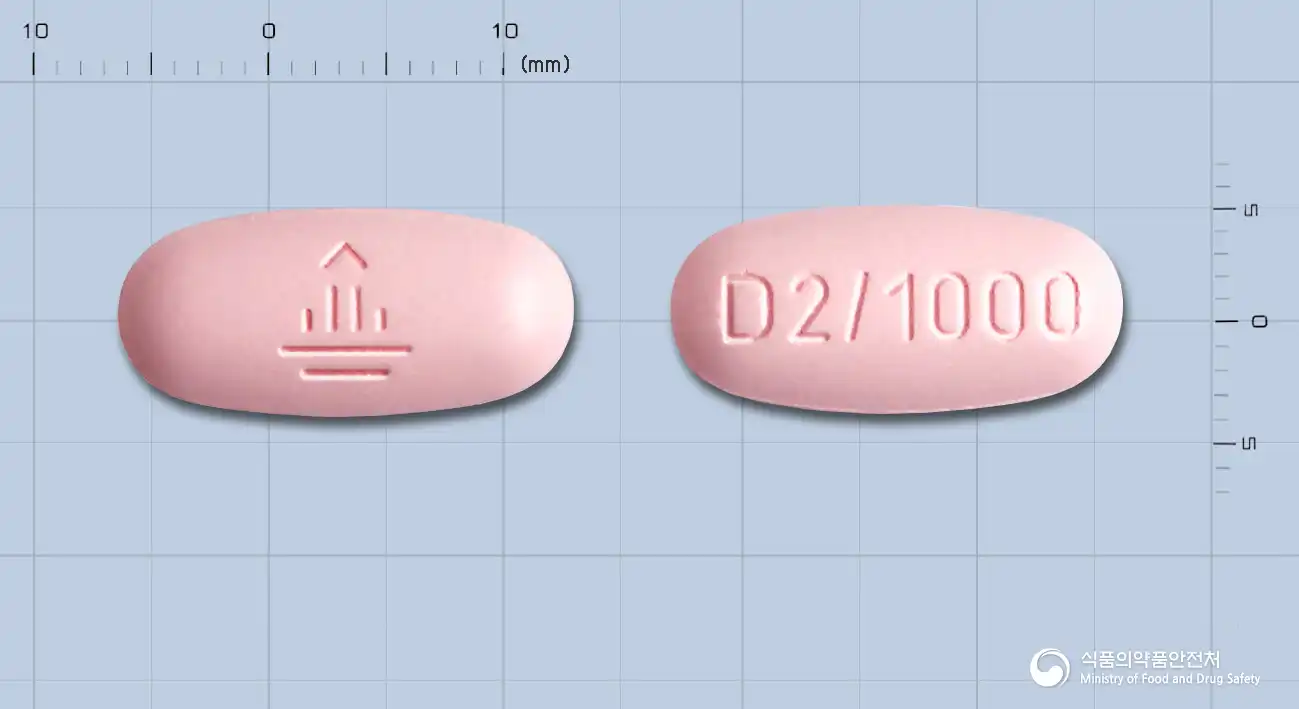
Linagliptin 2.5mg · Metformin Hydrochloride 1000mg
Tablet · Prescription medication · Combination
Boehringer Ingelheim Korea Co., Ltd.
Linagliptin 2.5mg · Metformin Hydrochloride 1000mg
Tablet · Prescription medication · Combination
Anguk Pharm Co., Ltd.
Linagliptin 2.5mg · Metformin Hydrochloride 1000mg
Prescription medication · Combination
Hanmi Pharmaceutical Co., Ltd.
 Combination
Linagliptin 2.5mg · Metformin Hydrochloride 1000mg
Tablet · Prescription medication · Combination
Kukje Pharmaceutical Co., Ltd.
 Combination
Linagliptin 2.5mg · Metformin Hydrochloride 500mg
Tablet · Prescription medication · Combination
International Pharmaceutical Co., Ltd.
Even with the same ingredient, the dose and directions can differ by strength and dosage form. Talk to a doctor or pharmacist before switching from a medication you are already taking.
No questions yet.
For anything that needs medical judgment, consult a doctor or pharmacist.
This drug information is based on data provided by the Korea Ministry of Food and Drug Safety.
Consult a doctor or pharmacist for accurate dosage, administration, and usage instructions.