Improvement of blood sugar control in type 2 diabetes
Who takes it
Adults
Adult dose
This medication should be taken once daily with dinner.
The dosage of metformin hydrochloride should be gradually increased.
To maintain extended-release characteristics, this medication should not be split, crushed, ground, or chewed but swallowed whole.
Rinatigen 5/1000 mg extended-release tablets should be taken once daily, with one tablet per dose.
Rinatigen 2.5/1000 mg extended-release tablets should be taken once daily, with two tablets being taken simultaneously.
1. Current
Improvement of blood sugar control in type 2 diabetes
View approved original textHide original text
This medication is used to assist patients with type 2 diabetes in achieving more effective blood sugar control by complementing dietary and exercise therapy. It is particularly suitable for patients requiring combination therapy with linagliptin and metformin, helping to manage blood sugar levels stably. This way, it supports enhanced diabetes management and helps maintain a healthy lifestyle.
How to take
Adult dose
This medication should be taken once daily with dinner.
The dosage of metformin hydrochloride should be gradually increased.
To maintain extended-release characteristics, this medication should not be split, crushed, ground, or chewed but swallowed whole.
Rinatigen 5/1000 mg extended-release tablets should be taken once daily, with one tablet per dose.
Rinatigen 2.5/1000 mg extended-release tablets should be taken once daily, with two tablets being taken simultaneously.
1. Current
Precautions
This medication is used for the treatment of type 2 diabetes and helps in controlling blood sugar levels.
However, precautions must be strictly followed while taking this medication.
First, this medication can rarely cause a serious condition known as lactic acidosis, which can lead to the excessive accumulation of lactic acid in the body, posing a dangerous condition requiring immediate treatment.
Therefore, patients with moderate to severe kidney impairment, acute kidney injury, severe infections, or significant dehydration should not take this medication.
Additionally, it is safer for patients with liver dysfunction, acute alcohol intoxication, or serious heart or respiratory diseases not to use this medication.
Hypoglycemic symptoms may occur during the course of this medication, so care should be taken to monitor blood sugar changes, especially when taken with sulfonylureas or insulin.
Acute pancreatitis or blistering skin diseases may also arise, so if severe abdominal pain or skin abnormalities occur during use, immediate consultation with a physician is necessary.
This medication can lower vitamin B12 levels, so during long-term use, it is necessary to confirm vitamin B12 status through a blood test.
Swallow the tablets whole without crushing, chewing, or breaking them, and it is normal for the tablet shell to pass in the stool.
Furthermore, this medication may interact with other drugs, so if other medications are being taken, it is essential to inform your doctor or pharmacist.
Women who are pregnant or breastfeeding should avoid this medication, and those planning a pregnancy should consult a doctor.
Elderly patients may have decreased kidney function, so regular kidney function tests should be conducted, and dosage adjustments may be necessary.
Finally, in case of overdose, immediate medical attention should be sought for appropriate treatment, and prompt action is needed, especially when symptoms of lactic acidosis occur.
By adhering to these precautions and following the doctor’s instructions, the benefits of this medication can be safely enjoyed.
Side effects and when to seek care immediately
Serious side effects
Hives, severe swelling (angioedema), difficulty breathing, lactic acidosis, unusual liver function (abnormal liver function tests, hepatitis), pancreatitis, similar dermatitis, severe allergic reactions, severe skin reactions, respiratory issues, acute kidney injury, angioedema, angina, acute myocardial infarction, unstable angina, cardiac arrest, acute cholangitis, acute cholecystitis, cholangitis, acute pyelonephritis, sepsis, gallstones, kidney transplant failure, cerebral infarction, altered consciousness, vision changes
Not everyone experiences these, and they can vary from person to person.
Storage
This medication must be stored in a tightly sealed container to prevent exposure to air or moisture. It is important to maintain a storage temperature between 1°C and 30°C.
Appearance and packaging
Appearance
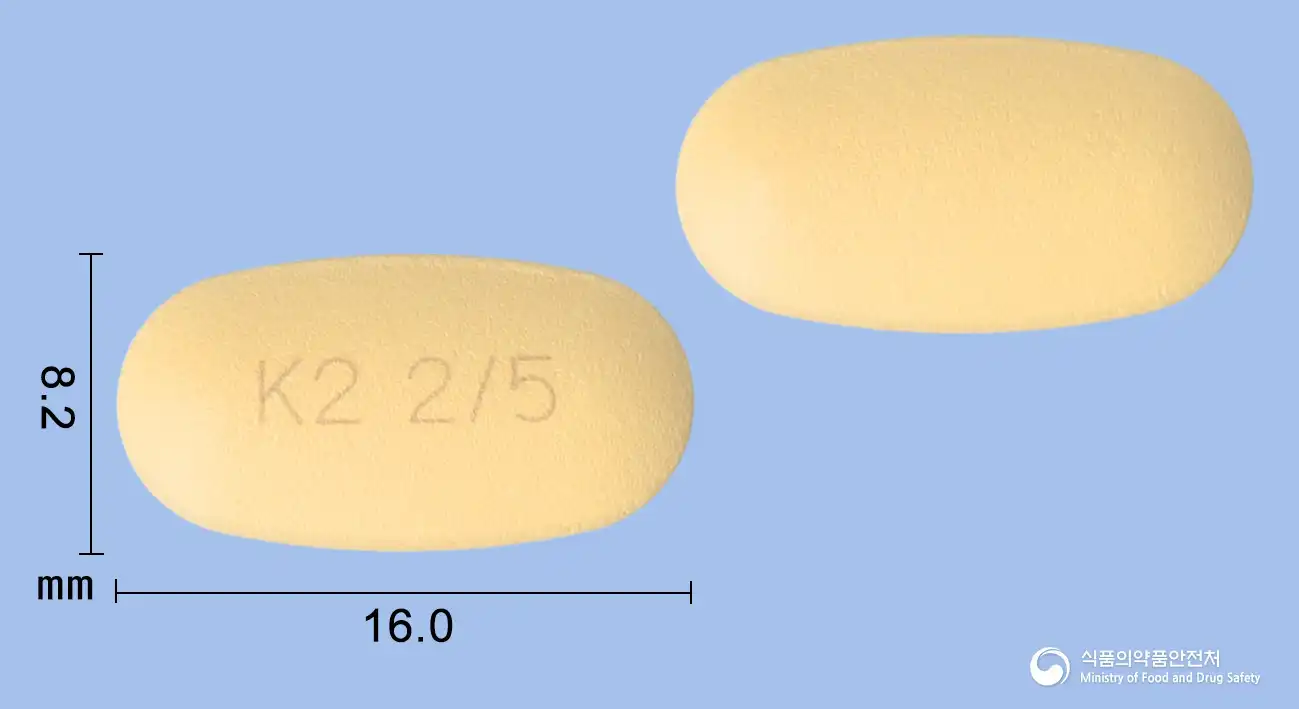
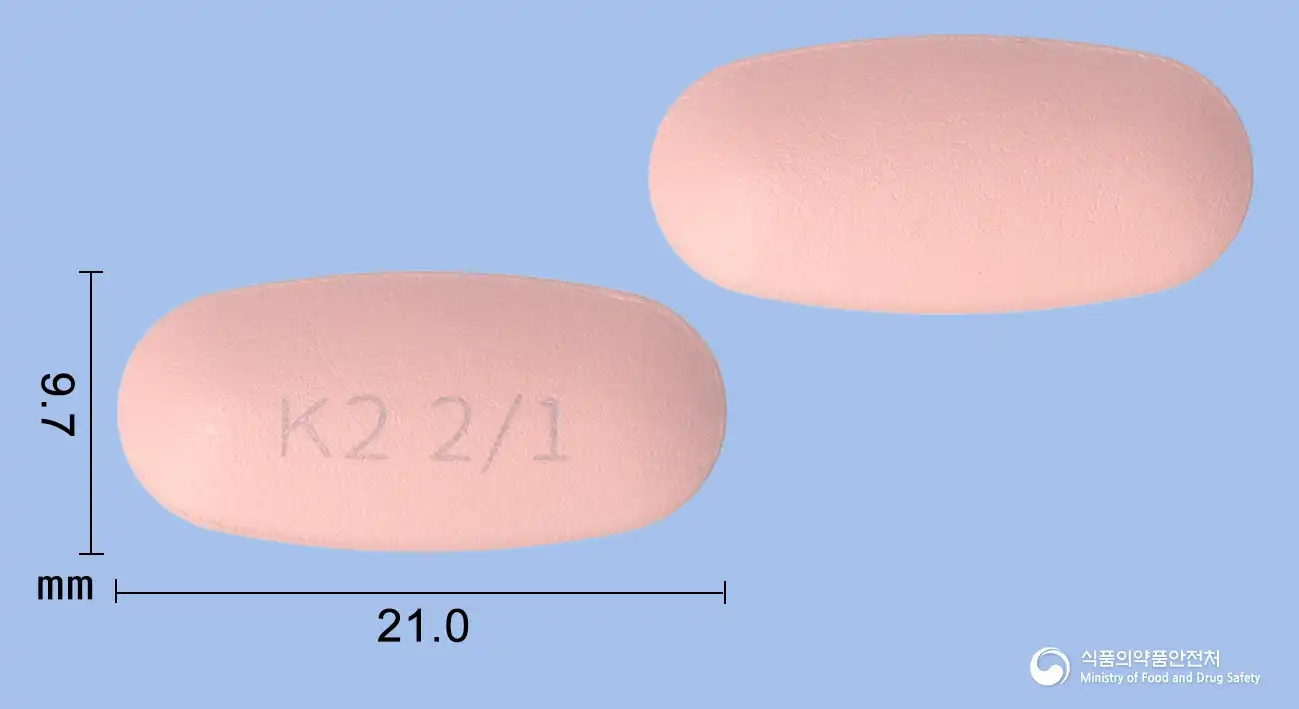
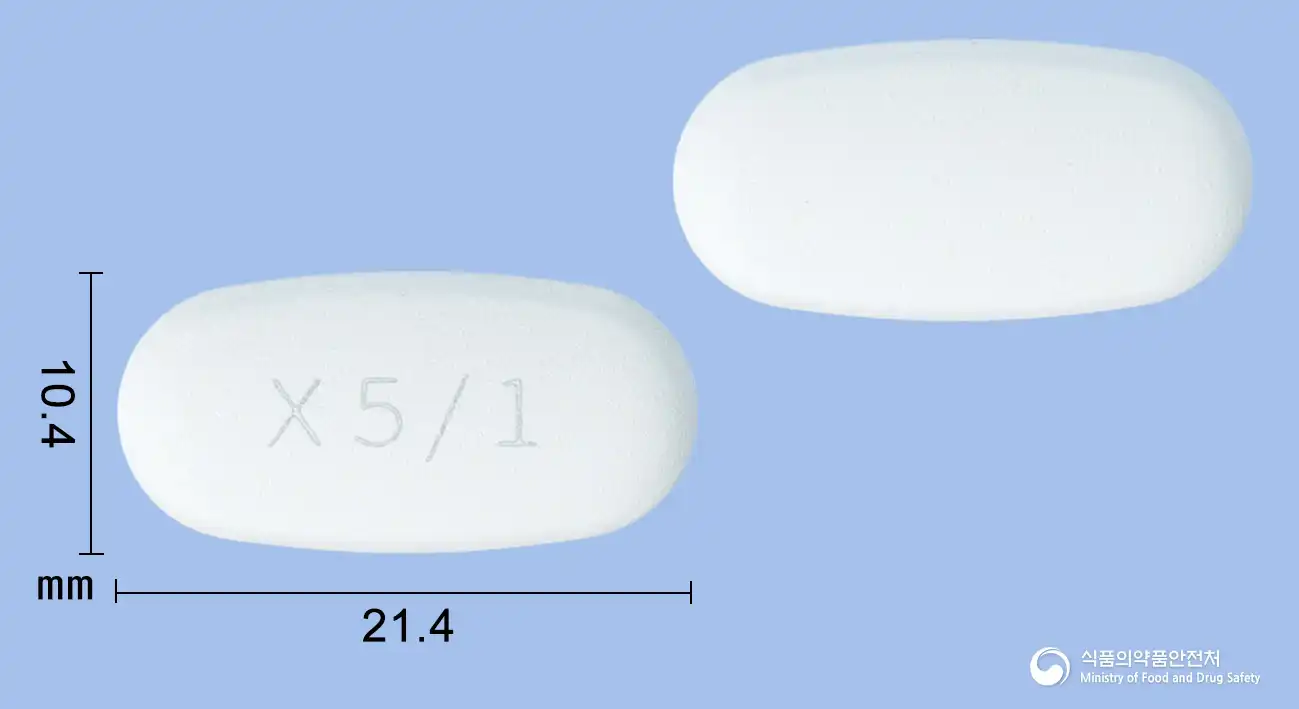
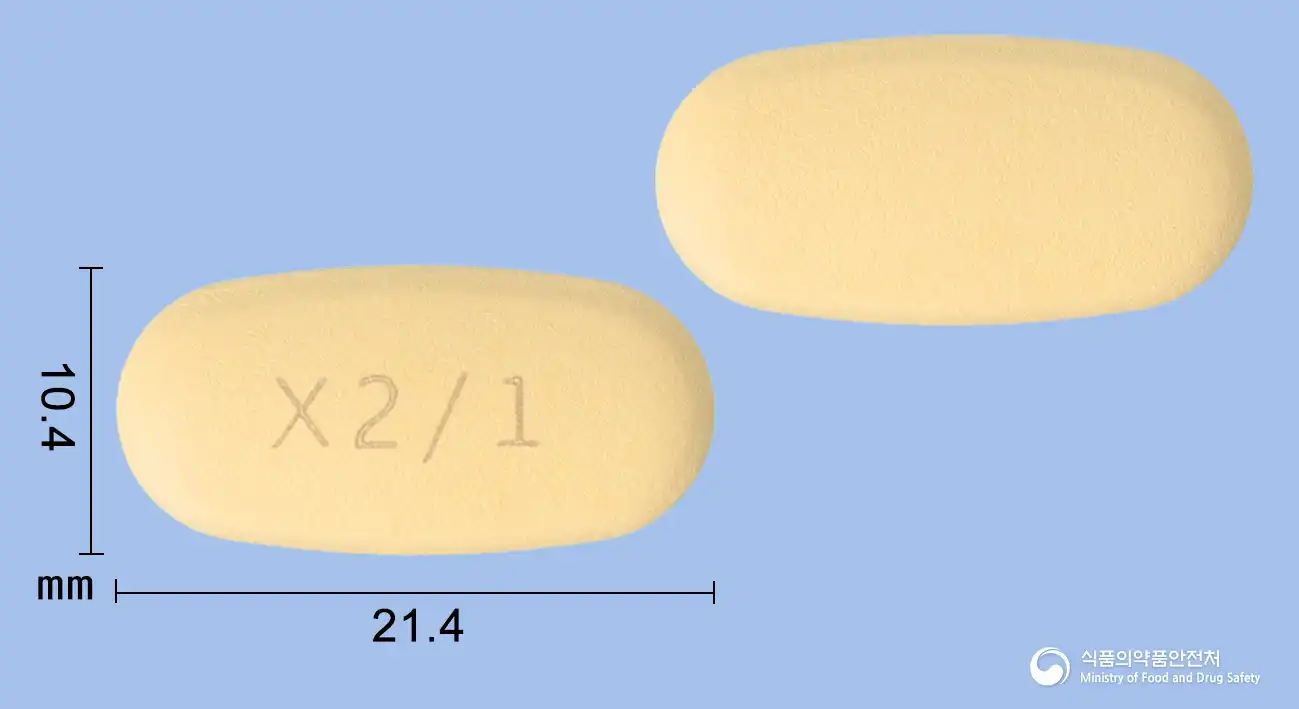
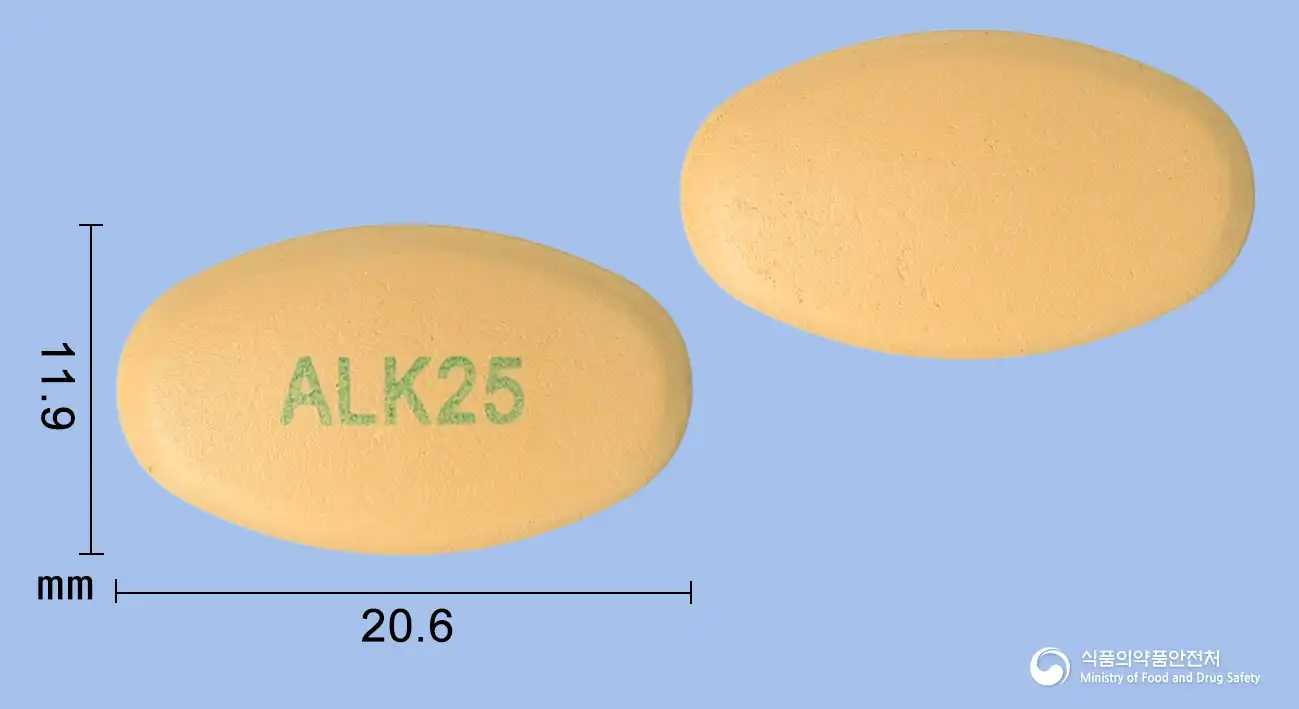
Yellow oval extended-release film-coated tablet
Package unit
30 tablets/bottle
Same-ingredient medicines
Even with the same ingredient, strength, dosage form and how it is taken can differ.
Even with the same ingredient, the dose and directions can differ by strength and dosage form. Talk to a doctor or pharmacist before switching from a medication you are already taking.
Questions about this medicine
No questions yet.
For anything that needs medical judgment, consult a doctor or pharmacist.
This drug information is based on data provided by the Korea Ministry of Food and Drug Safety. Consult a doctor or pharmacist for accurate dosage, administration, and usage instructions.

 한국어
한국어 English
 日本語
日本語 中文(简体)
 Viewing nowCombination