
 한국어
한국어 English
 日本語
日本語 中文(简体)
 Viewing nowCombination
Glyzenta Duo Extended Release Tablet 2.5/1000 mg (Linagliptin, Metformin Hydrochloride)
Metformin Hydrochloride 1000mg · Linagliptin Micronized 2.5mg
Tablet · Prescription medication · Combination
Aju Pharmaceuticals Co., Ltd.
MFDS item code 202400633 · Approved 2024.03.25 · Insurance code 654006180
Improvement in blood sugar control in type 2 diabetes
This medicine is used to assist patients with type 2 diabetes in managing their blood sugar levels alongside dietary and exercise therapy. It helps effectively improve blood sugar levels, particularly through the combination of Linagliptin and Metformin. Therefore, taking this medicine alongside regular meals and exercise will greatly aid in blood sugar management.
This medicine is taken once daily with the evening meal. The 5/1000 mg extended-release tablet should be taken once daily, and the 2.5/1000 mg extended-release tablet should be taken twice daily, simultaneously. The dosage of Metformin Hydrochloride should be gradually increased. The initial dosage is Linagliptin 5 mg and Metformin Hydrochloride 1000 mg, and the maximum daily dosage of Metformin Hydrochloride is up to 2000 mg gradually.
This medicine assists in controlling blood sugar levels, with the active ingredients being Linagliptin and Metformin Hydrochloride. It can rarely cause a serious metabolic disorder called lactic acidosis, which can become life-threatening if treatment is delayed. This medicine should not be administered to certain patients, such as those with allergies to this medicine, type 1 diabetes patients, patients with severe kidney impairment, and patients with poor liver function. Additionally, it is advisable for patients in acute conditions, such as dehydration, severe infections, heart disease, and acute myocardial infarction, to avoid using this medicine. When using this medicine, caution should be taken regarding the risk of hypoglycemia, especially when used together with insulin or sulfonylureas, as blood sugar levels may drop too low. To reduce the risk of lactic acidosis, kidney function should be regularly monitored, and if kidney function is impaired, the use of this medicine should be discontinued. This medicine should be suspended for a certain period during surgeries or radiological examinations and resumed only after kidney function has recovered post-surgery. When taking this medicine, do not crush or chew the tablet; it should be swallowed whole, and it is normal for the tablet shell to be excreted in the stool. Women who are pregnant or planning to become pregnant should avoid this medicine, and those who are breastfeeding should not use it either for safety reasons. When administered to elderly patients, careful observation of kidney function is important to determine the appropriate dosage. While using this medicine, side effects such as gastrointestinal disturbances, hypoglycemia, pancreatitis, and skin rashes may occur; if any unusual symptoms appear, consult a doctor immediately. Furthermore, this medicine may interact with other medications, so if you are taking any other medications, be sure to inform your healthcare provider, especially if those medications may affect kidney function. Lastly, in the case of an overdose, serious side effects such as lactic acidosis may occur, requiring immediate hospital treatment. This medicine should be stored out of reach of children and kept away from moisture.
Urticaria, angioedema, lactic acidosis, pancreatitis, pseudoporphyria, angioedema, severe rashes with high fever, blisters, exfoliation of the skin, oral/ocular mucosal pain, difficulty breathing or shortness of breath, asthma attacks, respiratory abnormalities associated with cough + fever, yellowing of the skin or eyes (jaundice), severe lethargy, sudden and severe headache, lightning-like headache, seizures, confusion, visual disturbances, paralysis, markedly reduced urine output
Not everyone experiences these, and they can vary from person to person.
This medicine is sensitive to air and moisture, so it should be stored in a tightly closed container. Additionally, it is important to maintain its effectiveness by storing it at a cool room temperature, between 1 and 30 degrees Celsius.
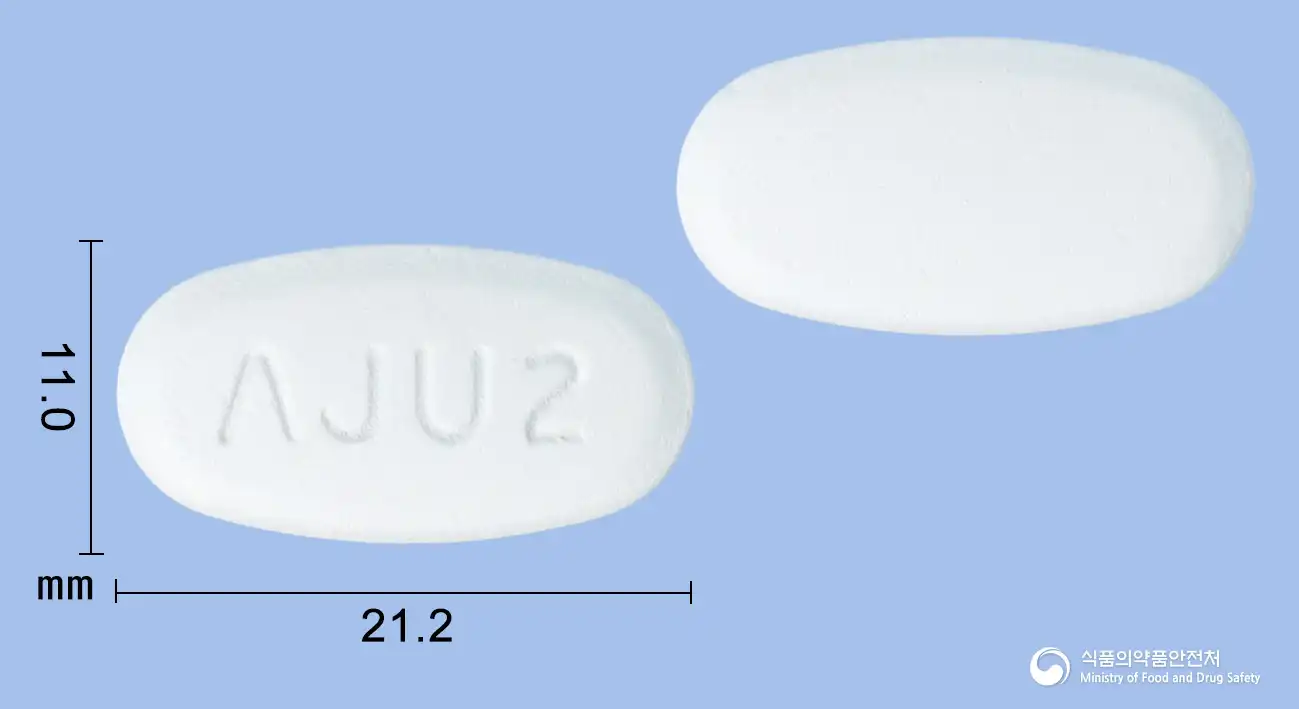
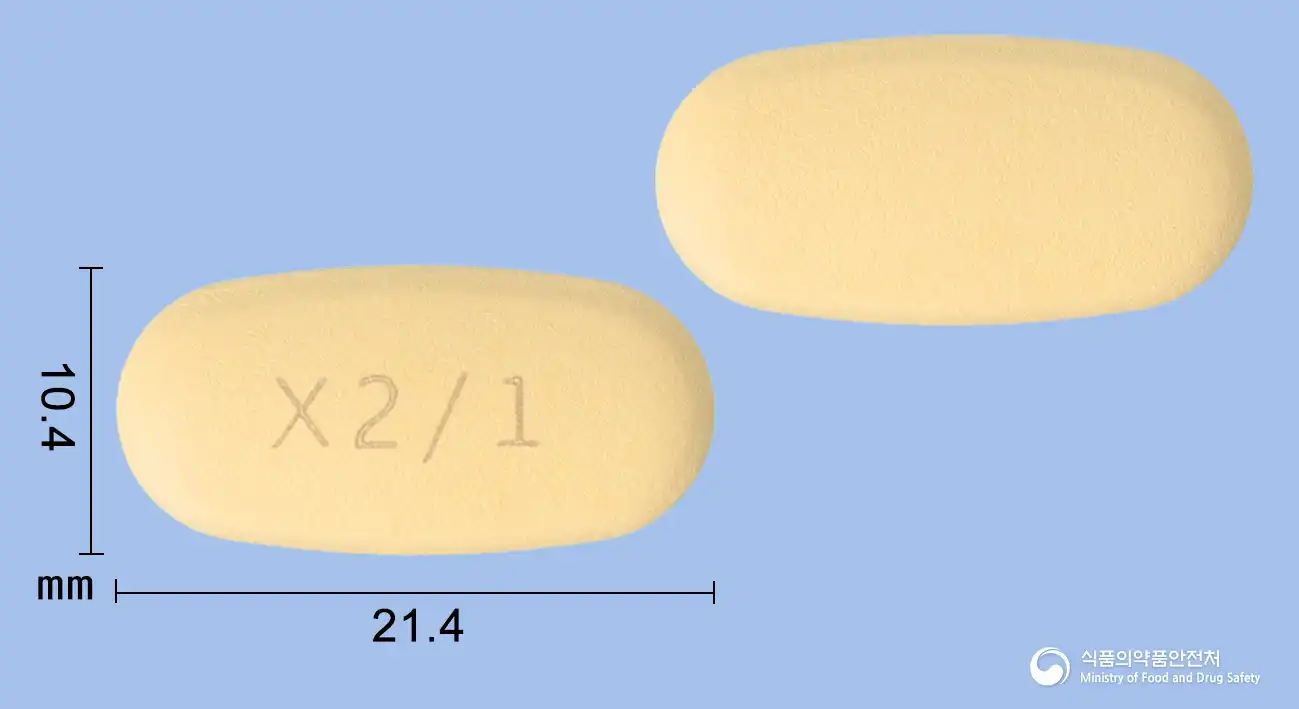
This medicine is a white, oval, extended-release film-coated tablet.
30 tablets/bottle, 30 tablets/box [(6 tablets/PTP x 5)]
Even with the same ingredient, strength, dosage form and how it is taken can differ.
Viewing nowCombinationMetformin Hydrochloride 1000mg · Linagliptin Micronized 2.5mg
Tablet · Prescription medication · Combination
Aju Pharmaceuticals Co., Ltd.
Linagliptin Micronized 2.5mg · Metformin Hydrochloride 1000mg
Tablet · Prescription medication · Combination
Samjin Pharmaceutical Co., Ltd.
Linagliptin Micronized 2.5mg · Metformin Hydrochloride 500mg
Tablet · Prescription medication · Combination
Samjin Pharmaceutical Co., Ltd.
Linagliptin Micronized 2.5mg · Metformin Hydrochloride 850mg
Tablet · Prescription medication · Combination
Samjin Pharmaceutical Co., Ltd.
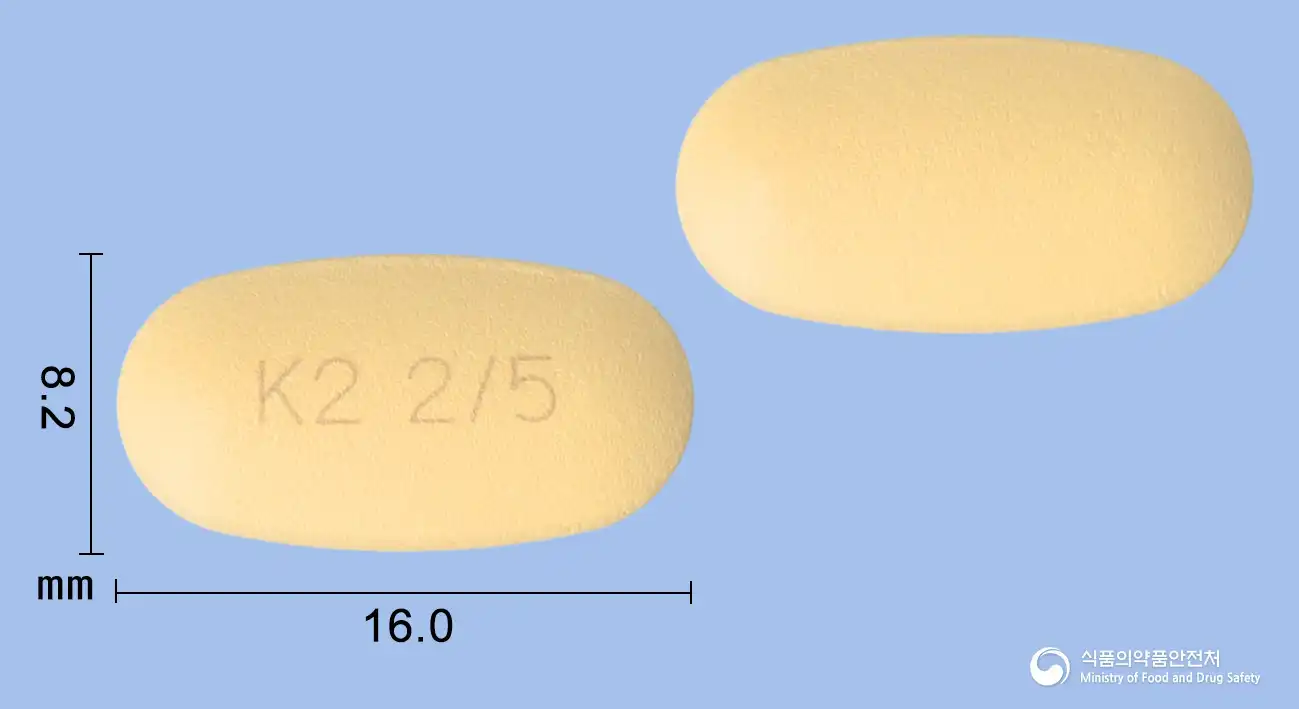 Combination
Linagliptin Micronized 2.5mg · Metformin Hydrochloride 500mg
Tablet · Prescription medication · Combination
Genewon Science Co., Ltd.
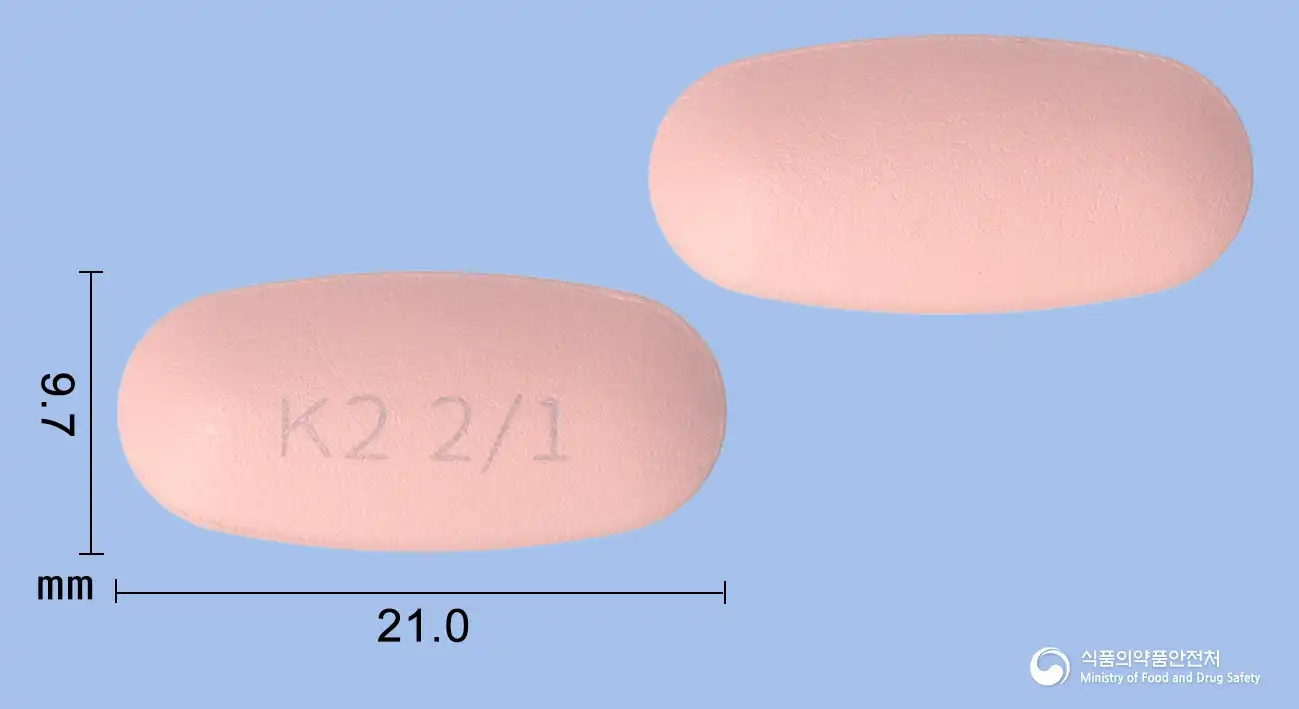 Combination
Linagliptin Micronized 2.5mg · Metformin Hydrochloride 1000mg
Tablet · Prescription medication · Combination
Genewon Science Co., Ltd.
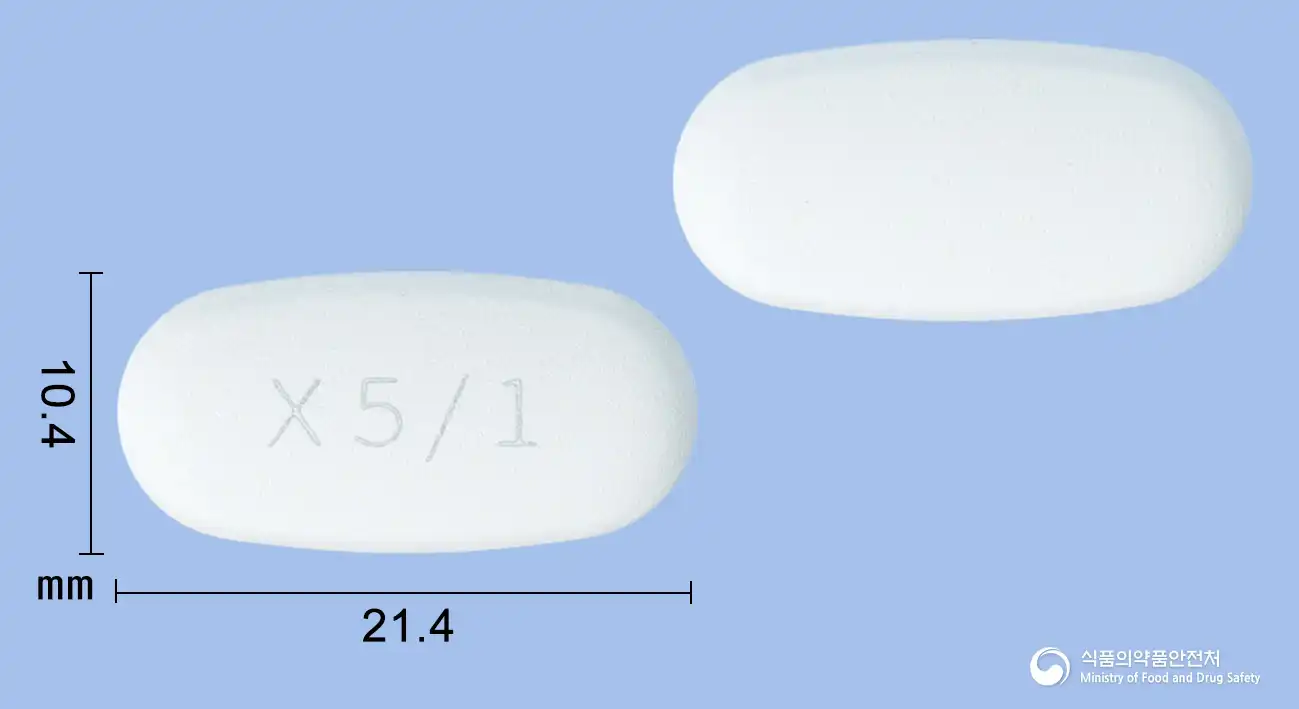 Combination
Linagliptin Micronized 5mg · Metformin Hydrochloride 1000mg
Tablet · Prescription medication · Combination
Genewon Science Co., Ltd.
 Combination
Linagliptin Micronized 2.5mg · Metformin Hydrochloride 1000mg
Tablet · Prescription medication · Combination
Genewon Science Co., Ltd.
Even with the same ingredient, the dose and directions can differ by strength and dosage form. Talk to a doctor or pharmacist before switching from a medication you are already taking.
No questions yet.
For anything that needs medical judgment, consult a doctor or pharmacist.
This drug information is based on data provided by the Korea Ministry of Food and Drug Safety.
Consult a doctor or pharmacist for accurate dosage, administration, and usage instructions.