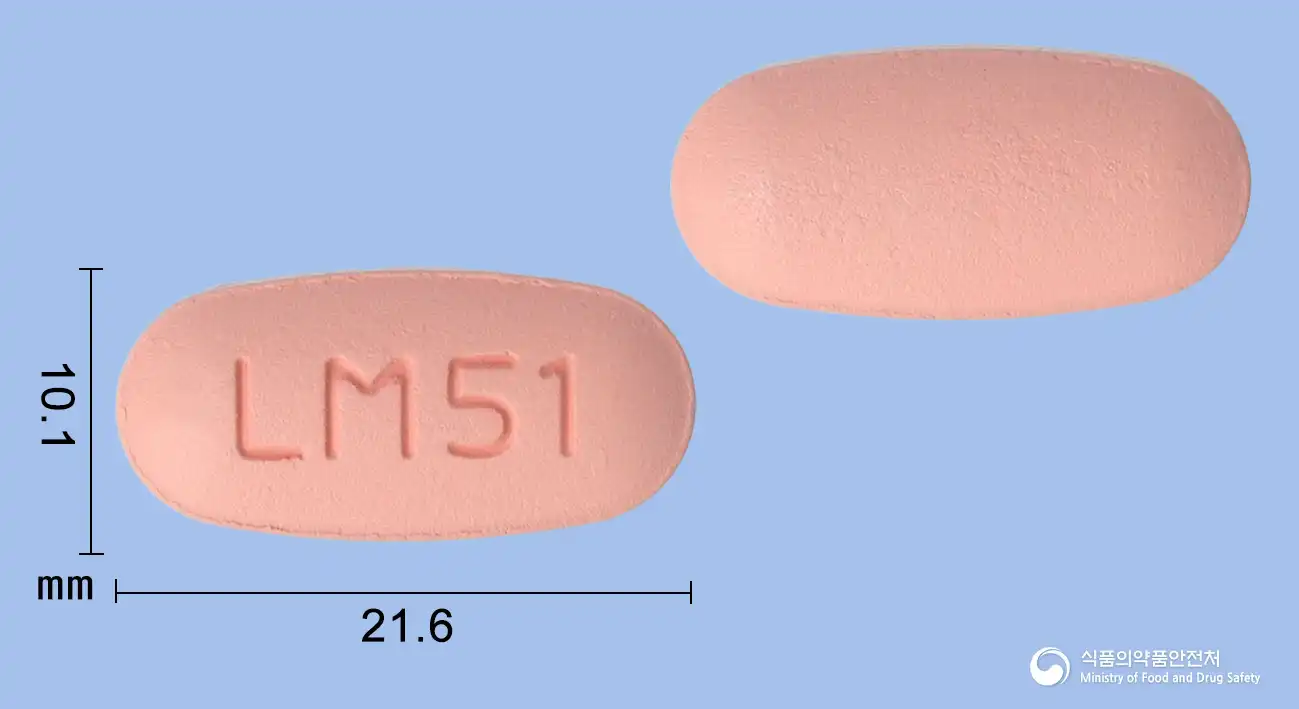
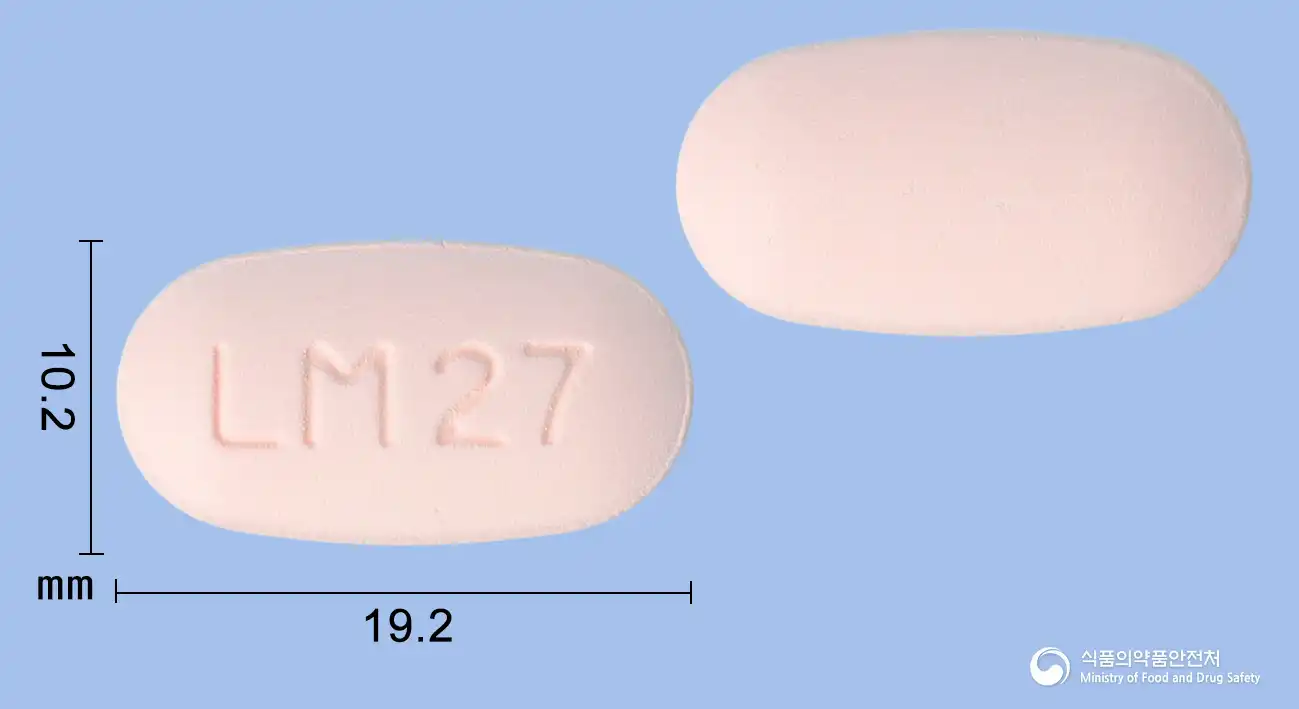
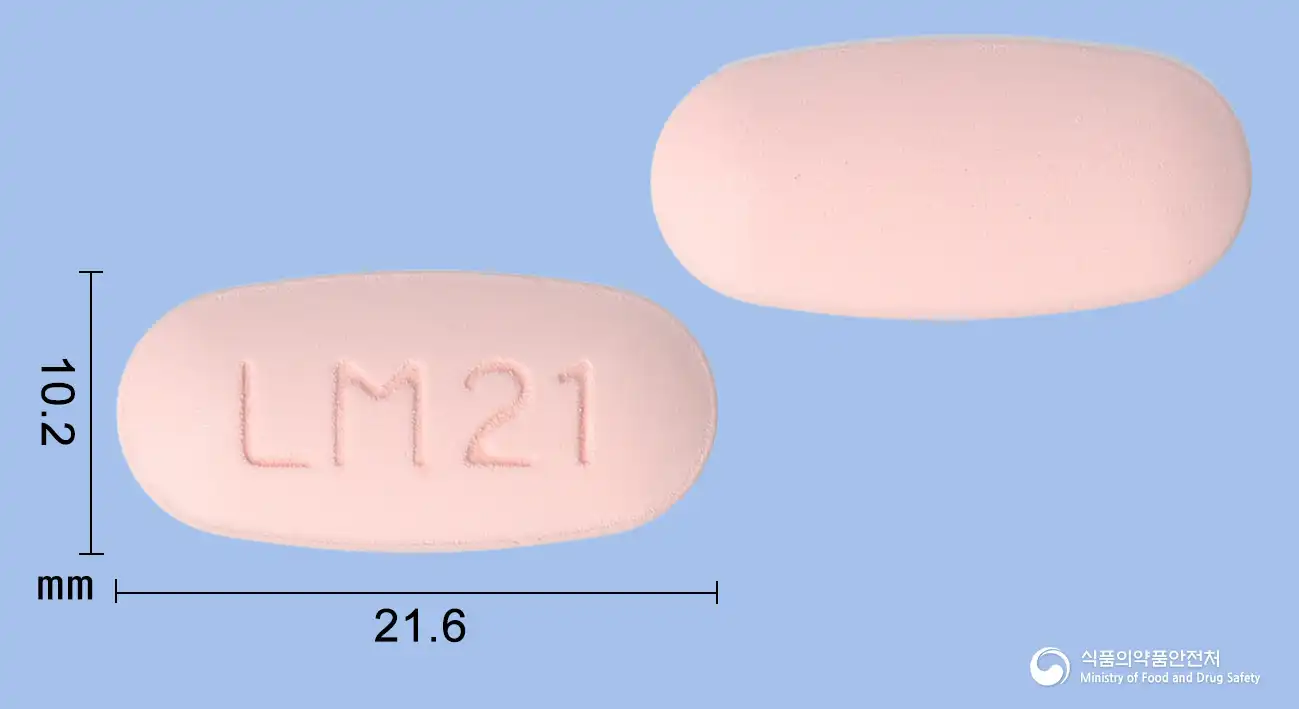
Improvement of blood sugar control in type 2 diabetes
Who takes it
Adults
Adult dose
This medication should be taken once daily with dinner. The 5/1000 mg controlled-release tablet should be taken once daily, 1 tablet at a time. The 2.5/750 mg controlled-release tablet or the 2.5/1000 mg controlled-release tablet should be taken twice daily, 2 tablets at a time.
1. If the patient is not currently being treated with metformin
- The initial dose is 5 mg of linagliptin and 1000 mg of metformin hydrochloride.
Improvement of blood sugar control in type 2 diabetes
View approved original textHide original text
This medication is prescribed to help patients with type 2 diabetes control their blood sugar by using linagliptin and metformin together. It is administered in conjunction with dietary adjustments and exercise therapy to effectively improve blood sugar levels. It supports patients in managing their blood sugar more effectively.
How to take
Adult dose
This medication should be taken once daily with dinner. The 5/1000 mg controlled-release tablet should be taken once daily, 1 tablet at a time. The 2.5/750 mg controlled-release tablet or the 2.5/1000 mg controlled-release tablet should be taken twice daily, 2 tablets at a time.
1. If the patient is not currently being treated with metformin
- The initial dose is 5 mg of linagliptin and 1000 mg of metformin hydrochloride.
Precautions
This medication can rarely cause severe lactic acidosis or hypoglycemia, so caution is necessary.
It should not be used in cases of allergies to the components included in this medication, or in individuals with type 1 diabetes, lactic acidosis, diabetic ketoacidosis, severe renal impairment, acute heart disease, etc.
Use of this medication should also be avoided in acute situations that may affect renal function, such as severe infections, dehydration, severe trauma, shock, and administration of radiocontrast agents containing iodine.
Patients with liver dysfunction, acute alcohol intoxication, malnutrition, or acute and unstable heart failure should not use this medication.
It is advisable to avoid this drug during pregnancy or if there's a risk of placental dysfunction or pre-eclampsia.
Since there is a risk of hypoglycemia, dosage adjustment and caution are needed when used in combination with sulfonylureas or insulin.
Lactic acidosis, although rare, is a very serious side effect associated with worsening renal function, cardiopulmonary conditions, and sepsis, so symptoms should be reported to a physician immediately if they occur.
Since this medication is mainly excreted via the kidneys, it is important to regularly test kidney function and discontinue or adjust dosage if kidney function is impaired.
Patients with weakened heart function should use this medication cautiously, and it should be discontinued for a certain period before and after the administration of radiocontrast agents containing iodine.
It is also necessary to discontinue this medication for a certain period before and after surgery.
This drug may cause skin conditions such as pancreatitis or blistering dermatitis, so if symptoms occur, immediate consultation with medical professionals is necessary.
Long-term use may lead to vitamin B12 deficiency; therefore, blood levels of vitamin B12 should be checked and supplemented if necessary.
This medication should be swallowed whole without crushing or chewing, and it is normal for the shell of the tablet to appear in stool.
There can be interactions with other medications, so caution is especially necessary when used with drugs that affect renal function.
It is recommended to avoid use during pregnancy or breastfeeding.
Safety and efficacy in pediatric patients have not been established, and elderly patients may require dosage adjustments and regular monitoring of kidney function due to the risk of renal impairment.
In case of overdose, gastrointestinal disturbances and lactic acidosis may occur, so if suspected, immediate medical attention should be sought.
This medication should be kept out of reach of children, away from moisture, and should not be transferred to other containers.
Side effects and when to seek care immediately
Serious side effects
Urticaria, severe swelling (angioedema), chest tightness, difficulty breathing, cold sweats, paleness, lactic acidosis, severe rash accompanied by high fever, blisters, skin peeling, pain in mucous membranes of mouth/eyes, shortness of breath or difficulty breathing, asthma attacks, respiratory abnormalities associated with cough+fever, yellowing of skin or eyes (jaundice), extreme fatigue, sudden and severe headache, thunderclap headache, seizures, confusion, visual disturbances
Not everyone experiences these, and they can vary from person to person.
Storage
This medication may be sensitive to air and moisture, so it must be stored in a tightly sealed container. It should be kept at room temperature between 1 degree and 30 degrees Celsius. This will help maintain the effectiveness of the medication for a long time.
Even with the same ingredient, the dose and directions can differ by strength and dosage form. Talk to a doctor or pharmacist before switching from a medication you are already taking.
Questions about this medicine
No questions yet.
For anything that needs medical judgment, consult a doctor or pharmacist.
This drug information is based on data provided by the Korea Ministry of Food and Drug Safety. Consult a doctor or pharmacist for accurate dosage, administration, and usage instructions.

 한국어
한국어 English
 日本語
日本語 中文(简体)