Improvement in blood glucose control in type 2 diabetes
Who takes it
Adults
Adult dose
This medication should be taken once daily with the evening meal.
To maintain the sustained release characteristics, do not split, crush, or chew.
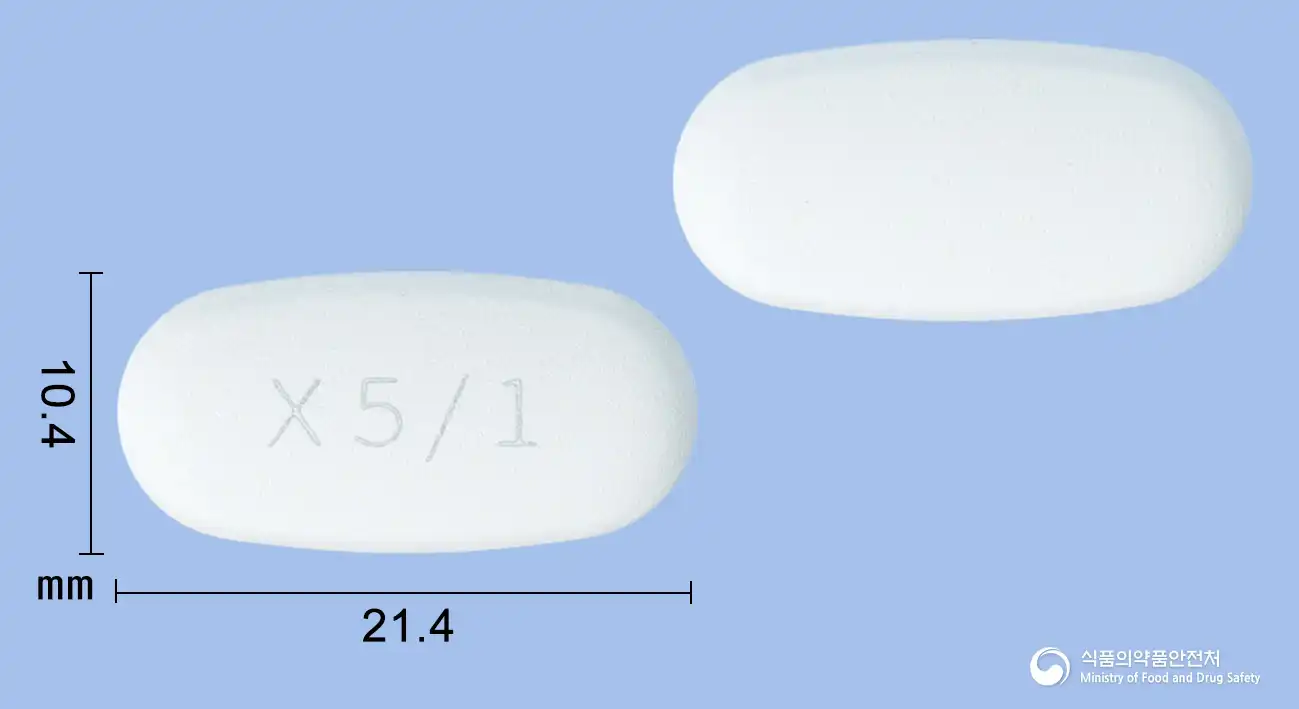
The 5/1000 mg sustained release tablet is taken once daily, 1 tablet at a time.
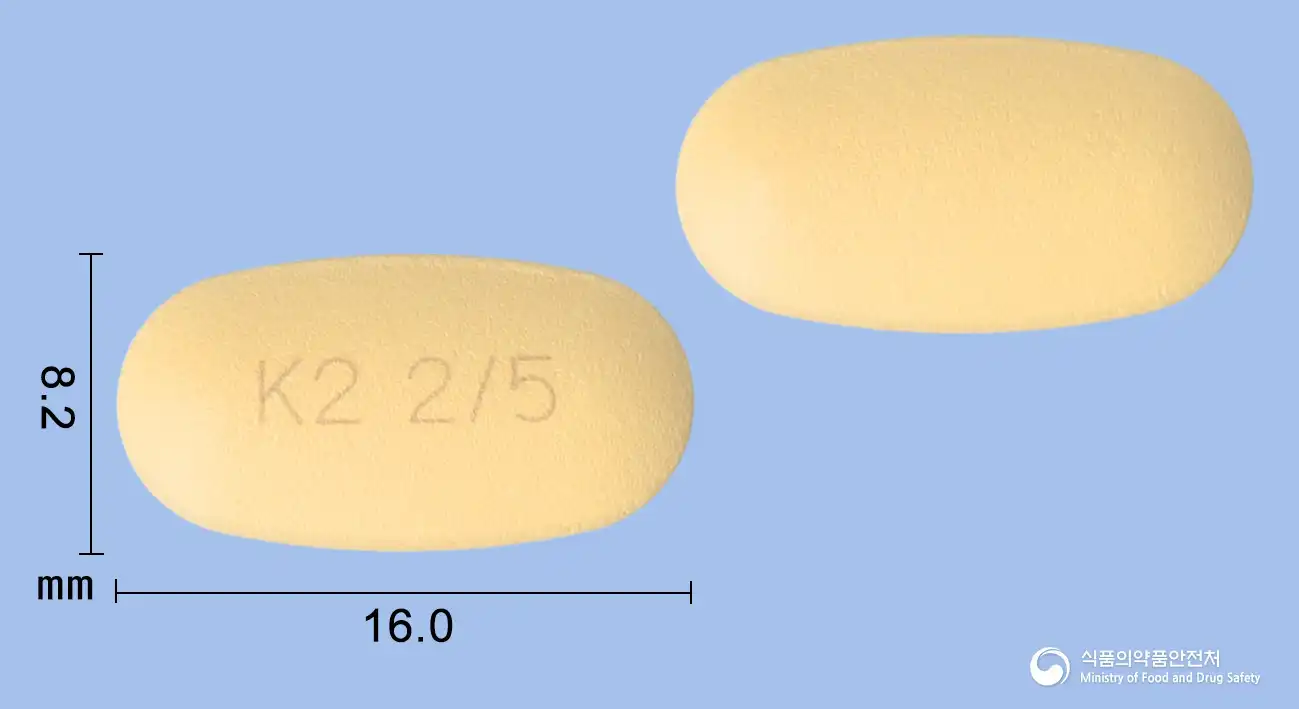
The 2.5/1000 mg sustained release tablet is taken once daily, 2 tablets at a time.
The initial dosage is a total daily amount of 5 mg of Linagliptin and 1000 mg of Metformin Hydrochloride.
Improvement in blood glucose control in type 2 diabetes
View approved original textHide original text
This medication is prescribed to assist patients with type 2 diabetes who are taking Linagliptin and Metformin together in managing their blood sugar levels. It is used in conjunction with dietary regulation and exercise therapy, effectively aiding in blood sugar control. Continued use contributes to stable blood sugar levels, promoting healthy living.
How to take
Adult dose
This medication should be taken once daily with the evening meal.
To maintain the sustained release characteristics, do not split, crush, or chew.
The 5/1000 mg sustained release tablet is taken once daily, 1 tablet at a time.
The 2.5/1000 mg sustained release tablet is taken once daily, 2 tablets at a time.
The initial dosage is a total daily amount of 5 mg of Linagliptin and 1000 mg of Metformin Hydrochloride.
Precautions
This medication is used in the treatment of diabetes, helping to regulate blood sugar levels.
However, it may rarely cause serious lactic acidosis or hypoglycemia, so caution is required.
It should not be administered to patients with severely impaired kidney function or conditions such as type 1 diabetes, lactic acidosis, diabetic ketoacidosis, severe infections, or acute myocardial infarction.
Additionally, patients with impaired liver function, acute alcohol intoxication, malnutrition, or unstable heart failure should avoid using this medication.
While using this medication, attention should be paid to symptoms of hypoglycemia, especially when used in conjunction with other blood glucose-lowering agents such as insulin or sulfonylureas, which may increase the risk of hypoglycemia.
Lactic acidosis is a very rare side effect, but the risk increases in cases of reduced kidney function, cardiopulmonary disease, or severe infection; any symptoms should be reported to healthcare professionals immediately.
Routine kidney function tests should be performed, and the use of this drug may need to be discontinued if kidney function declines.
Temporary discontinuation of this drug is recommended during surgery or radiological examinations, and re-initiation should occur after renal function has recovered post-surgery.
During treatment, acute pancreatitis or skin blistering conditions may occur, and if persistent abdominal pain or skin abnormalities arise, immediate consultation with a physician is necessary.
This medication should be swallowed whole and not crushed or chewed, and while the tablet coat may be excreted intact, this is normal.
Vitamin B12 deficiency may occur, so checking blood levels of vitamin B12 is advisable during prolonged use.
It is preferable not to use this medication during pregnancy or breastfeeding, and if pregnancy is planned, it is essential to consult with a doctor.
Elderly patients may have decreased kidney function, so dosage adjustment and monitoring of kidney function are necessary.
This medication may interact with other drugs, so it is crucial to inform healthcare providers or pharmacists of any additional medications being taken.
In case of overdose, lactic acidosis may occur, requiring immediate hospital treatment, and if necessary, the drug can be removed by hemodialysis.
Lastly, keep out of reach of children, avoid moisture, and do not transfer to another container.
Not everyone experiences these, and they can vary from person to person.
Storage
This medication must be stored in a tightly sealed container to avoid exposure to air or moisture. It is also recommended to store it at a temperature between 1 degree and 30 degrees Celsius.
Appearance and packaging
Appearance
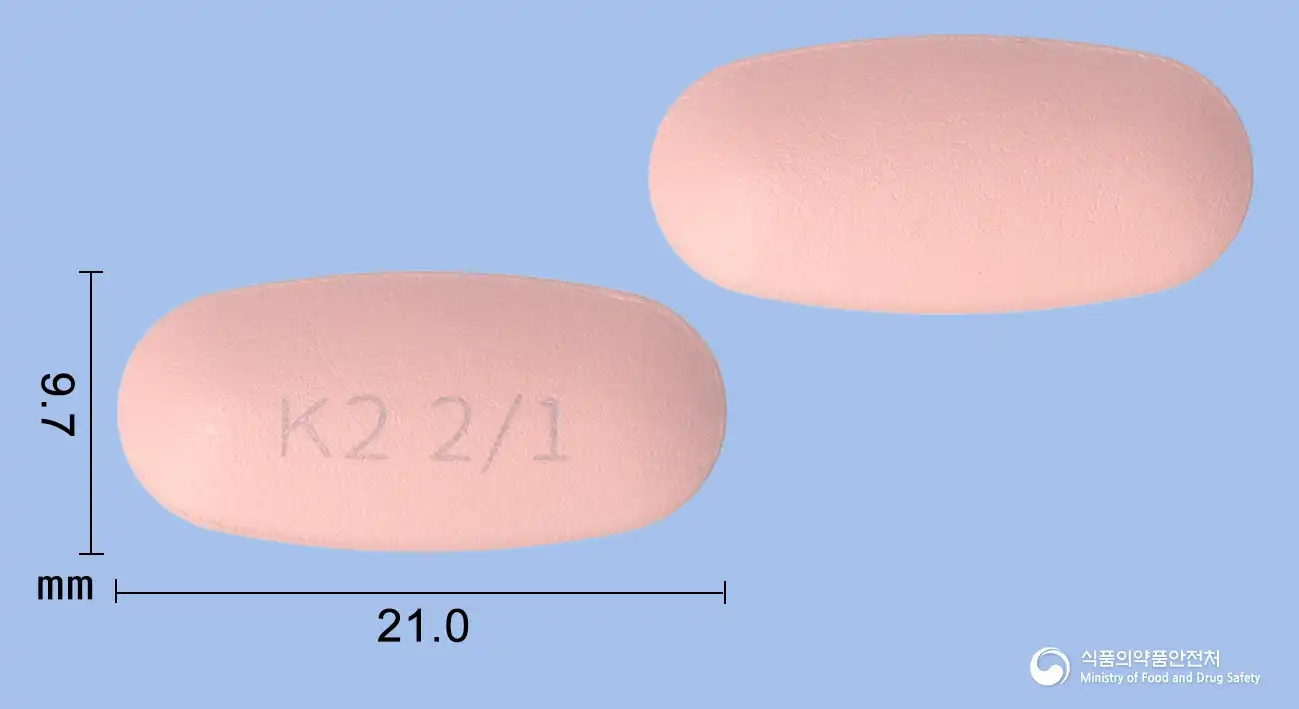
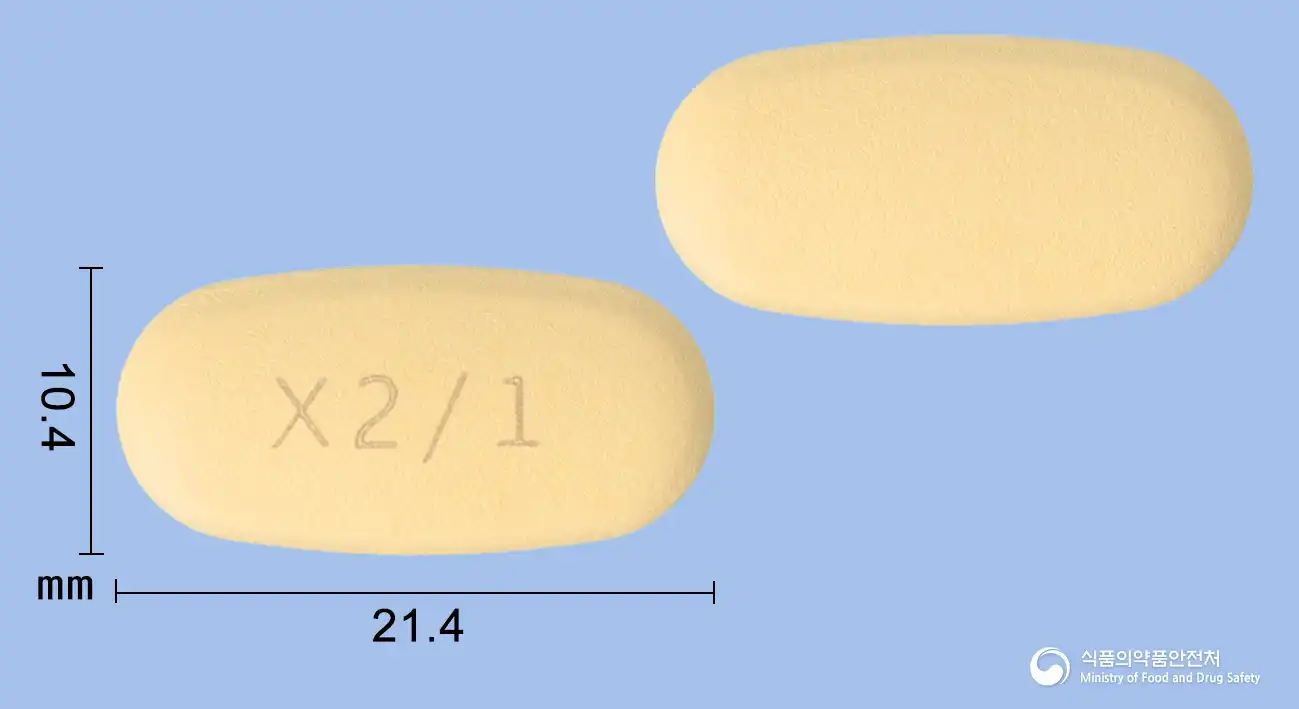
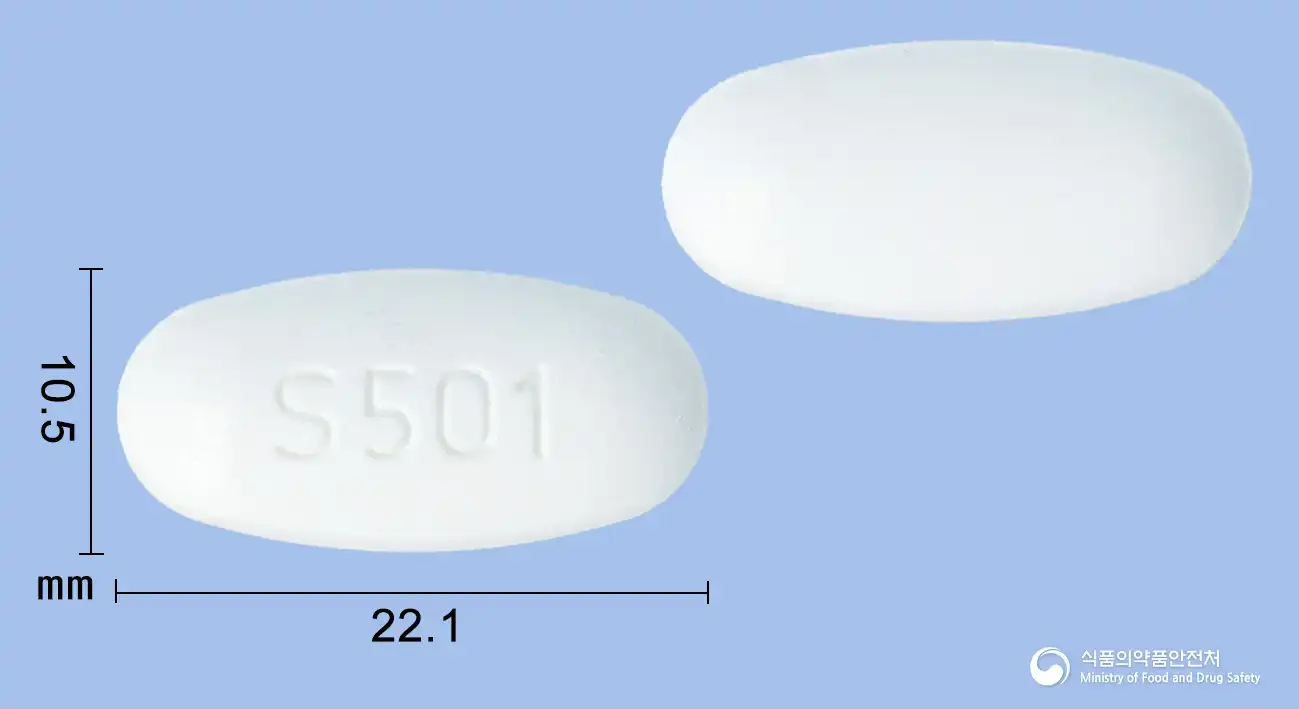
Oval sustained release tablet imprinted with S501, white to almost white.
Package unit
28 tablets/box (7 tablets/PTP x 4)
Same-ingredient medicines
Even with the same ingredient, strength, dosage form and how it is taken can differ.
Even with the same ingredient, the dose and directions can differ by strength and dosage form. Talk to a doctor or pharmacist before switching from a medication you are already taking.
Questions about this medicine
No questions yet.
For anything that needs medical judgment, consult a doctor or pharmacist.
This drug information is based on data provided by the Korea Ministry of Food and Drug Safety. Consult a doctor or pharmacist for accurate dosage, administration, and usage instructions.

 한국어
한국어 English
 日本語
日本語 中文(简体)
 Viewing nowCombination