
 한국어
한국어 English
 日本語
日本語 中文(简体)
 Viewing nowCombination
Glarinduo Extended-Release Tablet 2.5/1000 mg (Linagliptin, Metformin)
Metformin Hydrochloride 1000mg · Linagliptin Micronized 2.5mg
Tablet · Prescription medication · Combination
Eden Pharma Co., Ltd.
MFDS item code 202400626 · Approved 2024.03.22 · Insurance code 628902350
Improvement in blood sugar control in type 2 diabetes
This medication is prescribed to improve blood sugar control in patients with type 2 diabetes who are using Linagliptin and Metformin together. It helps effectively manage blood sugar levels in conjunction with dietary and exercise therapy, facilitating better diabetes management for patients.
This medication is to be taken once daily, preferably with the evening meal. To reduce gastrointestinal side effects associated with metformin use, dose increases should be gradual. This medication should be swallowed whole; it should not be split, crushed, or chewed. The 5/1000 mg extended-release tablet should be taken once daily, one tablet at a time. The 2.5/1000 mg extended-release tablet should be taken once daily, two tablets simultaneously.
This medication may rarely cause a dangerous condition called lactic acidosis; therefore, it should not be used, especially in patients with impaired renal function or those with acute illnesses. Patients allergic to the active ingredients, those with type 1 diabetes, lactic acidosis, diabetic ketoacidosis, severe renal impairment, or significant liver dysfunction should not be administered this medication. Patients with acute or chronic alcohol intoxication should also avoid this medication. Since this medication can cause hypoglycemia, blood glucose levels should be closely monitored, particularly when used in conjunction with sulfonylureas or insulin. Patients with decreased renal function must undergo regular kidney function tests before and during treatment, and if function declines severely, treatment should be stopped. Patients with unstable cardiac function or acute heart failure should also use this medication with caution. Before and after receiving iodinated contrast agents used during radiological examinations, the use of this medication should be temporarily discontinued, and kidney function should be monitored. Patients scheduled for surgery should stop taking this medication 48 hours prior to the procedure and should not resume it until kidney function has stabilized afterward. Acute pancreatitis or bullous skin disease may occur during treatment; if abdominal pain or skin abnormalities appear, patients should consult a doctor immediately. The metformin component may lower vitamin B12 levels, so regular monitoring of vitamin B12 levels is necessary during long-term use. This medication is a swallowable tablet and should be taken whole without crushing or chewing. The tablet coating may appear in stool, but this is normal. Pregnant or breastfeeding women are advised to avoid using this medication and should consult a doctor if planning for pregnancy. Elderly patients may experience reduced renal function, so treatment should begin with the minimum dose, and renal function should be periodically checked. Drug interactions may occur when used with other medications; therefore, patients should inform their doctor or pharmacist of any other medications they are taking. In case of overdose, there is a risk of lactic acidosis, and immediate hospital treatment is required, which may include hemodialysis.
Urticaria, severe swelling (edema), angioedema, lactic acidosis, severe allergic reactions, pancreatitis, bullous pemphigoid, liver abnormalities (liver function test abnormalities, hepatitis), angina pectoris, acute myocardial infarction, unstable angina, heart failure, congestive heart failure, shortness of breath, asthma, pulmonary embolism, acute cholangitis, acute cholecystitis, cholangitis, jaundice, severe skin adverse reactions, angioedema, severe swelling or urinary problems, severe and disabling arthralgia,
Not everyone experiences these, and they can vary from person to person.
This medication is sensitive to air and moisture; therefore, it must be stored in a tightly sealed container when in use. Moreover, it should not be kept in excessively hot or cold places and should be stored at room temperature between 1°C and 30°C. Proper storage will help maintain the medication's efficacy over time.
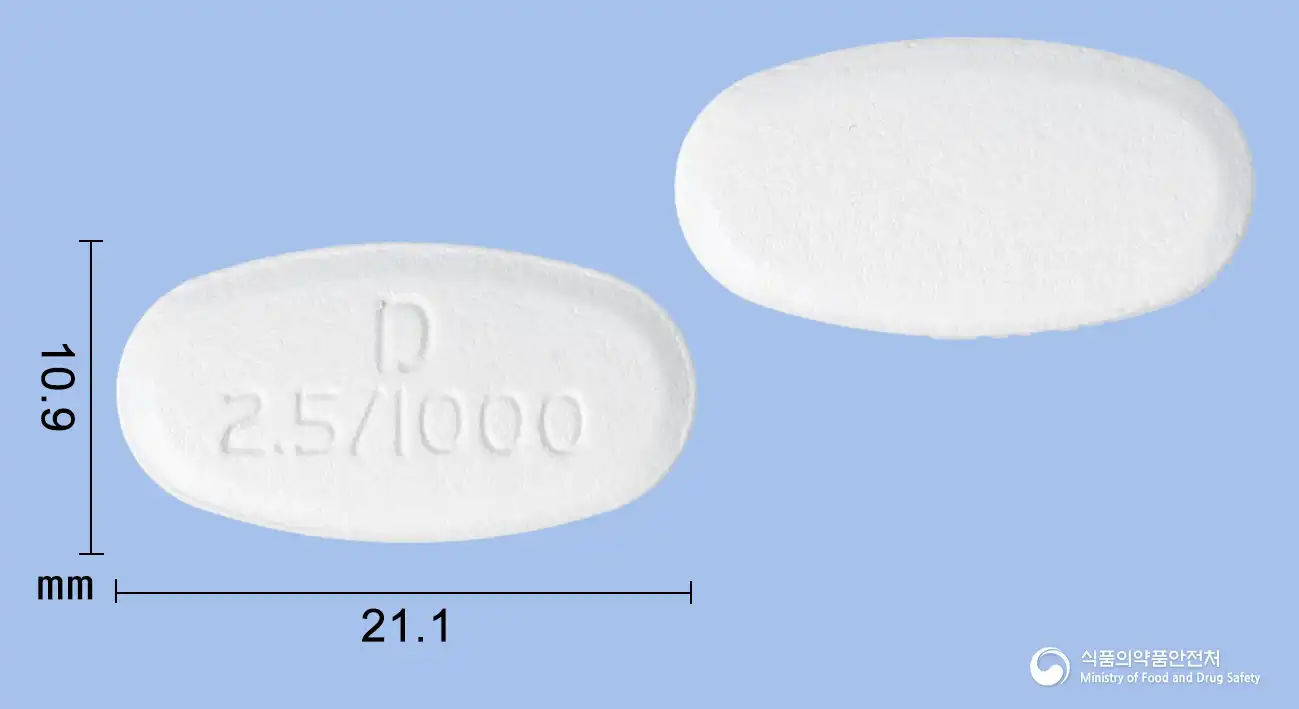
White oval extended-release film-coated tablet imprinted with D 2.5/1000 on one side
28 tablets (7 tablets/PTPX4)/box, 30 tablets/bottle, 100 tablets/bottle
Even with the same ingredient, strength, dosage form and how it is taken can differ.
Viewing nowCombinationMetformin Hydrochloride 1000mg · Linagliptin Micronized 2.5mg
Tablet · Prescription medication · Combination
Eden Pharma Co., Ltd.
Linagliptin Micronized 2.5mg · Metformin Hydrochloride 1000mg
Tablet · Prescription medication · Combination
Samjin Pharmaceutical Co., Ltd.
Linagliptin Micronized 2.5mg · Metformin Hydrochloride 500mg
Tablet · Prescription medication · Combination
Samjin Pharmaceutical Co., Ltd.
Linagliptin Micronized 2.5mg · Metformin Hydrochloride 850mg
Tablet · Prescription medication · Combination
Samjin Pharmaceutical Co., Ltd.
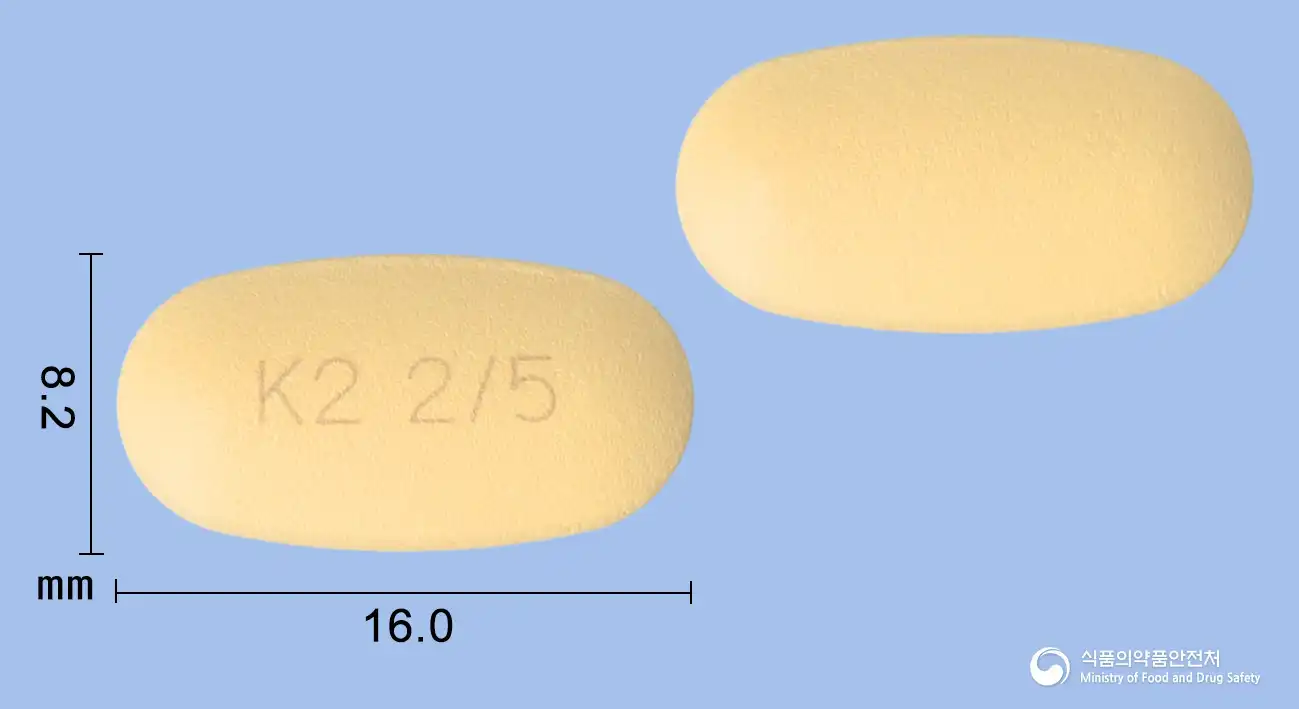 Combination
Linagliptin Micronized 2.5mg · Metformin Hydrochloride 500mg
Tablet · Prescription medication · Combination
Genewon Science Co., Ltd.
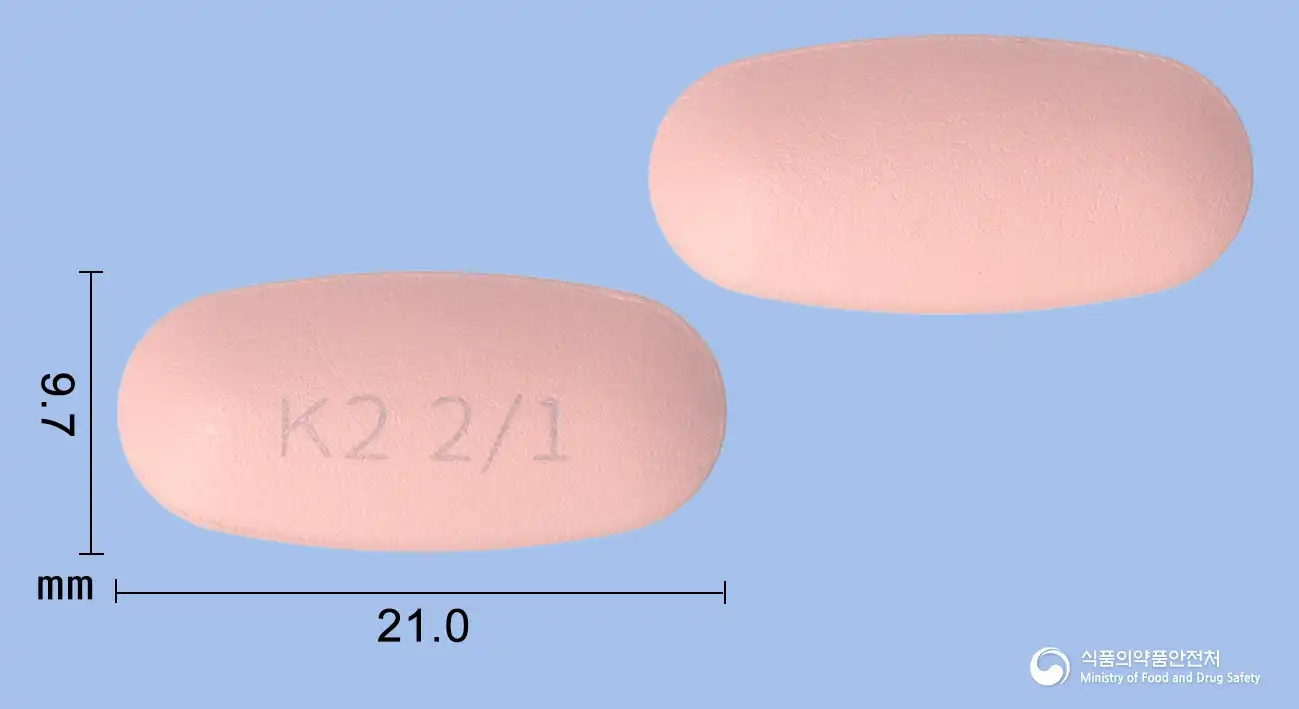 Combination
Linagliptin Micronized 2.5mg · Metformin Hydrochloride 1000mg
Tablet · Prescription medication · Combination
Genewon Science Co., Ltd.
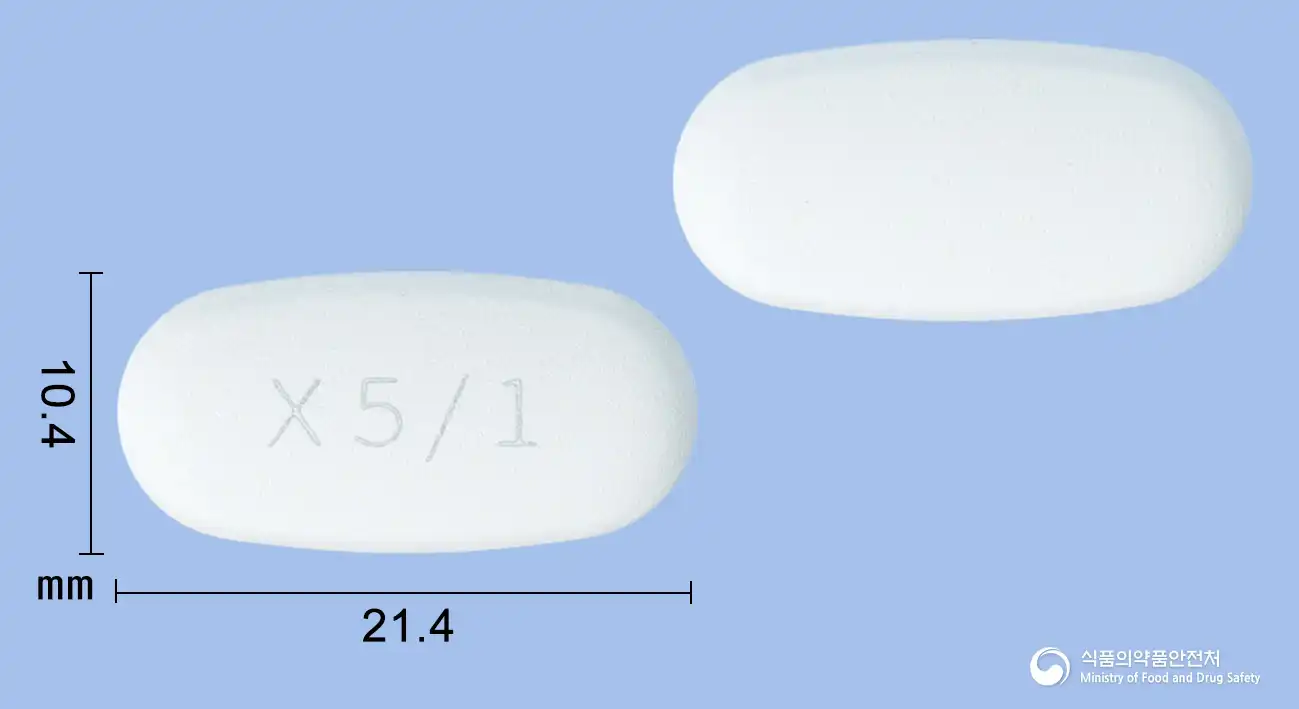 Combination
Linagliptin Micronized 5mg · Metformin Hydrochloride 1000mg
Tablet · Prescription medication · Combination
Genewon Science Co., Ltd.
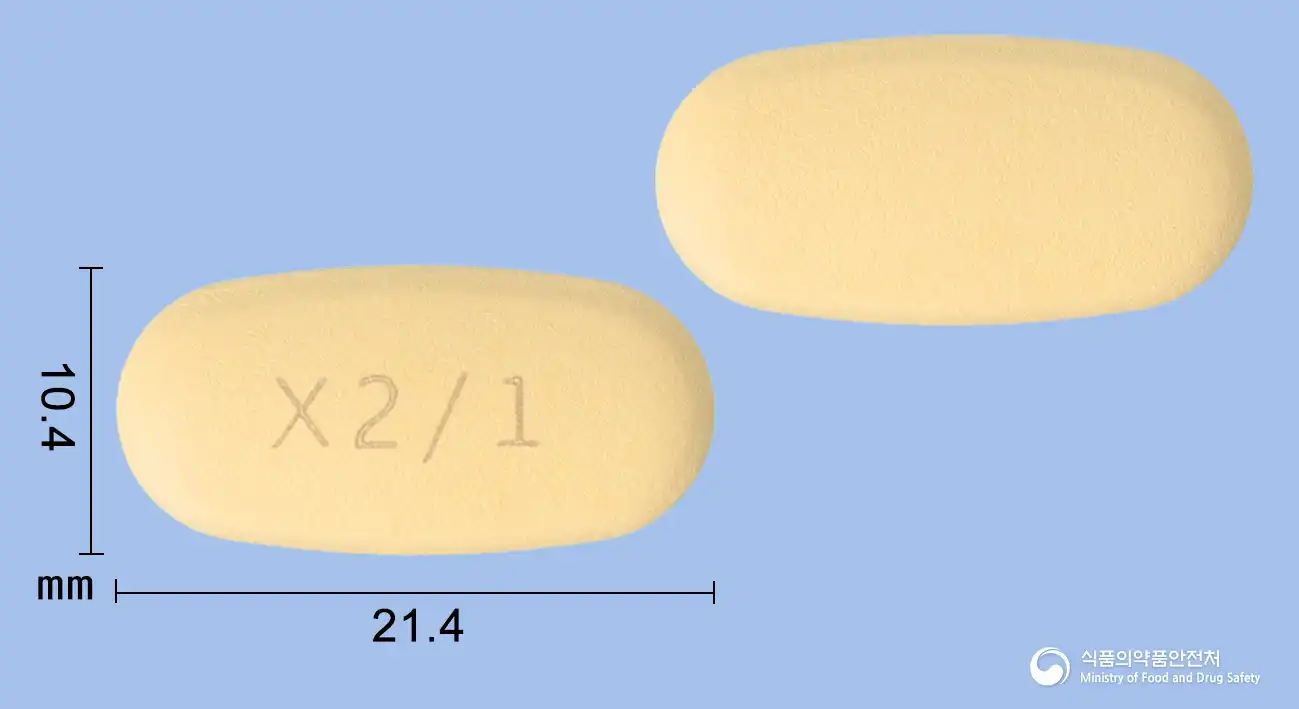 Combination
Linagliptin Micronized 2.5mg · Metformin Hydrochloride 1000mg
Tablet · Prescription medication · Combination
Genewon Science Co., Ltd.
Even with the same ingredient, the dose and directions can differ by strength and dosage form. Talk to a doctor or pharmacist before switching from a medication you are already taking.
No questions yet.
For anything that needs medical judgment, consult a doctor or pharmacist.
This drug information is based on data provided by the Korea Ministry of Food and Drug Safety.
Consult a doctor or pharmacist for accurate dosage, administration, and usage instructions.