
 한국어
한국어 English
 日本語
日本語 中文(简体)
 Viewing nowCombination
Trinam ER 5/1000 mg (Linagliptin, Metformin)
Metformin Hydrochloride 1000mg · Linagliptin Micronized 5mg
Tablet · Prescription medication · Combination
Ilhwa Co., Ltd.
MFDS item code 202400625 · Approved 2024.03.22 · Insurance code 640904630
Improvement of blood sugar control in type 2 diabetes
This medication helps improve blood sugar control in patients with type 2 diabetes when used alongside diet and exercise. Linagliptin and Metformin work together to help maintain stable blood sugar levels. Therefore, this medication greatly aids in managing diabetes and improving glucose control.
The dosage of this extended-release tablet 5/1000 mg is 1 tablet taken once daily. Patients taking the 2.5/1000 mg extended-release tablet should take 2 tablets simultaneously once daily. The maximum recommended daily dose should not exceed 5 mg of linagliptin and 2000 mg of extended-release metformin hydrochloride, considering each patient's current treatment regimen, efficacy, and tolerance. This medication should be taken once daily with meals.
This medication may rarely cause severe lactic acidosis or hypoglycemia, so caution is needed. Patients who have an allergy to any component of this medication, or those with type 1 diabetes, severe renal or liver dysfunction should not use it. This medication should also not be administered in cases of severe infection, dehydration, severe trauma, or decreased heart function. Due to the risk of hypoglycemia, blood sugar should be monitored carefully when this medication is combined with insulin or sulfonylureas. Since renal function is critical, kidney function tests should be performed regularly before and during treatment, and this medication should not be used if renal function is severely impaired. It should be administered cautiously to patients with unstable heart function. If iodine contrast agents used in radiological examinations are received, this medication should be temporarily discontinued and can be resumed only after kidney function is confirmed to be normal post-examination. The use of this medication should be paused for a period before and after surgery and can only be resumed after renal function has recovered post-surgery. During the course of treatment with this medication, acute pancreatitis or bullous skin conditions (such as pemphigoid) may occur; if these symptoms arise, the patient should inform a doctor immediately and discontinue the drug. Long-term use can lead to vitamin B12 deficiency, so if symptoms of anemia or neurological disorders appear, vitamin B12 levels should be checked and supplementation should be administered if necessary. This medication should be swallowed whole and should not be crushed or chewed. The tablet shell may appear in the stool, but this is normal. This medication may interact with other drugs, so caution is needed when used alongside drugs that affect kidney function or hypoglycemic agents. It is advisable to avoid this medication during pregnancy or breastfeeding and to consult a doctor if pregnancy is planned. Safety and efficacy in pediatric patients have not been established. Elderly patients are at a higher risk of decreased renal function, thus requiring careful dosage adjustment and renal function testing. In cases of overdose, serious side effects like lactic acidosis may occur, necessitating immediate treatment at a hospital. This medication should be kept out of reach of children and stored away from moisture.
Urticaria, angioedema, lactic acidosis, pancreatitis, pemphigoid, angioedema, liver function abnormalities (liver dysfunction, hepatitis), angina pectoris, acute myocardial infarction, unstable angina, cardiac arrest, acute kidney injury, end-stage renal disease, acute cholangitis, acute cholecystitis, cholangitis, cholelithiasis, shortness of breath, asthma, pneumonia, pulmonary embolism, severe edema, severe allergic reactions, serious neurological symptoms (headache, seizures, consciousness confusion, visual disturbances, paralysis).
Nasopharyngitis, hypersensitivity reactions, hypoglycemia (when combined with sulfonylureas), taste disorder, cough, decreased appetite, diarrhea, constipation, nausea, vomiting, abdominal pain, oral ulcer, liver function abnormalities, hepatitis, itching, erythema, rash, musculoskeletal disorders, increased lipase, increased amylase, fatigue, chest discomfort, fever, facial swelling, weakness, nosebleed, pharyngodynia, voice disorders, runny nose, headache, dizziness, drowsiness, insomnia, depression.
Not everyone experiences these, and they can vary from person to person.
This medication should be stored in a sealed container to protect it from air and moisture. The appropriate storage temperature is room temperature between 1 and 30 degrees Celsius, avoiding excessively hot or humid conditions.
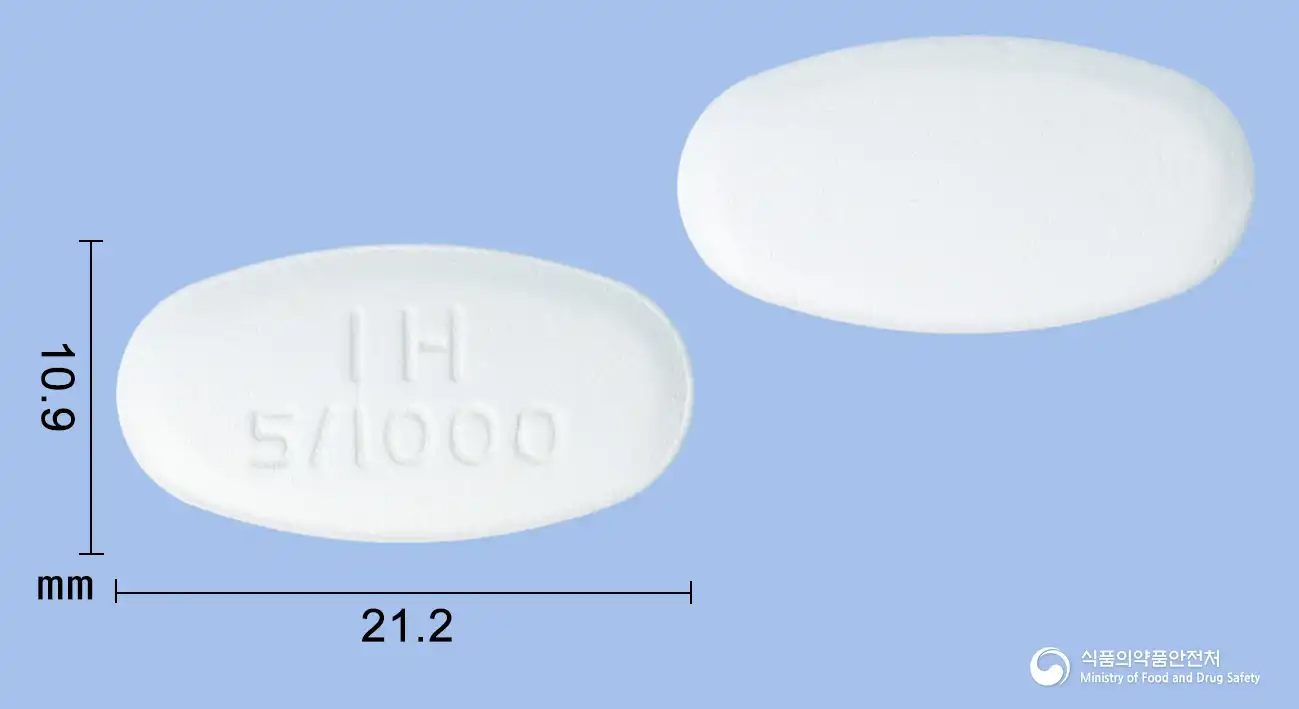
White, oval, extended-release film-coated tablet imprinted with IH 5/1000 on one side
28 tablets (7 tablets/PTP × 4)/box, 30 tablets/bottle, 100 tablets/bottle
Even with the same ingredient, strength, dosage form and how it is taken can differ.
Viewing nowCombinationMetformin Hydrochloride 1000mg · Linagliptin Micronized 5mg
Tablet · Prescription medication · Combination
Ilhwa Co., Ltd.
Linagliptin Micronized 2.5mg · Metformin Hydrochloride 1000mg
Tablet · Prescription medication · Combination
Samjin Pharmaceutical Co., Ltd.
Linagliptin Micronized 2.5mg · Metformin Hydrochloride 500mg
Tablet · Prescription medication · Combination
Samjin Pharmaceutical Co., Ltd.
Linagliptin Micronized 2.5mg · Metformin Hydrochloride 850mg
Tablet · Prescription medication · Combination
Samjin Pharmaceutical Co., Ltd.
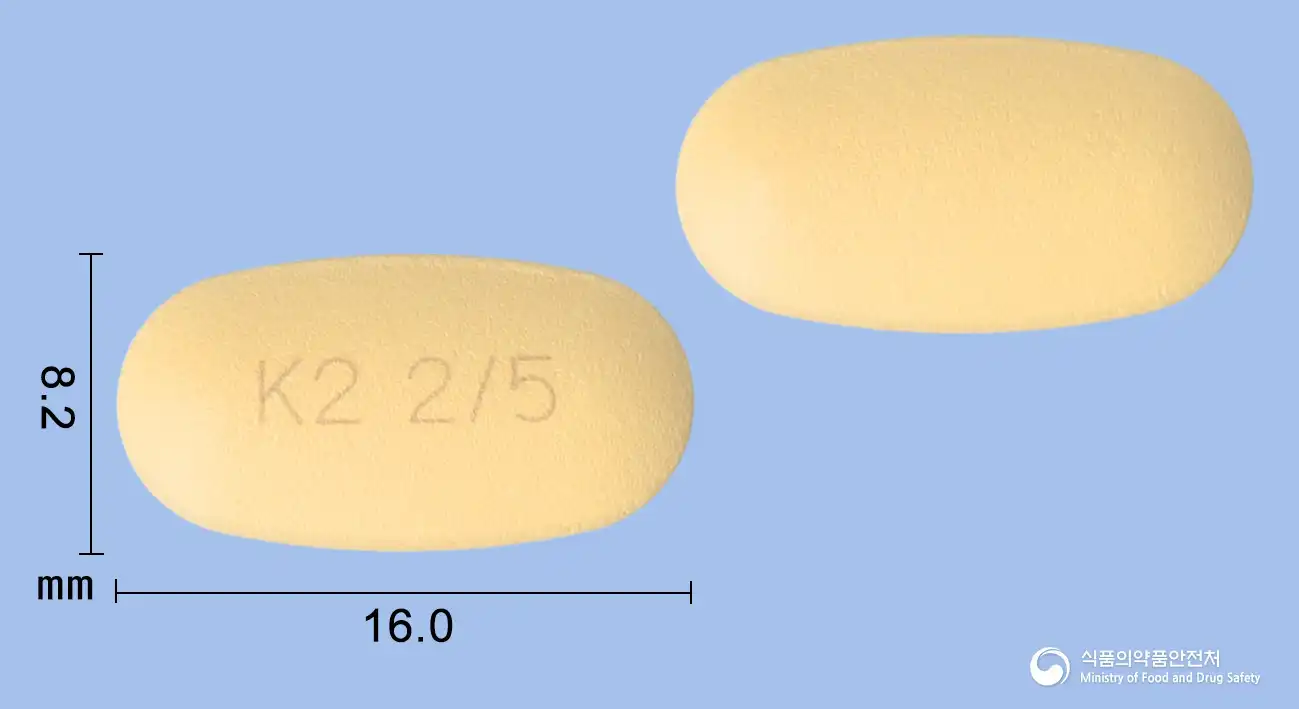 Combination
Linagliptin Micronized 2.5mg · Metformin Hydrochloride 500mg
Tablet · Prescription medication · Combination
Genewon Science Co., Ltd.
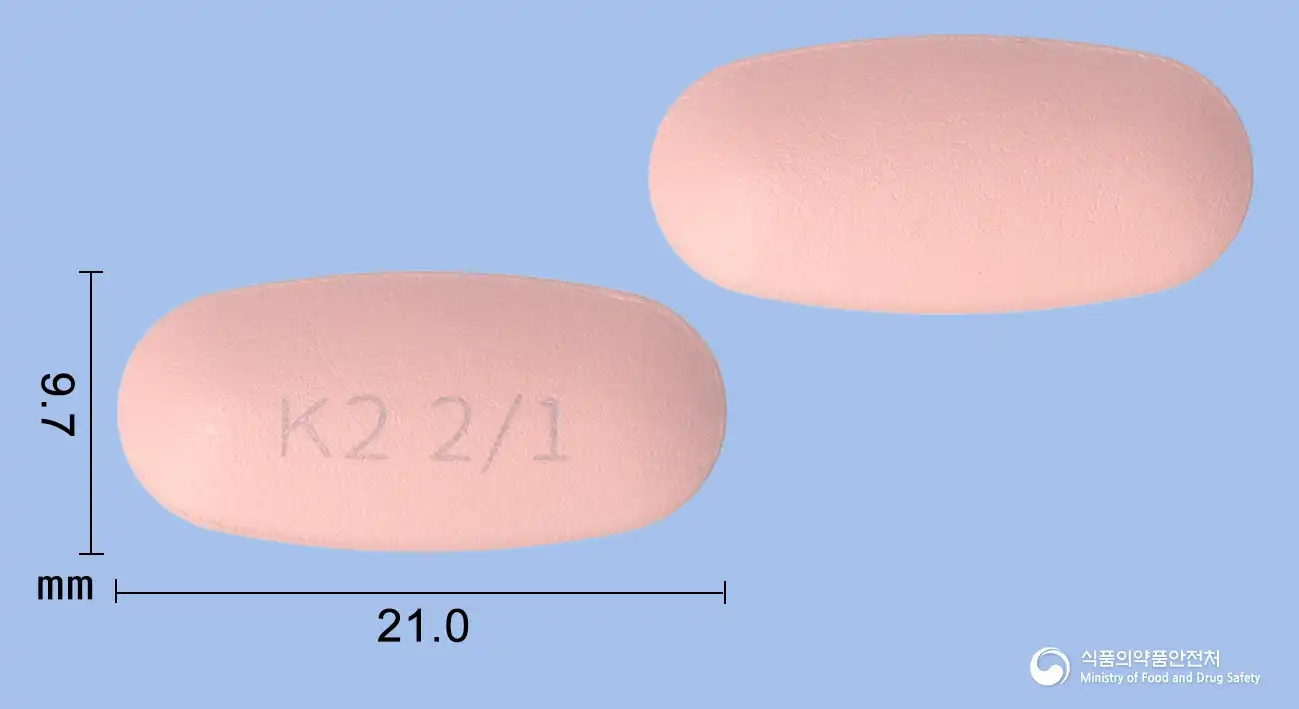 Combination
Linagliptin Micronized 2.5mg · Metformin Hydrochloride 1000mg
Tablet · Prescription medication · Combination
Genewon Science Co., Ltd.
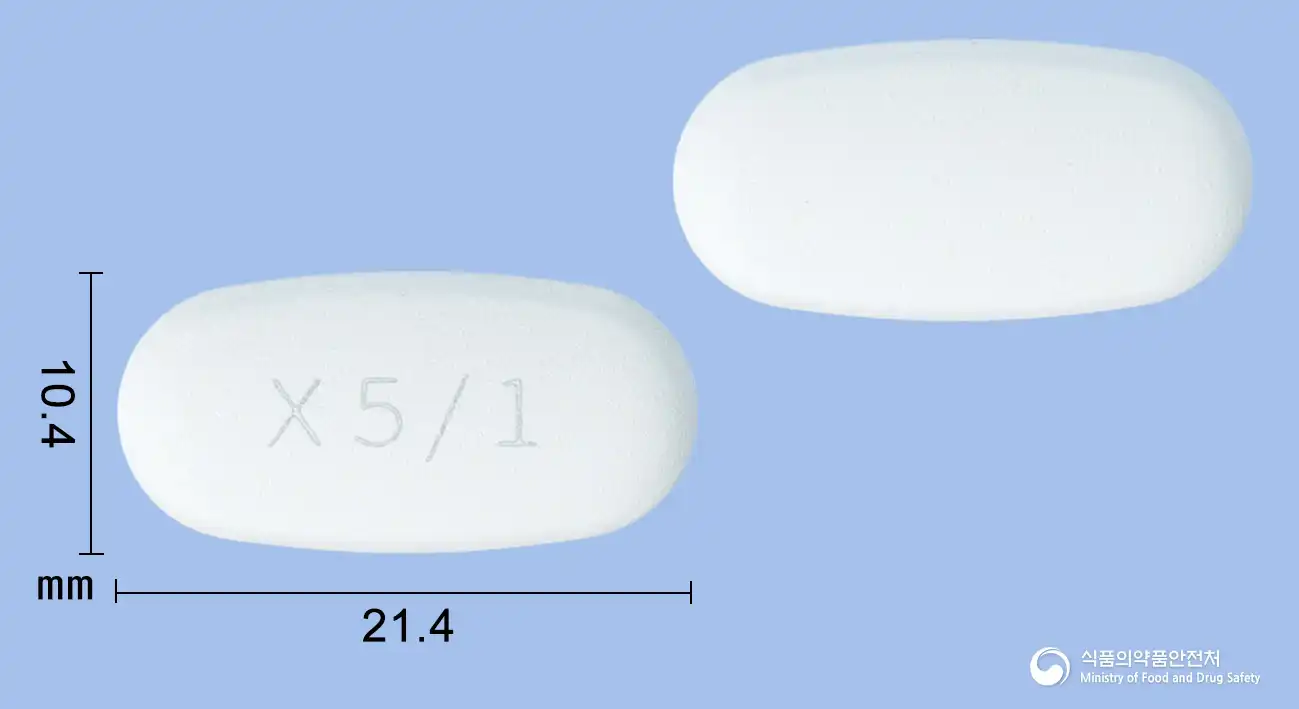 Combination
Linagliptin Micronized 5mg · Metformin Hydrochloride 1000mg
Tablet · Prescription medication · Combination
Genewon Science Co., Ltd.
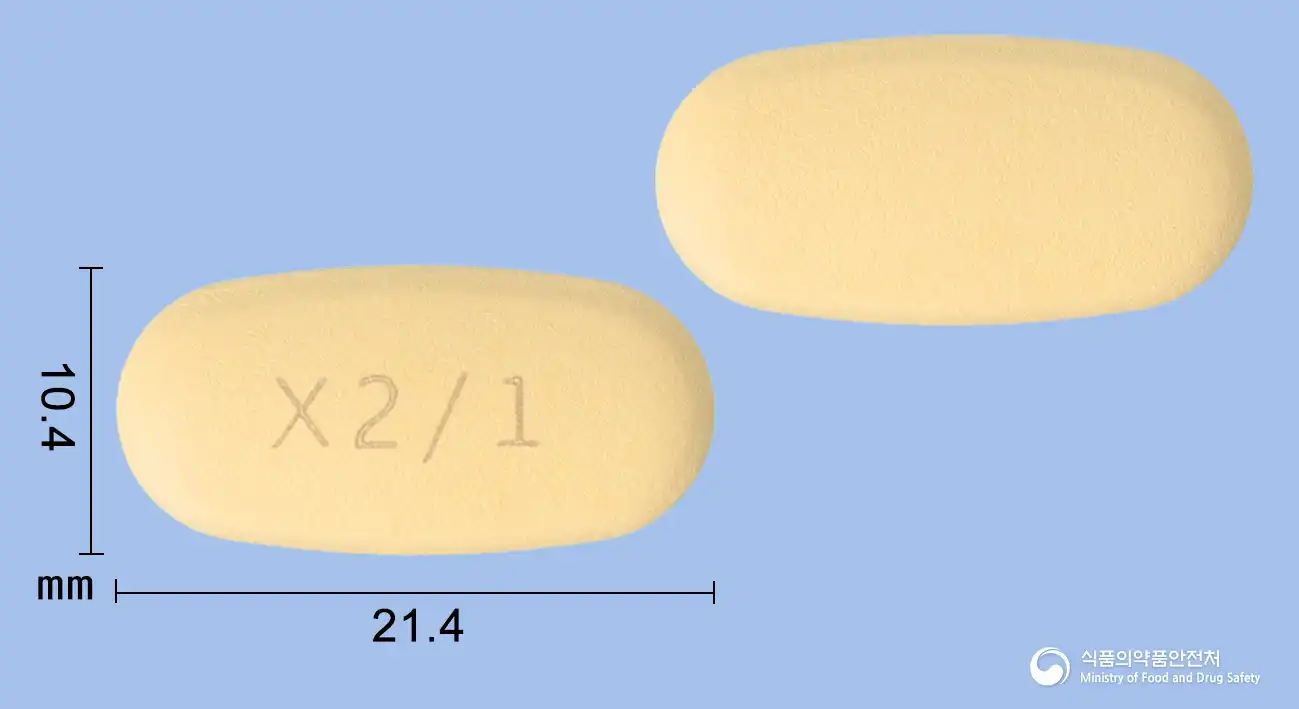 Combination
Linagliptin Micronized 2.5mg · Metformin Hydrochloride 1000mg
Tablet · Prescription medication · Combination
Genewon Science Co., Ltd.
Even with the same ingredient, the dose and directions can differ by strength and dosage form. Talk to a doctor or pharmacist before switching from a medication you are already taking.
No questions yet.
For anything that needs medical judgment, consult a doctor or pharmacist.
This drug information is based on data provided by the Korea Ministry of Food and Drug Safety.
Consult a doctor or pharmacist for accurate dosage, administration, and usage instructions.