Improvement of blood sugar control in type 2 diabetes
Who takes it
Adults
Adult dose
Take this medication once daily with the evening meal.
To maintain its extended-release properties, do not split, crush, chew, or break the tablet.
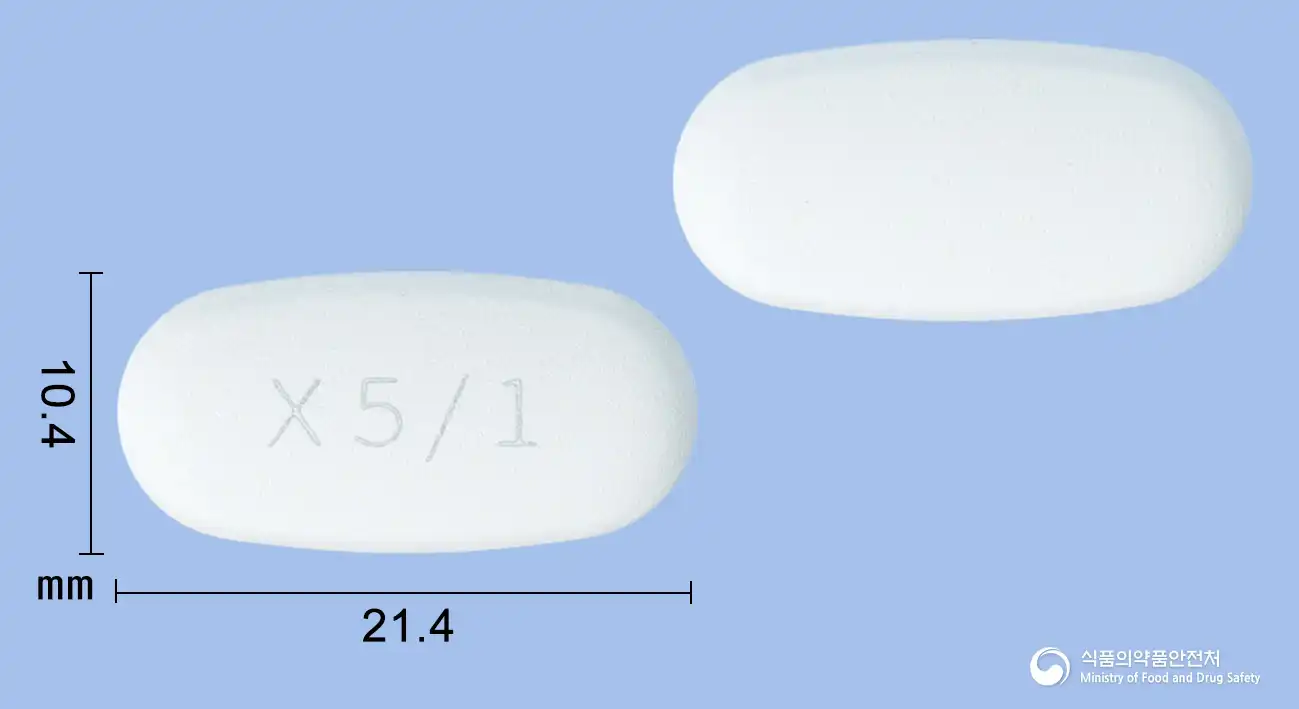
Take one tablet of this 5/1000 mg extended-release formulation once daily.
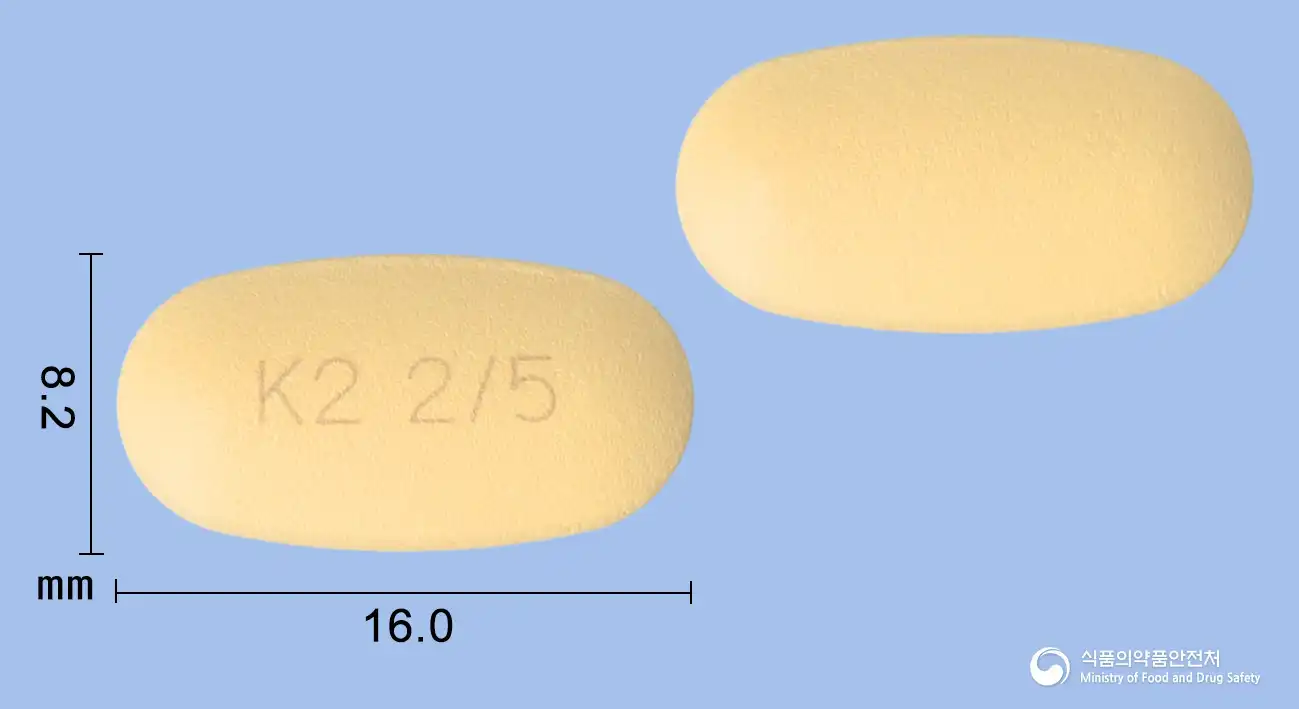
Patients taking the 2.5/1000 mg extended-release formulation should take two tablets at once once daily.
1. For those currently not treated with metformin.
Improvement of blood sugar control in type 2 diabetes
View approved original textHide original text
This medication helps improve blood sugar control in patients with type 2 diabetes when used alongside diet and exercise. The combination of linagliptin and metformin effectively controls blood sugar, contributing to diabetes management. It is used to reliably maintain patient blood glucose levels.
How to take
Adult dose
Take this medication once daily with the evening meal.
To maintain its extended-release properties, do not split, crush, chew, or break the tablet.
Take one tablet of this 5/1000 mg extended-release formulation once daily.
Patients taking the 2.5/1000 mg extended-release formulation should take two tablets at once once daily.
1. For those currently not treated with metformin.
Precautions
This medication can rarely cause severe lactic acidosis or hypoglycemia, so caution is necessary.
Do not use this medication if you are allergic to any of its components, or if you have type 1 diabetes, lactic acidosis, diabetic ketoacidosis, severe renal impairment, acute myocardial infarction, or liver dysfunction.
Due to the risk of hypoglycemia, blood glucose should be closely monitored when taken with insulin or sulfonylureas, and dosage adjustments may be necessary.
Patients with decreased kidney function should regularly check kidney function through blood tests, and this medication should be avoided if kidney function is severely impaired.
During acute infections, dehydration, surgery, or the use of radiocontrast iodine, this medication should be temporarily suspended, and restarted only after stabilizing the condition.
While taking this medication, acute pancreatitis or skin blistering diseases may occur; if abdominal pain or skin abnormalities appear, consult your doctor immediately.
Long-term use may lead to vitamin B12 deficiency, so if symptoms of anemia or neurological issues occur, vitamin B12 levels should be checked.
This medication should be swallowed whole without breaking or chewing the tablets, and the tablet coating may appear in the stool, which is normal.
Use during pregnancy or breastfeeding is not recommended, and if planning to become pregnant, consult a specialist.
Elderly patients often have decreased kidney function, so it is important to carefully check kidney function before and during use, avoiding maximum doses and using appropriate doses.
Side effects and when to seek care immediately
Serious side effects
Hives
angioedema
lactic acidosis
pancreatitis
pseudoporphyria
angioedema
chest discomfort
dyspnea
angina
acute myocardial infarction
Show 11 moreCollapse
unstable angina
cardiac arrest
acute kidney injury
end-stage renal disease
acute cholangitis
acute cholecystitis
cholangitis
asthma
chest pain
fever
facial swelling.
Mild side effects
Nasopharyngitis
hypersensitivity
hypoglycemia
taste disorders
cough
decreased appetite
diarrhea
constipation
nausea
vomiting
Show 25 moreCollapse
abdominal pain
oral ulcers
abnormal liver function
hepatitis
itching
erythema
rash
musculoskeletal pain
increased lipase
increased amylase
constipation
upper abdominal pain
enterocolitis
bowel obstruction
gastritis
shingles
cystitis
acute pyelonephritis
bronchitis
vestibular neuronitis
pneumonia
reduced appetite
dehydration
hyperglycemia
appetite.
Not everyone experiences these, and they can vary from person to person.
Storage
Store this medication in a tightly closed container to prevent air or moisture from entering. It is best to store it at room temperature between 1 to 30 degrees Celsius.
Appearance and packaging
Appearance
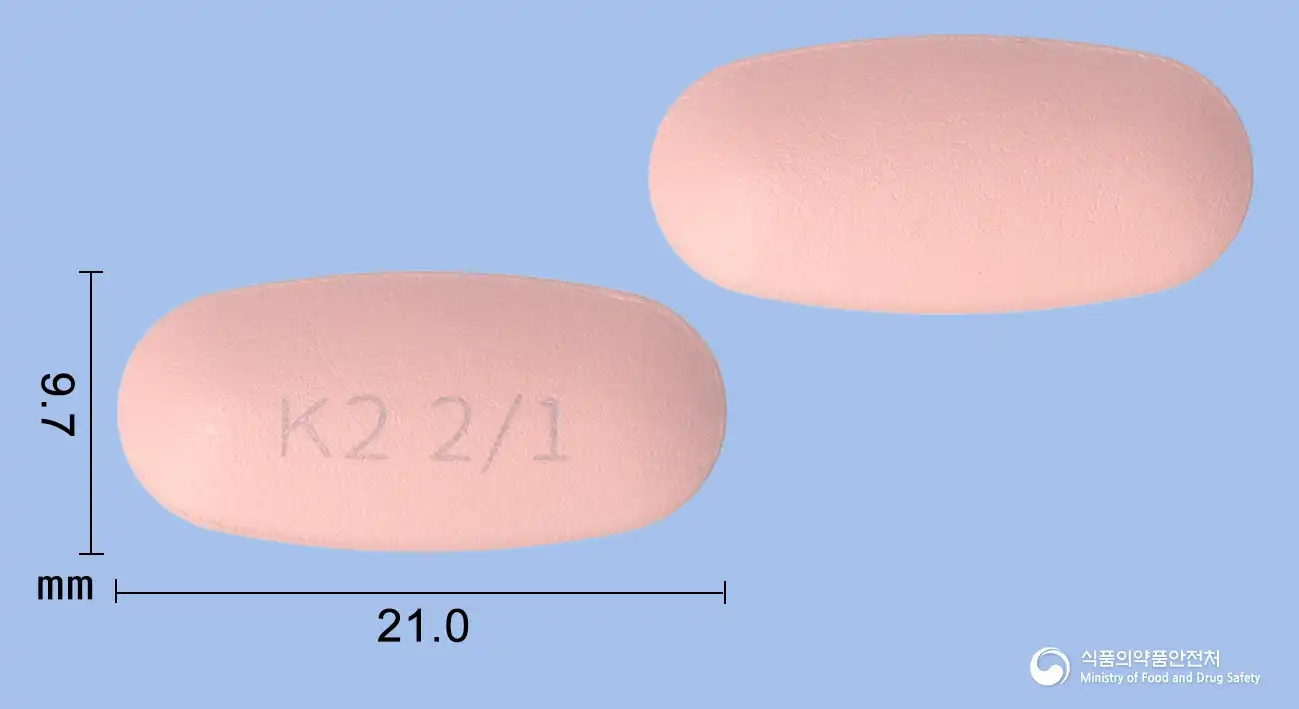
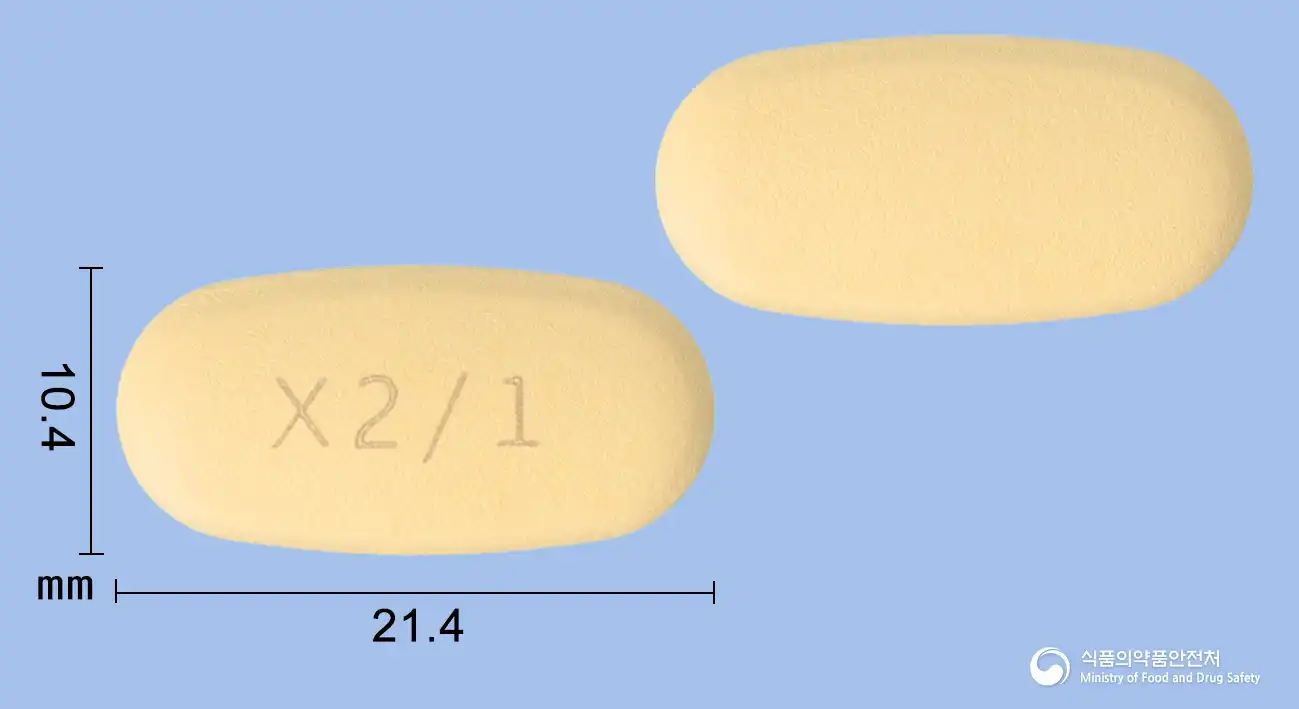
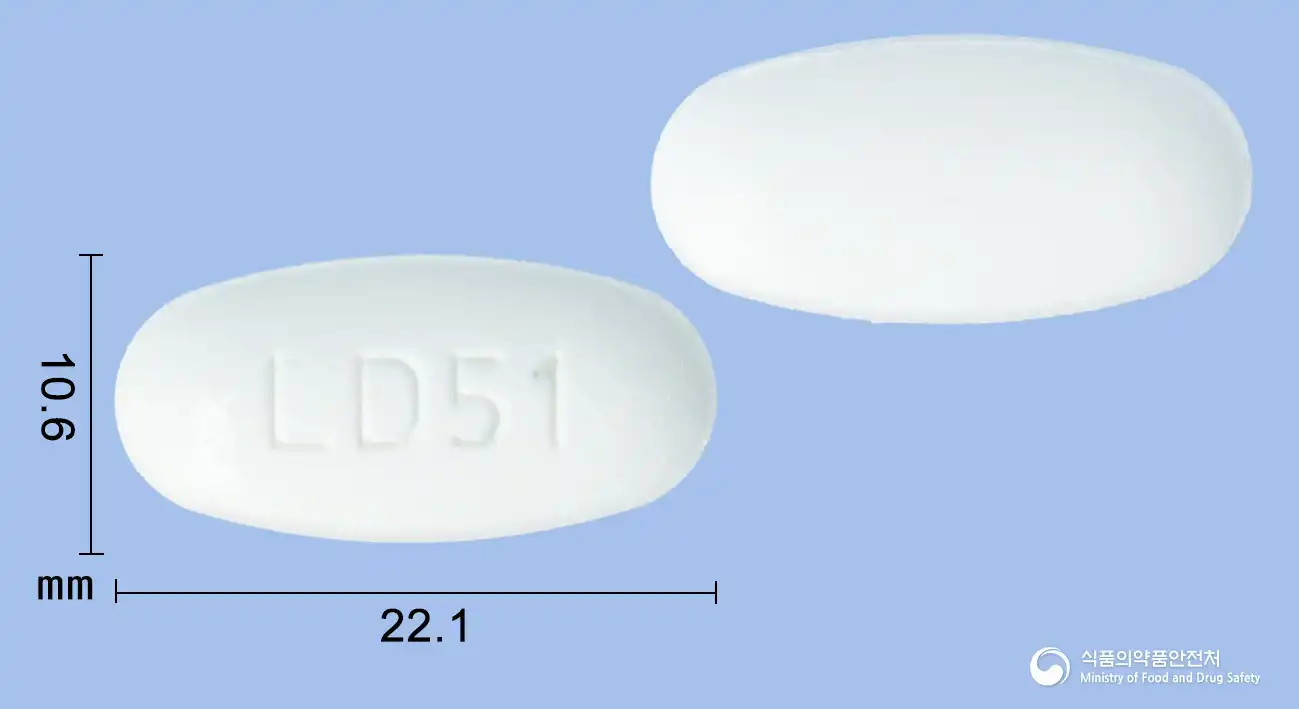
Oval-shaped extended-release tablet, white to almost white, engraved with LD51 on one side
Package unit
28 tablets/box (7 tablets/PTP x 4)
Same-ingredient medicines
Even with the same ingredient, strength, dosage form and how it is taken can differ.
Even with the same ingredient, the dose and directions can differ by strength and dosage form. Talk to a doctor or pharmacist before switching from a medication you are already taking.
Questions about this medicine
No questions yet.
For anything that needs medical judgment, consult a doctor or pharmacist.
This drug information is based on data provided by the Korea Ministry of Food and Drug Safety. Consult a doctor or pharmacist for accurate dosage, administration, and usage instructions.

 한국어
한국어 English
 日本語
日本語 中文(简体)
 Viewing nowCombination