Improvement in blood glucose control in type 2 diabetes
Who takes it
Adults
Adult dose
This medication should be taken once daily with meals, preferably with the evening meal.
To maintain its extended-release properties, do not split, crush, grind, or chew the tablets.
For the 5/1000 mg extended release, take 1 tablet daily.
For the 2.5/1000 mg extended release, take 2 tablets simultaneously once daily.
The initial dosage consists of 5 mg linagliptin and 1000 mg metformin hydrochloride, and metformin...
Improvement in blood glucose control in type 2 diabetes
View approved original textHide original text
This medication helps patients with type 2 diabetes manage blood glucose levels more effectively by supporting dietary and exercise regimens. The combination of linagliptin and metformin works to stabilize blood glucose levels, helping to alleviate symptoms of diabetes. Therefore, this medication is used to improve blood glucose control in patients with type 2 diabetes.
How to take
Adult dose
This medication should be taken once daily with meals, preferably with the evening meal.
To maintain its extended-release properties, do not split, crush, grind, or chew the tablets.
For the 5/1000 mg extended release, take 1 tablet daily.
For the 2.5/1000 mg extended release, take 2 tablets simultaneously once daily.
The initial dosage consists of 5 mg linagliptin and 1000 mg metformin hydrochloride, and metformin...
Precautions
This medication is primarily used for treating diabetes and aids in controlling blood glucose levels.
However, it can rarely cause a dangerous condition known as lactic acidosis, hence it should not be administered to patients with severely impaired kidney function, poor liver function, or those experiencing acute infections or dehydration.
Individuals allergic to any of the components in this medication, patients with type 1 diabetes, diabetic ketoacidosis, pregnant women, or those at risk of pregnancy should also avoid using this product.
During treatment, hypoglycemic symptoms may appear, so it is important to regularly check blood glucose levels, especially when combined with other hypoglycemic agents or insulin.
Elderly patients with diminished renal function or those taking medications that place stress on the kidneys require special caution and should undergo regular kidney function tests.
This medication can be taken regardless of meals, but alcohol consumption should be avoided as it may increase the risk of lactic acidosis.
Rare adverse effects such as acute pancreatitis or skin blistering similar to bullous pemphigoid may occur, so if severe abdominal pain or skin abnormalities develop, it is essential to notify a doctor immediately.
For pregnant or breastfeeding patients, it is advisable to avoid using this medication, and those planning to become pregnant should consult their physician.
Do not chew, crush, or break this medication; swallow it whole. The tablet shell may be excreted in feces, which is a normal occurrence.
In the event of overdose, gastrointestinal disturbances or lactic acidosis may occur, so adherence to prescribed dosages is critical, and any abnormal symptoms should prompt an immediate visit to a healthcare facility.
Finally, it is important to keep this medication out of reach of children and store it in a moisture-free environment.
Not everyone experiences these, and they can vary from person to person.
Storage
Store this medication in a tightly closed container to prevent exposure to air or moisture. The safe storage temperature is between 1 and 30 degrees Celsius.
Storing it this way helps maintain the medication's effectiveness and prevents degradation.
Appearance and packaging
Appearance
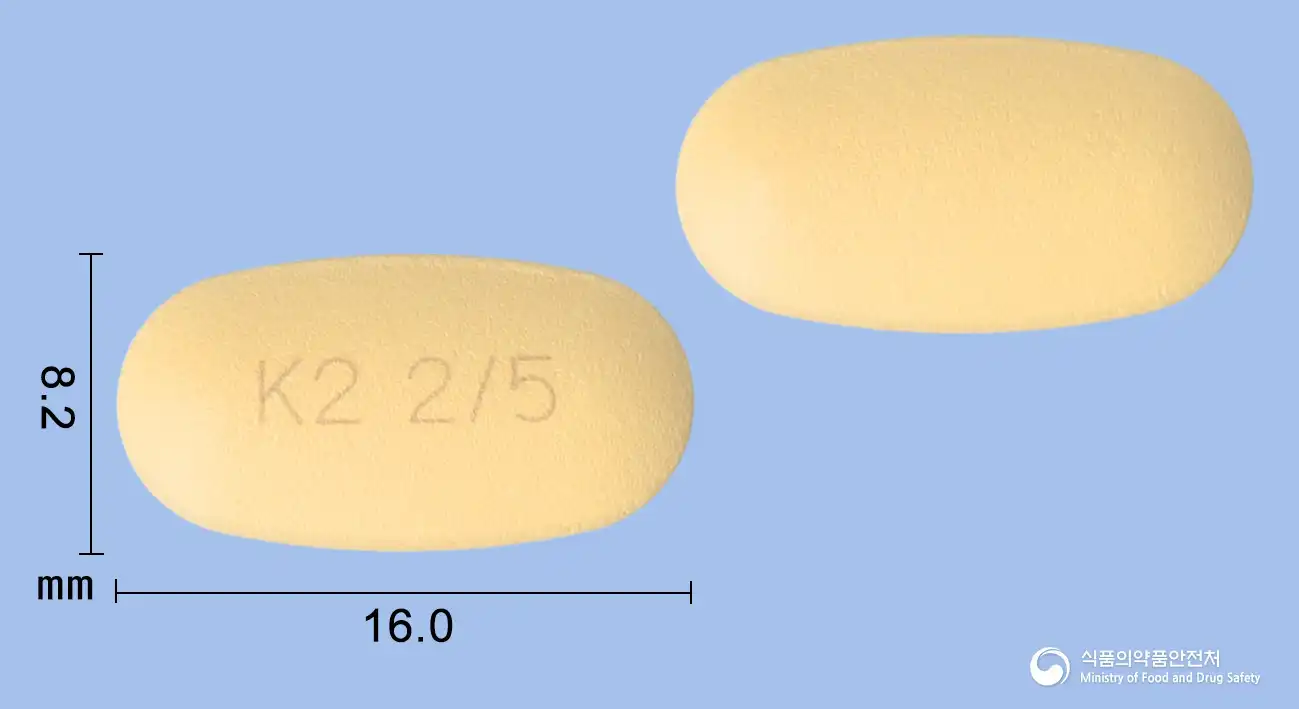
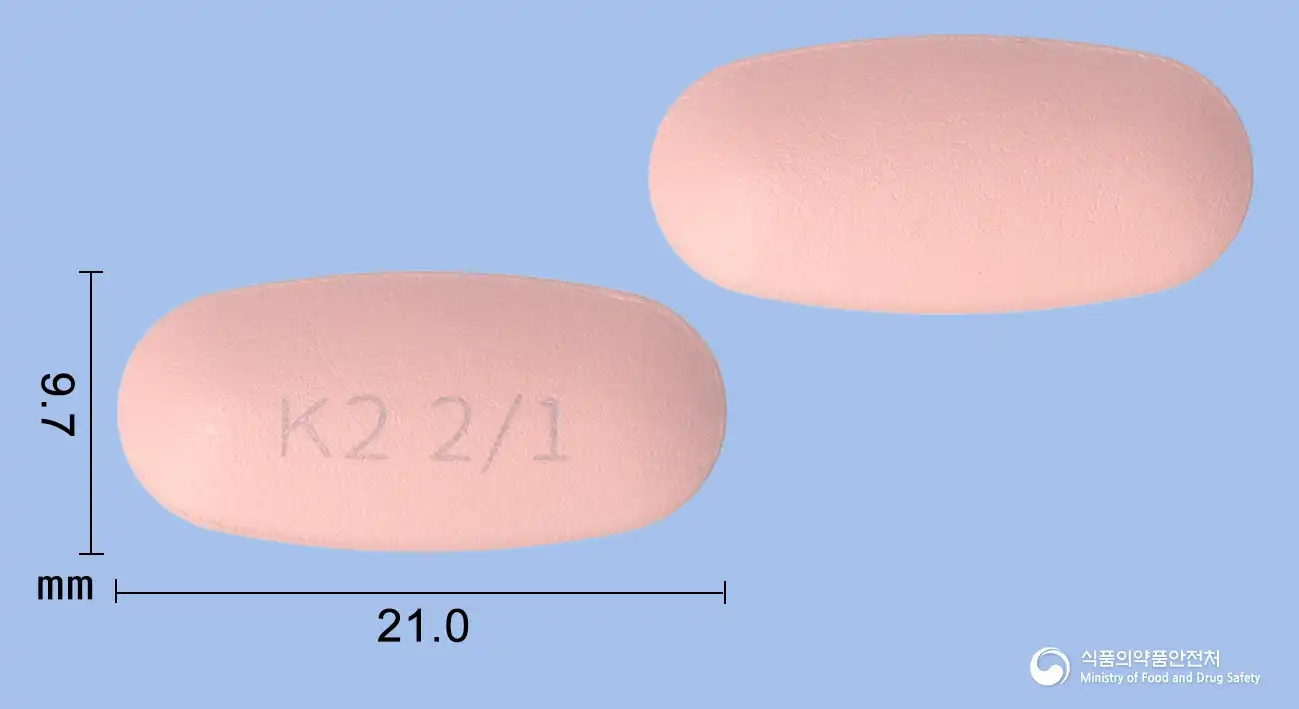
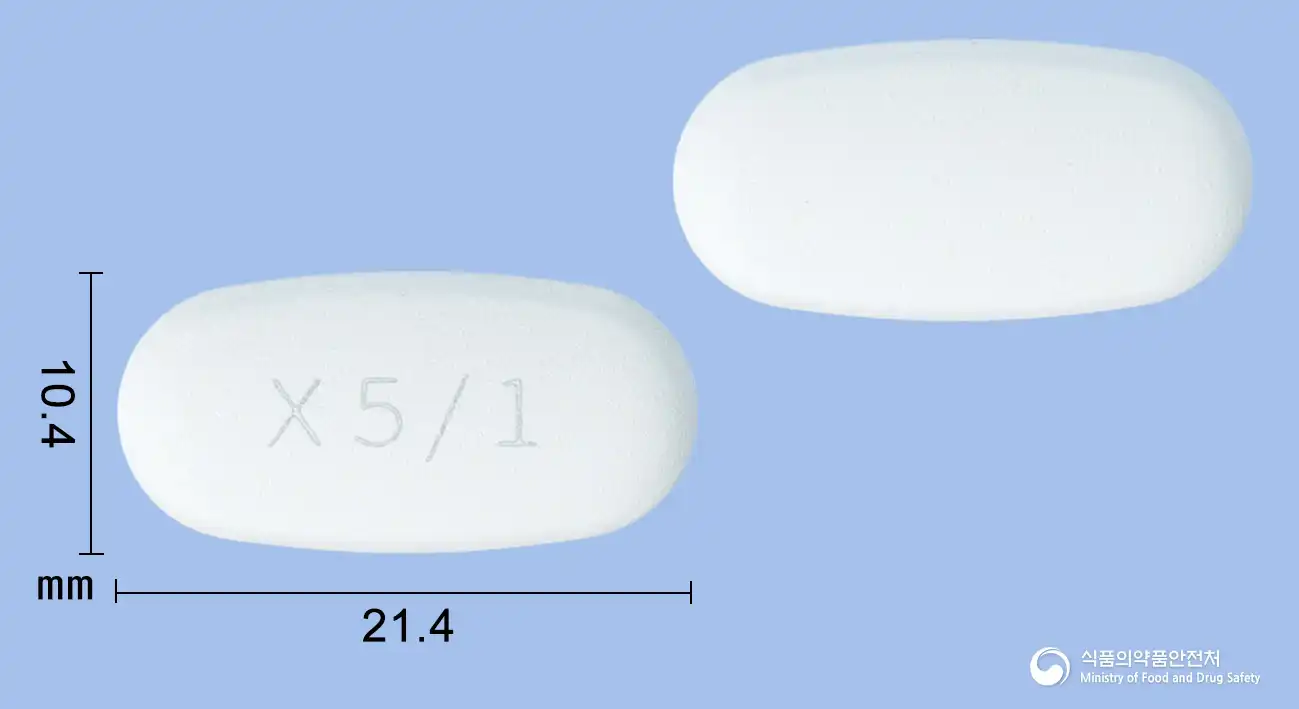
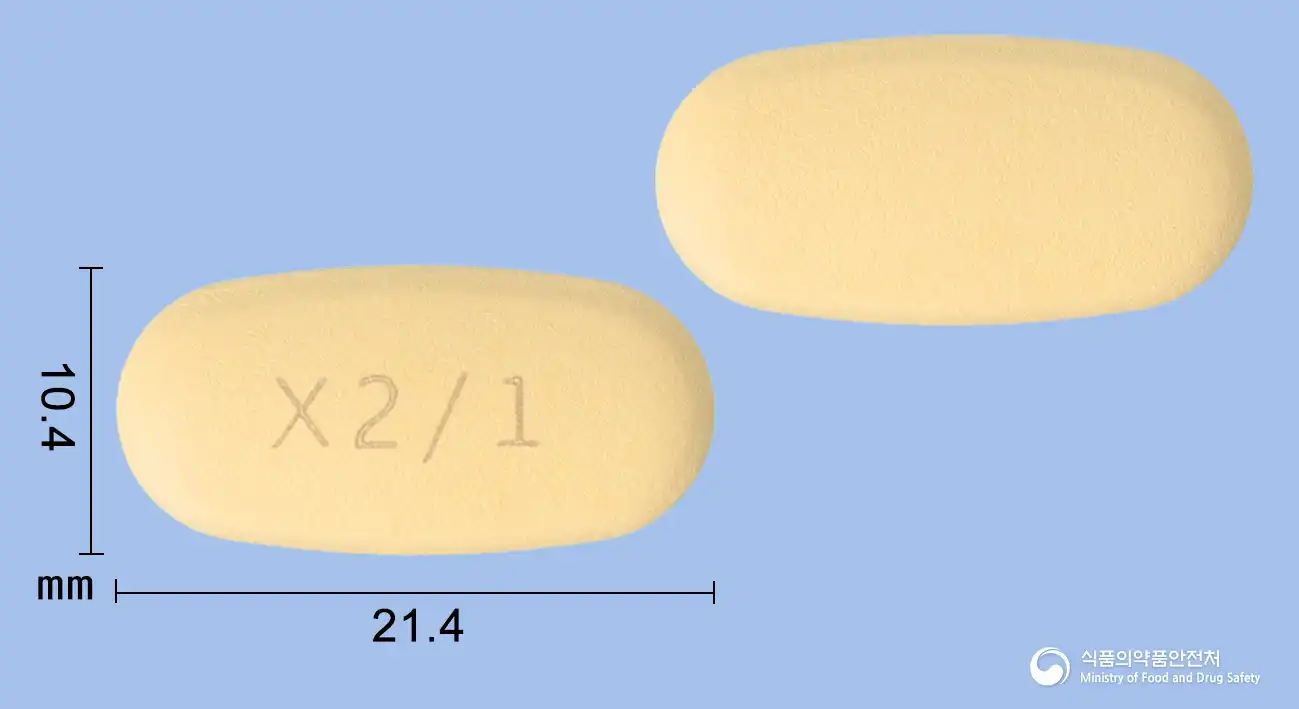
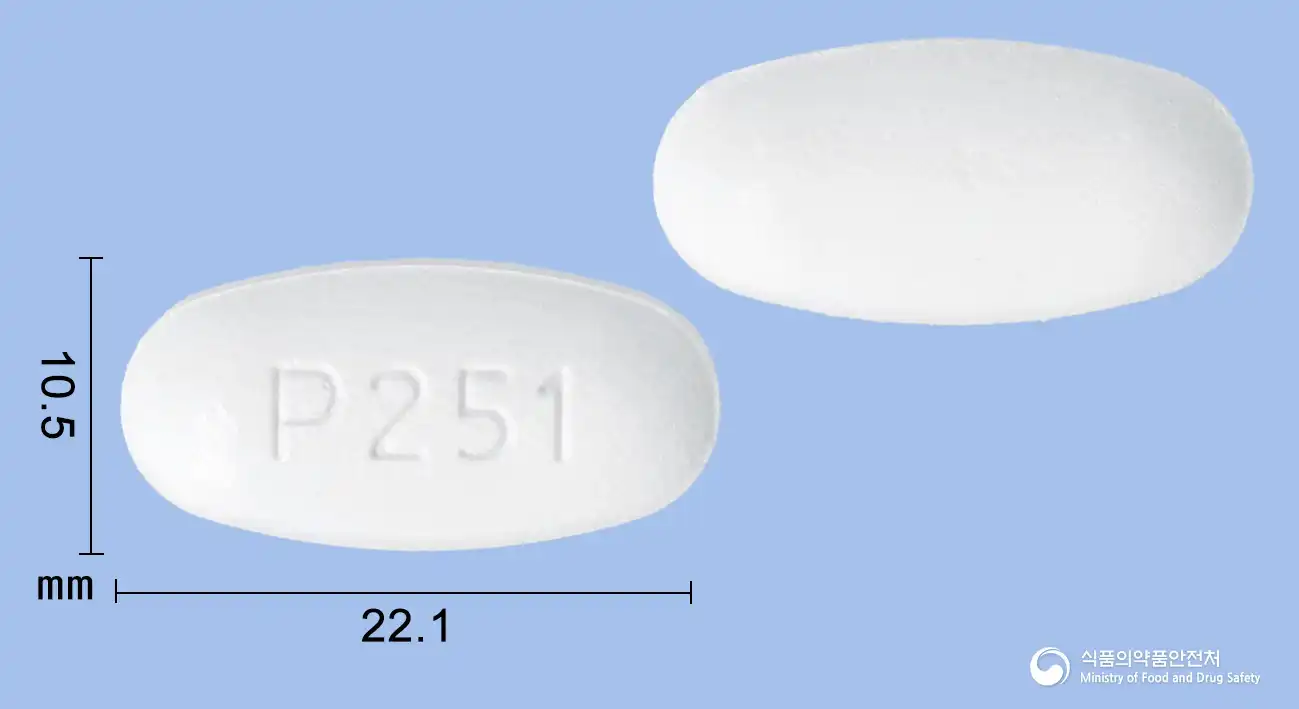
Oval-shaped extended release tablet, white to nearly white, engraved with P251 on one side
Package unit
28 tablets/box [7 tablets/PTP x 4], 30 tablets/bottle
Same-ingredient medicines
Even with the same ingredient, strength, dosage form and how it is taken can differ.
Even with the same ingredient, the dose and directions can differ by strength and dosage form. Talk to a doctor or pharmacist before switching from a medication you are already taking.
Questions about this medicine
No questions yet.
For anything that needs medical judgment, consult a doctor or pharmacist.
This drug information is based on data provided by the Korea Ministry of Food and Drug Safety. Consult a doctor or pharmacist for accurate dosage, administration, and usage instructions.

 한국어
한국어 English
 日本語
日本語 中文(简体)
 Viewing nowCombination