
 한국어
한국어 English
 日本語
日本語 中文(简体)
 Viewing nowCombination
NARIGENTADUO Sustained Release Tablet 5/1000 mg (Linagliptin, Metformin Hydrochloride)
Metformin Hydrochloride 1000mg · Linagliptin Micronized 5mg
Tablet · Prescription medication · Combination
Pharmgen Science Co., Ltd.
MFDS item code 202400607 · Approved 2024.03.22 · Insurance code 670105550
Improvement in blood sugar control for type 2 diabetes
This medication is used in conjunction with diet and exercise to help control blood sugar levels in patients with type 2 diabetes who are taking both linagliptin and metformin. It effectively helps manage blood sugar levels and improves the diabetic condition.
This medication is taken once daily with meals, preferably with dinner. The 5/1000 mg sustained release tablet is to be taken as 1 tablet daily. Patients taking the 2.5/1000 mg sustained release tablets should take 2 tablets simultaneously once daily. 1. If not currently treated with metformin: The initial dosage is a total of 5 mg of linagliptin and 1000 mg of metformin hydrochloride daily.
This medication is used to treat diabetes and helps control blood sugar levels. However, it can rarely cause a life-threatening condition called lactic acidosis, so caution is required. This medication should not be used if you have allergies to any of its ingredients, type 1 diabetes, severe kidney dysfunction, liver dysfunction, severe infections, or dehydration. It should also be avoided in cases of heart or respiratory diseases such as acute myocardial infarction, shock, or heart failure. Hypoglycemic symptoms may occur during treatment; therefore, careful monitoring of blood sugar changes is needed when used with other hypoglycemic agents. Elderly patients or those with unstable kidney function should have their kidney function regularly monitored, and dose adjustments may be necessary. This medication should be temporarily discontinued if acute kidney function deterioration is anticipated or when undergoing radiologic iodine contrast imaging tests. Swallow this medication whole without chewing or crushing; it may be seen in the stool but this is normal. If symptoms such as abdominal pain, severe muscle pain, weakness, or difficulty breathing occur, consult your doctor immediately. It is advisable to avoid using this medication during pregnancy or breastfeeding, and to consult a doctor if planning to become pregnant. This medication may lower vitamin B12 levels, so regular checks for vitamin B12 deficiency are necessary during prolonged use. Several drugs may interact with this medication; therefore, inform your doctor or pharmacist of any concurrent medications. In case of overdose, gastrointestinal disturbances and a risk of lactic acidosis may arise, so immediate medical treatment is essential. Lastly, keep this medication out of the reach of children and store it in a dry place.
Not everyone experiences these, and they can vary from person to person.
This medication may be sensitive to air and moisture, so it should be stored in a tightly sealed container. The storage temperature should ideally be maintained at room temperature between 1 and 30 degrees Celsius. Proper storage will help ensure the safety and effectiveness of the medication.
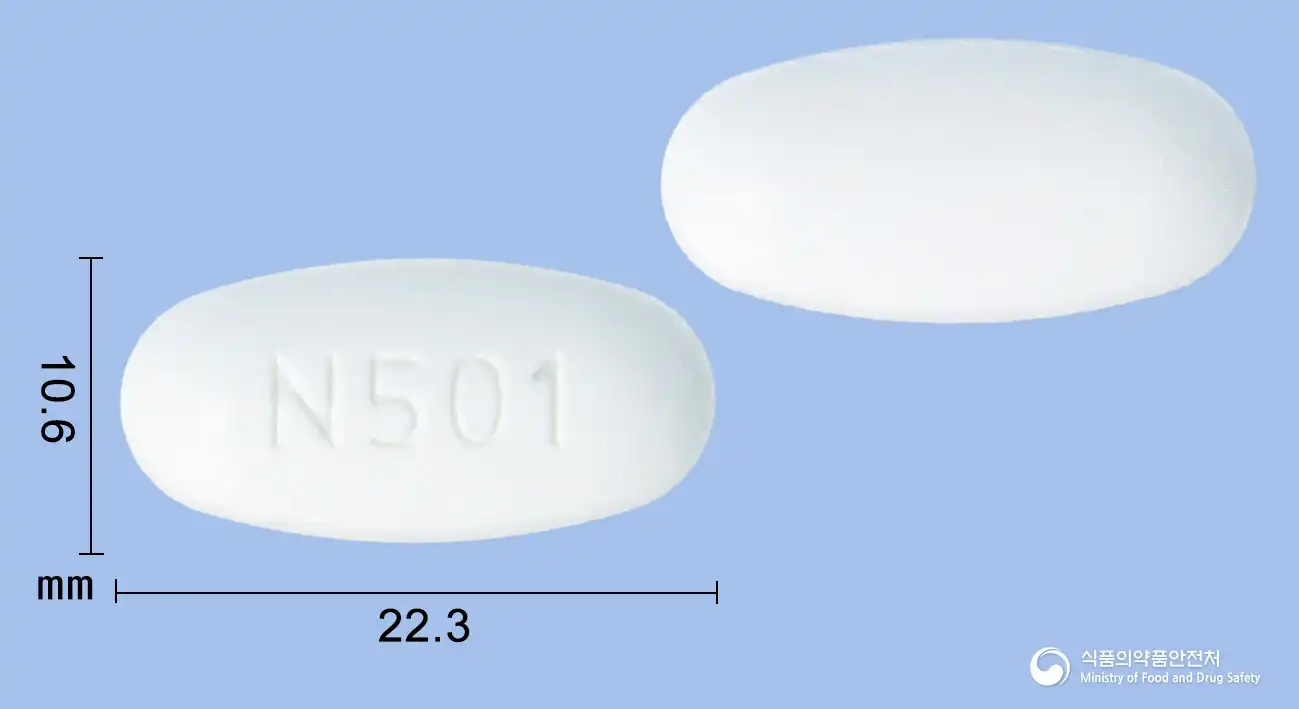
Oval sustained release tablet, white to nearly white, engraved with N501 on one side
28 tablets/box (7 tablets/PTP x 4), 30 tablets/bottle
Even with the same ingredient, strength, dosage form and how it is taken can differ.
Viewing nowCombinationMetformin Hydrochloride 1000mg · Linagliptin Micronized 5mg
Tablet · Prescription medication · Combination
Pharmgen Science Co., Ltd.
Linagliptin Micronized 2.5mg · Metformin Hydrochloride 1000mg
Tablet · Prescription medication · Combination
Samjin Pharmaceutical Co., Ltd.
Linagliptin Micronized 2.5mg · Metformin Hydrochloride 500mg
Tablet · Prescription medication · Combination
Samjin Pharmaceutical Co., Ltd.
Linagliptin Micronized 2.5mg · Metformin Hydrochloride 850mg
Tablet · Prescription medication · Combination
Samjin Pharmaceutical Co., Ltd.
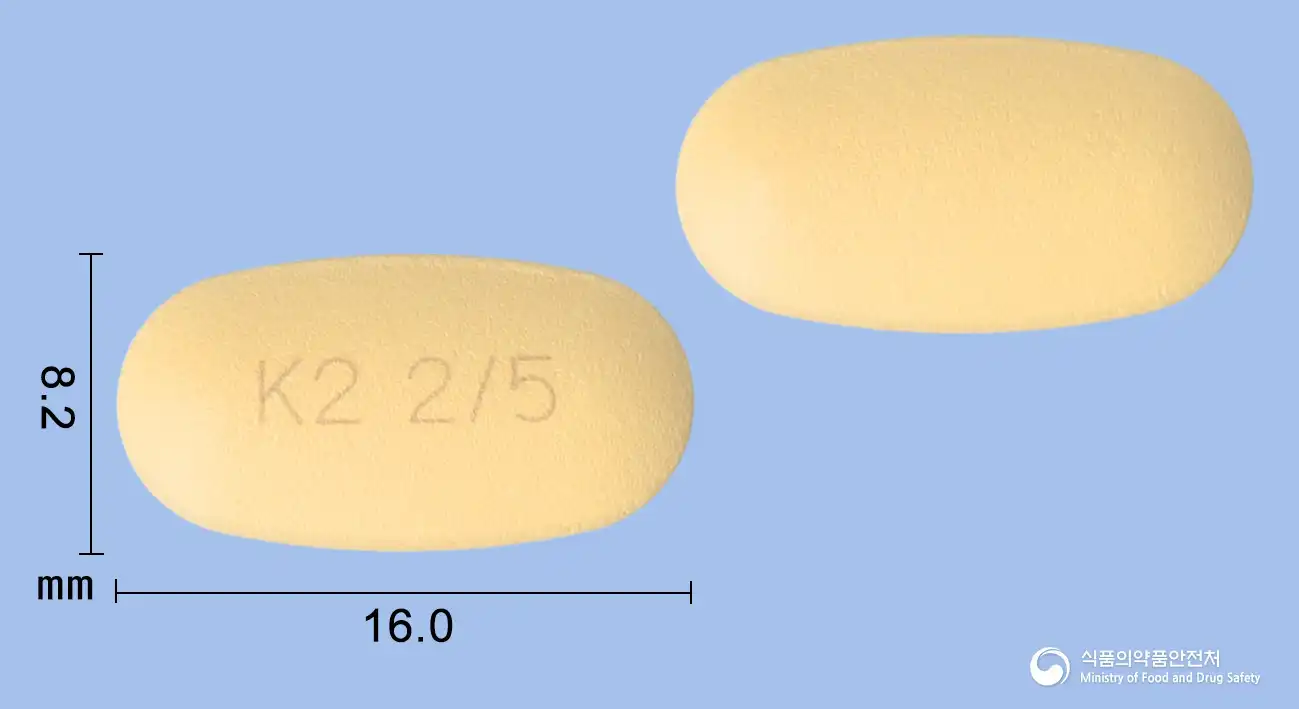 Combination
Linagliptin Micronized 2.5mg · Metformin Hydrochloride 500mg
Tablet · Prescription medication · Combination
Genewon Science Co., Ltd.
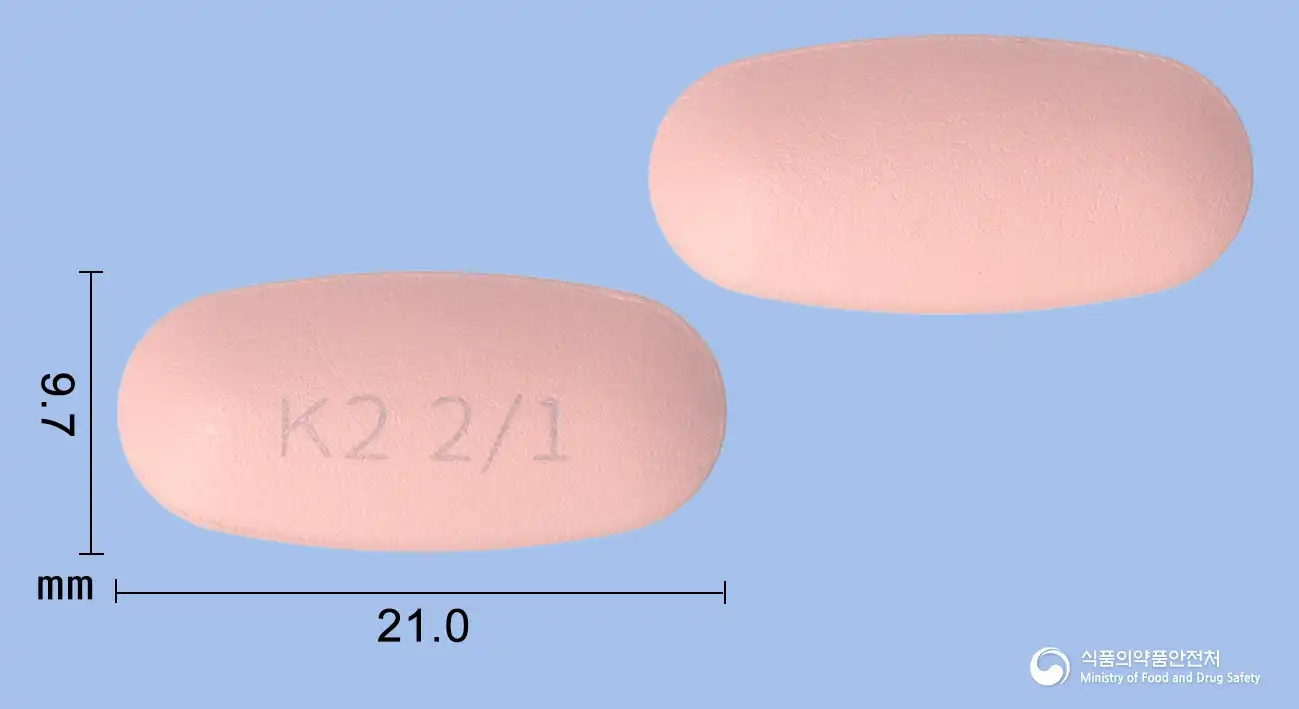 Combination
Linagliptin Micronized 2.5mg · Metformin Hydrochloride 1000mg
Tablet · Prescription medication · Combination
Genewon Science Co., Ltd.
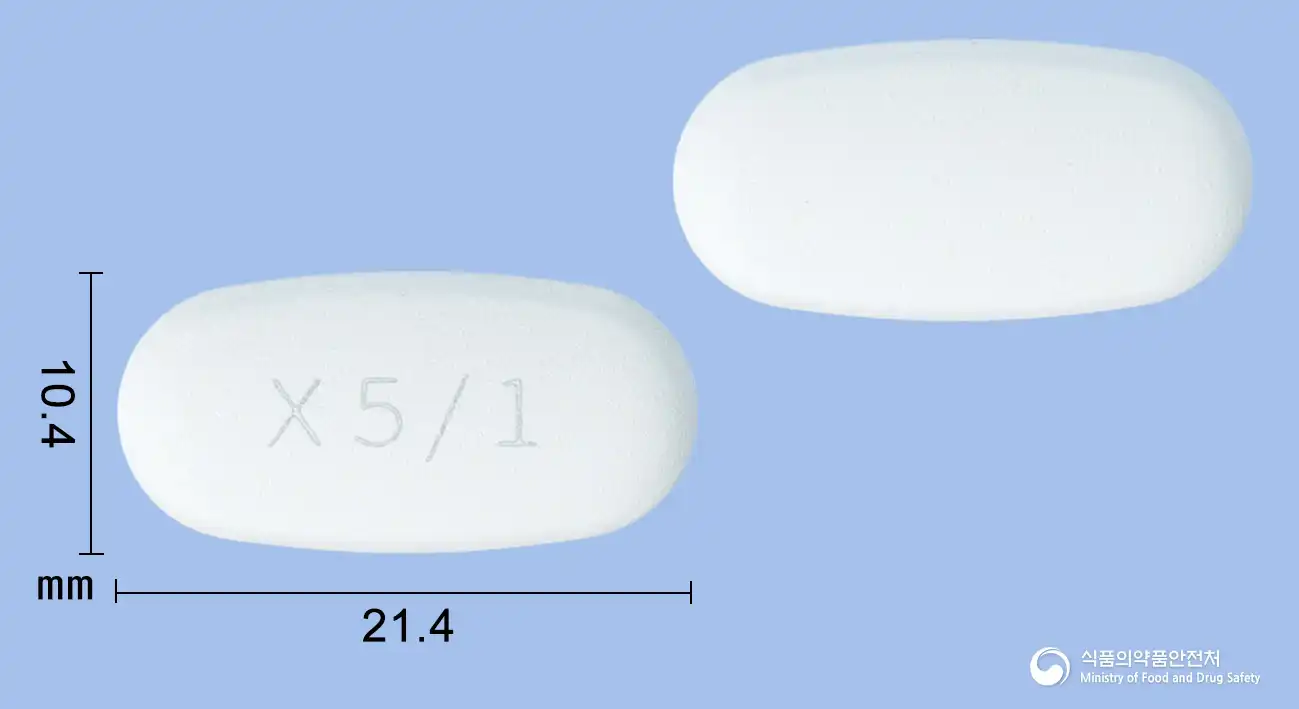 Combination
Linagliptin Micronized 5mg · Metformin Hydrochloride 1000mg
Tablet · Prescription medication · Combination
Genewon Science Co., Ltd.
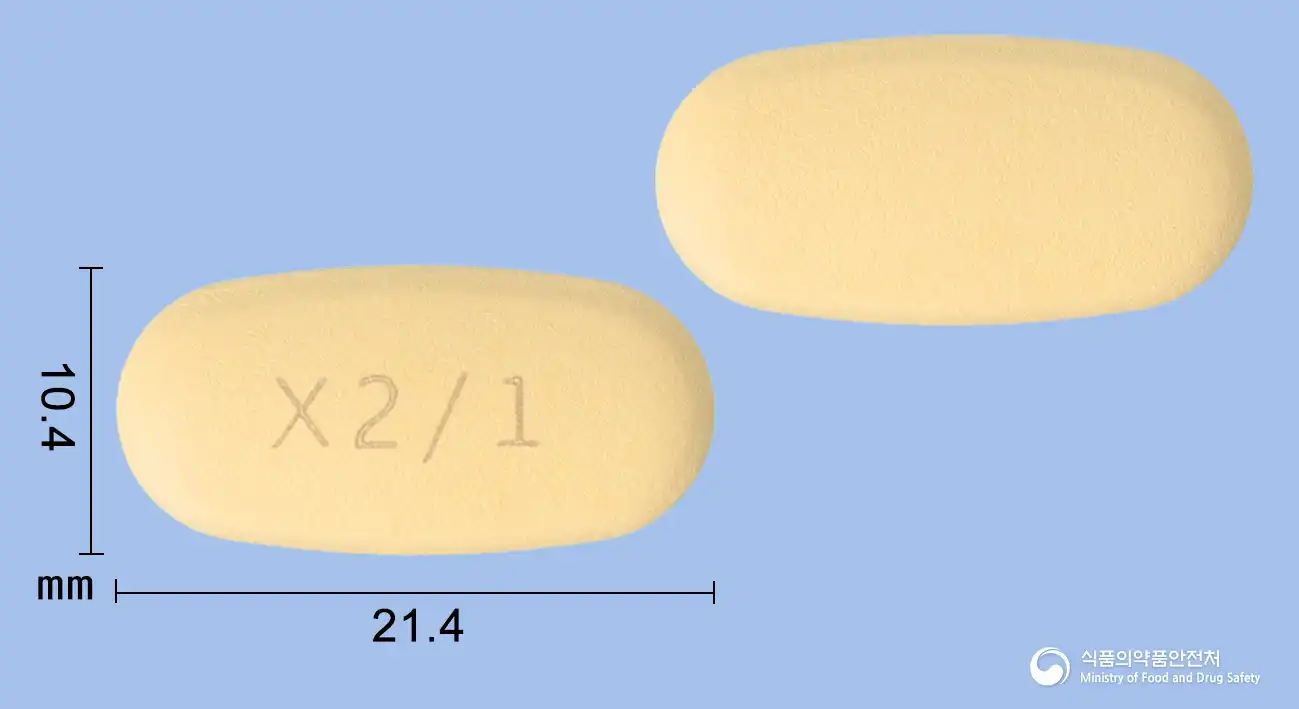 Combination
Linagliptin Micronized 2.5mg · Metformin Hydrochloride 1000mg
Tablet · Prescription medication · Combination
Genewon Science Co., Ltd.
Even with the same ingredient, the dose and directions can differ by strength and dosage form. Talk to a doctor or pharmacist before switching from a medication you are already taking.
No questions yet.
For anything that needs medical judgment, consult a doctor or pharmacist.
This drug information is based on data provided by the Korea Ministry of Food and Drug Safety.
Consult a doctor or pharmacist for accurate dosage, administration, and usage instructions.