Improvement of blood sugar control in type 2 diabetes
Who takes it
Adults
Adult dose
This medication is taken once daily with the evening meal.
To maintain the sustained release formulation, do not crush, split, or chew the tablet, but swallow it whole.
The 5/1000 mg sustained release tablet is taken once daily at a dose of 1 tablet.
The 2.5/1000 mg sustained release tablet is taken once daily at a dose of 2 tablets simultaneously.
1. If not currently receiving treatment with metformin:
The initial dose is a total daily dose of 5 mg of linagliptin.
Improvement of blood sugar control in type 2 diabetes
View approved original textHide original text
This medication helps patients with type 2 diabetes to better control their blood sugar levels while following dietary and exercise therapies. Linagliptin and metformin work together to improve blood sugar levels. Therefore, it serves as a good therapeutic adjunct for those who have difficulty controlling their blood sugar.
How to take
Adult dose
This medication is taken once daily with the evening meal.
To maintain the sustained release formulation, do not crush, split, or chew the tablet, but swallow it whole.
The 5/1000 mg sustained release tablet is taken once daily at a dose of 1 tablet.
The 2.5/1000 mg sustained release tablet is taken once daily at a dose of 2 tablets simultaneously.
1. If not currently receiving treatment with metformin:
The initial dose is a total daily dose of 5 mg of linagliptin.
Precautions
This medication can cause a rare side effect known as severe lactic acidosis, so caution is required.
It should not be used in patients with an allergy to any of its ingredients, type 1 diabetes, severely impaired kidney function, acute infections, or heart disease.
There is a risk of hypoglycemia, so blood sugar levels should be closely monitored, especially when taken with insulin or sulfonylureas.
Kidney function should be regularly tested, and this medication should not be taken if kidney function is low.
Patients with unstable heart function or acute heart disease should also use this medication with care.
When administering iodine contrast agents used during radiological examinations, the medication should be temporarily discontinued and can be resumed after kidney function has returned to normal.
If surgery is planned, the medication should be stopped 48 hours prior to the surgery and resumed after kidney function has recovered post-surgery.
This medication can cause severe pancreatic diseases such as pancreatitis, so if severe abdominal pain occurs, the doctor should be informed immediately.
Vitamin B12 deficiency may occur, so it is advisable to regularly check blood levels of vitamin B12 if used for long durations.
This medication should be swallowed whole and not crushed, chewed, or split, and while the tablet coating may be excreted in the stool, this is normal.
This medication can interact with other drugs, especially those affecting the kidneys or blood sugar, so caution is recommended when taking them concurrently.
It is advisable not to take this medication during pregnancy or breastfeeding, and those planning to become pregnant should consult a physician.
Elderly patients may have decreased kidney function, so dosage adjustments and regular monitoring of kidney function are required.
In case of overdose, there is a risk of lactic acidosis, and immediate medical treatment should be sought, which may require hemodialysis.
Side effects and when to seek care immediately
Serious side effects
Hives, angioedema, lactic acidosis, pancreatitis, bullous pemphigoid, severe rash with high fever, blistering, skin peeling, pain of mucous membranes of mouth/eyes, difficulty breathing, asthma attack, respiratory abnormalities accompanied by cough and fever, yellowing of the skin or eyes (jaundice), extreme lethargy, sudden and severe headache, thunderclap headache, seizures, confusion, visual disturbances, paralysis, dramatically decreased urine output.
Mild side effects
Taste disturbance
cough
decreased appetite
diarrhea
constipation
nausea
vomiting
abdominal pain
oral ulcers
itching
Show 27 moreCollapse
erythema
rash
increased amylase
increased triglycerides
increased serum creatinine
dizziness
headache
drowsiness
insomnia
depression
anxiety
fever
facial swelling
fatigue
chest pain
nosebleed
oropharyngeal pain
speech disturbance
runny nose
musculoskeletal pain
joint pain
osteoporosis
muscle pain
vertigo
hair loss
elevated blood pressure
elevated blood levels.
Not everyone experiences these, and they can vary from person to person.
Storage
This medication should be stored in a sealed container to prevent air or moisture from entering and kept at room temperature between 1 degree Celsius and 30 degrees Celsius. Proper storage helps maintain the medication's effectiveness and prevent degradation.
Appearance and packaging
Appearance
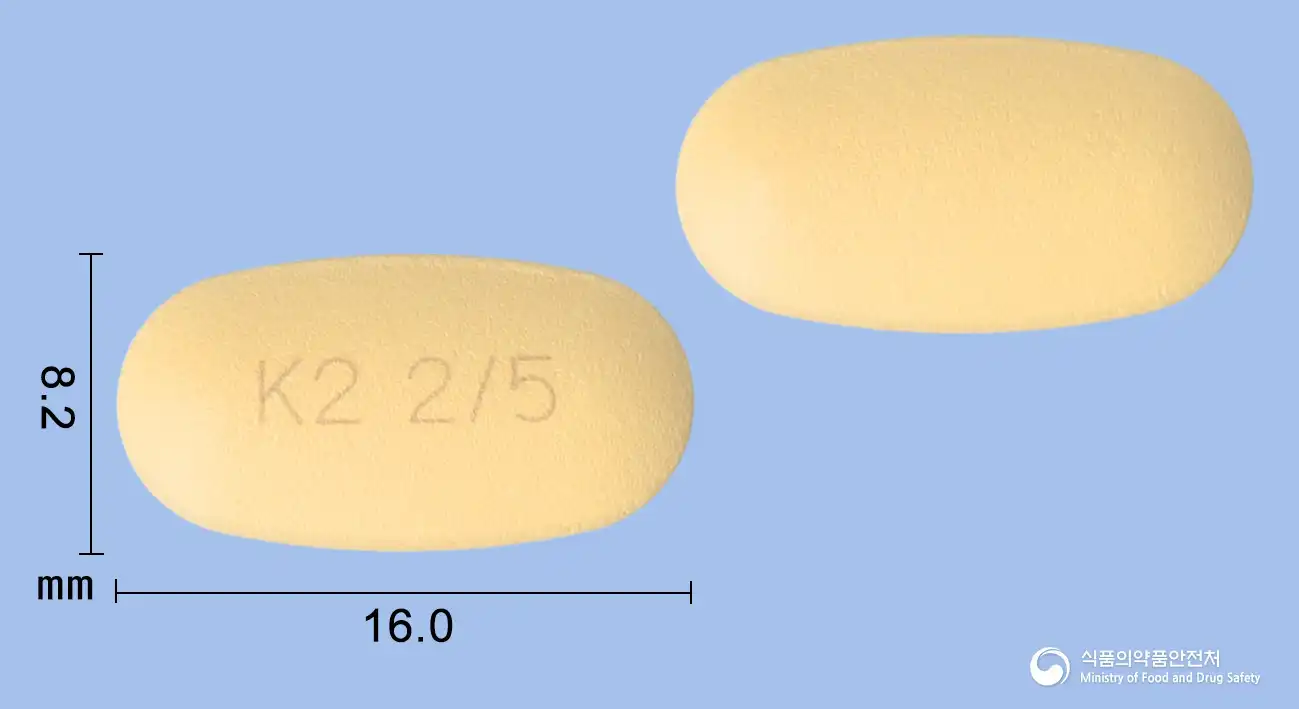
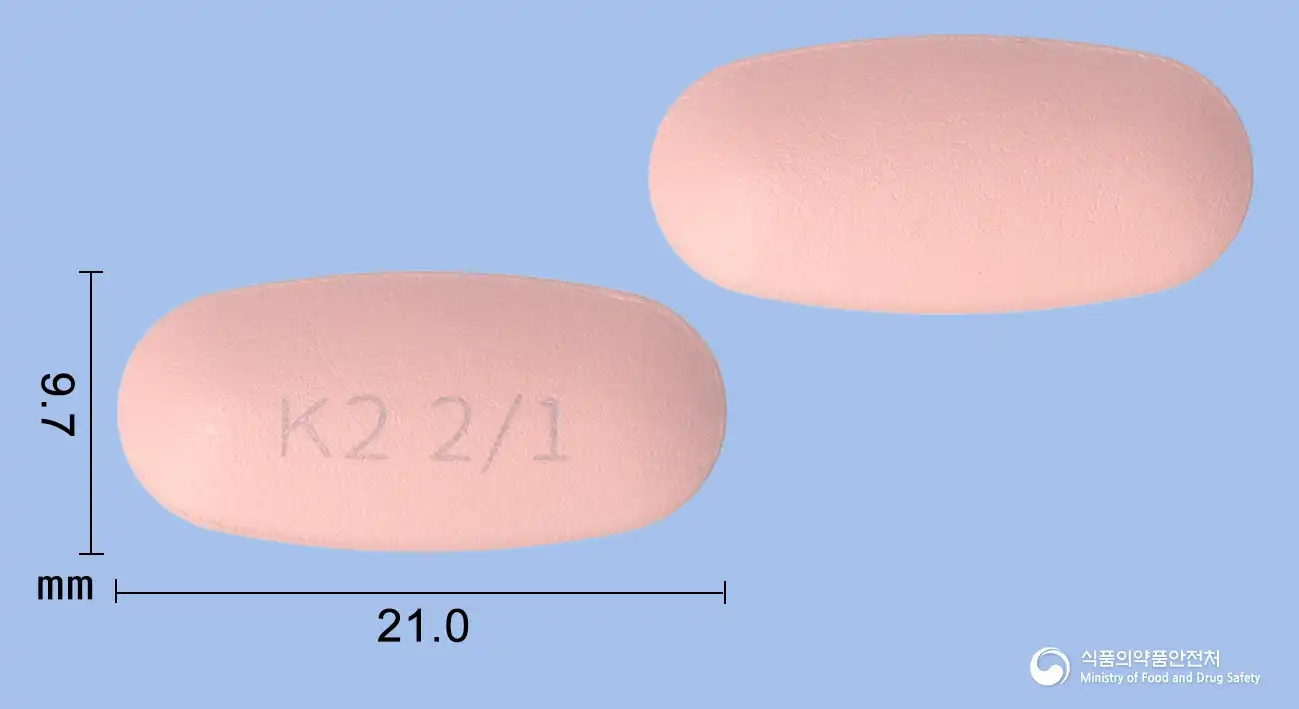
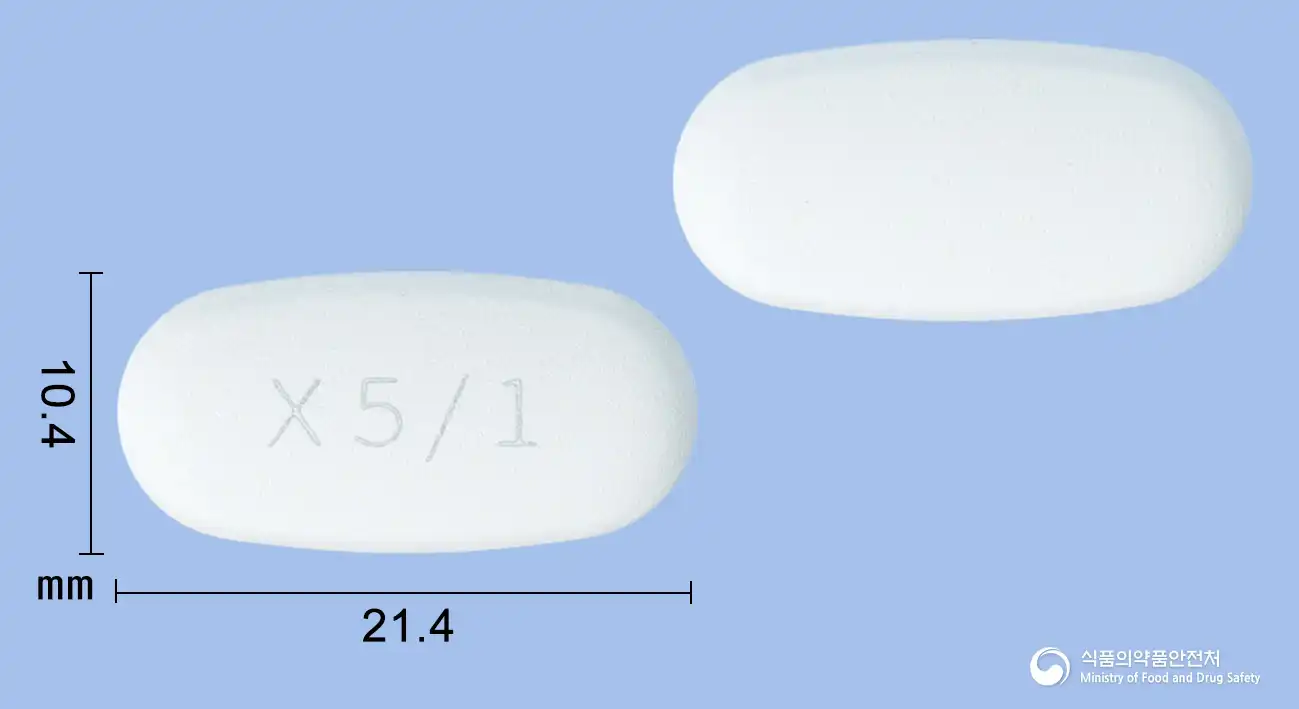
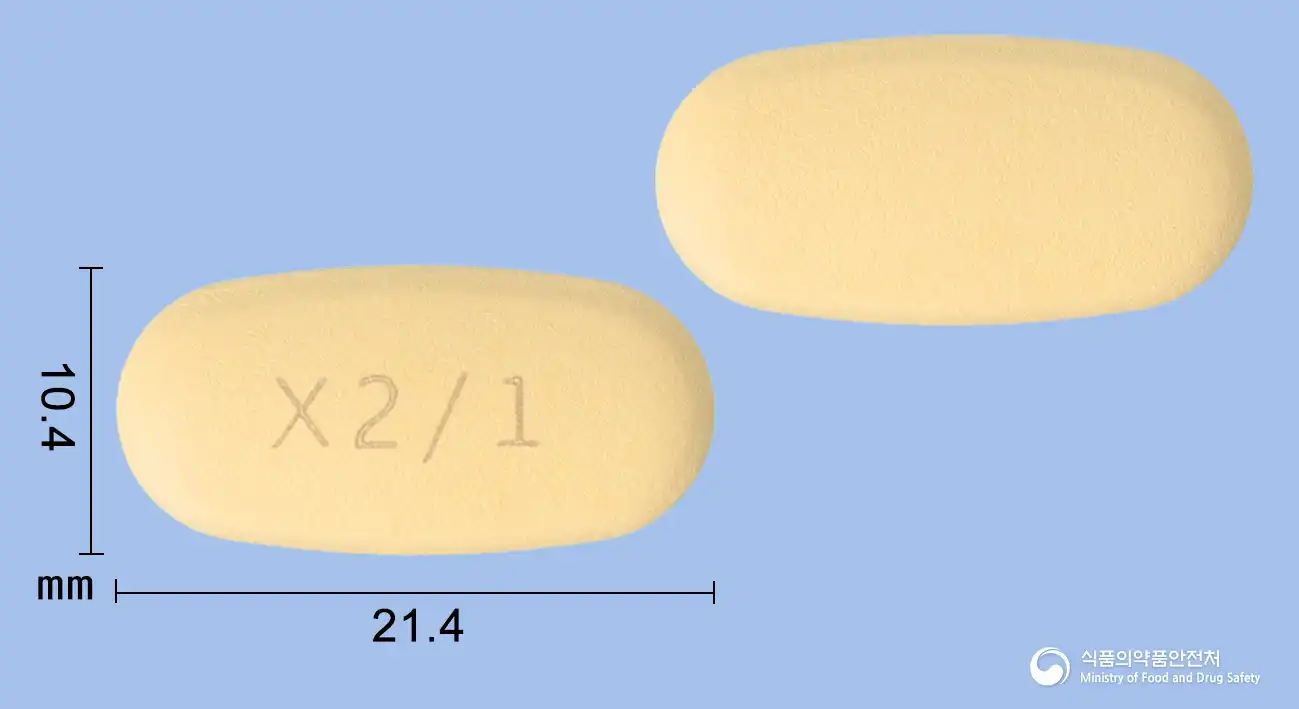
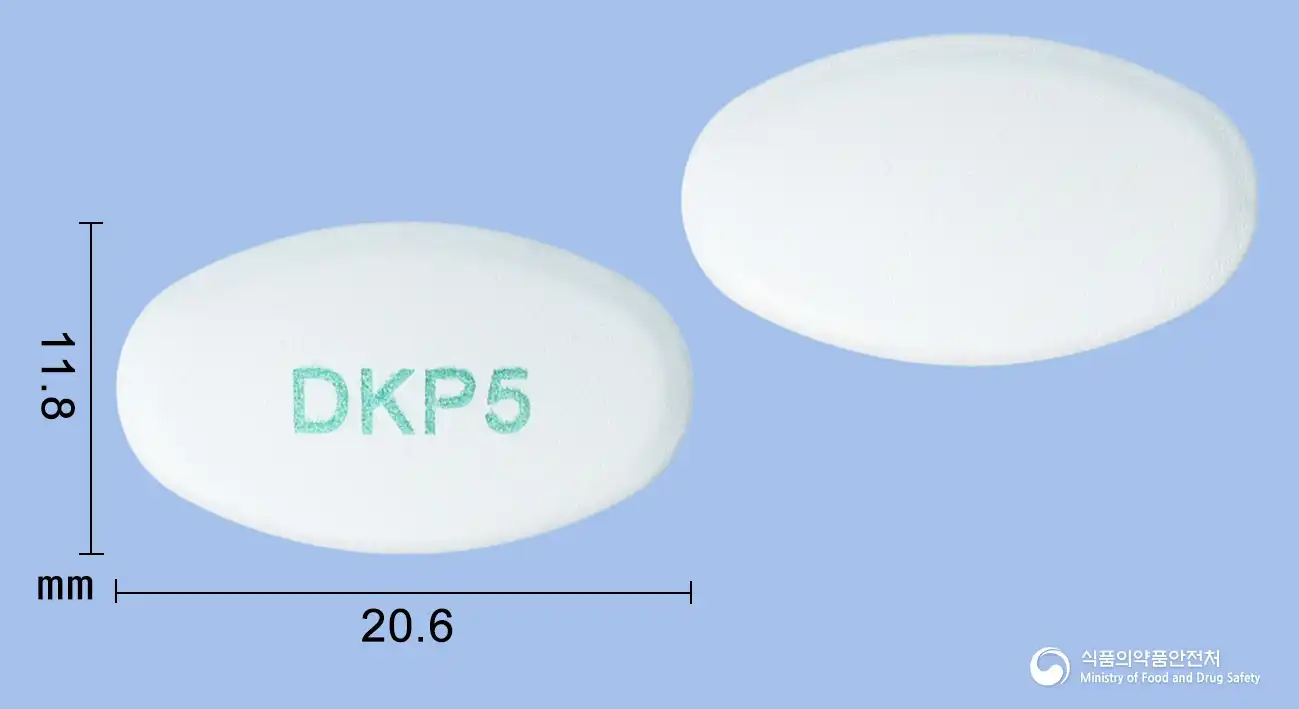
White oval-shaped sustained release film-coated tablet
Package unit
30 tablets/bottle
Same-ingredient medicines
Even with the same ingredient, strength, dosage form and how it is taken can differ.
Even with the same ingredient, the dose and directions can differ by strength and dosage form. Talk to a doctor or pharmacist before switching from a medication you are already taking.
Questions about this medicine
No questions yet.
For anything that needs medical judgment, consult a doctor or pharmacist.
This drug information is based on data provided by the Korea Ministry of Food and Drug Safety. Consult a doctor or pharmacist for accurate dosage, administration, and usage instructions.

 한국어
한국어 English
 日本語
日本語 中文(简体)
 Viewing nowCombination