
 한국어
한국어 English
 日本語
日本語 中文(简体)
Dosage form image
Viewing nowGepofit Strong Cataplasma (Diclofenac Sodium)
Diclofenac Sodium 96mg
OTC medication
Samjin Pharmaceutical Co., Ltd.
MFDS item code 202400559 · Notified 2024.03.18
Relief of pain associated with osteoarthritis and periarticular inflammation
This medication is used for osteoarthritis, shoulder periarthritis, tendon and tenosynovitis, peritendinitis, elbow pain (tennis elbow), muscle pain, and swelling and pain following trauma.
Attach one sheet once daily to the affected area (disease area).
This medication should not be used by individuals who are allergic or hypersensitive to certain ingredients. Individuals with asthma or those who have previously experienced asthma attacks after using non-steroidal anti-inflammatory drugs should also avoid this medication. It is safe for children under 18 years, pregnant women over 5 months, and nursing mothers not to use this medication. Patients with peptic ulcers should also avoid using this medication. While using this medication, do not use other medications containing the same ingredient or other non-steroidal anti-inflammatory drugs together. Do not use for more than 2 consecutive weeks, and do not apply to areas of skin with wounds or inflammation. Avoid contact with eyes or mucous membranes, and do not use occlusive bandages without a doctor's instructions. Patients with bronchial asthma or those undergoing other treatments should consult a doctor or pharmacist before using this medication. Particularly, caution is needed when used with certain antibiotics due to the risk of seizures. During pregnancy, especially in the third trimester, this medication may pose risks to both the fetus and the mother, so it should not be used; during the early and mid-trimester of pregnancy, it should only be used in the minimum amount for the shortest duration, if absolutely necessary. Nursing mothers should preferably avoid using this medication as it may be passed into breast milk. Elderly individuals should use this medication cautiously in small amounts, as it may lead to increased risks of cardiovascular, gastrointestinal, and kidney side effects, and they should pay attention to unusual reactions. This medication contains certain ingredients that should be avoided by individuals allergic to them. Additionally, the ingredients may exacerbate asthma or cause severe allergic reactions such as anaphylaxis, so asthmatic patients should be particularly cautious. If redness, swelling, itching, pain, or blisters appear on the skin while using this medication, use should be stopped immediately, and a doctor or pharmacist should be consulted. Rarely, severe allergic reactions can occur, so if symptoms such as difficulty breathing or hives appear, immediate medical assistance should be sought. This medication alleviates symptoms like pain and swelling, but separate treatment is necessary for the underlying disease. This medication may affect kidney function, so renal status should be closely monitored when used in conjunction with diuretics or antihypertensives. Additionally, there is a risk of serious gastrointestinal side effects such as bleeding or ulcers, so when used with medications that increase bleeding risk, strictly follow the doctor's instructions. This medication should be kept out of reach of children, stored in a cool place away from direct sunlight and moisture, and should not be transferred to other containers to avoid misuse.
Hives, angioedema, difficulty breathing, symptoms of anaphylaxis, blisters, erosion (ulceration), red spots due to contact dermatitis, rashes, severe skin adverse reactions with itching and pain
Not everyone experiences these, and they can vary from person to person.
Do not use this medication in conjunction with diclofenac formulations or non-steroidal anti-inflammatory drugs (anti-inflammatory agents). Consult your doctor or pharmacist when using it with loop diuretics (e.g., furosemide), thiazide diuretics, anticoagulant medications (e.g., warfarin), antiplatelet agents (e.g., aspirin), selective serotonin reuptake inhibitors, and serotonin-norepinephrine reuptake inhibitors.
This medication may be sensitive to air or moisture, so it must be stored in a tightly sealed container. The storage temperature should be maintained between 1 and 30 degrees Celsius room temperature. Proper storage will help maintain the efficacy and safety of the medication for a long time.
This medication is a cataplasm with a characteristic fragrance, consisting of a sticky substance applied to a support and secured with a non-woven adhesive tape, covered with a solid coating, appearing white or light yellow.
6 sheets/pack
Even with the same ingredient, strength, dosage form and how it is taken can differ.
Diclofenac Sodium 96mg
OTC medication
Samjin Pharmaceutical Co., Ltd.
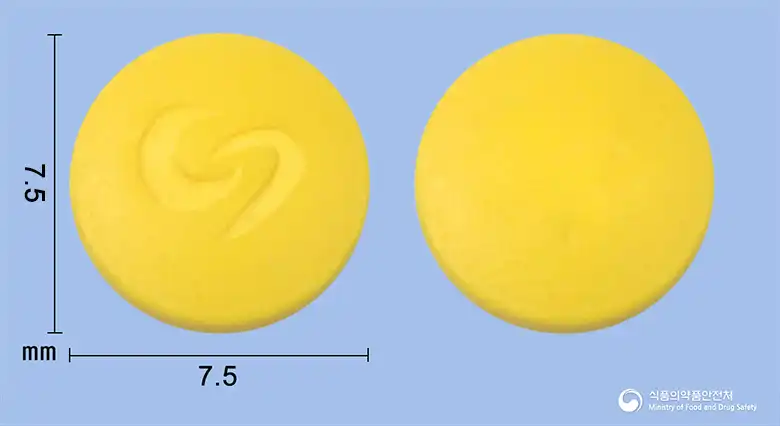
Diclofenac Sodium 25mg
Tablet · Prescription medication
Dongkwang Pharmaceutical Co., Ltd.
Diclofenac Sodium 75mg
Prescription medication
Ajou Pharmaceuticals Co., Ltd.
Diclofenac Sodium 37.5mg
Prescription medication
Hwanin Pharmaceutical Co., Ltd.
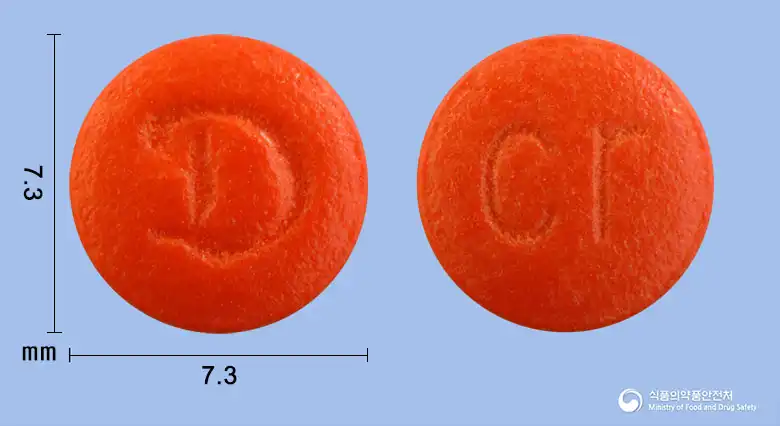
Diclofenac Sodium 25mg
Tablet · Prescription medication
GL Pharma Co., Ltd.
Diclofenac Sodium 75mg
Solution · Prescription medication
YuYoung Pharmaceutical Co., Ltd.
Diclofenac Sodium 37.5mg
Prescription medication
Daehwa Pharmaceutical Co., Ltd.
Diclofenac Sodium 37.5mg
Prescription medication
Dongkwang Pharmaceutical Co., Ltd.
Even with the same ingredient, the dose and directions can differ by strength and dosage form. Talk to a doctor or pharmacist before switching from a medication you are already taking.
QMy father is taking aspirin; can he use this patch?
Answers 1 · 2026.09.14
QHow many patches should I apply in a day?
Answers 1 · 2026.09.14
For anything that needs medical judgment, consult a doctor or pharmacist.
This drug information is based on data provided by the Korea Ministry of Food and Drug Safety.
Consult a doctor or pharmacist for accurate dosage, administration, and usage instructions.