
 한국어
한국어 English
 日本語
日本語 中文(简体)
 Viewing nowCombination
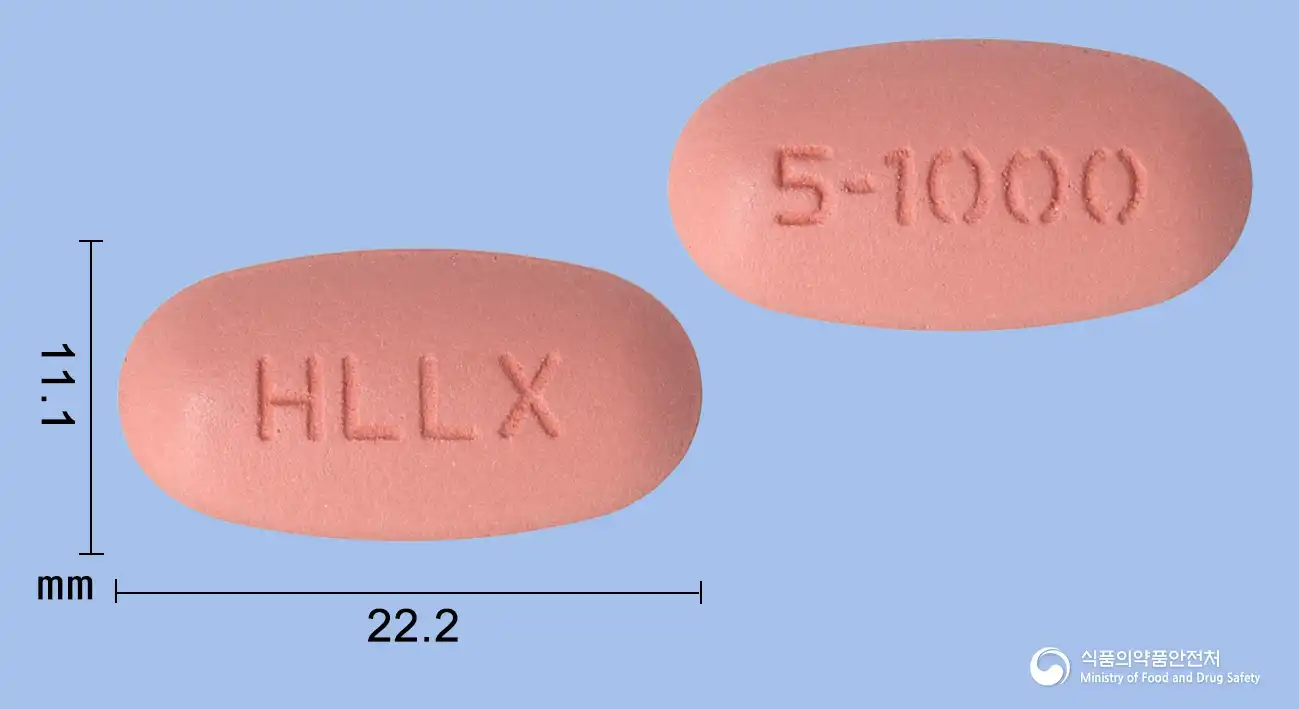
Rinarem Extended Release Tablets 5/1000 mg (Linaagliptin, Metformin)
Metformin Hydrochloride 1000mg · Linagliptin Micronized 5mg
Tablet · Prescription medication · Combination
Hanlim Pharmaceutical Co., Ltd.
MFDS item code 202400469 · Approved 2024.03.05 · Insurance code 645307060
Improvement of blood sugar control in type 2 diabetes
This medication is used to help patients with type 2 diabetes control their blood sugar levels. When used in conjunction with dietary and exercise therapies, it can manage blood sugar more effectively. The combination therapy of Linaagliptin and Metformin enhances blood sugar control effects, supporting a healthy lifestyle. Consistent use helps improve blood sugar control.
In diabetes therapy, the dosage of this medication is determined within the maximum recommended daily doses of linaagliptin 5 mg and extended-release metformin hydrochloride not to exceed 2000 mg, considering each patient’s current treatment, efficacy, and tolerability. This medication should be taken once daily with the evening meal. To maintain the extended-release property, do not split, crush, grind, or chew.
This medication is primarily used for the treatment of diabetes and works by regulating blood sugar with its two active ingredients. Caution is required as a rare side effect called lactic acidosis can occur when taking this medication. Lactic acidosis can result in a dangerous condition from excessive lactate accumulation in the body; if symptoms appear, consult a healthcare provider immediately. This medication should not be used in patients with certain diseases, severely impaired kidney function, acute liver dysfunction, alcohol dependence, or pregnant women. Since hypoglycemia may occur during treatment, especially when taken with other antidiabetic agents or insulin, careful monitoring of blood sugar levels is necessary. As kidney function may decline, regular blood tests to monitor kidney status are important. Patients with poor heart function should use this medication cautiously and, if experiencing acute myocardial infarction or heart failure, it is advisable not to use it. When iodinated contrast is used for radiographic examination, this medication should be stopped before and after the exam and resumed only after kidney function has normalized. Patients about to undergo surgery should discontinue this medication 48 hours prior to the procedure and resume it only after kidney function has recovered post-surgery. This medication should be swallowed whole and should not be crushed, chewed, or broken, as the tablet coating may be excreted without concern. This medication may lower vitamin B12 levels; thus, regular monitoring of vitamin B12 levels is necessary with long-term use. Rare side effects, such as acute pancreatitis or blistering dermatitis, may occur, so if severe abdominal pain or skin abnormality arises, consult a physician immediately. It is generally advisable not to use this medication during pregnancy and to avoid it while breastfeeding. Elderly patients may have decreased kidney function; hence, evaluation of kidney function and dosage adjustments are necessary prior to use. This medication can interact with other drugs, so if taking other medications, inform your physician or pharmacist. In case of overdose, this medication may not be fully absorbed by the gastrointestinal tract, and immediate medical attention should be sought.
Hypoglycemia, taste disturbances, cough, decreased appetite, diarrhea, constipation, nausea, vomiting, abdominal pain, oral ulcers, liver function abnormalities, hepatitis, itching, erythema, rash, severe arthralgia associated with disability, rhabdomyolysis, increased lipase, increased amylase, nasopharyngitis, hypersensitivity reactions, angioedema, abnormal vitamin B12 absorption tests, increased triglycerides, increased potassium, increased creatinine.
Not everyone experiences these, and they can vary from person to person.
This medication should be stored in a tightly sealed container to protect it from air and moisture, at room temperature between 1 and 30 degrees Celsius. Storing it this way will help maintain its effectiveness and prevent deterioration.
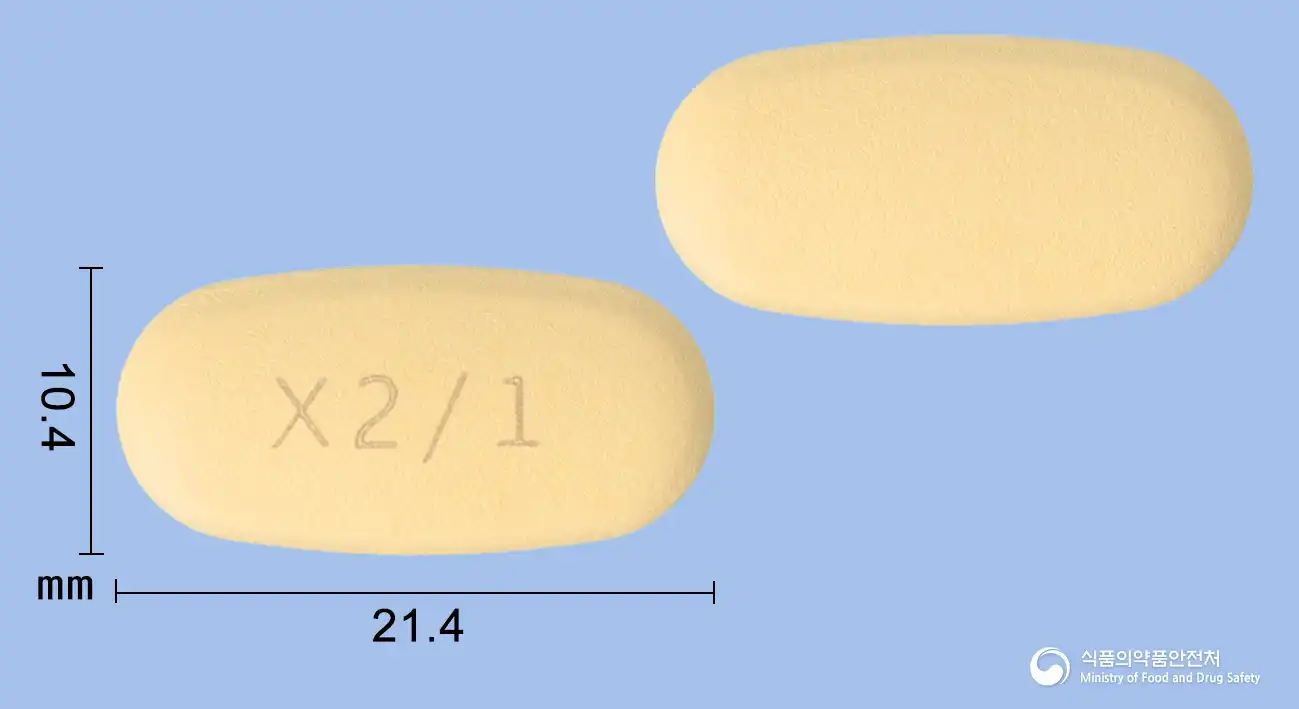
Pink, double convex, oval, extended-release film-coated tablets
30 tablets/bottle
Even with the same ingredient, strength, dosage form and how it is taken can differ.
Viewing nowCombinationMetformin Hydrochloride 1000mg · Linagliptin Micronized 5mg
Tablet · Prescription medication · Combination
Hanlim Pharmaceutical Co., Ltd.
Linagliptin Micronized 2.5mg · Metformin Hydrochloride 1000mg
Tablet · Prescription medication · Combination
Samjin Pharmaceutical Co., Ltd.
Linagliptin Micronized 2.5mg · Metformin Hydrochloride 500mg
Tablet · Prescription medication · Combination
Samjin Pharmaceutical Co., Ltd.
Linagliptin Micronized 2.5mg · Metformin Hydrochloride 850mg
Tablet · Prescription medication · Combination
Samjin Pharmaceutical Co., Ltd.
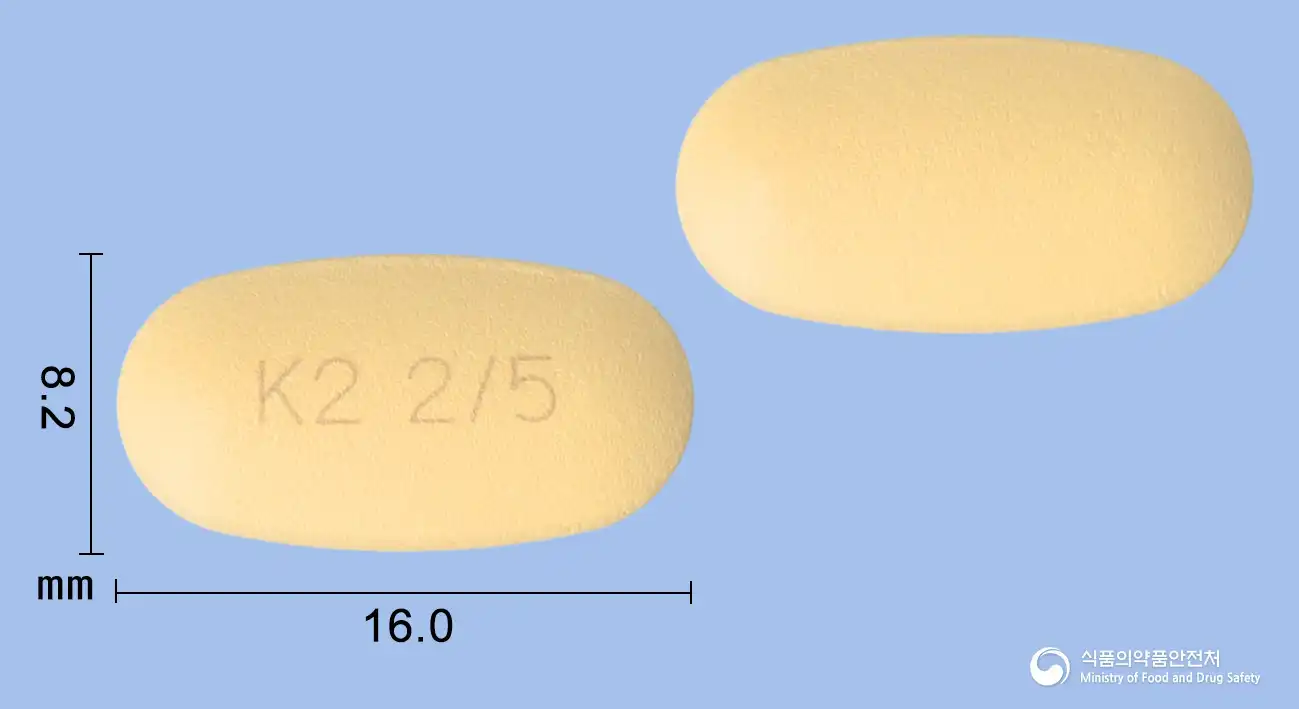 Combination
Linagliptin Micronized 2.5mg · Metformin Hydrochloride 500mg
Tablet · Prescription medication · Combination
Genewon Science Co., Ltd.
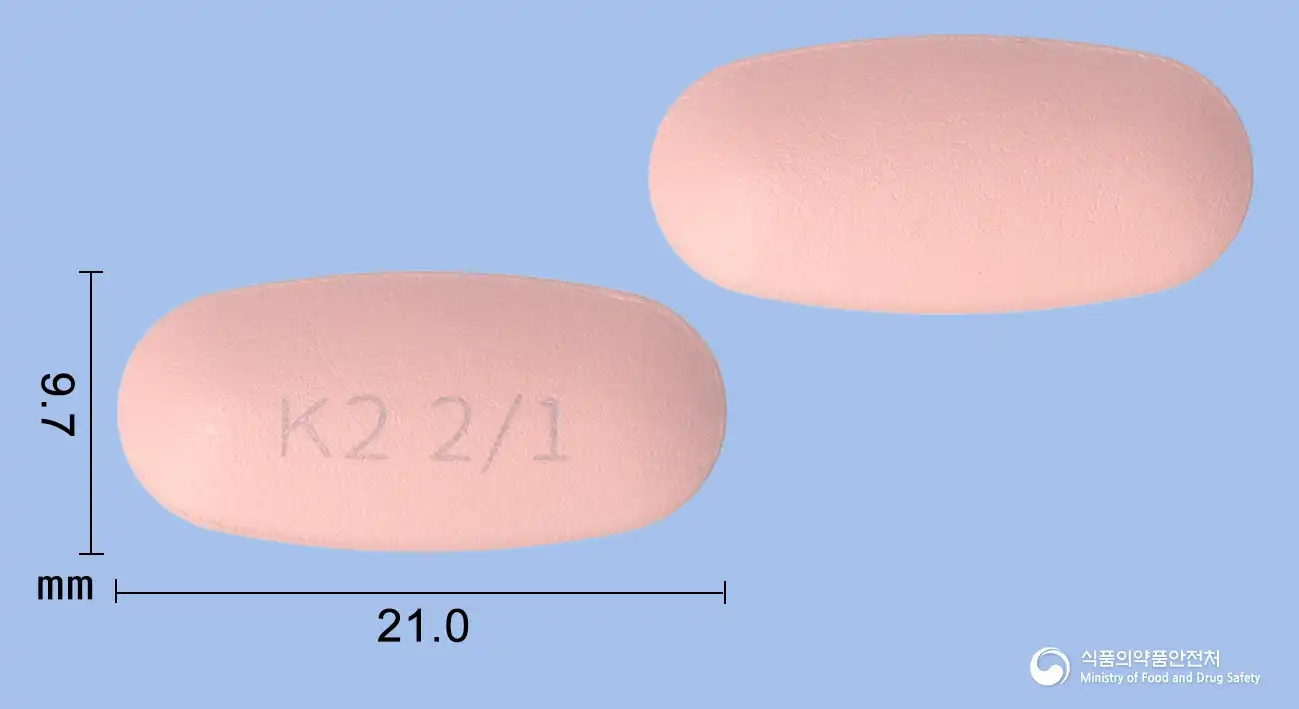 Combination
Linagliptin Micronized 2.5mg · Metformin Hydrochloride 1000mg
Tablet · Prescription medication · Combination
Genewon Science Co., Ltd.
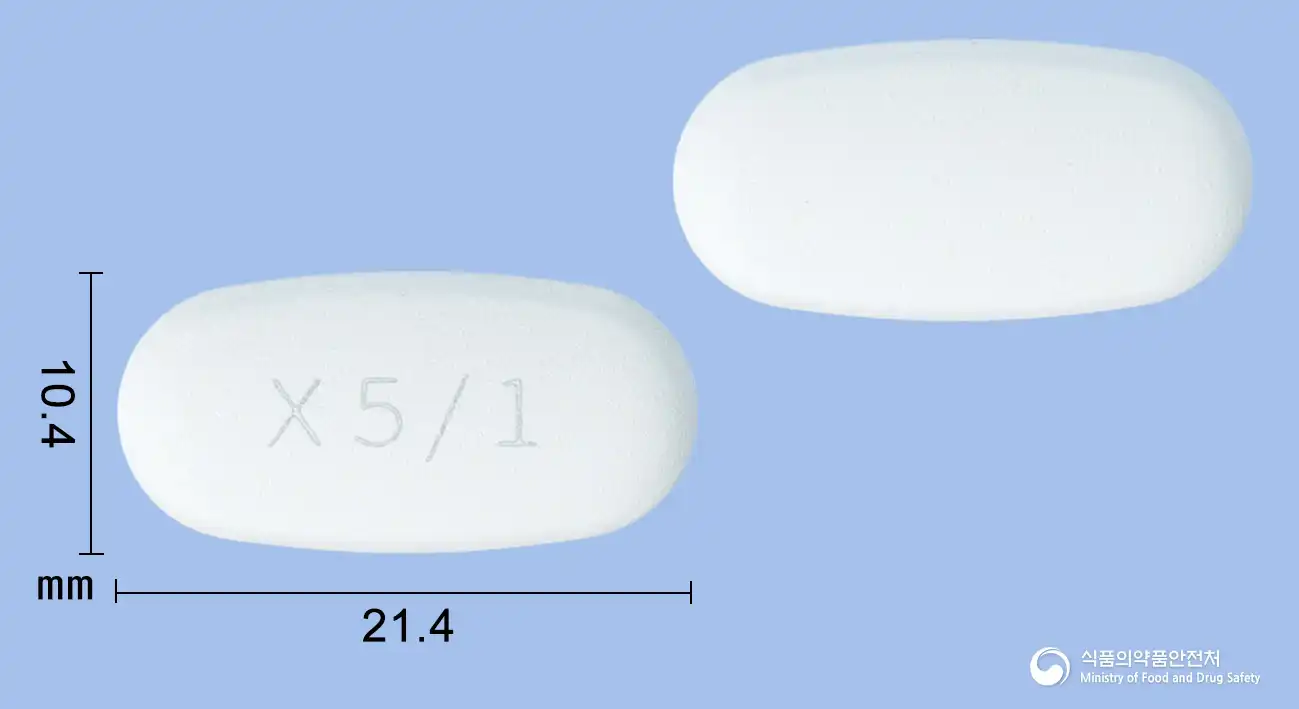 Combination
Linagliptin Micronized 5mg · Metformin Hydrochloride 1000mg
Tablet · Prescription medication · Combination
Genewon Science Co., Ltd.
 Combination
Linagliptin Micronized 2.5mg · Metformin Hydrochloride 1000mg
Tablet · Prescription medication · Combination
Genewon Science Co., Ltd.
Even with the same ingredient, the dose and directions can differ by strength and dosage form. Talk to a doctor or pharmacist before switching from a medication you are already taking.
No questions yet.
For anything that needs medical judgment, consult a doctor or pharmacist.
This drug information is based on data provided by the Korea Ministry of Food and Drug Safety.
Consult a doctor or pharmacist for accurate dosage, administration, and usage instructions.