Improvement in blood sugar control in type 2 diabetes
Who takes it
Adults
Adult dose
This medication is generally taken twice daily with food, and the dosage is gradually increased to reduce gastrointestinal adverse reactions associated with metformin.
1. For patients currently not treated with metformin:
Take this medication 50/500 mg twice daily, one tablet each time, and may increase to 50/1000 mg twice daily, one tablet each time.
2. For patients currently treated with metformin:
Improvement in blood sugar control in type 2 diabetes
View approved original textHide original text
This medication is used to assist in blood sugar control for patients with type 2 diabetes by combining sitagliptin and metformin. When taken with dietary and exercise therapy, it can effectively manage blood sugar. This treatment contributes to stabilizing blood sugar levels and reducing the risk of complications. Patients can expect better results through consistent use and lifestyle improvements. Therefore, this medication is used to improve blood sugar control in type 2 diabetes.
How to take
Adult dose
This medication is generally taken twice daily with food, and the dosage is gradually increased to reduce gastrointestinal adverse reactions associated with metformin.
1. For patients currently not treated with metformin:
Take this medication 50/500 mg twice daily, one tablet each time, and may increase to 50/1000 mg twice daily, one tablet each time.
2. For patients currently treated with metformin:
Precautions
This medication contains two components, sitagliptin and metformin, and is primarily used to help control blood sugar levels in patients with type 2 diabetes.
First, the sitagliptin component can cause rare but serious allergic reactions; if symptoms such as rash, swelling, or difficulty breathing occur within three months of administration, the patient should immediately stop taking the medication and consult a doctor.
Additionally, there have been reports of acute pancreatitis, which is inflammation of the pancreas, so if symptoms such as abdominal pain, nausea, or vomiting occur, medical attention should be sought immediately and drug administration should be stopped.
The metformin component can cause a rare but life-threatening metabolic complication known as lactic acidosis, so it should not be administered to patients with impaired kidney function, liver dysfunction, dehydration, severe infection, or congestive heart failure.
This medication should not be used in patients with moderate or severe kidney impairment, those with acute heart failure or myocardial infarction, type 1 diabetes patients, women who are pregnant or nursing, and should be temporarily discontinued before and after tests using radiocontrast iodine.
During treatment, kidney function and blood vitamin B12 levels should be regularly monitored for abnormalities, and excessive alcohol consumption should be avoided.
Furthermore, while taking this medication, irregular meals, vigorous exercise, and interactions with other medications can potentially lead to hypoglycemia; thus caution is recommended.
Common side effects may include diarrhea, nausea, headaches, and upper respiratory infections, while rarely, severe joint pain or skin diseases and muscle pain may occur.
If severe hypoglycemic symptoms or serious symptoms such as skin rash, difficulty breathing, or abdominal pain appear, the patient should seek medical attention immediately.
This medication is not recommended for children under the age of 18, pregnant women, or breastfeeding females, and should be administered cautiously to the elderly with frequent monitoring of kidney function.
Administration should be temporarily halted during surgery or if the physical condition is unstable due to serious infections, and resumed after improvement in condition.
Lastly, this medication may interact with various drugs, so it is important to inform healthcare providers of any other medications being taken and to regularly review blood sugar control and side effect occurrence during treatment.
Side effects and when to seek care immediately
Serious side effects
Hives, severe swelling (edema), anaphylaxis, angioedema, chest tightness, difficulty breathing, clammy skin, pallor, severe rash with fever, blisters, skin peeling, oral/ocular mucous membrane pain, severe skin reactions (including Stevens-Johnson syndrome), jaundice (yellowing of skin or eyes), generalized fatigue, sudden and severe headache, lightning headaches, seizures, confusion, vision changes, paralysis, changes in urination
Not everyone experiences these, and they can vary from person to person.
Storage
Store this medication in an air-tight container, preferably at room temperature between 1 and 30 degrees Celsius. This method of storage helps maintain the effectiveness of the medication for a longer period.
Appearance and packaging
Appearance
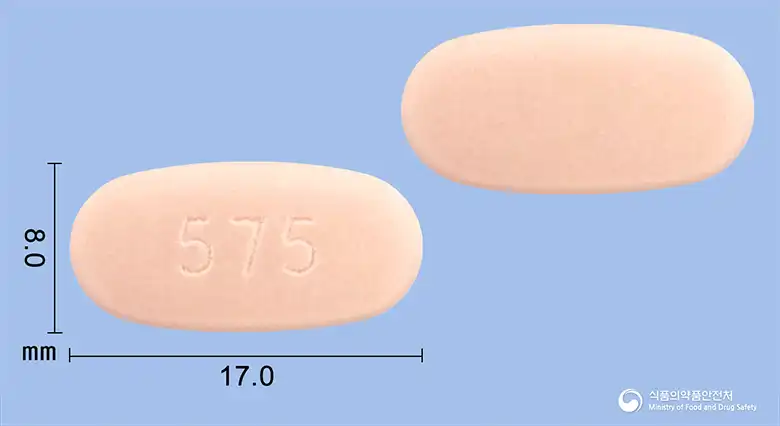
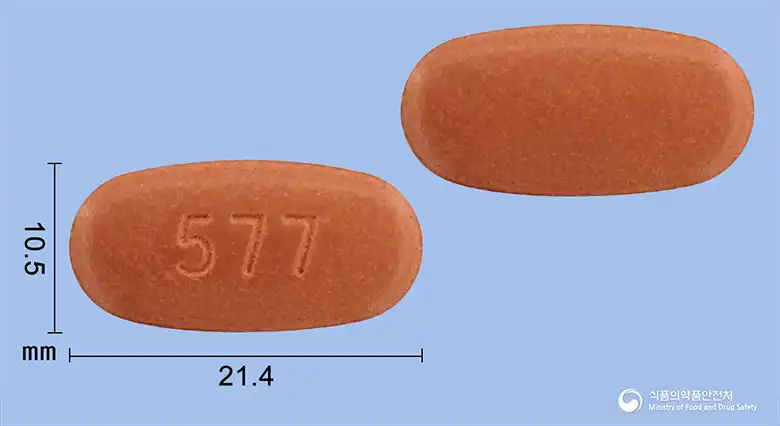
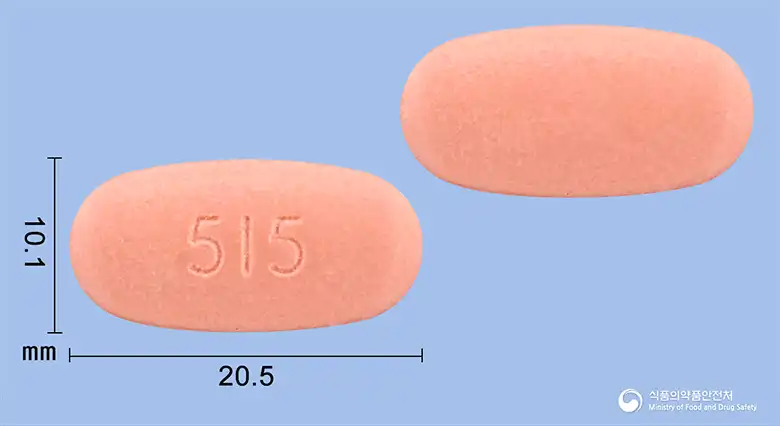
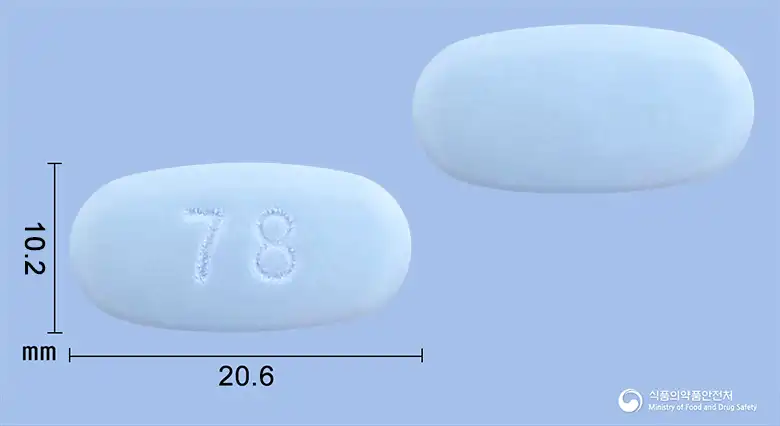
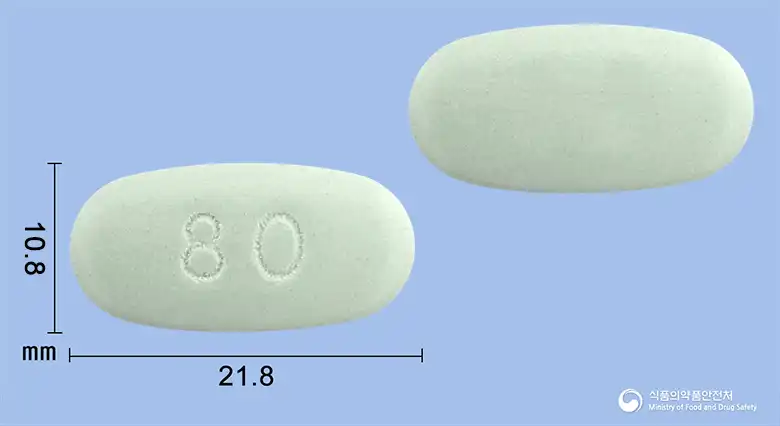
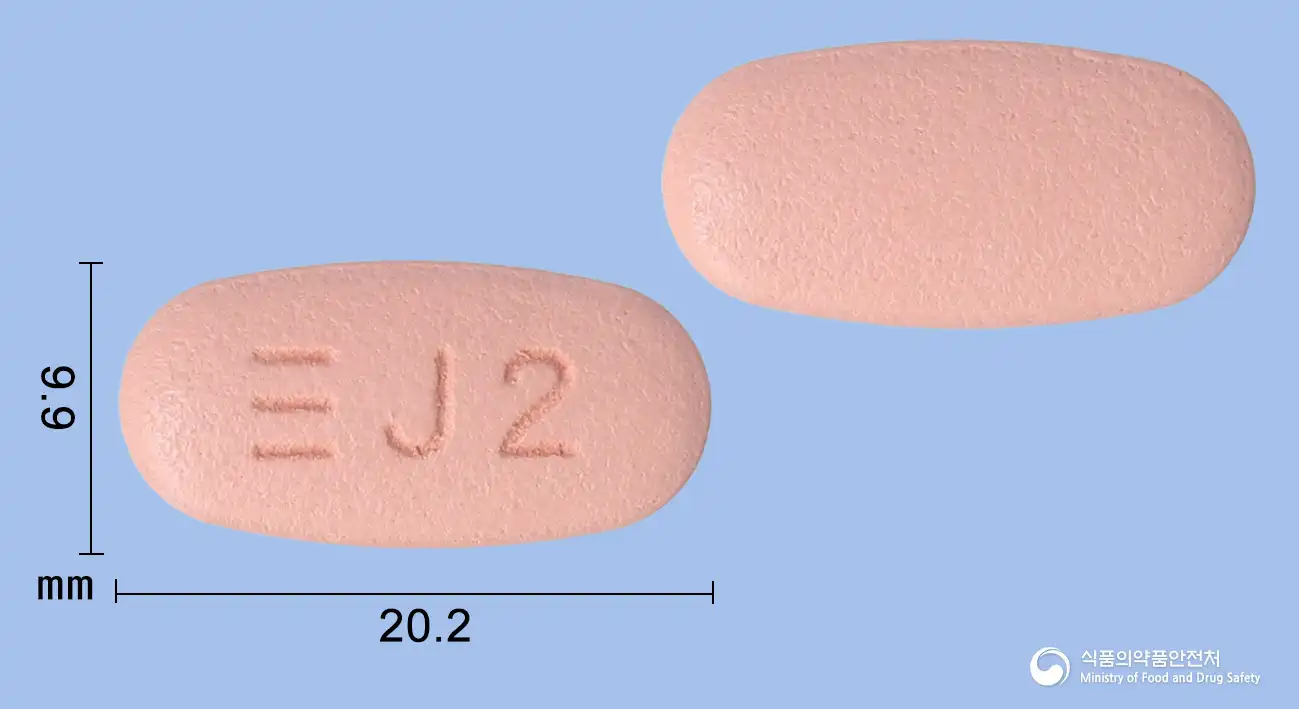
Pink oval film-coated tablet
Package unit
30 tablets/bottle, 120 tablets/bottle
Same-ingredient medicines
Even with the same ingredient, strength, dosage form and how it is taken can differ.
Even with the same ingredient, the dose and directions can differ by strength and dosage form. Talk to a doctor or pharmacist before switching from a medication you are already taking.
Questions about this medicine
No questions yet.
For anything that needs medical judgment, consult a doctor or pharmacist.
This drug information is based on data provided by the Korea Ministry of Food and Drug Safety. Consult a doctor or pharmacist for accurate dosage, administration, and usage instructions.

 한국어
한국어 English
 日本語
日本語 中文(简体)
 Viewing nowCombination