
 한국어
한국어 English
 日本語
日本語 中文(简体)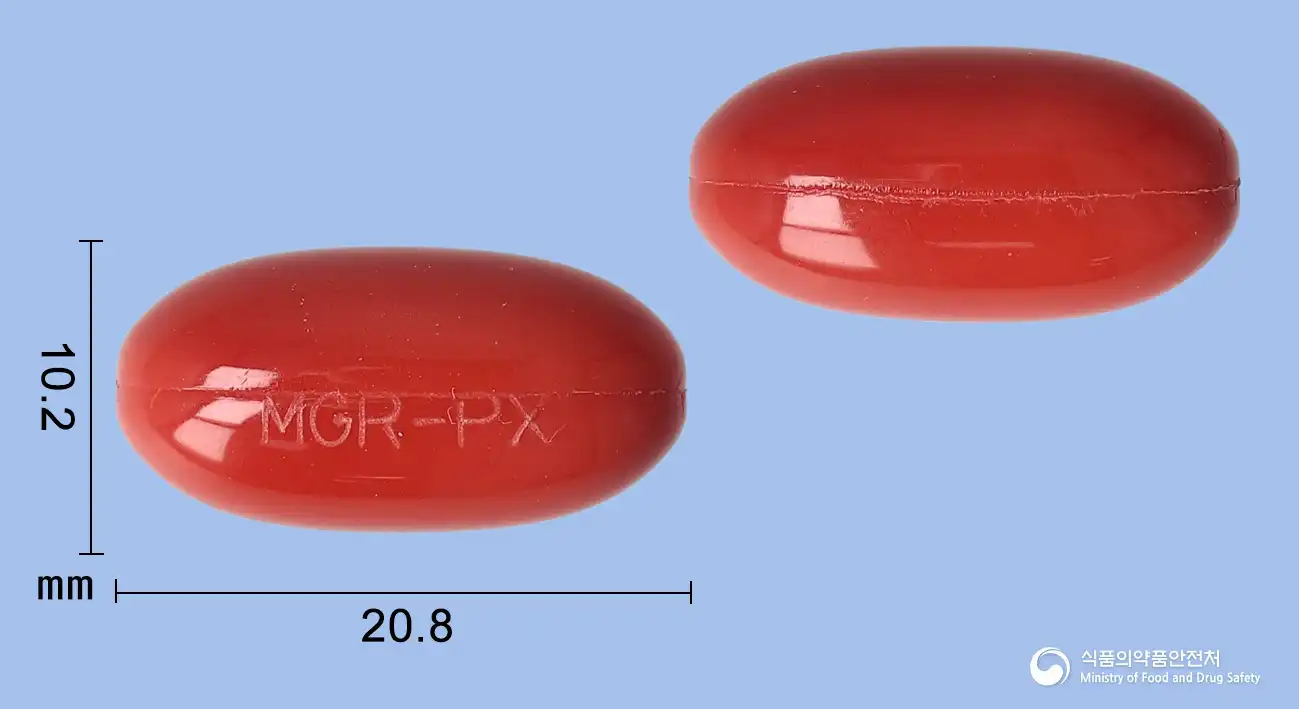
Summary
- Main use
- Relief of vitamin E (peripheral circulatory disturbances, etc.) and B1 (neuralgia, muscle pain), as well as B2, B6 (stomatitis, etc.) and prevention of muscle cramps
- Who takes it
- Adults
- Adult dose
- For those aged 12 years and older: Take 1 capsule twice a day or 2 capsules once a day.
Ingredients
- Magnesium Pidolate50mg / 1 capsule
- Magnesium Aspartate Hydrate50mg / 1 capsule
- Magnesium Oxide250mg / 1 capsule
- Tocopherol Acetate200mg / 1 capsule
- Benfotiamine60mg / 1 capsule
- Pyridoxine Hydrochloride50mg / 1 capsule
- Riboflavin50mg / 1 capsule
- Nicotinamide10mg / 1 capsule
- Gamma-Oryzanol5mg / 1 capsule
- Cyanocobalamin0.5mg / 1 capsule
- Manufacturer
- 동아제약(주)
Efficacy & effects
Relief of vitamin E (peripheral circulatory disturbances, etc.) and B1 (neuralgia, muscle pain), as well as B2, B6 (stomatitis, etc.) and prevention of muscle cramps
- Physical fatigue
- decreased stamina
- peripheral circulatory disturbances
- shoulder stiffness
- neck stiffness
- tingling in hands and feet
- coldness in hands and feet
- neuralgia
- muscle pain
- joint pain
- beriberi
- eye fatigue
View approved original textHide original text
This medication is used to supplement vitamins required during physical fatigue, pregnancy and lactation, decrease in physical strength during and after illness, and in the elderly. Vitamin E alleviates peripheral circulatory disturbances and menopausal symptoms such as shoulder or neck stiffness, tingling, and coldness in the hands and feet. Vitamin B1 reduces neuralgia, muscle pain, joint pain, beriberi, and eye fatigue. Vitamins B2 and B6 relieve inflammation around the mouth and oral cavity, dermatitis, and eczematous symptoms, and also help with muscle cramps due to magnesium deficiency. This medicine is used to supplement various nutrients and improve multiple symptoms to aid health.
How to take
Adult dose
For those aged 12 years and older: Take 1 capsule twice a day or 2 capsules once a day.
Precautions
Do not take this medicine if you have had an allergic reaction to this medicine or any ingredient contained in it. Babies under 12 months old or those with severe renal function impairment should also avoid taking this medicine. Those with allergies to soybean oil, soybeans, or peanuts should not take this medicine. During the use of this medicine, do not take it concurrently with phosphates, calcium salts, oral tetracycline preparations, antacids, and medications like levodopa. Women who are currently under medical care, pregnant or potentially pregnant, or nursing should consult a specialist before taking this medicine. Patients with heart or circulatory diseases, kidney disorders, hypoalbuminemia, hyperlipoproteinemia, diabetic dyslipidemia, or pancreatitis, which affect fat metabolism, should also exercise caution. If any symptoms such as stomach discomfort, diarrhea, constipation, skin rash, nausea, vomiting, abnormal heart rhythms, or central nervous system impairment occur while taking this medicine, stop immediately and consult a specialist. Women may experience a quicker menstrual cycle or prolonged bleeding, and the risk of thrombosis may increase when taken together with oral contraceptives that contain estrogen. Taking high doses of vitamin B6 for extended periods may cause nerve damage, and excessive intake of vitamin B12 may lead to hematological abnormalities. Additionally, this medicine can worsen peptic ulcers or affect blood sugar control, and may increase the risk of hyperuricemia or liver damage. In case of overdose, symptoms such as nausea, vomiting, edema, and heart failure may occur, so caution is advised. Care should be taken when taken with aldosterone antagonists or triamterene, as potassium levels in the blood may increase. If symptoms do not improve after taking the medication for about one month, consult a specialist. Follow the prescribed dosage and administration carefully when taking this medication. Note that the medication may change the urine color to yellow, potentially affecting clinical test results. It is advisable to avoid consuming tea containing tannins, such as green tea or black tea, before and after taking the medication. Patients at risk of fat overload should regularly check plasma lipid levels to adjust dosage of the medication, and co-administration with other lipid infusions should consider lipid content for dosage adjustment. This medicine should be kept out of reach of children, stored in a cool, dry place away from direct sunlight in a tightly sealed container. To maintain quality, do not transfer it to another container and prevent misuse.
Side effects and when to seek care immediately
Serious side effects
Cardiac arrhythmias
Mild side effects
Stomach discomfort, diarrhea, constipation, rash, redness, nausea, vomiting, loose stools, red spots, cardiac arrhythmias, central nervous system impairment, menstrual changes, sensory neuropathy or neurological symptoms, hematological abnormalities, peptic ulcers, glucose tolerance impairment, hyperuricemia, liver damage, hypernatremia, congestive heart failure, edema, hyperkalemia
Not everyone experiences these, and they can vary from person to person.
Storage
Store this medicine in a tightly closed container to protect it from air and moisture. It is advisable to keep the storage temperature between 1 and 30 degrees Celsius at room temperature.
Appearance and packaging
Appearance
An opaque, deep red, oblong soft capsule containing orange-colored emulsion.
Package unit
PTP - 10 capsules/PTP, PTP - 60 capsules/box [10 capsules/PTP X 6], PTP - 120 capsules/box [(10 capsules/PTP X 6) X 2]
Questions about this medicine
No questions yet.
For anything that needs medical judgment, consult a doctor or pharmacist.