
 한국어
 English
 日本語
 中文(简体)
 Viewing nowCombination
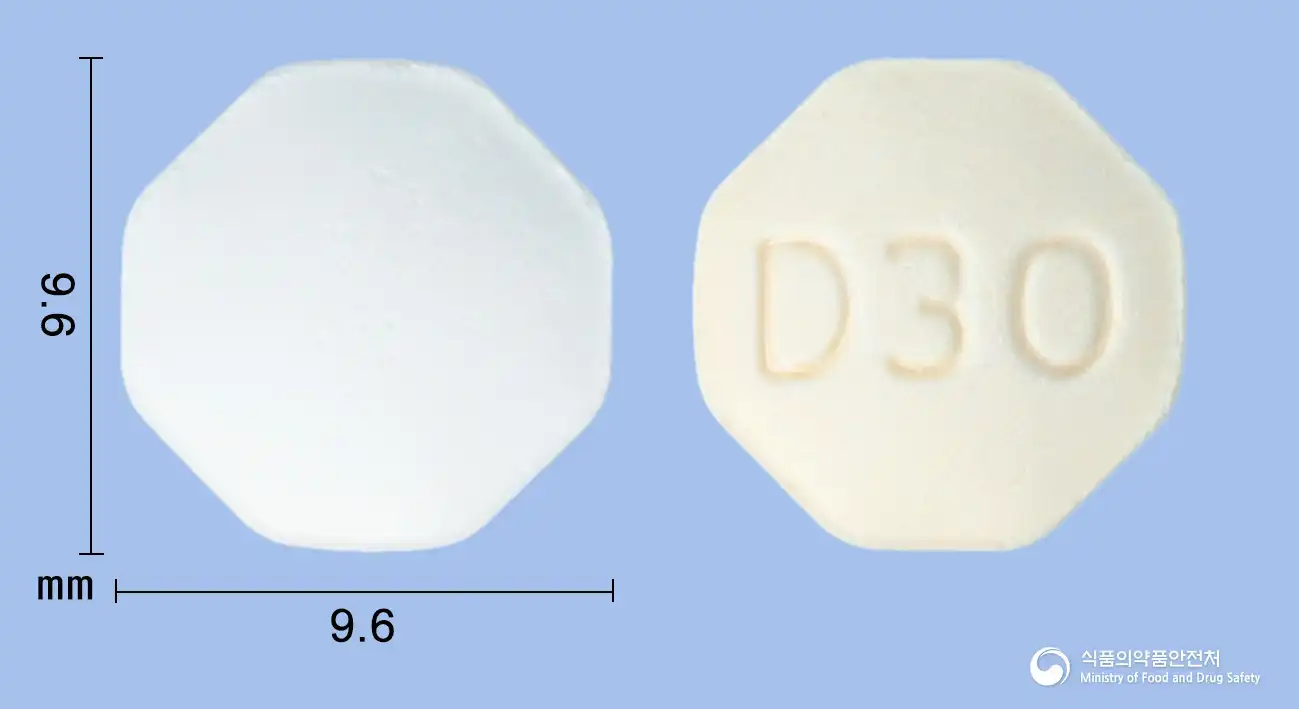
Pictozen 10/30 mg (Dapagliflozin, Pioglitazone)
Dapagliflozin Propanediol Hydrate 12.3mg · Pioglitazone Hydrochloride 33.06mg
Tablet · Prescription medication · Combination
Kyungdong Pharmaceutical Co., Ltd.
MFDS item code 202400232 · Approved 2024.01.31 · Insurance code 648105020
Improvement of glycemic control in patients with type 2 diabetes mellitus
This medication is used to help control blood sugar in patients with type 2 diabetes, as dapagliflozin and pioglitazone work together. It is more effective when combined with dietary and exercise therapy and greatly assists in the stable management of blood sugar. This helps reduce the risk of complications due to diabetes and improves overall health status. Therefore, this medication is used to enhance blood sugar control in patients with type 2 diabetes.
Administer 1 tablet once daily, regardless of meals. Do not split the tablet. For patients who do not achieve adequate glycemic control with metformin and dapagliflozin, the recommended starting dose of this drug is dapagliflozin 10mg/pioglitazone 15mg once daily. The dose of this drug may be increased to 10/30mg once daily based on tolerability and glycemic response. Patients switching from combination therapy with dapagliflozin and pioglitazone to this drug should receive their existing doses. When initiating treatment with this drug or increasing the dose, patients should be carefully monitored for weight gain, edema, and symptoms and signs of congestive heart failure associated with fluid retention, as observed with pioglitazone treatment. Assessment of renal function is recommended before treatment with this drug and periodically thereafter. No dose adjustment based on renal function is necessary when the estimated glomerular filtration rate (eGFR) is 45mL/min/1.73m2 or higher. Do not administer this drug if the eGFR is less than 45mL/min/1.73m2.
This medication should not be used in patients with heart failure or a history of heart failure. Pioglitazone may cause fluid retention, which can worsen heart failure symptoms (such as rapid weight gain, shortness of breath, swelling), which should be monitored closely. Immediate adjustment of treatment or discontinuation of the drug is necessary if signs of heart failure occur. Patients with active bladder cancer or a history of bladder cancer should not take this medication. Patients with severely impaired liver function or severe renal impairment should also not use this medication. This medication is not suitable for patients with diabetic ketoacidosis, diabetic coma, or type 1 diabetes. In patients before and after surgery, or those with severe infections or trauma, insulin injections are more appropriate, and this medication is not recommended. Women who are pregnant or may become pregnant should not take this medication, and caution is needed for patients with hereditary lactose intolerance. In patients with decreased fluid volume or renal dysfunction, blood pressure reduction or worsening of renal function may occur, so it should be administered carefully. Particularly, elderly patients or those taking diuretics are at higher risk for hypotension, so they should be monitored closely. The blood sugar control effect of this medication varies based on renal function, so it is best not to use it in patients with severely reduced renal function. During treatment with this medication, adverse symptoms such as hypoglycemia, edema, weight gain, infections (especially genital and urinary tract infections), dizziness, etc. may occur, so caution is necessary. If symptoms suggestive of liver dysfunction (fatigue, decreased appetite, jaundice, etc.) appear, consult a physician immediately and undergo liver function tests.
Not everyone experiences these, and they can vary from person to person.
This medication should be stored in a tightly closed container to prevent exposure to air or moisture. The storage temperature should be maintained at room temperature between 1 and 30 degrees Celsius.
White to light yellow, double-sided, convex octagonal tablet
30 tablets/box [10 tablets/PTP x 3]
Even with the same ingredient, strength, dosage form and how it is taken can differ.
Viewing nowCombinationDapagliflozin Propanediol Hydrate 12.3mg · Pioglitazone Hydrochloride 33.06mg
Tablet · Prescription medication · Combination
Kyungdong Pharmaceutical Co., Ltd.
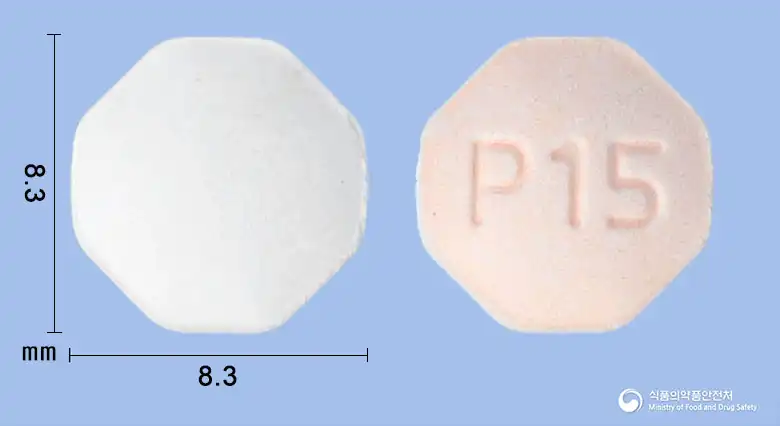 Combination
Dapagliflozin Propanediol Hydrate 12.3mg · Pioglitazone Hydrochloride 16.53mg
Tablet · Prescription medication · Combination
Boryung Pharmaceutical Co., Ltd.
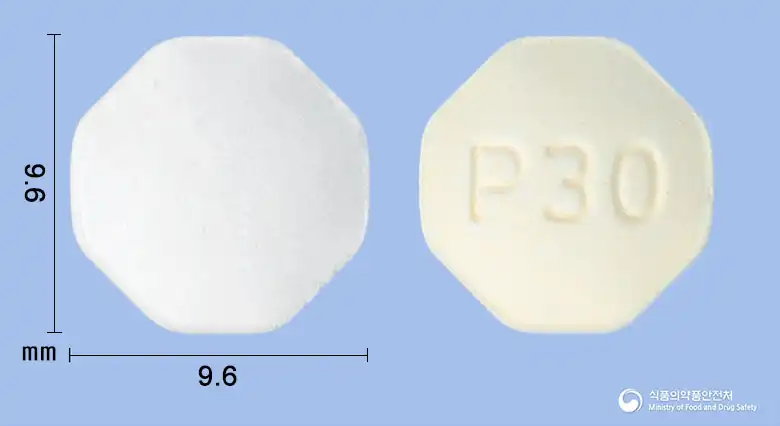 Combination
Dapagliflozin Propanediol Hydrate 12.3mg · Pioglitazone Hydrochloride 33.06mg
Tablet · Prescription medication · Combination
Boryung Pharmaceutical Co., Ltd.
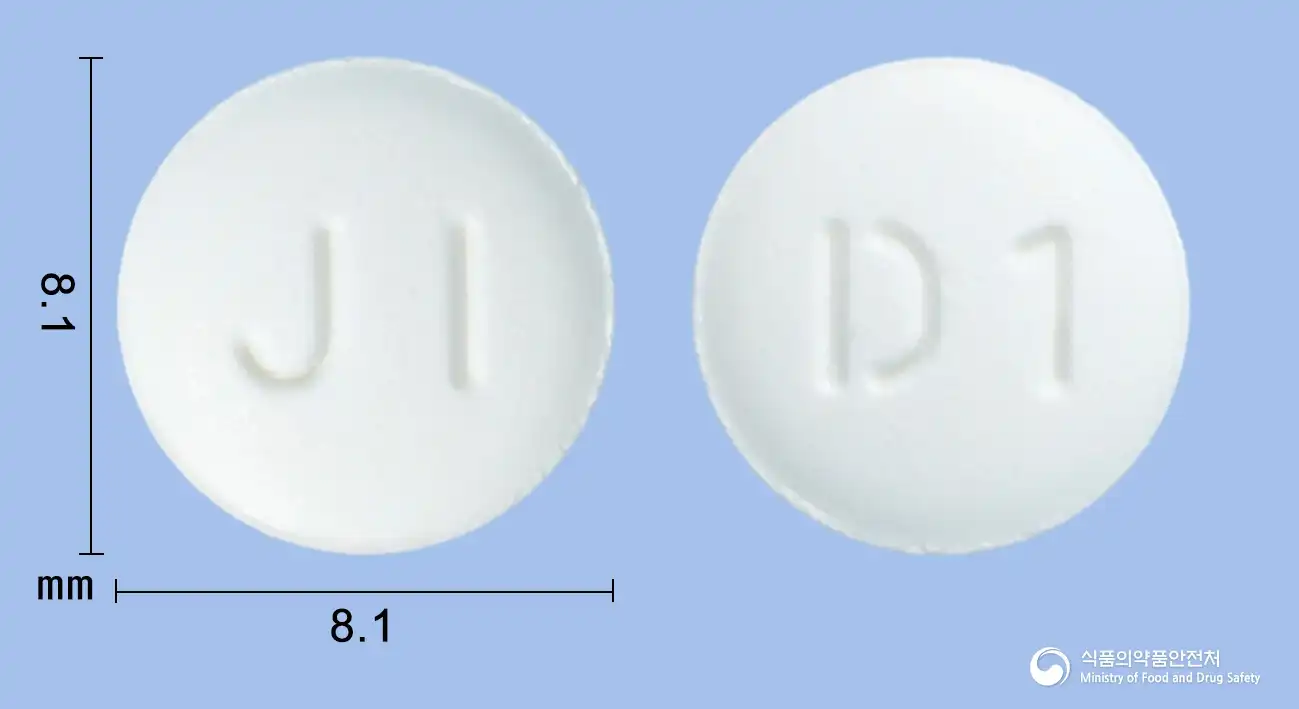 Combination
Dapagliflozin Propanediol Hydrate 12.3mg · Pioglitazone Hydrochloride 16.53mg
Tablet · Prescription medication · Combination
Jeil Pharmaceutical Co., Ltd.
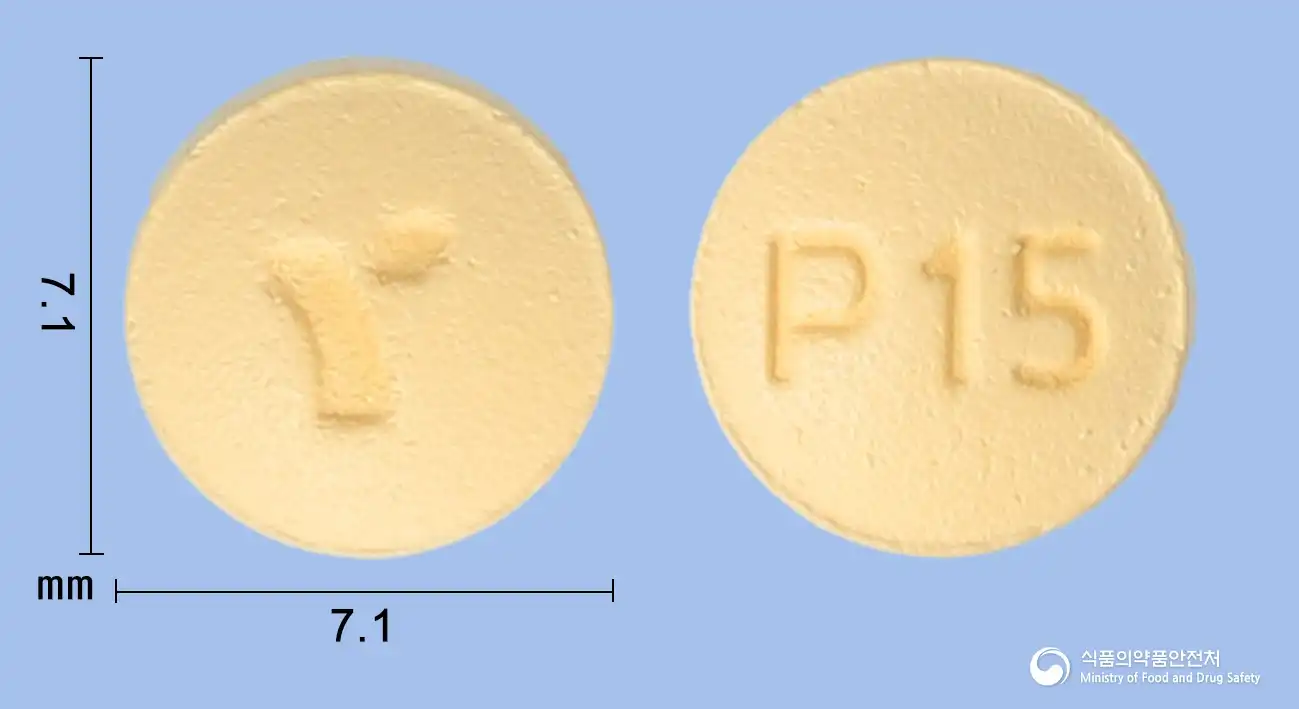 Combination
Pioglitazone Hydrochloride 16.53mg · Dapagliflozin Propanediol Hydrate 12.3mg
Tablet · Prescription medication · Combination
YuYoung Pharmaceutical Co., Ltd.
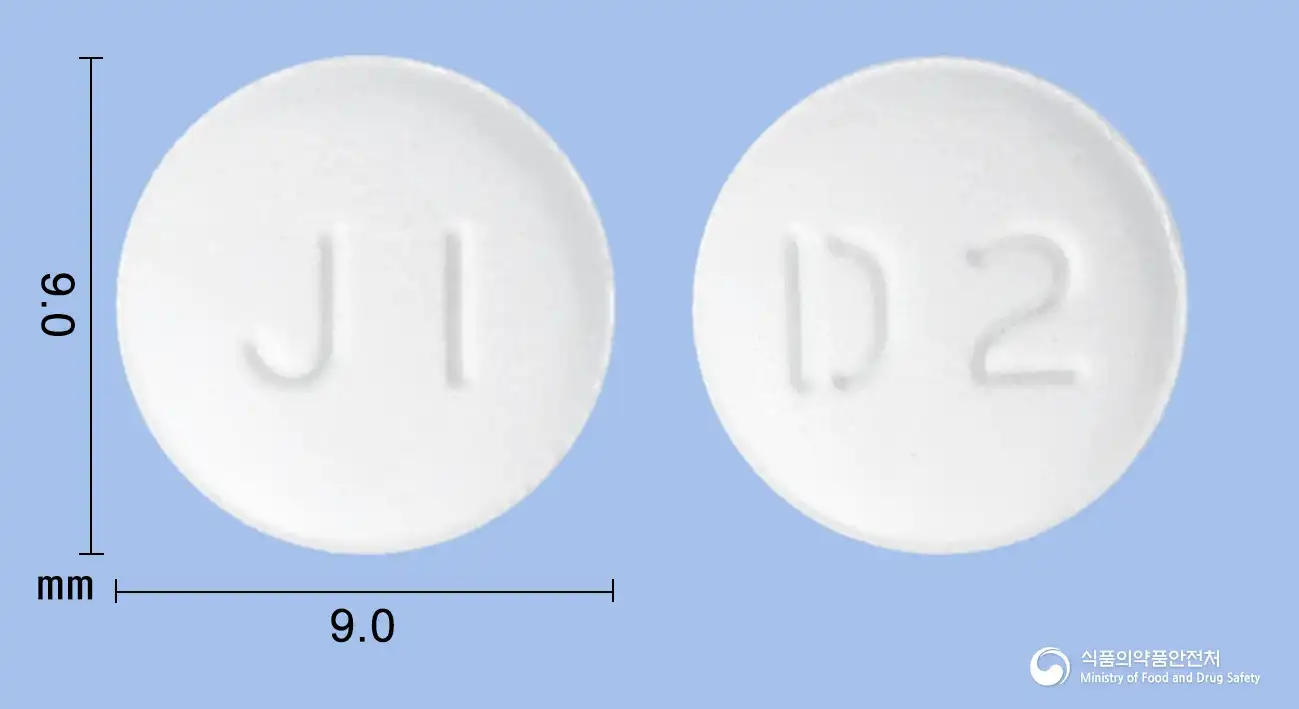 Combination
Dapagliflozin Propanediol Hydrate 12.3mg · Pioglitazone Hydrochloride 33.06mg
Tablet · Prescription medication · Combination
Jeil Pharmaceutical Co., Ltd.
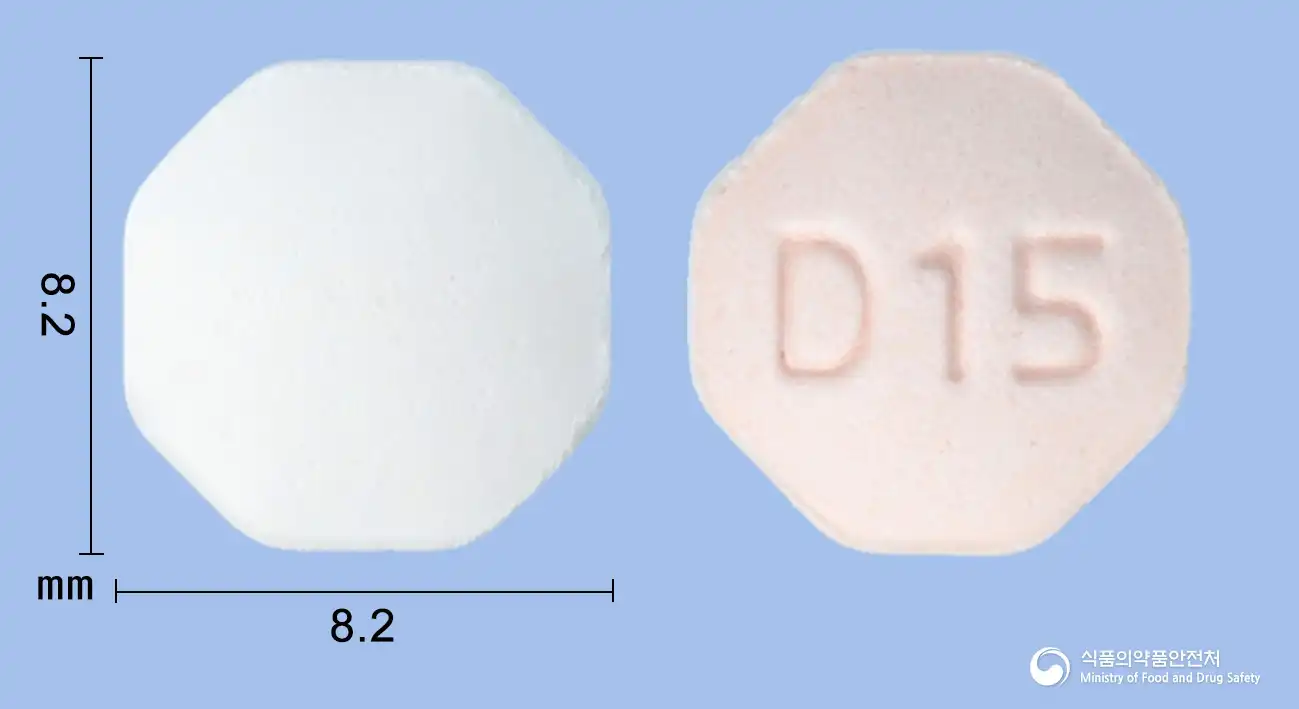 Combination
Dapagliflozin Propanediol Hydrate 12.3mg · Pioglitazone Hydrochloride 16.53mg
Tablet · Prescription medication · Combination
Kyungdong Pharmaceutical Co., Ltd.
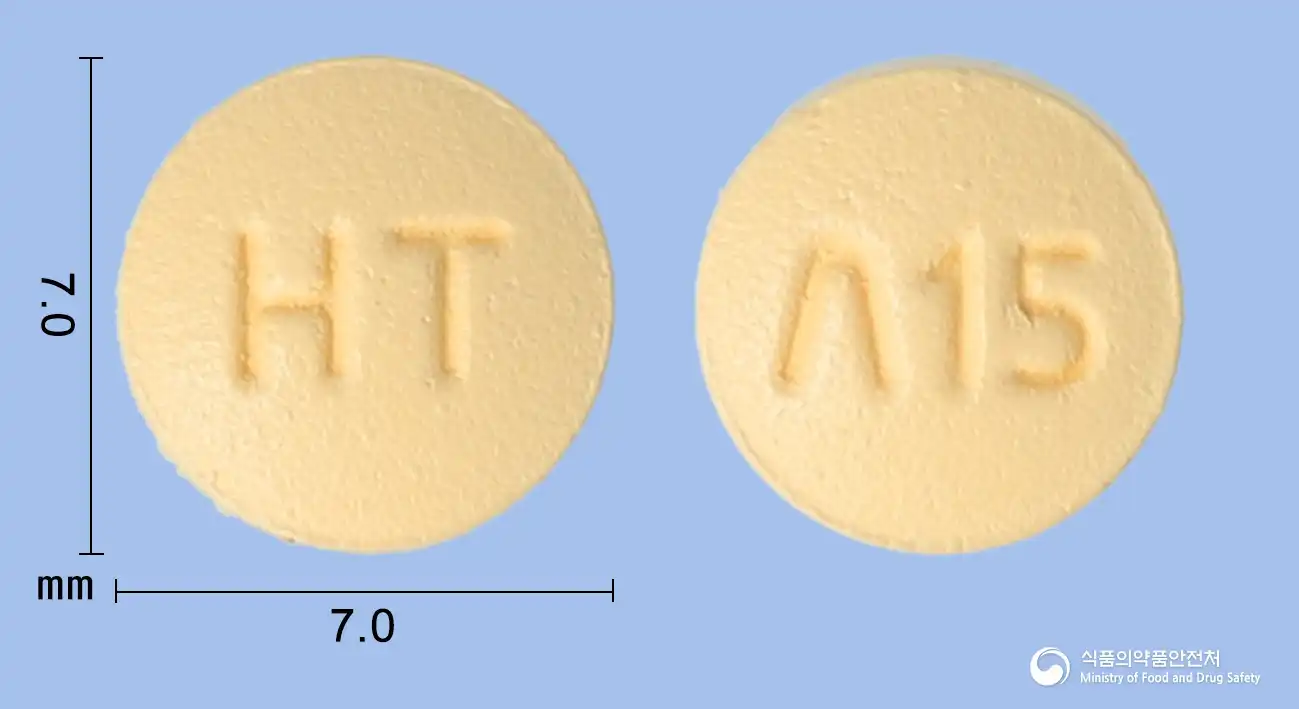 Combination
Pioglitazone Hydrochloride 16.53mg · Dapagliflozin Propanediol Hydrate 12.3mg
Tablet · Prescription medication · Combination
Hanmi Pharm Co., Ltd.
Even with the same ingredient, the dose and directions can differ by strength and dosage form. Talk to a doctor or pharmacist before switching from a medication you are already taking.
No questions yet.
For anything that needs medical judgment, consult a doctor or pharmacist.
This drug information is based on data provided by the Korea Ministry of Food and Drug Safety.
Consult a doctor or pharmacist for accurate dosage, administration, and usage instructions.