
 한국어
한국어 English
 日本語
日本語 中文(简体)
 Viewing nowCombination
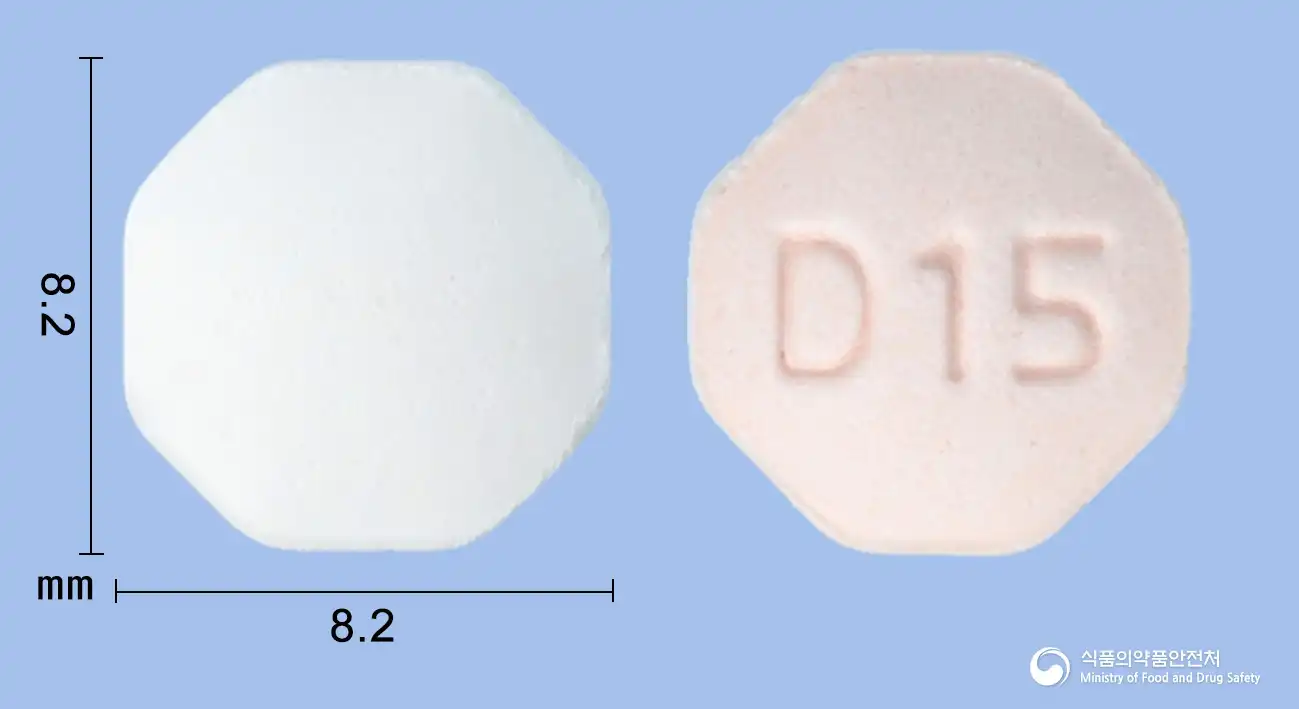
Pictogen 10/15 mg (Dapagliflozin, Pioglitazone)
Dapagliflozin Propanediol Hydrate 12.3mg · Pioglitazone Hydrochloride 16.53mg
Tablet · Prescription medication · Combination
Kyungdong Pharmaceutical Co., Ltd.
MFDS item code 202400231 · Approved 2024.01.31 · Insurance code 648105010
Improvement of blood sugar control in type 2 diabetes
This medication is used to assist with blood sugar control in patients with type 2 diabetes when used in conjunction with dietary changes and exercise. In other words, it helps effectively manage and improve blood sugar levels.
This medication is taken once daily at a dose of one tablet, regardless of meals. Do not split the tablet. The recommended starting dose is 10 mg of dapagliflozin and 15 mg of pioglitazone, taken once daily. Depending on tolerability and blood sugar control response, the dose may be increased to 10/30 mg once daily. Patients transitioning from dapagliflozin and pioglitazone combination therapy should take their current dosage.
This medication should not be used in patients with heart failure or a history of heart failure. Careful observation for symptoms of heart failure, such as rapid weight gain, difficulty breathing, and edema should be undertaken when starting treatment or increasing the dose. If such symptoms occur, consult a physician immediately for heart failure treatment, and this medication should be discontinued or the dosage reduced if necessary. Additionally, patients with active bladder cancer or a history of bladder cancer should not take this medication. It should not be used in patients with severe liver dysfunction or severe kidney impairment. Women who are pregnant or may become pregnant, as well as patients with certain genetic lactose intolerance, should also avoid using this medication. This medication may cause blood pressure reduction and worsen kidney function; therefore, particular attention should be paid to evaluate fluid status and kidney function before administration, especially in elderly patients or those with reduced kidney function. Blood pressure reduction symptoms or changes in kidney function should be monitored periodically during administration. This medication lowers blood sugar; however, the risk of hypoglycemia may increase when used in combination with other diabetes medications, so patients should be alert for hypoglycemia symptoms. Edema or weight gain may occur, and such symptoms may increase the risk of heart failure, requiring careful monitoring. Genital infections or urinary tract infections may develop; if any related symptoms occur, notify healthcare providers immediately. If symptoms suggestive of liver damage appear, such as fatigue, loss of appetite, right upper abdominal pain, or jaundice, immediate medical attention should be sought, and liver function tests may be necessary. Regular monitoring of liver function tests and kidney function tests during medication use is important to detect any abnormalities.
Congestive heart failure, symptoms and signs of heart failure, acute kidney injury, renal impairment, ketoacidosis, bladder cancer, severe liver failure, symptoms of liver damage (fatigue, loss of appetite, discomfort in the right upper abdomen, dark urine, jaundice), severe allergic reactions (hives, severe swelling, chest tightness, difficulty breathing, cold sweats, paleness), severe skin adverse reactions (severe rash, blistering, skin peeling, mucosal pain in the mouth/eyes) and respiratory issues
Not everyone experiences these, and they can vary from person to person.
This medication should be stored in a tightly closed container to protect it from air and moisture. Additionally, it is advisable to store it at room temperature between 1 to 30 degrees Celsius.
White and pink biconvex octagonal double-layer tablet
30 tablets/box [10 tablets/PTP x 3]
Even with the same ingredient, strength, dosage form and how it is taken can differ.
Viewing nowCombinationDapagliflozin Propanediol Hydrate 12.3mg · Pioglitazone Hydrochloride 16.53mg
Tablet · Prescription medication · Combination
Kyungdong Pharmaceutical Co., Ltd.
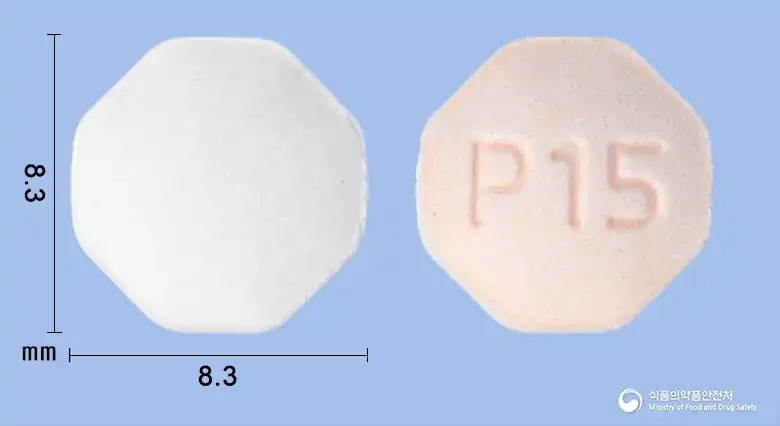 Combination
Dapagliflozin Propanediol Hydrate 12.3mg · Pioglitazone Hydrochloride 16.53mg
Tablet · Prescription medication · Combination
Boryung Pharmaceutical Co., Ltd.
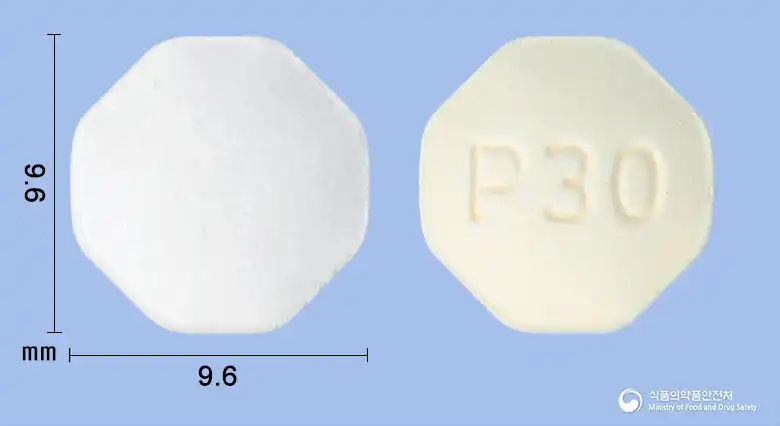 Combination
Dapagliflozin Propanediol Hydrate 12.3mg · Pioglitazone Hydrochloride 33.06mg
Tablet · Prescription medication · Combination
Boryung Pharmaceutical Co., Ltd.
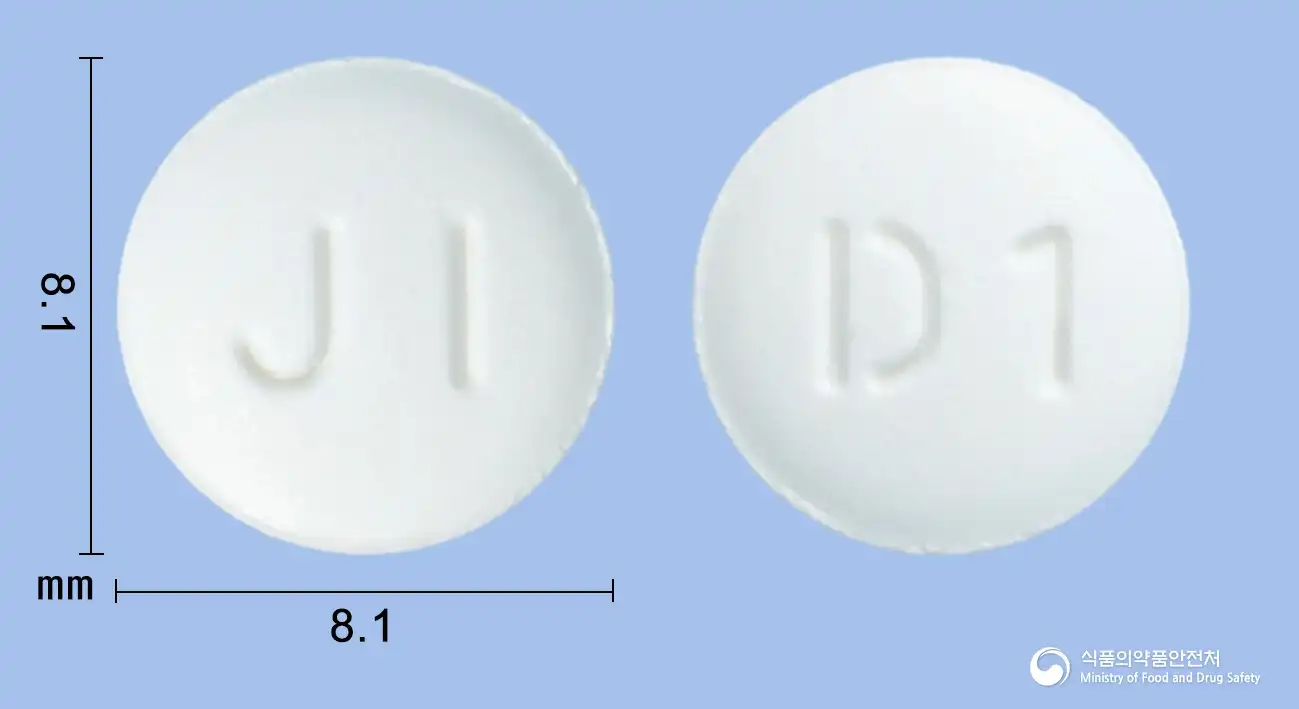 Combination
Dapagliflozin Propanediol Hydrate 12.3mg · Pioglitazone Hydrochloride 16.53mg
Tablet · Prescription medication · Combination
Jeil Pharmaceutical Co., Ltd.
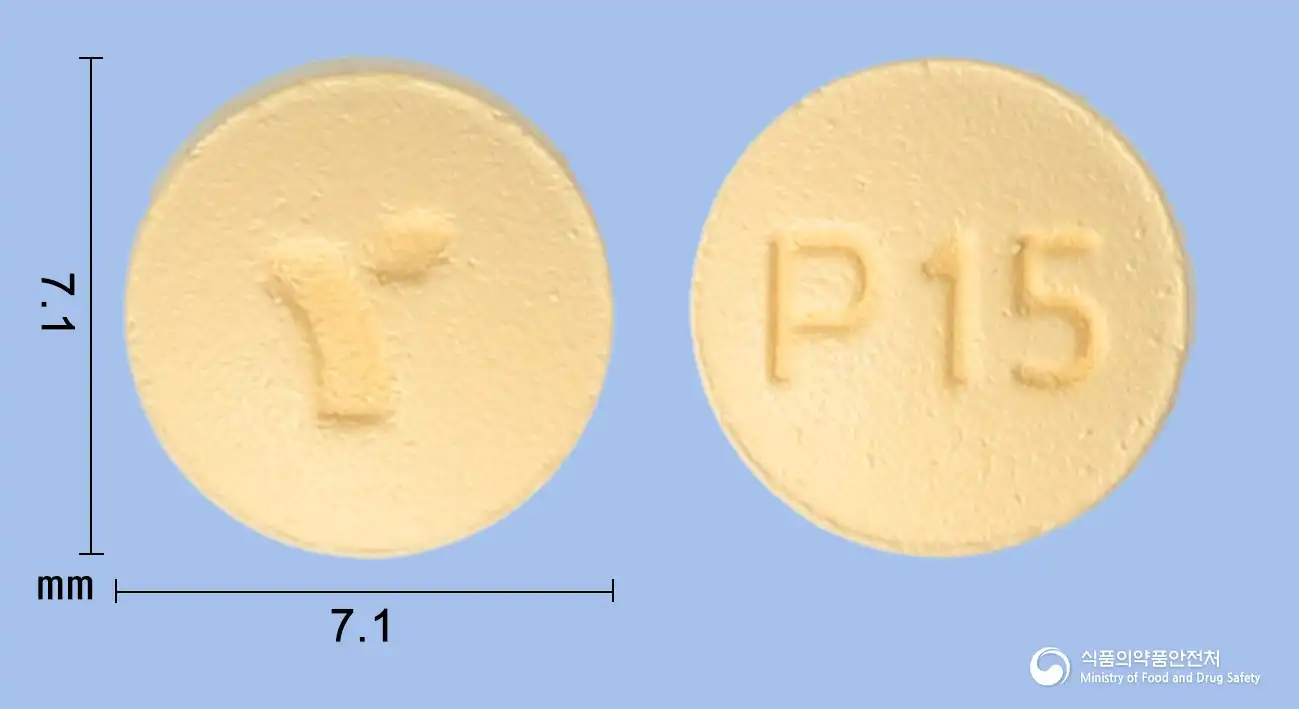 Combination
Pioglitazone Hydrochloride 16.53mg · Dapagliflozin Propanediol Hydrate 12.3mg
Tablet · Prescription medication · Combination
YuYoung Pharmaceutical Co., Ltd.
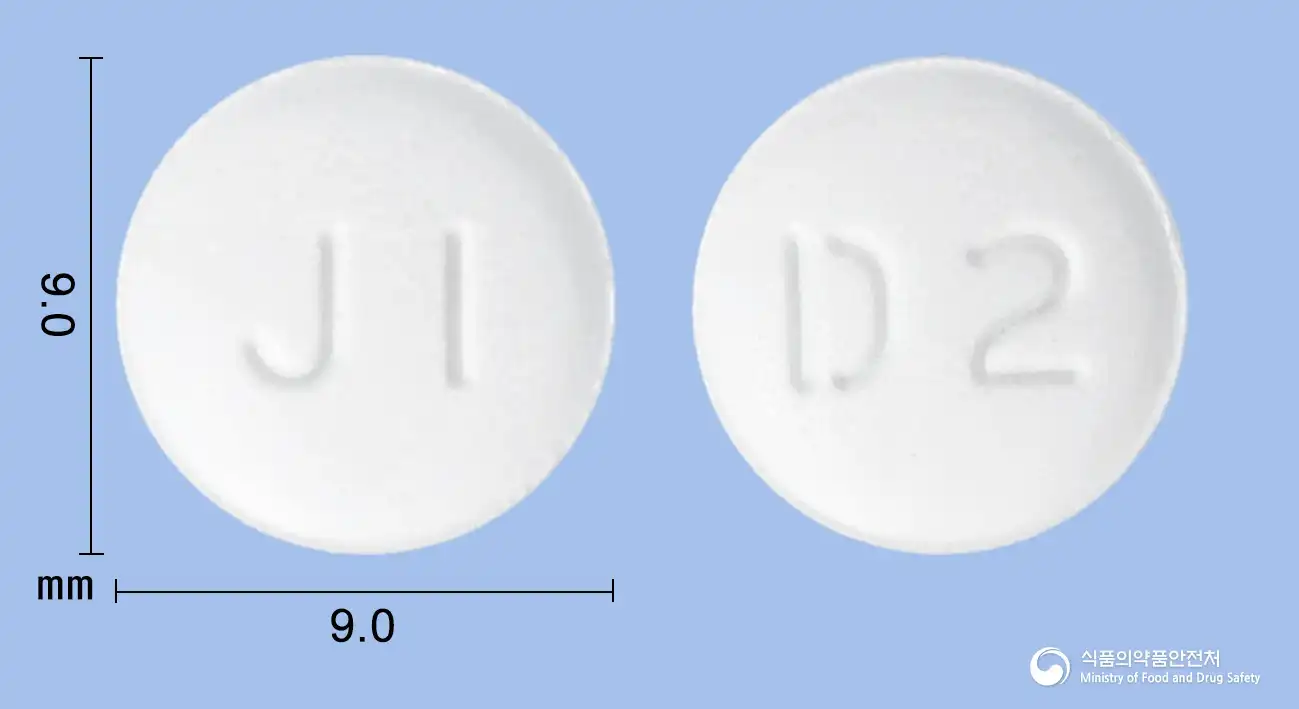 Combination
Dapagliflozin Propanediol Hydrate 12.3mg · Pioglitazone Hydrochloride 33.06mg
Tablet · Prescription medication · Combination
Jeil Pharmaceutical Co., Ltd.
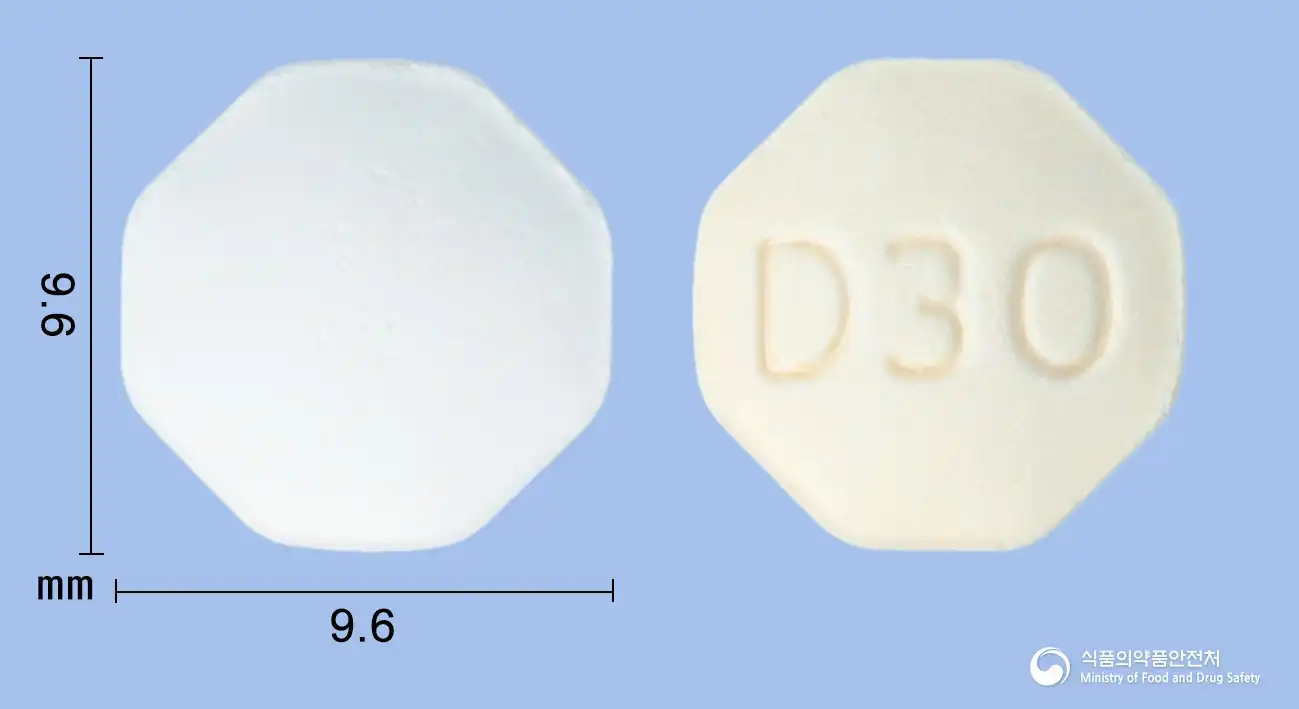 Combination
Dapagliflozin Propanediol Hydrate 12.3mg · Pioglitazone Hydrochloride 33.06mg
Tablet · Prescription medication · Combination
Kyungdong Pharmaceutical Co., Ltd.
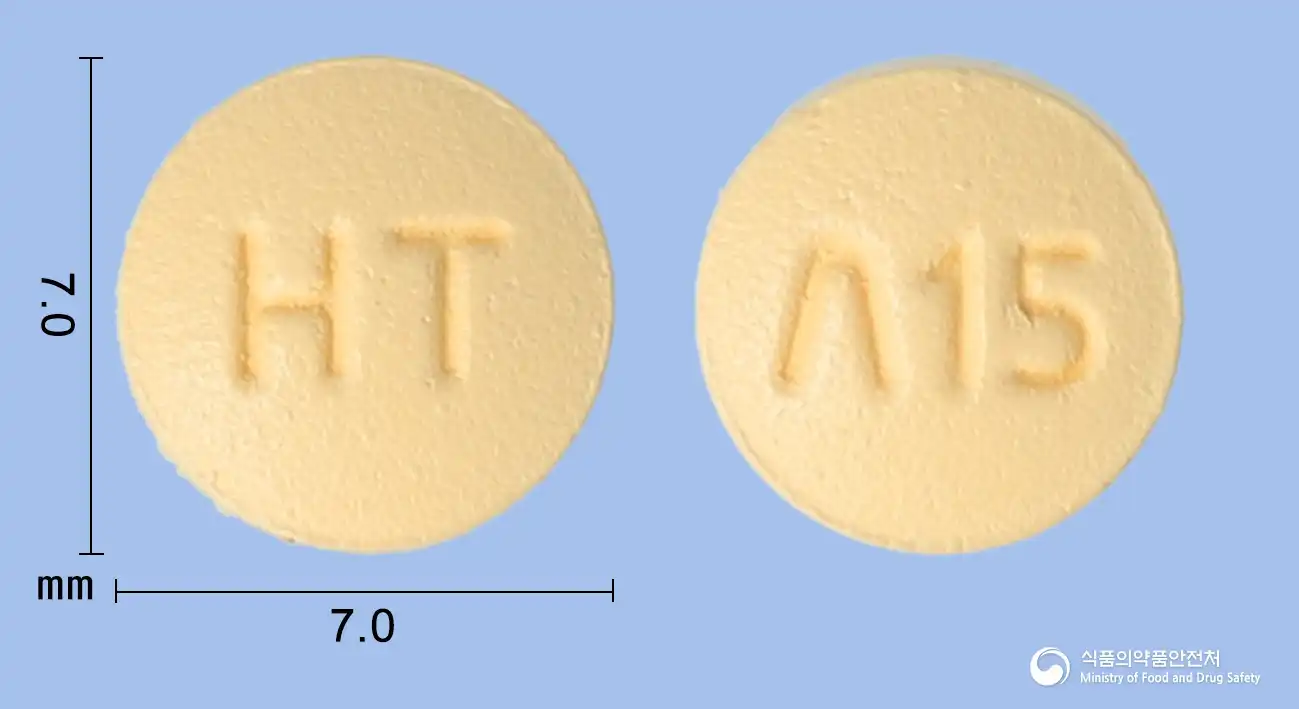 Combination
Pioglitazone Hydrochloride 16.53mg · Dapagliflozin Propanediol Hydrate 12.3mg
Tablet · Prescription medication · Combination
Hanmi Pharm Co., Ltd.
Even with the same ingredient, the dose and directions can differ by strength and dosage form. Talk to a doctor or pharmacist before switching from a medication you are already taking.
No questions yet.
For anything that needs medical judgment, consult a doctor or pharmacist.
This drug information is based on data provided by the Korea Ministry of Food and Drug Safety.
Consult a doctor or pharmacist for accurate dosage, administration, and usage instructions.