Improvement of blood sugar control in type 2 diabetes
Who takes it
Adults
Adult dose
This medication is administered once daily, one tablet at a time, regardless of meals. The tablets should not be split. The recommended starting dose is 1 daily dose of dapagliflozin 10 mg/pioglitazone 15 mg. Depending on tolerability and blood sugar control response, it can be increased to 10/30 mg once daily. For patients transitioning from a combination therapy of dapagliflozin and pioglitazone, administer the existing dosing. Estimated glomerular filtration rate (eGFR)
Improvement of blood sugar control in type 2 diabetes
View approved original textHide original text
This medication is administered along with diet and exercise to improve blood sugar control in patients with type 2 diabetes who require combination therapy of dapagliflozin and pioglitazone. It helps effectively manage blood sugar levels and improves the symptoms of diabetes.
How to take
Adult dose
This medication is administered once daily, one tablet at a time, regardless of meals. The tablets should not be split. The recommended starting dose is 1 daily dose of dapagliflozin 10 mg/pioglitazone 15 mg. Depending on tolerability and blood sugar control response, it can be increased to 10/30 mg once daily. For patients transitioning from a combination therapy of dapagliflozin and pioglitazone, administer the existing dosing. Estimated glomerular filtration rate (eGFR)
Precautions
This medication is primarily used to assist in blood sugar control for patients with type 2 diabetes. One of the ingredients, pioglitazone, can put a strain on the heart, and should not be used by patients with heart failure or a history of heart failure. Additionally, pioglitazone may cause fluid retention, which can worsen symptoms of heart failure; therefore, if symptoms or signs of heart failure occur, consult a doctor immediately.
This medication should not be administered to patients with bladder cancer or a history of bladder cancer, and any occurrence of hematuria or urinary disturbances during treatment should be reported to a healthcare professional immediately. It is also safe not to use this medication in patients with severely impaired liver function or severe renal impairment.
In elderly patients, those with decreased kidney function, or those with reduced fluid volume, there is a risk of hypotension or worsening kidney function; therefore, blood pressure and kidney function should be monitored periodically before and during administration. This medication especially requires caution as it can cause symptoms of dehydration or hypotension.
While taking this medication, symptoms of hypoglycemia may occur, particularly when used in combination with other diabetes medications, thereby increasing the risk of hypoglycemia; careful monitoring of blood sugar changes is necessary. Moreover, this medication can cause genital and urinary tract infections, so if any symptoms of infection appear, immediate treatment must be sought.
Edema or weight gain may occur, and if edema is severe or symptoms of heart failure worsen, consulting a doctor is advised. If any signs of liver dysfunction appear, immediate testing should be conducted and discontinuation of the medication may be necessary.
Women who are pregnant or may become pregnant should not use this medication, and those with lactose intolerance are also advised against its use.
Regular blood tests and physical examinations are important during the course of this medication to check for side effects, and if any unusual symptoms arise, it is crucial to consult a healthcare professional immediately.
Side effects and when to seek care immediately
Serious side effects
Congestive heart failure, excessive and rapid weight changes, shortness of breath, heart failure, severe edema, chest tightness, difficulty breathing, cold sweat, paleness, severe allergic reactions, severe rash with high fever, blisters, skin peeling, pain in oral/eye mucosa, severe skin reactions, asthma attacks, respiratory issues with coughing and fever, yellowing of the skin or eyes (jaundice), profound lethargy, liver abnormalities, sudden and extreme.
Mild side effects
Nausea, general edema, soft tissue inflammation, weight gain, exercise-related shortness of breath, drowsiness, facial edema, peripheral edema, hypoglycemia, thirst, dizziness, constipation, dry mouth, back pain, urinary pain, polyuria, nocturia, renal tubular inflammation, itching in the vulva, itching in the genital area, increased hematocrit, decreased renal creatinine clearance at the start of treatment, dyslipidemia, weight loss, decreased renal creatinine clearance, urinary tract infection, headache, sensation.
Not everyone experiences these, and they can vary from person to person.
Storage
This medication may be sensitive to air or moisture, thus it should be stored in a tightly sealed container. It is also recommended to store the medication at room temperature between 1 to 30 degrees Celsius, avoiding excessively hot or cold places.
Appearance and packaging
Appearance
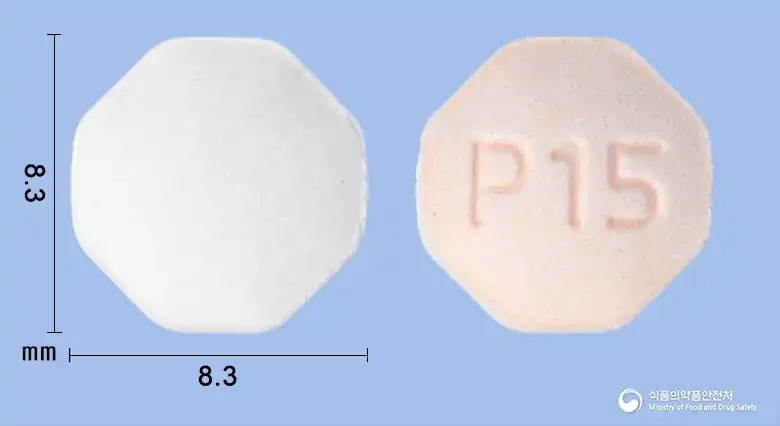
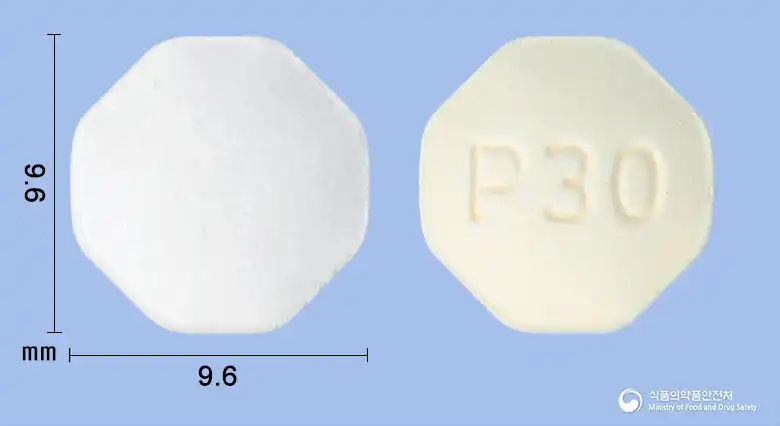
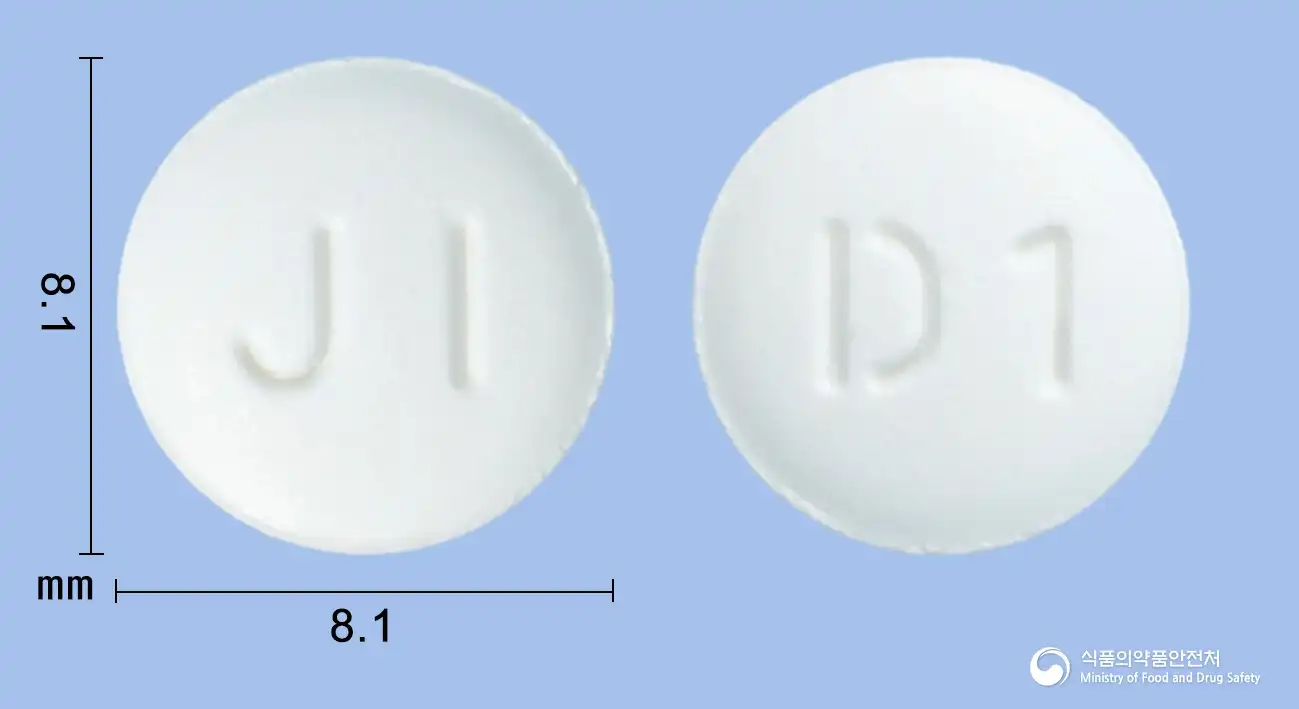
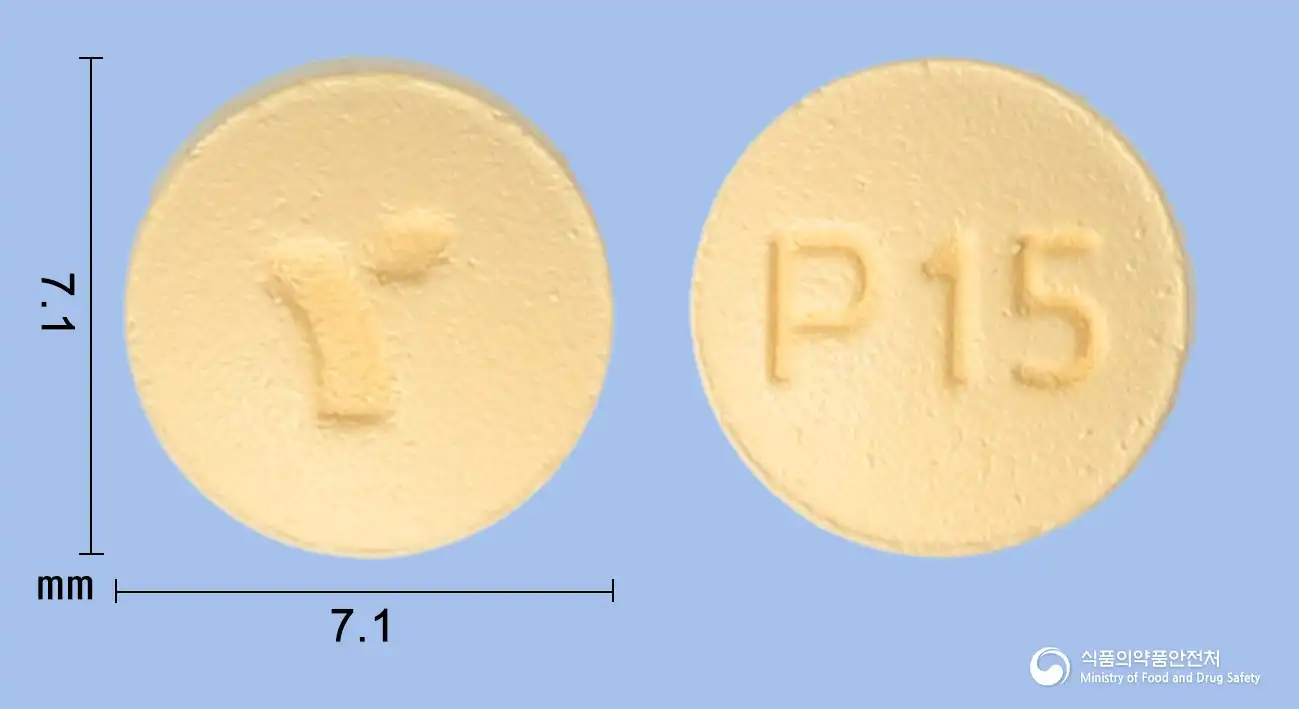
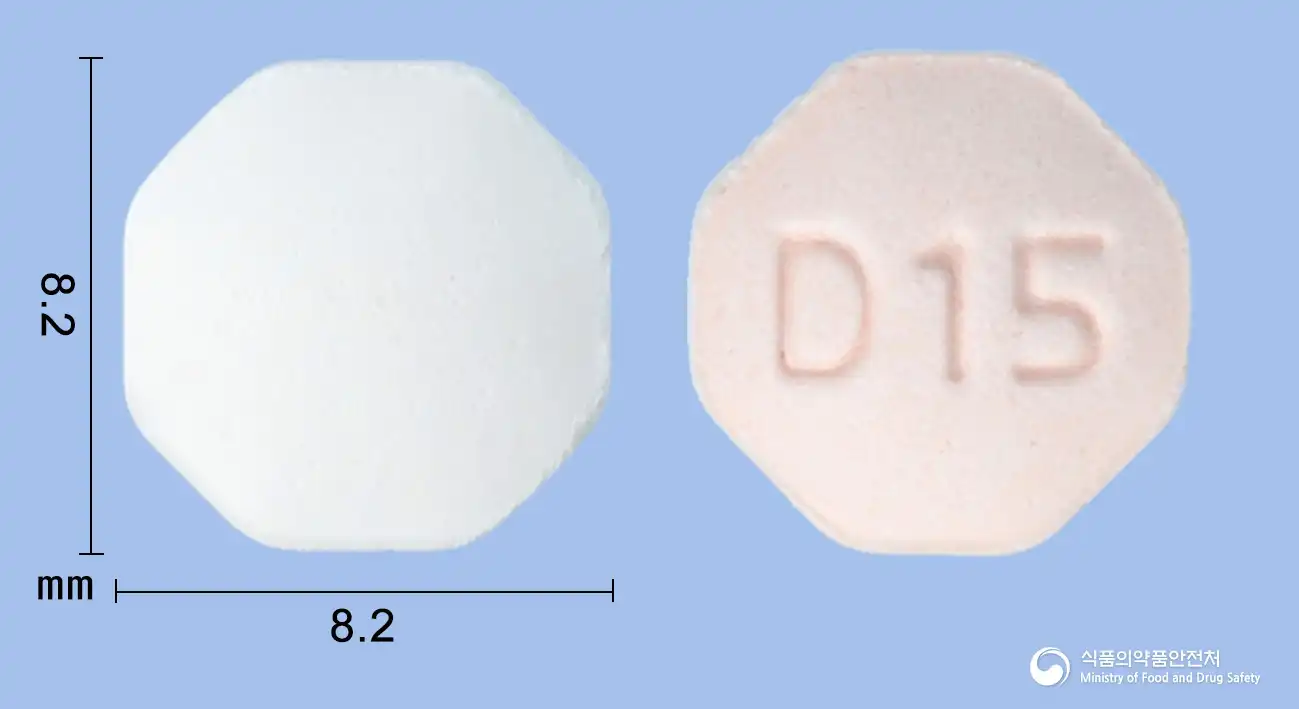
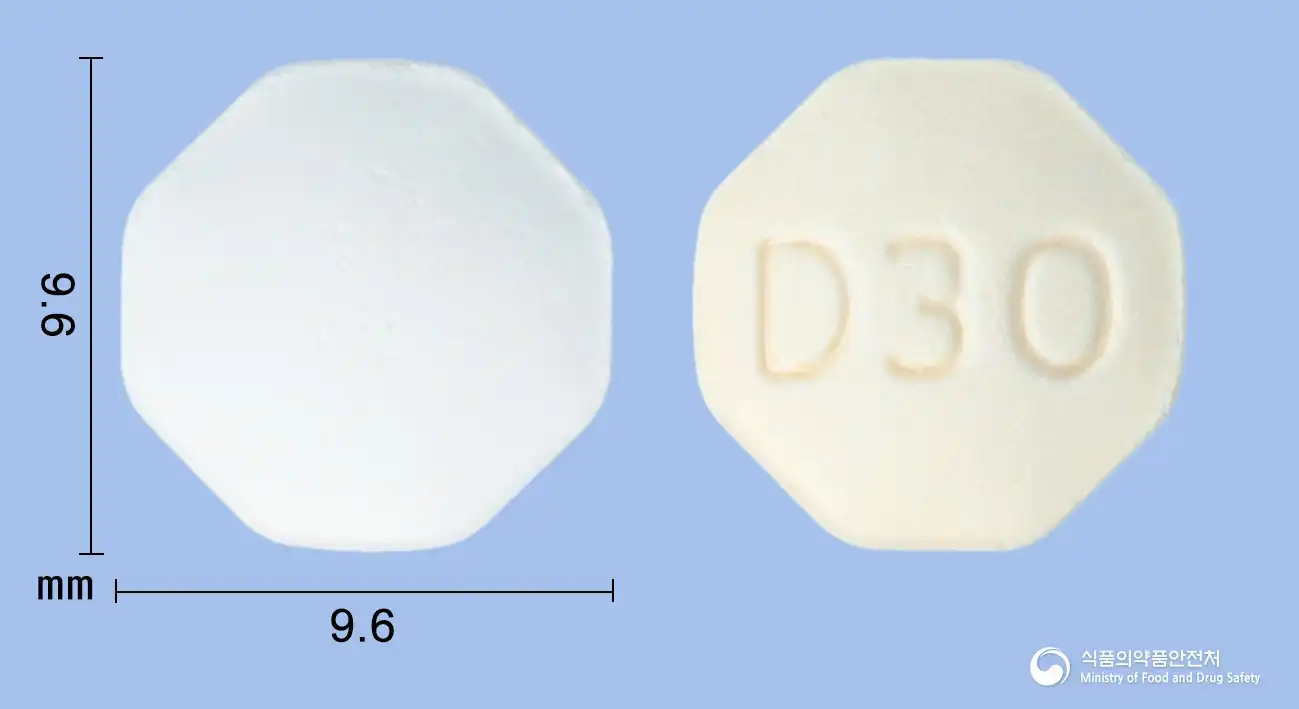
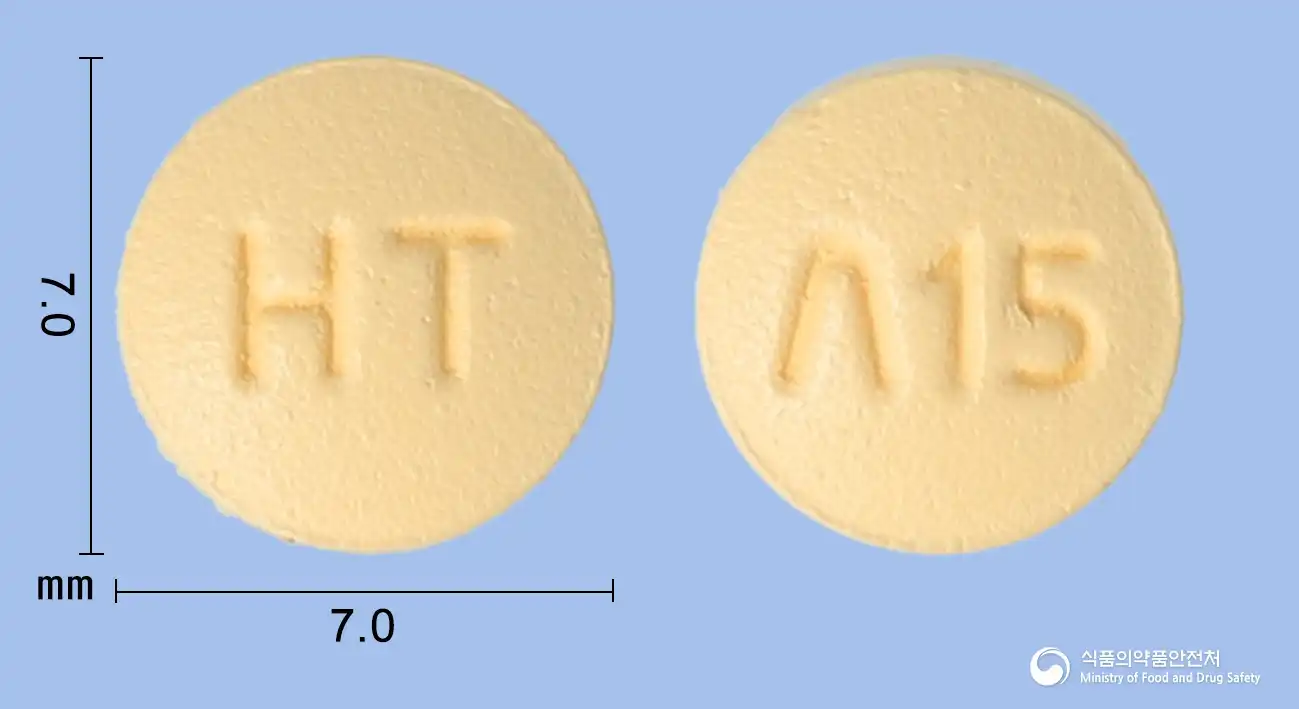
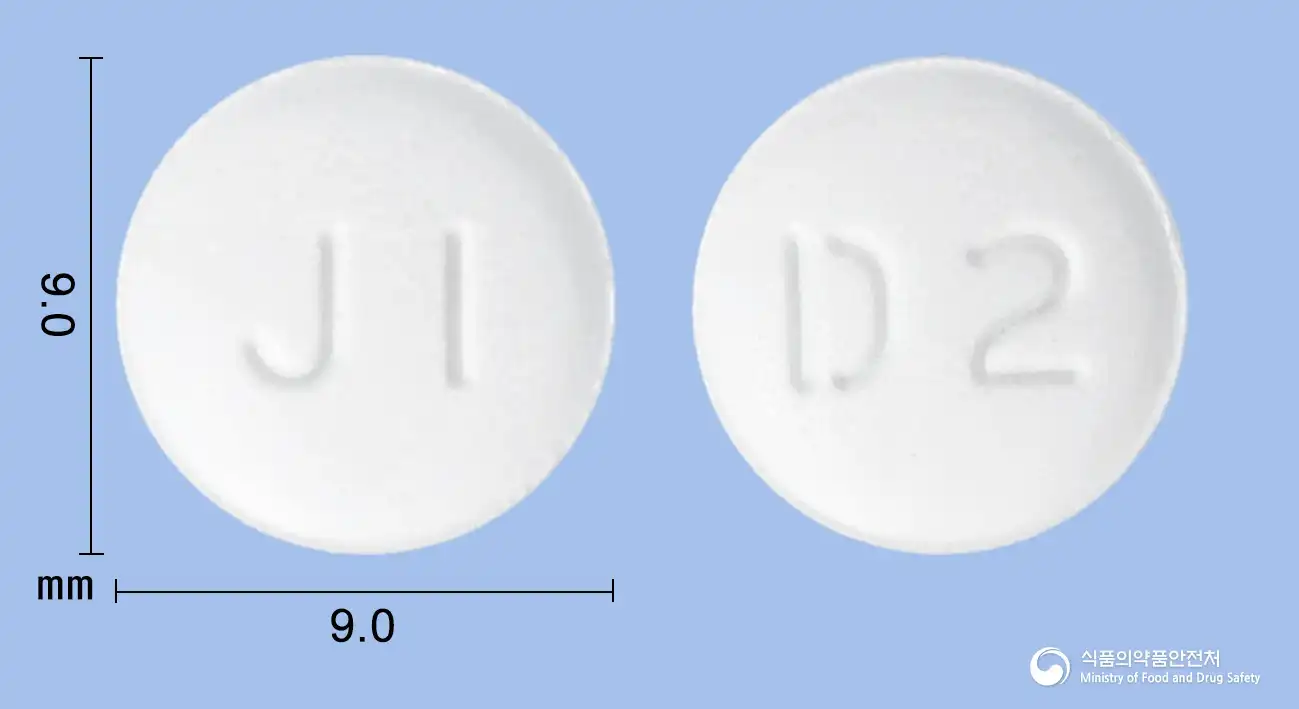
White to grayish-white, biconvex, round tablets
Package unit
Bottle - 30 tablets/bottle
Same-ingredient medicines
Even with the same ingredient, strength, dosage form and how it is taken can differ.
Even with the same ingredient, the dose and directions can differ by strength and dosage form. Talk to a doctor or pharmacist before switching from a medication you are already taking.
Questions about this medicine
No questions yet.
For anything that needs medical judgment, consult a doctor or pharmacist.
This drug information is based on data provided by the Korea Ministry of Food and Drug Safety. Consult a doctor or pharmacist for accurate dosage, administration, and usage instructions.

 한국어
한국어 English
 日本語
日本語 中文(简体)
 Viewing nowCombination