
 한국어
한국어 English
 日本語
日本語 中文(简体)
 Viewing nowCombination
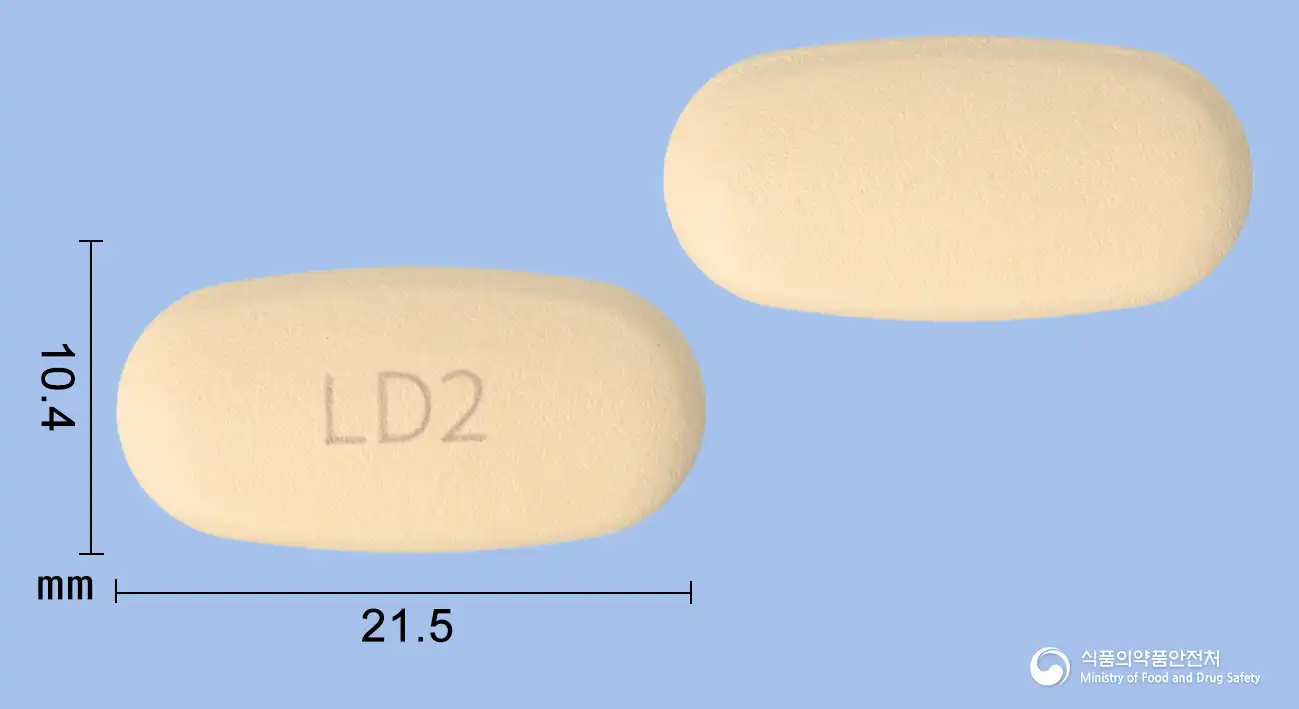
Lina-glomet Extended-Release Tablet 2.5/1000 mg (Linagliptin, Metformin)
Linagliptin Micronized 2.5mg · Metformin Hydrochloride 1000mg
Tablet · Prescription medication · Combination
Hanmi Pharmaceutical Co., Ltd.
MFDS item code 202400189 · Approved 2024.01.24 · Insurance code 643508770
Improvement in blood glucose control in type 2 diabetes
This medication is used to assist in blood glucose control for patients with type 2 diabetes. It is particularly effective when taken in combination with linagliptin and metformin, and can help patients manage their blood glucose better alongside diet control and exercise therapy. This contributes to maintaining stable blood glucose levels for patients and aids in diabetes management.
This medication should be taken once daily with food, preferably with the evening meal. To maintain the extended-release properties, it should be swallowed whole without splitting, crushing, grinding, or chewing. The 5/1000 mg extended-release tablet is taken once daily at a dosage of one tablet. The 2.5/1000 mg extended-release tablet is taken once daily at a dosage of two tablets. The initial dose is a total of 5 mg linagliptin and 1000 mg metformin hydrochloride.
This medication can rarely lead to a serious condition known as lactic acidosis; therefore, caution should be exercised during its use. It should not be used in patients with allergies to its ingredients, type 1 diabetes, lactic acidosis, diabetic ketoacidosis, severe renal impairment, or severe liver dysfunction. Additionally, it should be avoided in acute conditions affecting renal function, such as dehydration, severe infection, acute myocardial infarction, and shock. This medication can cause hypoglycemia, so blood glucose should be carefully monitored, especially when used in conjunction with sulfonylureas or insulin, and other drug doses adjusted as necessary. Patients with impaired renal function should undergo renal function tests prior to administration and have their kidney status checked regularly. Patients with weakened heart function should also use it with caution, and if symptoms of severe pancreatitis, such as acute pancreatitis, arise, administration should be discontinued immediately. This medication should be swallowed whole without breaking, chewing, or crushing it, although the tablet coating may pass through the digestive system unchanged, which is normal. The metformin ingredient may lower vitamin B12 levels, so it is advisable to check for vitamin B12 deficiency during long-term use. This medication may interact with other drugs; therefore, inform your doctor or pharmacist if you are taking other medications. Women who are pregnant or breastfeeding should avoid using this medication and should consult their doctor if planning a pregnancy. The elderly may experience decreased renal function, so kidney status should be checked frequently, and treatment should start at the lowest effective dose. In cases of overdose, serious side effects such as gastrointestinal disturbances or lactic acidosis may occur, and immediate medical attention should be sought. Store this medication out of reach of children, protect it from moisture, and do not transfer it to other containers.
Not everyone experiences these, and they can vary from person to person.
This medication should be stored in a tightly closed container to protect it from air and moisture. Additionally, it should be stored at room temperature between 1 to 30 degrees Celsius to maintain its effectiveness.
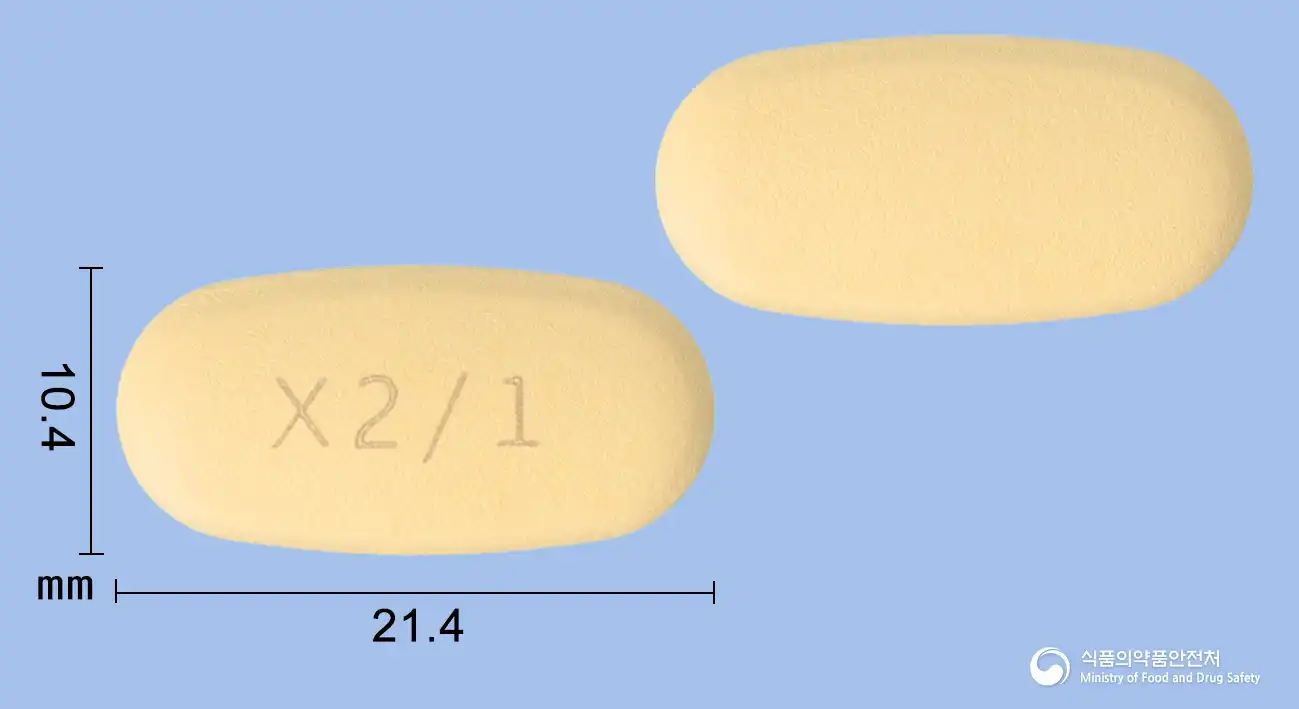
Yellow oval extended-release film-coated tablet
Bottle - 30 tablets/bottle, Bottle - 100 tablets/bottle
Even with the same ingredient, strength, dosage form and how it is taken can differ.
Viewing nowCombinationLinagliptin Micronized 2.5mg · Metformin Hydrochloride 1000mg
Tablet · Prescription medication · Combination
Hanmi Pharmaceutical Co., Ltd.
Linagliptin Micronized 2.5mg · Metformin Hydrochloride 1000mg
Tablet · Prescription medication · Combination
Samjin Pharmaceutical Co., Ltd.
Linagliptin Micronized 2.5mg · Metformin Hydrochloride 500mg
Tablet · Prescription medication · Combination
Samjin Pharmaceutical Co., Ltd.
Linagliptin Micronized 2.5mg · Metformin Hydrochloride 850mg
Tablet · Prescription medication · Combination
Samjin Pharmaceutical Co., Ltd.
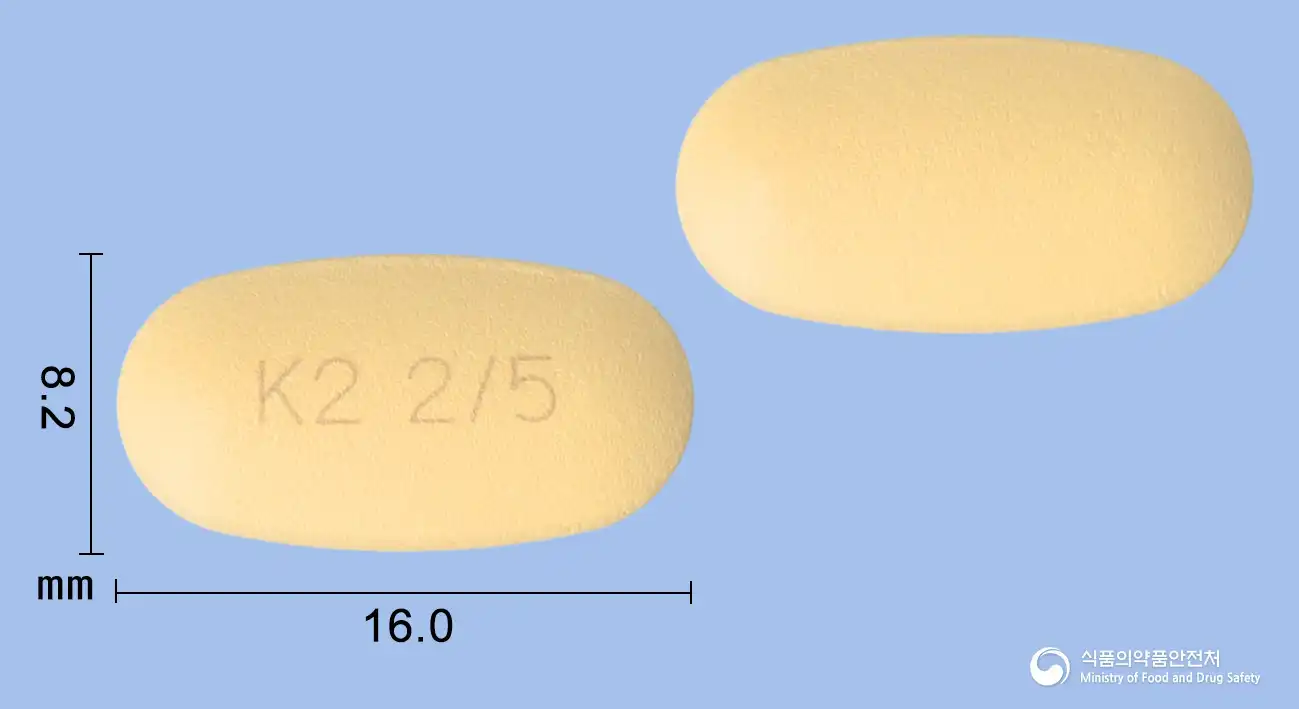 Combination
Linagliptin Micronized 2.5mg · Metformin Hydrochloride 500mg
Tablet · Prescription medication · Combination
Genewon Science Co., Ltd.
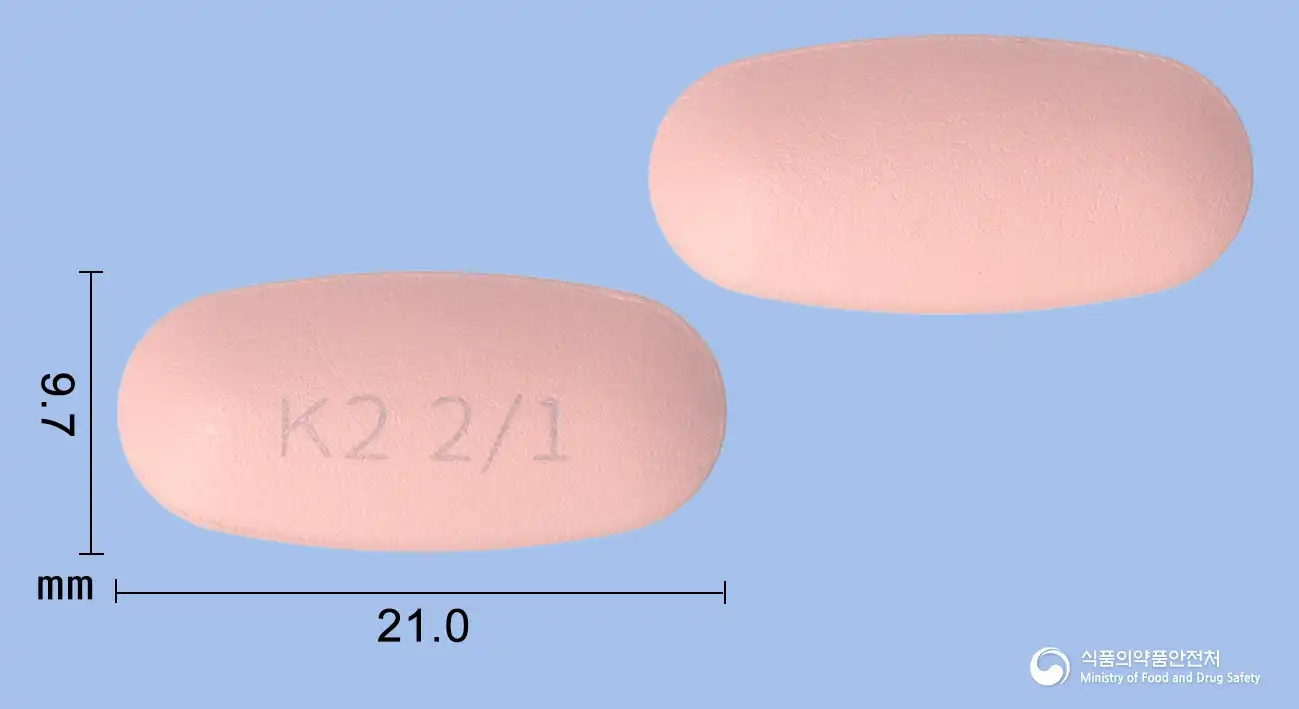 Combination
Linagliptin Micronized 2.5mg · Metformin Hydrochloride 1000mg
Tablet · Prescription medication · Combination
Genewon Science Co., Ltd.
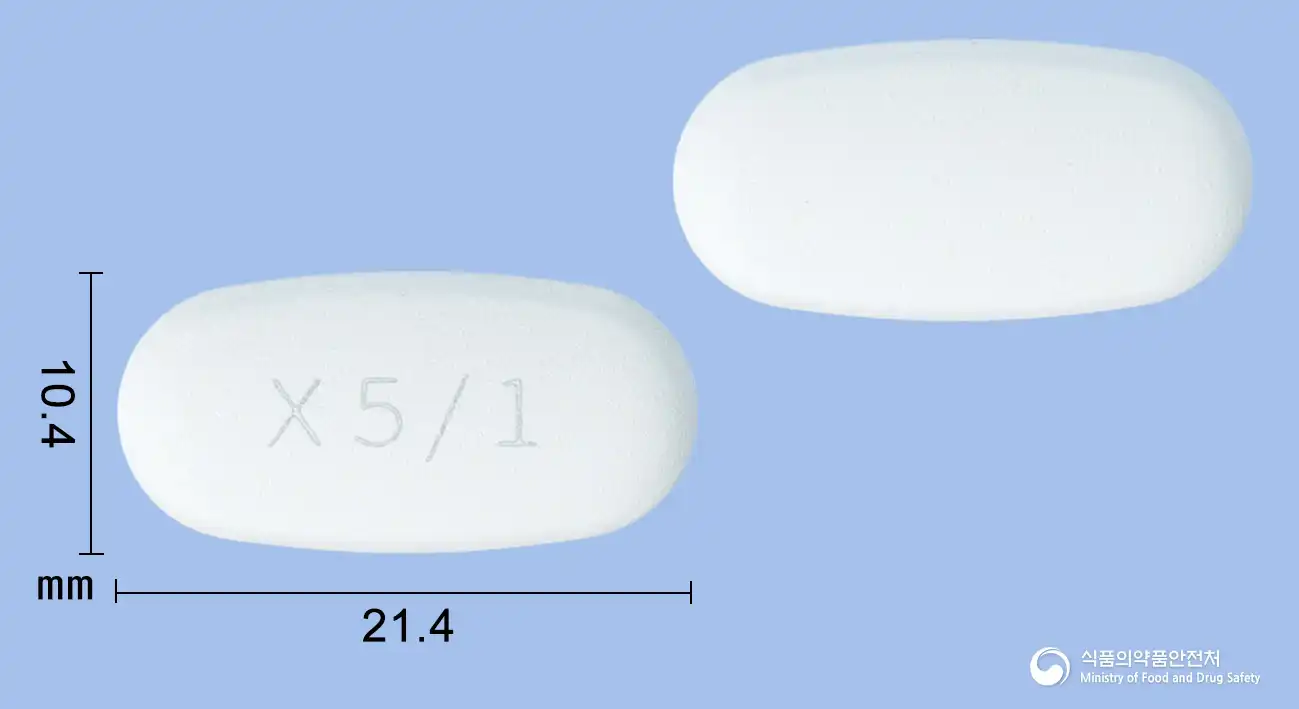 Combination
Linagliptin Micronized 5mg · Metformin Hydrochloride 1000mg
Tablet · Prescription medication · Combination
Genewon Science Co., Ltd.
 Combination
Linagliptin Micronized 2.5mg · Metformin Hydrochloride 1000mg
Tablet · Prescription medication · Combination
Genewon Science Co., Ltd.
Even with the same ingredient, the dose and directions can differ by strength and dosage form. Talk to a doctor or pharmacist before switching from a medication you are already taking.
No questions yet.
For anything that needs medical judgment, consult a doctor or pharmacist.
This drug information is based on data provided by the Korea Ministry of Food and Drug Safety.
Consult a doctor or pharmacist for accurate dosage, administration, and usage instructions.