
 한국어
한국어 English
 日本語
日本語 中文(简体)
 Viewing nowCombination
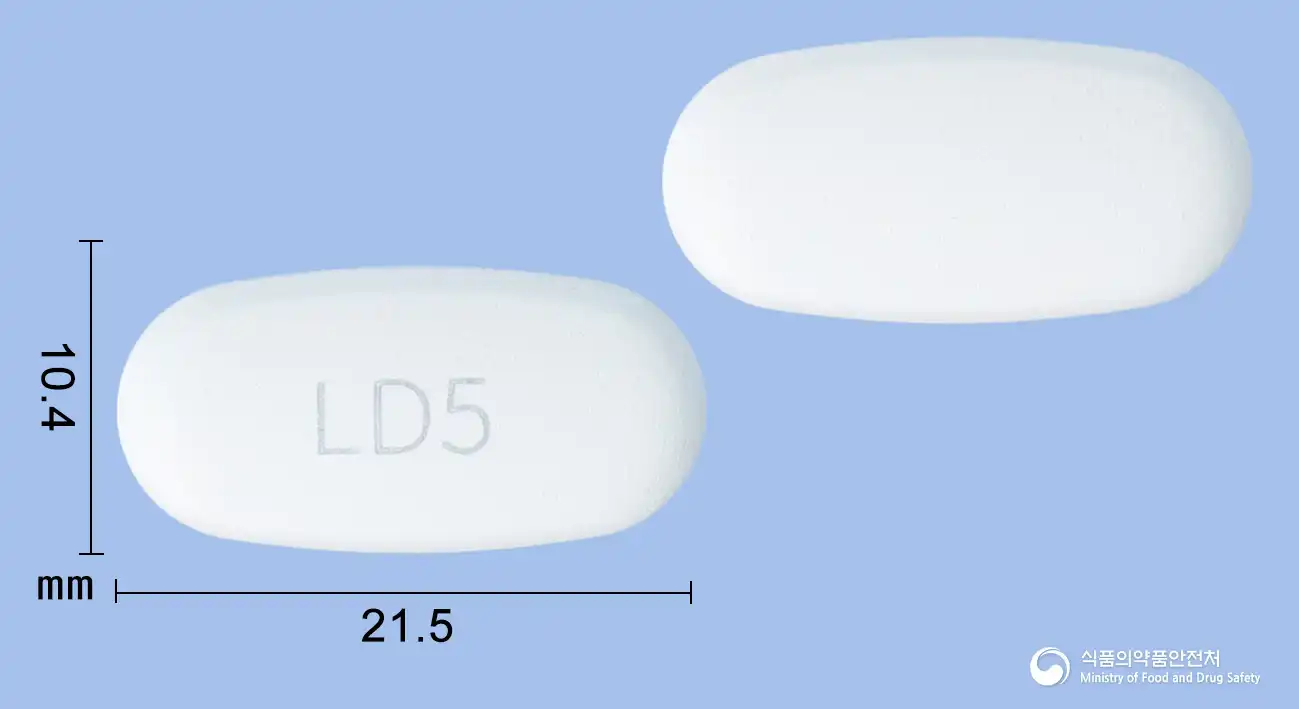
Rinaglometh Extended Release Tablet 5/1000 mg (Rinaglipti, Metformin)
Linagliptin Micronized 5mg · Metformin Hydrochloride 1000mg
Tablet · Prescription medication · Combination
Hanmi Pharmaceutical Co., Ltd.
MFDS item code 202400188 · Approved 2024.01.24 · Insurance code 643508760
Improvement in blood glucose control for type 2 diabetes
This medication is used to help control blood sugar levels in patients with type 2 diabetes who are taking rinaglipti and metformin together. It aids in effectively managing blood sugar levels alongside dietary and exercise therapy, contributing to stable blood glucose levels and diabetes treatment.
This medication should be taken once daily with meals, preferably with dinner. The extended-release tablet should be swallowed whole and not broken, crushed, ground, or chewed. For 5/1000 mg extended-release tablet, the dose is one tablet daily, while for 2.5/1000 mg extended-release tablet, the dose is two tablets daily, taken once. The initial dosage consists of 5 mg of rinaglipti and 1000 mg of metformin hydrochloride, with metformin hydrochloride gradually increased to a maximum of 2000 mg.
This medication can, rarely, cause a serious condition known as lactic acidosis; therefore, it should not be used in patients with renal impairment, acute infections, dehydration, or severe trauma. Patients who are allergic to any active ingredients of this medication, patients with type 1 diabetes, and those with severe hepatic impairment should also not receive this treatment. Caution should be exercised when used in combination with insulin or sulfonylureas due to the risk of hypoglycemia, and the dosage of those medications may need to be reduced if necessary. Renal function should be regularly monitored, especially in the elderly or those with declining renal function. Skin conditions such as acute pancreatitis or bullous pemphigoid may occur; thus, immediate consultation with a doctor is advised if severe abdominal pain or skin abnormalities arise during treatment. This medication should be swallowed whole, without breaking, crushing, grinding, or chewing, and the shell of the tablet may appear in the stool, which is normal. Additionally, vitamin B12 levels may decrease, so it's advisable to regularly check vitamin B12 status with long-term use. This medication may interact with other drugs, particularly those that affect renal function or blood glucose levels, so caution is required. It is recommended not to use this medication during pregnancy or while breastfeeding, and women planning for pregnancy should consult a physician. The safety and effectiveness of this medication in children have not been established, so its use in this population is not recommended. In case of overdose, there is a risk of lactic acidosis; thus, immediate medical treatment should be sought. Store this medication out of reach of children and avoid humidity.
Not everyone experiences these, and they can vary from person to person.
This medication is sensitive to air and humidity, so it should be stored in a closed container. Additionally, it should be kept at room temperature between 1°C and 30°C, avoiding extreme heat or cold.
White oval extended-release film-coated tablet
Bottle - 30 tablets/bottle, Bottle - 100 tablets/bottle
Even with the same ingredient, strength, dosage form and how it is taken can differ.
Viewing nowCombinationLinagliptin Micronized 5mg · Metformin Hydrochloride 1000mg
Tablet · Prescription medication · Combination
Hanmi Pharmaceutical Co., Ltd.
Linagliptin Micronized 2.5mg · Metformin Hydrochloride 1000mg
Tablet · Prescription medication · Combination
Samjin Pharmaceutical Co., Ltd.
Linagliptin Micronized 2.5mg · Metformin Hydrochloride 500mg
Tablet · Prescription medication · Combination
Samjin Pharmaceutical Co., Ltd.
Linagliptin Micronized 2.5mg · Metformin Hydrochloride 850mg
Tablet · Prescription medication · Combination
Samjin Pharmaceutical Co., Ltd.
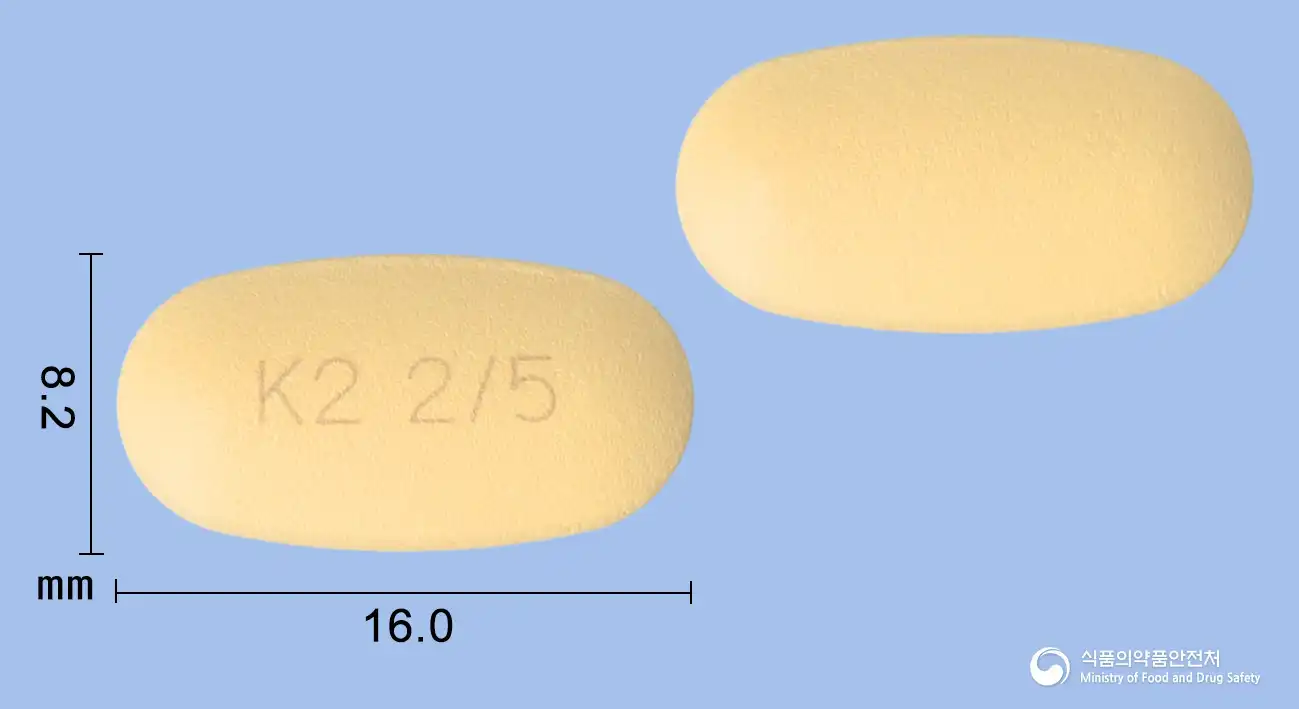 Combination
Linagliptin Micronized 2.5mg · Metformin Hydrochloride 500mg
Tablet · Prescription medication · Combination
Genewon Science Co., Ltd.
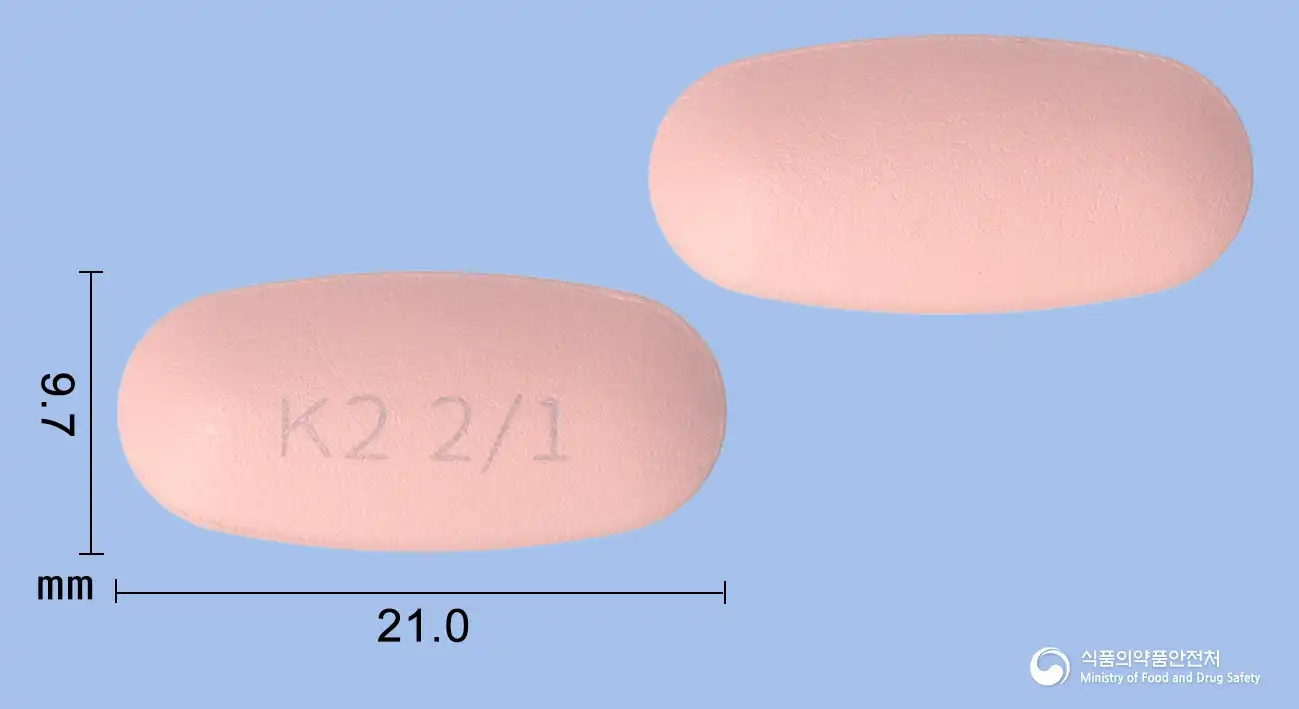 Combination
Linagliptin Micronized 2.5mg · Metformin Hydrochloride 1000mg
Tablet · Prescription medication · Combination
Genewon Science Co., Ltd.
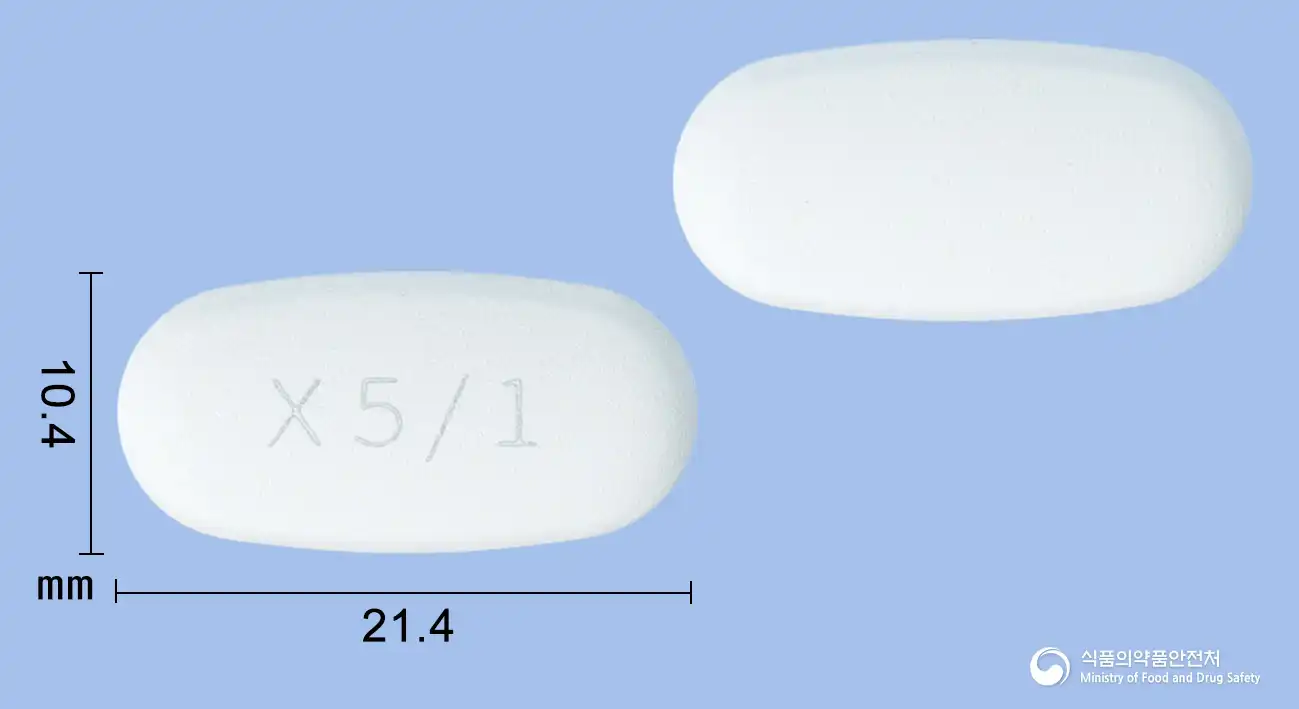 Combination
Linagliptin Micronized 5mg · Metformin Hydrochloride 1000mg
Tablet · Prescription medication · Combination
Genewon Science Co., Ltd.
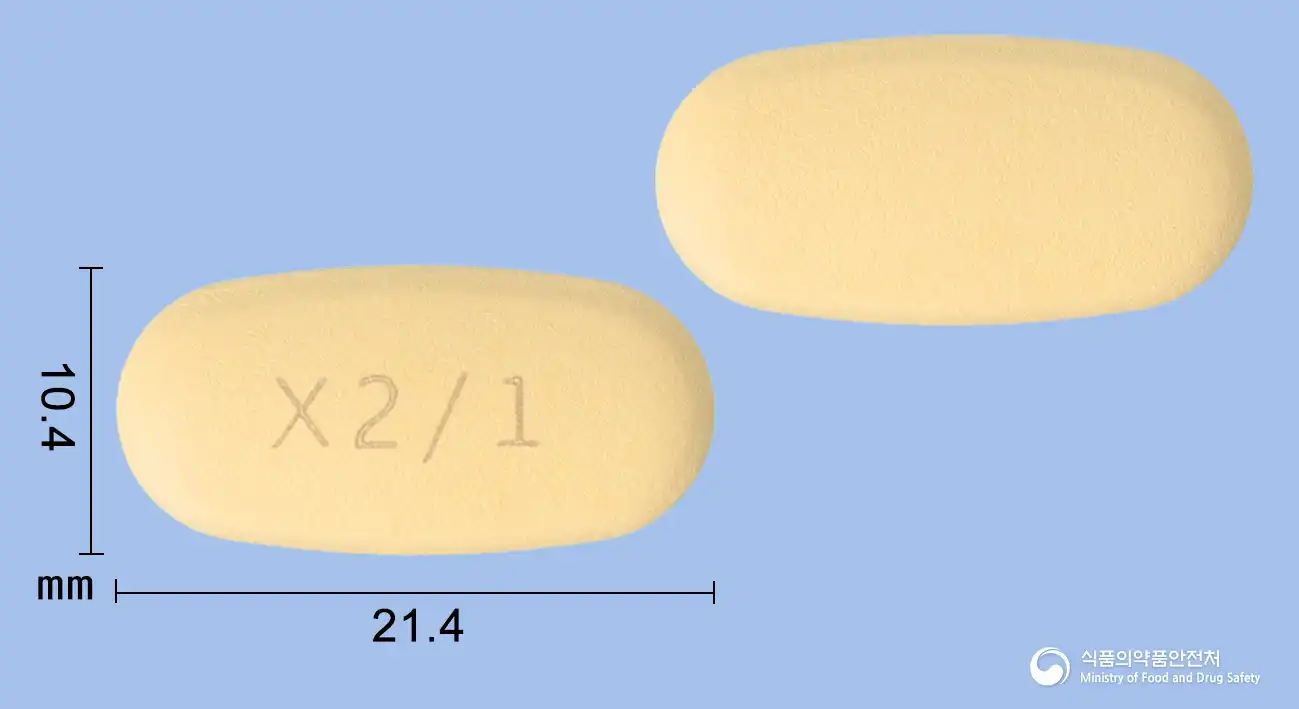 Combination
Linagliptin Micronized 2.5mg · Metformin Hydrochloride 1000mg
Tablet · Prescription medication · Combination
Genewon Science Co., Ltd.
Even with the same ingredient, the dose and directions can differ by strength and dosage form. Talk to a doctor or pharmacist before switching from a medication you are already taking.
No questions yet.
For anything that needs medical judgment, consult a doctor or pharmacist.
This drug information is based on data provided by the Korea Ministry of Food and Drug Safety.
Consult a doctor or pharmacist for accurate dosage, administration, and usage instructions.