Improvement of blood sugar control in type 2 diabetes
Who takes it
Adults
Adult dose
This medication is taken once daily with food, preferably with the evening meal.
To maintain its sustained-release properties, it should not be divided, crushed, ground, or chewed, but swallowed whole.
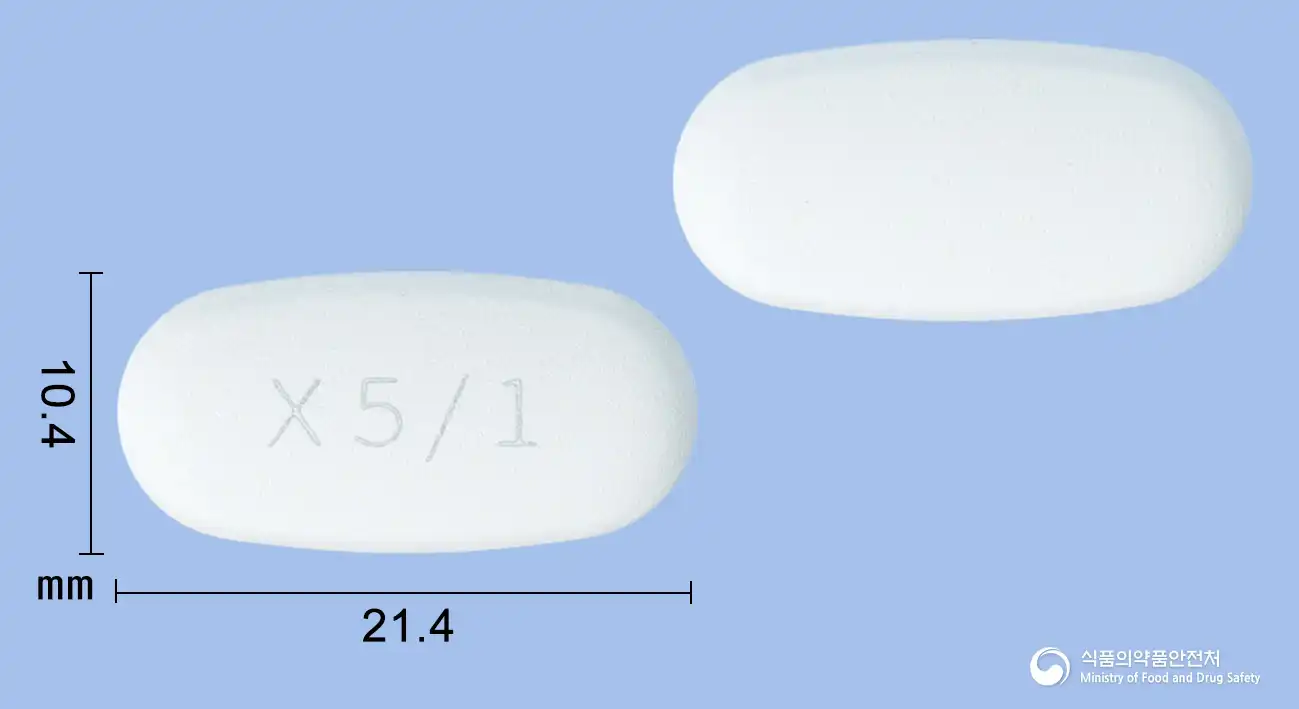
This sustained-release tablet 5/1000 mg should be taken once daily, with a single tablet per dose.
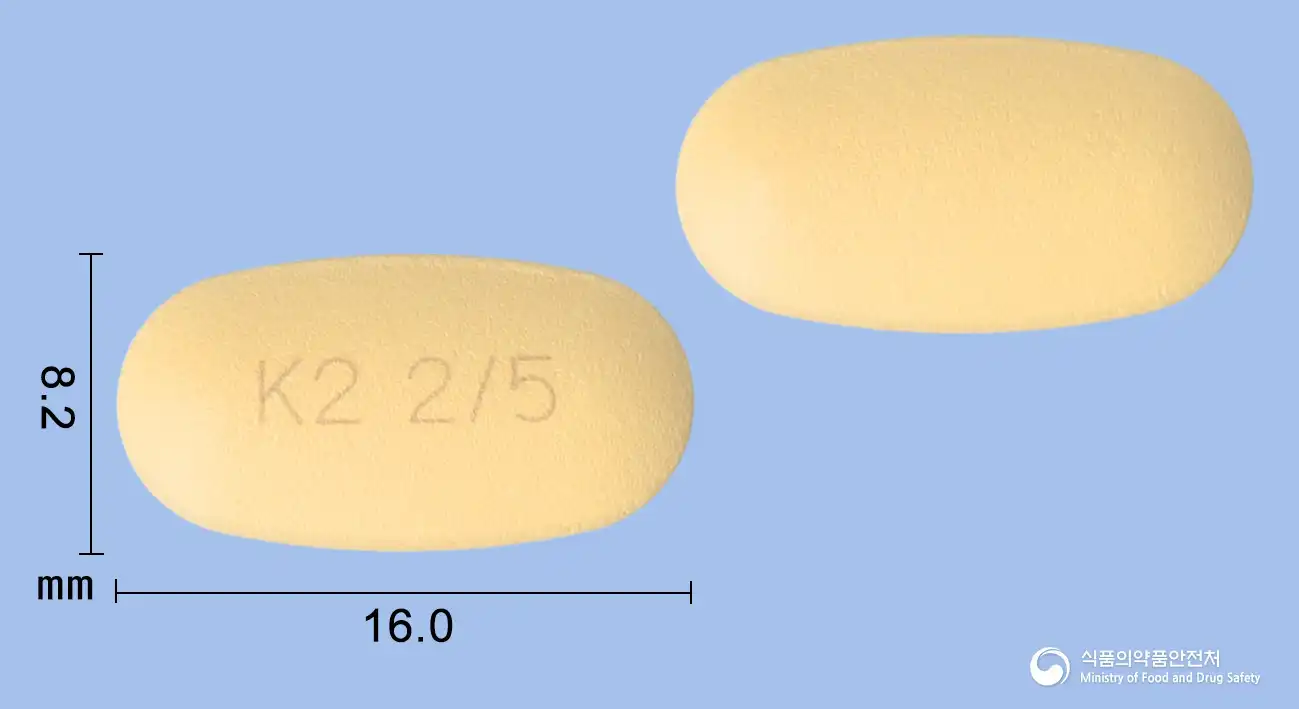
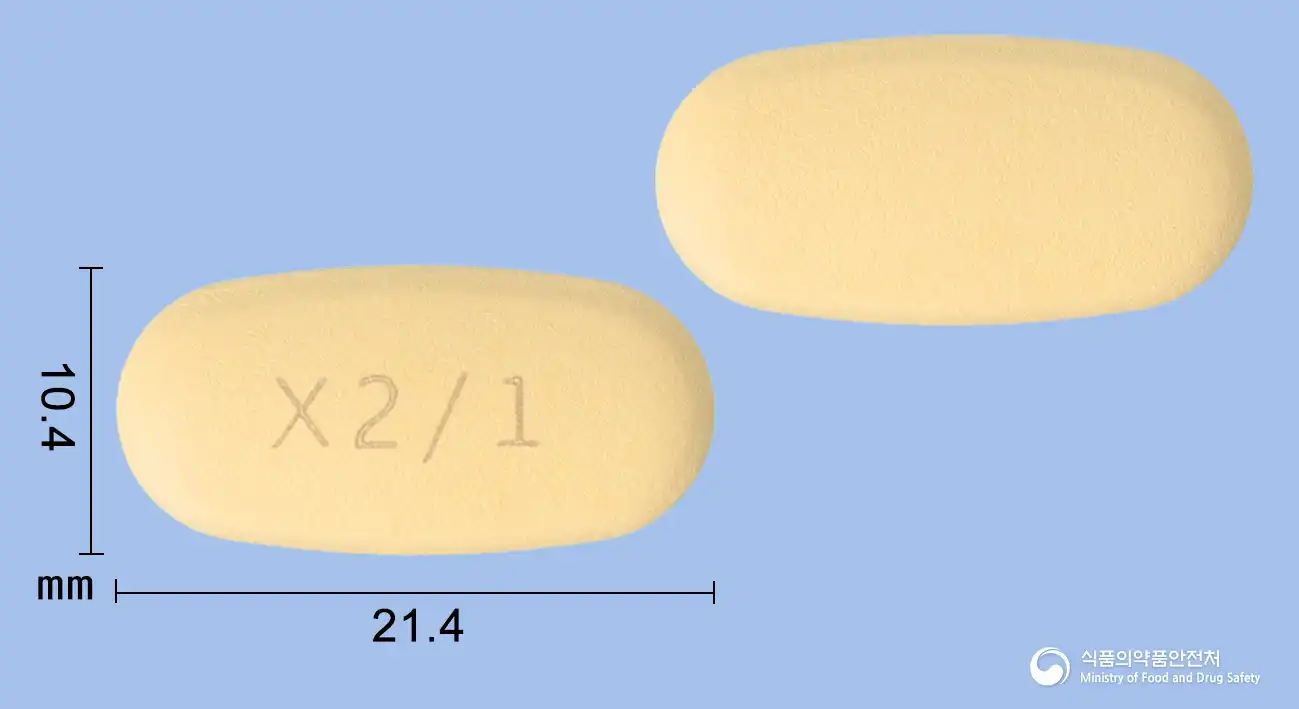
For patients taking this sustained-release tablet 2.5/1000 mg, the dosage is two tablets taken once daily simultaneously.
If the patient is not currently being treated with metformin,
Improvement of blood sugar control in type 2 diabetes
View approved original textHide original text
This medication is used to help patients with type 2 diabetes control their blood sugar when taking Linagliptin and Metformin together. When taken along with diet and exercise therapy, it helps to effectively manage blood sugar levels. This can facilitate better diabetes management and help prevent complications. It is a medication that greatly aids in maintaining healthy blood sugar levels for patients.
How to take
Adult dose
This medication is taken once daily with food, preferably with the evening meal.
To maintain its sustained-release properties, it should not be divided, crushed, ground, or chewed, but swallowed whole.
This sustained-release tablet 5/1000 mg should be taken once daily, with a single tablet per dose.
For patients taking this sustained-release tablet 2.5/1000 mg, the dosage is two tablets taken once daily simultaneously.
If the patient is not currently being treated with metformin,
Precautions
This medication can rarely cause severe lactic acidosis or hypoglycemia, so if these symptoms occur, immediate medical consultation should be sought.
Do not use this medication if you have allergies to any of its components, or if you have type 1 diabetes, lactic acidosis, diabetic ketoacidosis, severe renal impairment, acute myocardial infarction, or certain diseases.
Patients with decreased kidney function should have their kidney function tested before administering this medication and should be monitored regularly for kidney function.
When used in combination with sulfonylureas or insulin, the risk of hypoglycemia may increase, so blood sugar levels should be closely monitored.
In the case of acute illness or before and after surgery, the use of this medication should be temporarily discontinued and can be resumed after kidney function has returned to normal.
This medication may cause gastrointestinal upset, abdominal pain, diarrhea, nausea, etc., so it is advisable to take it during or after meals.
If acute pancreatitis or symptoms suggestive of a bullous skin disease occur during taking the medication, stop immediately and consult with a healthcare professional.
Long-term use may lead to vitamin B12 deficiency, so if symptoms of anemia or neurological symptoms occur, vitamin B12 levels should be checked.
It is recommended to avoid using this medication during pregnancy or breastfeeding, and to consult a doctor if planning a pregnancy.
This medication may interact with other drugs, so inform your healthcare provider about any other medications being taken.
Elderly patients may have a potential decrease in kidney function, so dose adjustments and regular kidney function tests are necessary.
This medication should not be chewed or crushed, and should be swallowed whole; the tablet coating may pass in the stool, which is normal.
Keep out of reach of children and store away from moisture.
Not everyone experiences these, and they can vary from person to person.
Storage
This medication should be stored in a tightly closed container to protect it from air and moisture. It is best to maintain a storage temperature between 1°C and 30°C at room temperature. This will help preserve the medication's effectiveness and safety.
Even with the same ingredient, the dose and directions can differ by strength and dosage form. Talk to a doctor or pharmacist before switching from a medication you are already taking.
Questions about this medicine
No questions yet.
For anything that needs medical judgment, consult a doctor or pharmacist.
This drug information is based on data provided by the Korea Ministry of Food and Drug Safety. Consult a doctor or pharmacist for accurate dosage, administration, and usage instructions.

 한국어
한국어 English
 日本語
日本語 中文(简体)
 Viewing nowCombination