
 한국어
한국어 English
 日本語
日本語 中文(简体)
 Viewing nowCombination
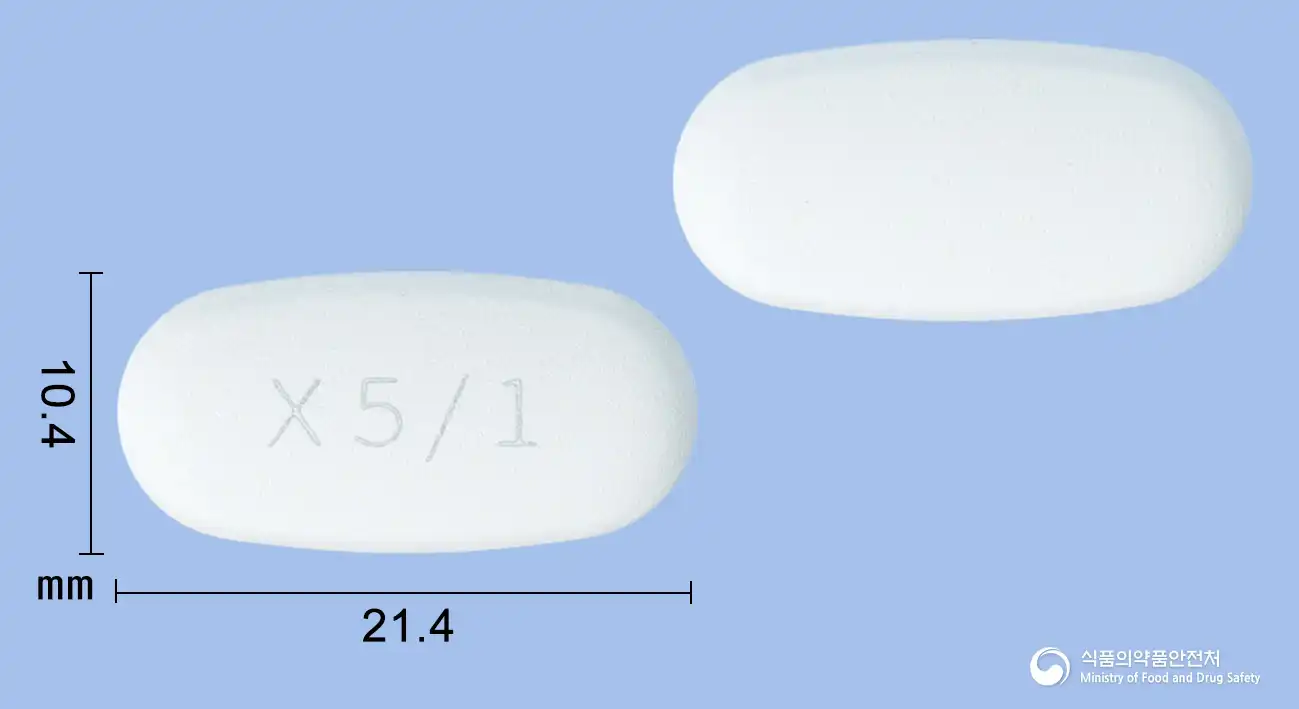
Trachideu Duo Extended-Release Tablet 5/1000 mg (Linagliptin, Metformin Hydrochloride)
Linagliptin Micronized 5mg · Metformin Hydrochloride 1000mg
Tablet · Prescription medication · Combination
Genewon Science Co., Ltd.
MFDS item code 202400024 · Approved 2024.01.04 · Insurance code 671707370
Improvement of blood sugar control in type 2 diabetes
This medication is prescribed to assist patients with type 2 diabetes who are taking linagliptin and metformin together in controlling their blood sugar levels. It is more effective when combined with diet and exercise, helping to improve blood sugar levels. This supports patients in managing their diabetes more effectively. It is important to take it safely while maintaining healthy lifestyle habits.
This medication is taken once daily with dinner. This 5/1000 mg extended-release tablet is taken once daily, one tablet at a time. Patients taking the 2.5/1000 mg extended-release tablet should take it once daily, two tablets simultaneously. The initial dosage is a total daily amount of 5 mg of linagliptin and 1000 mg of metformin hydrochloride, with the maximum daily recommended dosage for metformin hydrochloride being 2000 mg.
This medication contains two active ingredients, linagliptin and metformin hydrochloride. Firstly, metformin hydrochloride can rarely cause a serious condition known as lactic acidosis, which can be dangerous due to the excessive accumulation of lactic acid in the body. Therefore, patients with severely impaired kidney function or those with dehydration, severe infections, acute heart problems, etc., should not use this medication. Additionally, those with an allergy to any component of this medication or with type 1 diabetes, diabetic ketoacidosis, or severe liver dysfunction should avoid using it. When using this medication, it is essential to be aware of hypoglycemic symptoms, particularly because the risk of hypoglycemia may increase when taken with sulfonylureas or insulin, requiring dosage adjustments. To reduce the risk of lactic acidosis, it is important to consult your physician immediately if dehydrating symptoms or declining kidney function are suspected and, if necessary, temporarily discontinue the medication. This medication is excreted through the kidneys, so periodic monitoring of kidney function is required, with extra caution needed for elderly patients with impaired kidney function. Patients with poor cardiac function or those with conditions such as acute myocardial infarction or shock should also use this medication with caution. If you receive iodinated contrast agents used during radiological examinations, you should temporarily discontinue this medication for a specified period before and after the examination, and confirm kidney function. Patients scheduled for surgery should also stop taking this medication for a specified period before and after surgery. Acute pancreatitis or skin blistering conditions may occur while taking this medication; therefore, if you experience abdominal pain or skin abnormalities, inform your doctor immediately. Long-term use may lower vitamin B12 levels, so it is advisable to check vitamin B12 levels if you experience anemia or neurological symptoms. This medication should be swallowed whole and not chewed or crushed. It is normal for the shell of the tablet to pass through the stool without being dissolved. There may be interactions with other medications; thus, you should inform your physician or pharmacist of any medications you are currently taking. Avoid using this medication if you are pregnant or breastfeeding, as safety for children has not been established. For elderly patients, appropriate dosage adjustments and regular kidney function assessments are necessary due to potential declines in kidney function. In the event of overdose, serious side effects such as lactic acidosis may occur, and immediate medical attention is required. Finally, this medication should be stored out of reach of children, protected from moisture, and not transferred to another container.
Pharyngitis, hypersensitivity, hypoglycemia, taste disturbances, cough, loss of appetite, diarrhea, constipation, nausea, vomiting, abdominal pain, oral ulcers, abnormal liver function, hepatitis, itching, erythema, rash, arthritis (not severe or disabling), increased lipase levels, increased amylase levels, abnormal vitamin B12 absorption test results, increased serum creatinine, dizziness, headache, fever, facial swelling, fatigue, chest pain, discomfort in the chest, weakness
Not everyone experiences these, and they can vary from person to person.
This medication is sensitive to air and moisture, so it must be stored in a tightly sealed container. It is important to maintain a storage temperature between 1 degree and 30 degrees Celsius. This will help preserve the medication's efficacy and safety.
White oval extended-release film-coated tablet
Bottle - 30 tablets/bottle, Bottle - 100 tablets/bottle
Even with the same ingredient, strength, dosage form and how it is taken can differ.
Viewing nowCombinationLinagliptin Micronized 5mg · Metformin Hydrochloride 1000mg
Tablet · Prescription medication · Combination
Genewon Science Co., Ltd.
Linagliptin Micronized 2.5mg · Metformin Hydrochloride 1000mg
Tablet · Prescription medication · Combination
Samjin Pharmaceutical Co., Ltd.
Linagliptin Micronized 2.5mg · Metformin Hydrochloride 500mg
Tablet · Prescription medication · Combination
Samjin Pharmaceutical Co., Ltd.
Linagliptin Micronized 2.5mg · Metformin Hydrochloride 850mg
Tablet · Prescription medication · Combination
Samjin Pharmaceutical Co., Ltd.
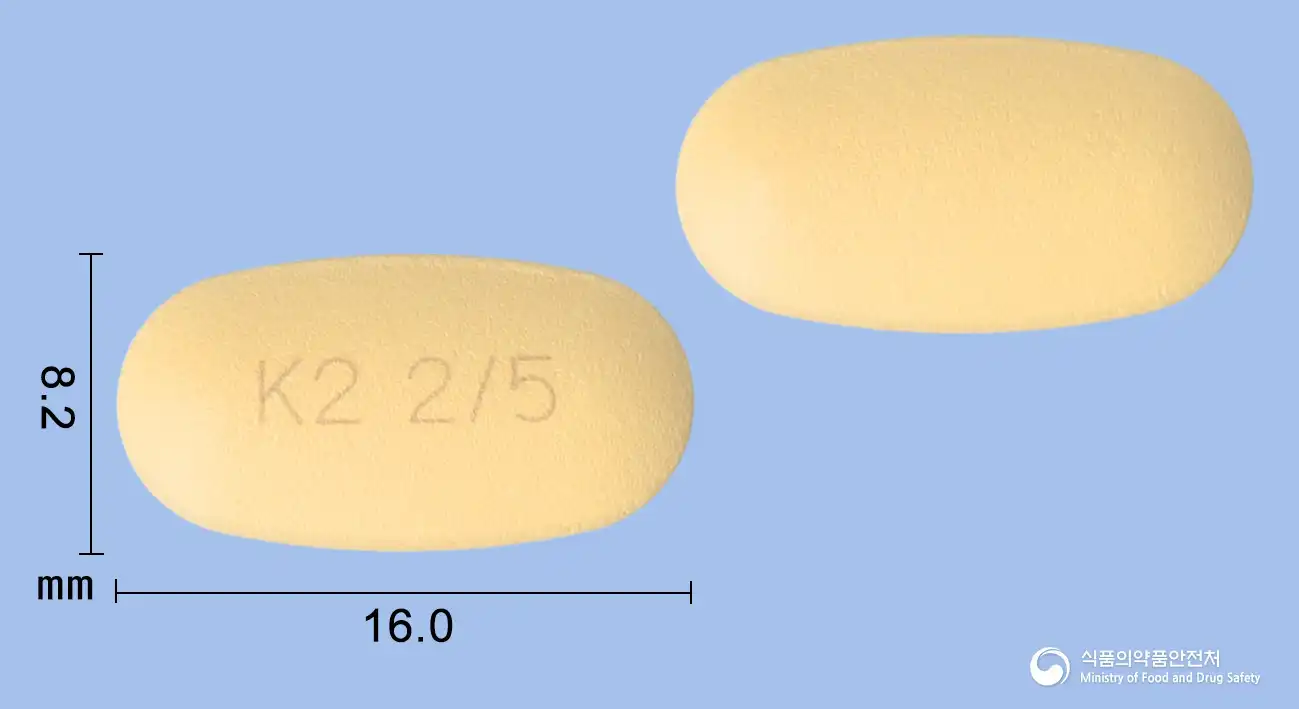 Combination
Linagliptin Micronized 2.5mg · Metformin Hydrochloride 500mg
Tablet · Prescription medication · Combination
Genewon Science Co., Ltd.
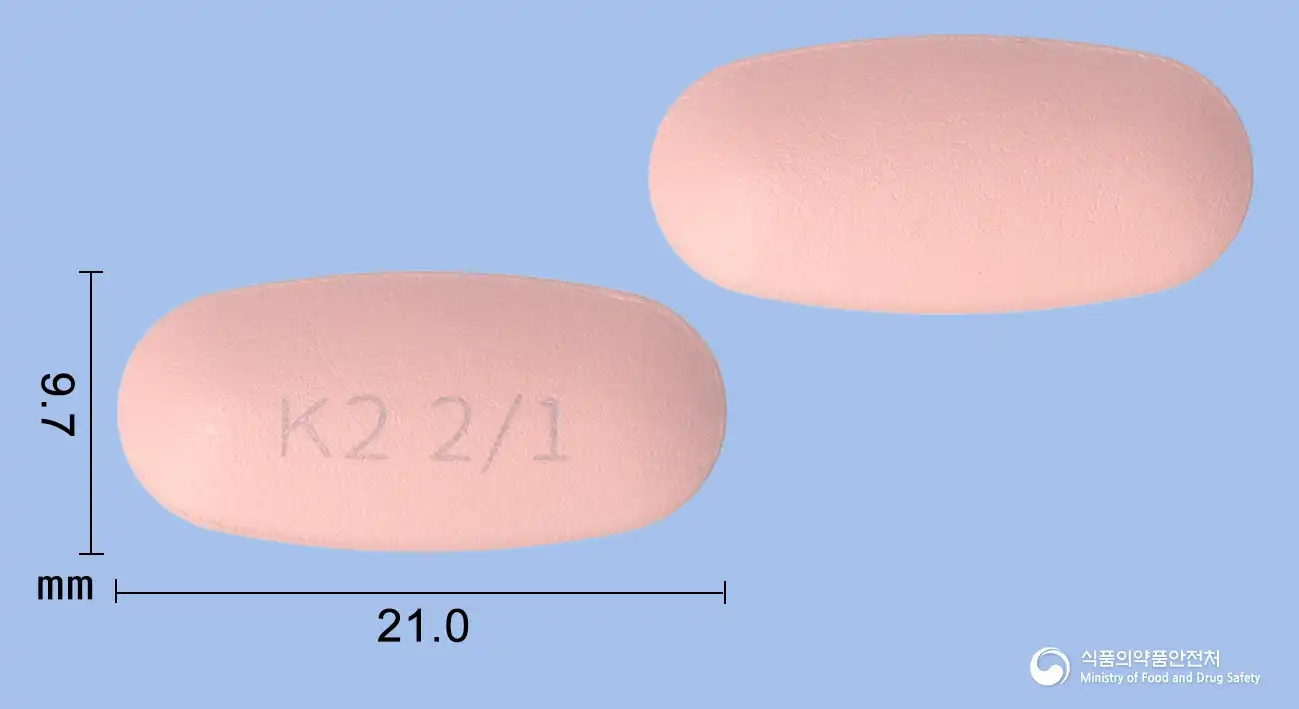 Combination
Linagliptin Micronized 2.5mg · Metformin Hydrochloride 1000mg
Tablet · Prescription medication · Combination
Genewon Science Co., Ltd.
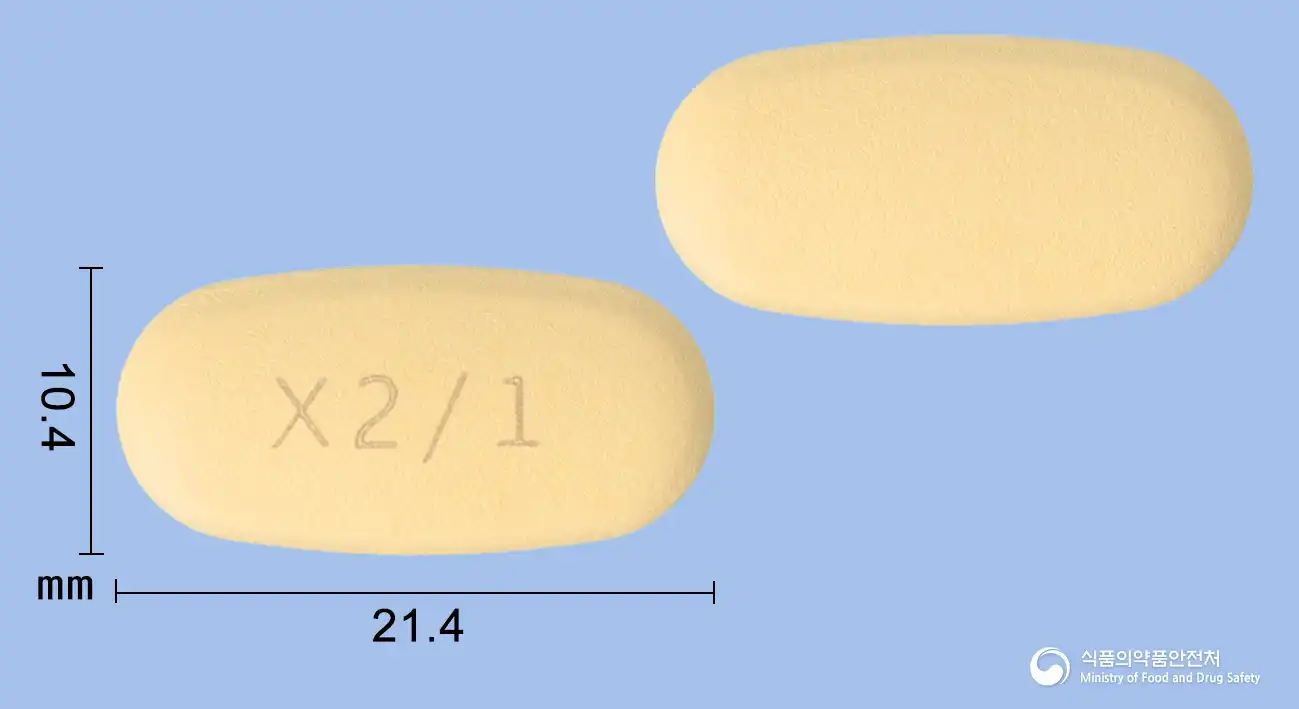 Combination
Linagliptin Micronized 2.5mg · Metformin Hydrochloride 1000mg
Tablet · Prescription medication · Combination
Genewon Science Co., Ltd.
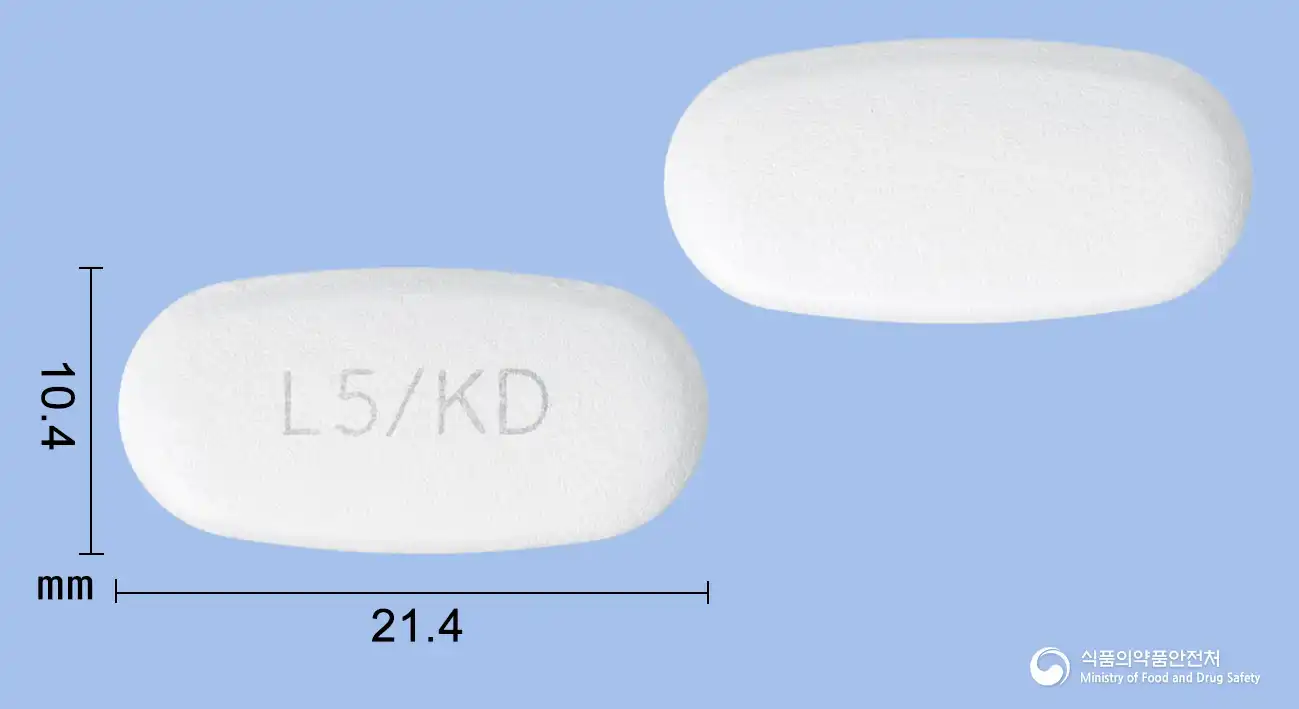 Combination
Linagliptin Micronized 5mg · Metformin Hydrochloride 1000mg
Tablet · Prescription medication · Combination
Kyungdong Pharmaceutical Co., Ltd.
Even with the same ingredient, the dose and directions can differ by strength and dosage form. Talk to a doctor or pharmacist before switching from a medication you are already taking.
No questions yet.
For anything that needs medical judgment, consult a doctor or pharmacist.
This drug information is based on data provided by the Korea Ministry of Food and Drug Safety.
Consult a doctor or pharmacist for accurate dosage, administration, and usage instructions.