
 한국어
한국어 English
 日本語
日本語 中文(简体)
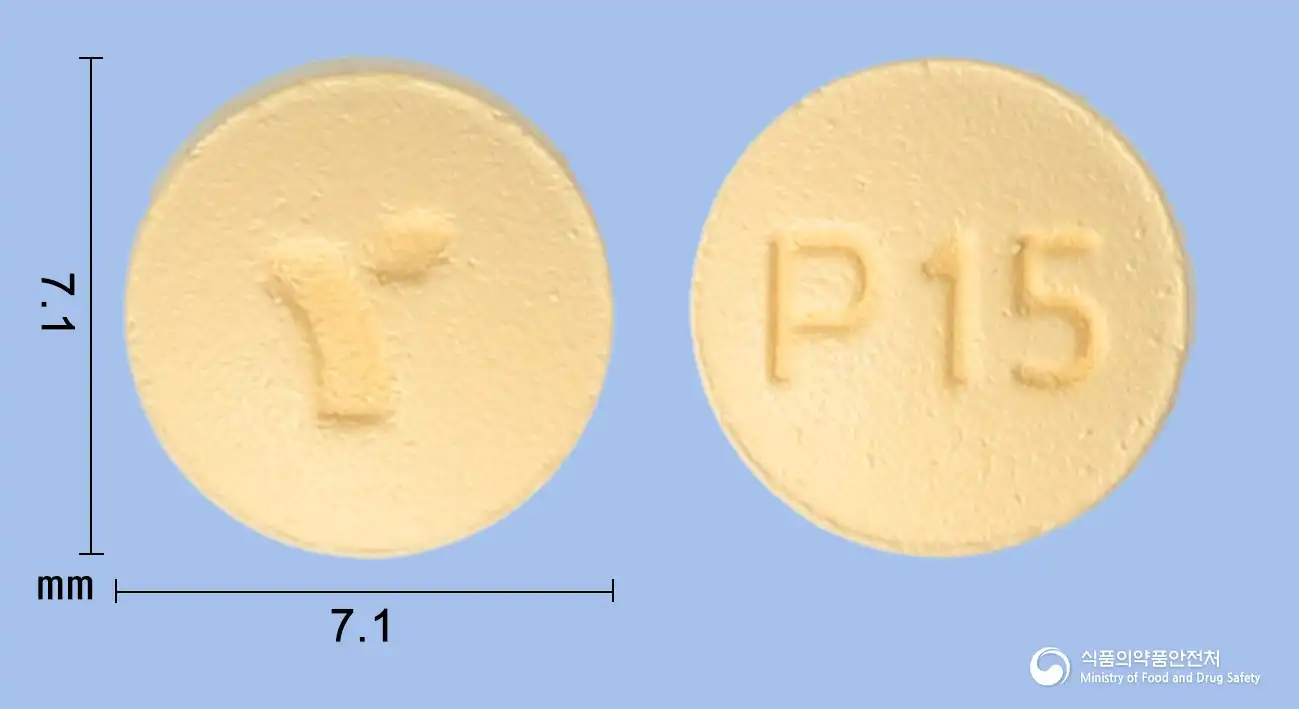 Viewing nowCombination
Pioda Tablet 10/15 mg (Dapagliflozin, Pioglitazone)
Pioglitazone Hydrochloride 16.53mg · Dapagliflozin Propanediol Hydrate 12.3mg
Tablet · Prescription medication · Combination
YuYoung Pharmaceutical Co., Ltd.
MFDS item code 202303461 · Approved 2023.12.29 · Insurance code 648204700
Improvement of blood sugar control in type 2 diabetes
This medication is used to effectively control blood sugar levels while assisting patients with type 2 diabetes in managing diet and exercise.
The recommended dosage for patients receiving dapagliflozin 10 mg and pioglitazone 15 mg is one tablet daily, regardless of meals. The tablet should not be divided. For patients who cannot achieve adequate blood sugar control with metformin and dapagliflozin, the recommended dosage is one tablet of dapagliflozin 10 mg/pioglitazone 15 mg once daily.
This medication should not be administered to patients with heart failure or a history of heart failure. One of the components of this medication, pioglitazone, can exacerbate or cause new heart failure, so after administration, signs of heart failure such as rapid weight gain, difficulty breathing, and swelling should be closely monitored. If any of these symptoms occur, notify a healthcare professional immediately, and the administration of this medication should be discontinued or the dosage adjusted as needed. Additionally, this medication should not be used in patients with active bladder cancer or a history of bladder cancer, severe liver dysfunction or kidney dysfunction, type 1 diabetes, or diabetic ketoacidosis. Elderly patients, premenopausal women, patients with edema, and those with heart disease should be particularly cautious when administering this medication. Patients at risk for reduced fluid volume or hypotension should assess their fluid status and kidney function before administration, and blood pressure and kidney function should be continuously monitored after administration. This medication helps with blood sugar control, but hypoglycemic symptoms may occur, so patients at risk for hypoglycemia should be alert to symptoms. Side effects such as weight gain, edema, headaches, urinary tract infections, and genital infections may occur, so if abnormal symptoms present, consult a healthcare professional. If symptoms of liver abnormality (fatigue, decreased appetite, jaundice, etc.) appear, notify a healthcare professional immediately and undergo testing; if liver enzyme levels rise significantly, administration should be stopped. Pregnant women or those who may become pregnant should not use this medication, and it is also not suitable for patients before or after surgery or those with severe infections. During the course of treatment with this medication, regular check-ups and adherence to healthcare professional instructions must be ensured for safe use.
Hives, severe swelling (edema), chest tightness, difficulty breathing, cold sweat, pallor, severe rash with high fever, blisters, skin peeling, pain in mucous membranes of the mouth/eyes, shortness of breath or difficulty breathing, asthma attacks, respiratory difficulties accompanied by cough and fever, yellowing of skin or eyes (jaundice), extreme lethargy, sudden and severe headaches, thunderclap headache, seizures, confusion, vision disturbances, paralysis, urine
Not everyone experiences these, and they can vary from person to person.
This medication should be stored in a tightly sealed container to prevent air or moisture from entering, and it is advisable to keep it at room temperature between 1 and 30 degrees Celsius. Storing it this way will help maintain the medication's effectiveness and safety.
Yellow round film-coated tablet
30 tablets/box [10 tablets/PTP x 3], 30 tablets/bottle
Even with the same ingredient, strength, dosage form and how it is taken can differ.
Viewing nowCombinationPioglitazone Hydrochloride 16.53mg · Dapagliflozin Propanediol Hydrate 12.3mg
Tablet · Prescription medication · Combination
YuYoung Pharmaceutical Co., Ltd.
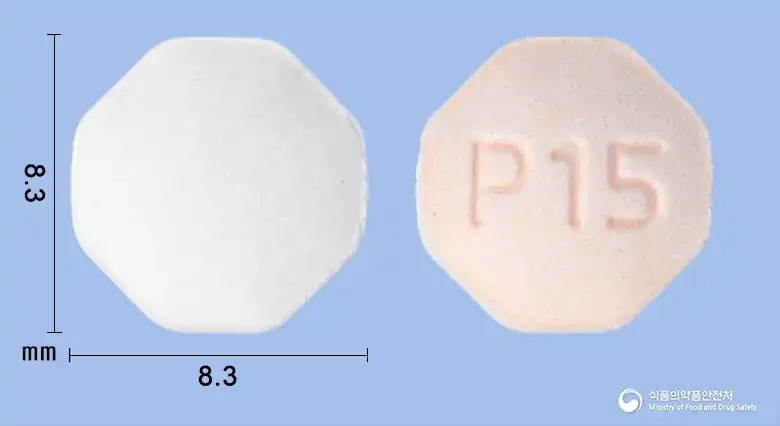 Combination
Dapagliflozin Propanediol Hydrate 12.3mg · Pioglitazone Hydrochloride 16.53mg
Tablet · Prescription medication · Combination
Boryung Pharmaceutical Co., Ltd.
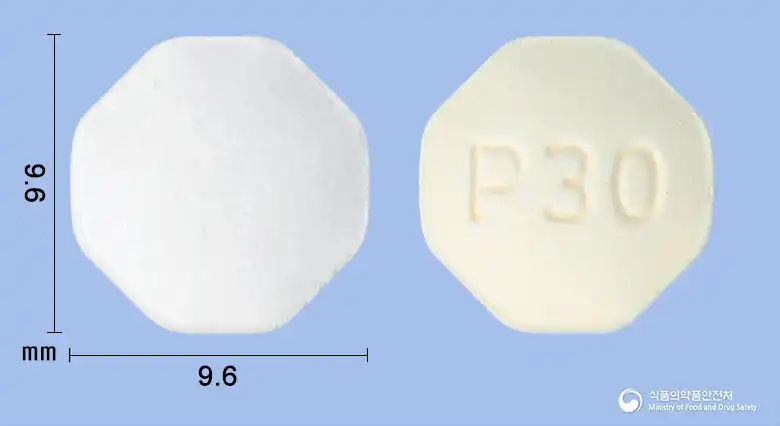 Combination
Dapagliflozin Propanediol Hydrate 12.3mg · Pioglitazone Hydrochloride 33.06mg
Tablet · Prescription medication · Combination
Boryung Pharmaceutical Co., Ltd.
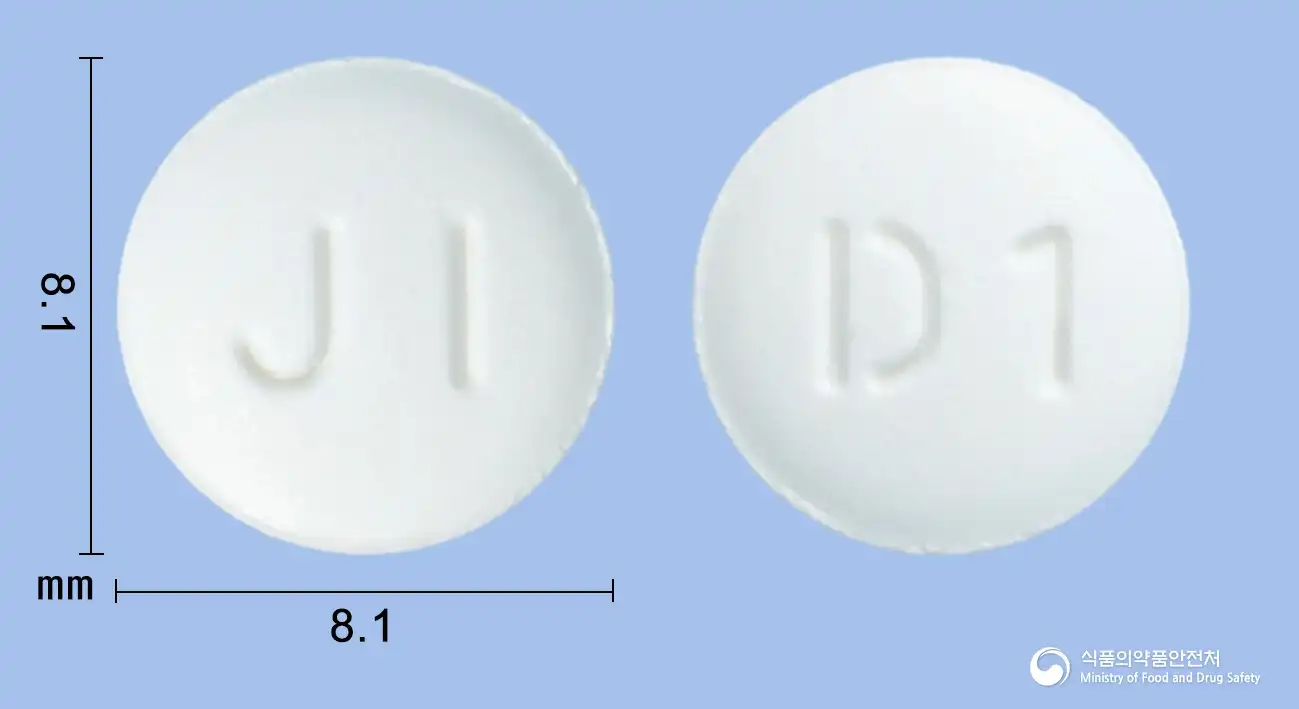 Combination
Dapagliflozin Propanediol Hydrate 12.3mg · Pioglitazone Hydrochloride 16.53mg
Tablet · Prescription medication · Combination
Jeil Pharmaceutical Co., Ltd.
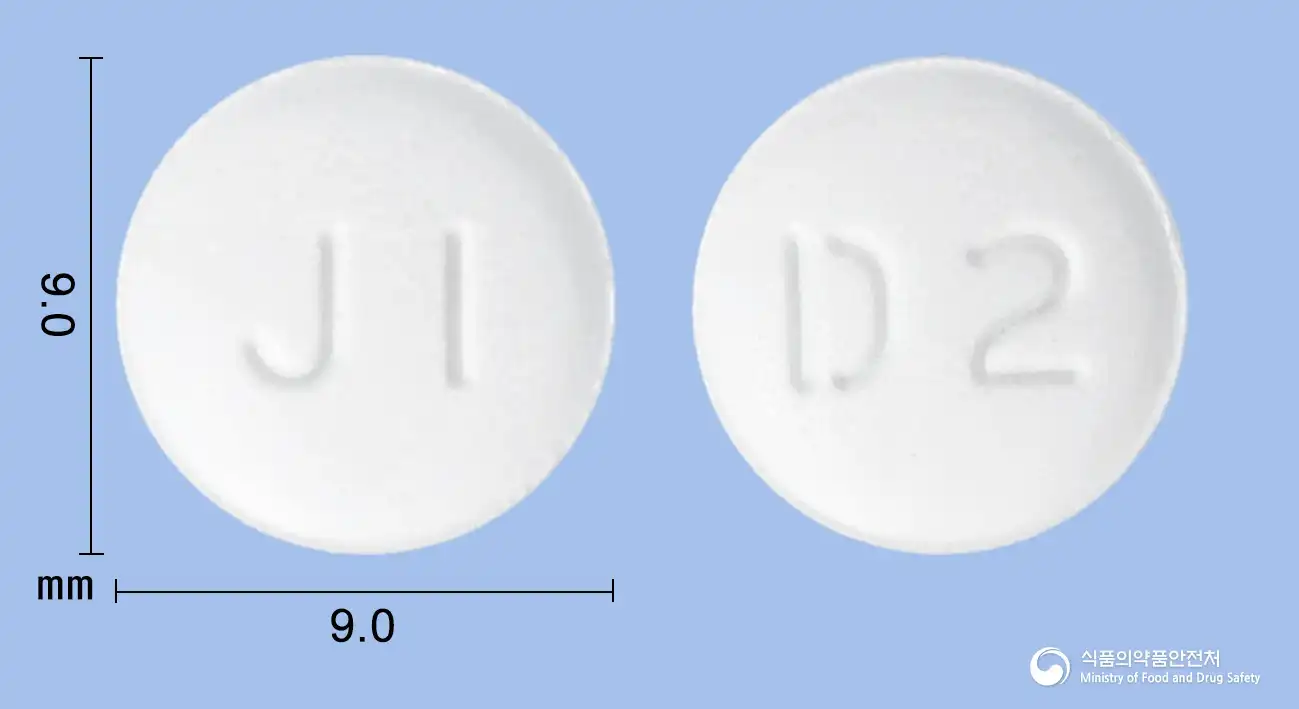 Combination
Dapagliflozin Propanediol Hydrate 12.3mg · Pioglitazone Hydrochloride 33.06mg
Tablet · Prescription medication · Combination
Jeil Pharmaceutical Co., Ltd.
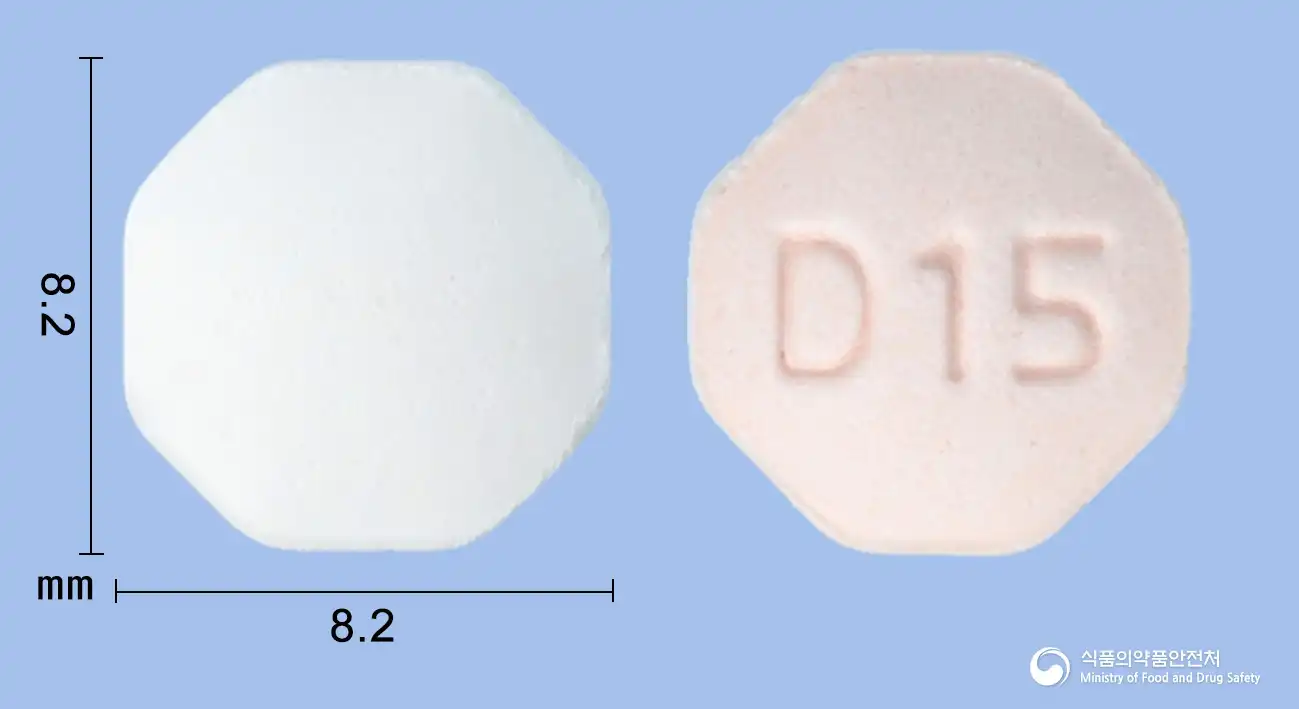 Combination
Dapagliflozin Propanediol Hydrate 12.3mg · Pioglitazone Hydrochloride 16.53mg
Tablet · Prescription medication · Combination
Kyungdong Pharmaceutical Co., Ltd.
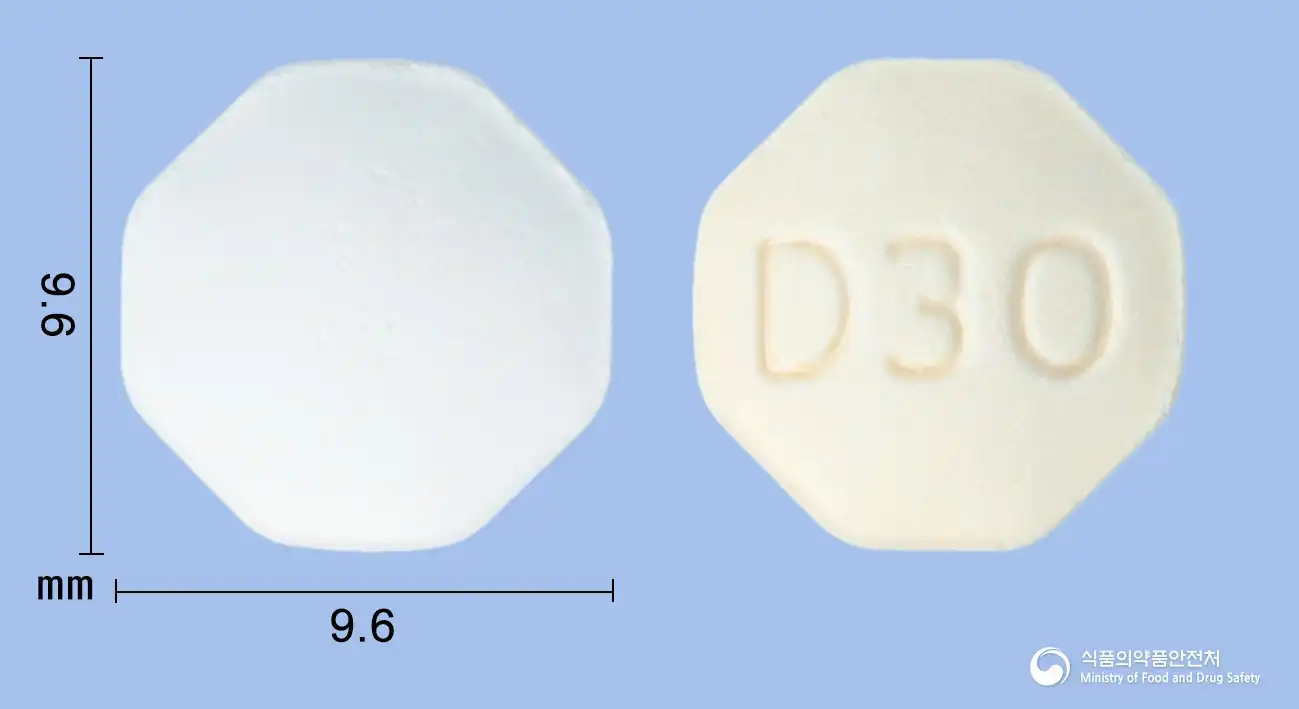 Combination
Dapagliflozin Propanediol Hydrate 12.3mg · Pioglitazone Hydrochloride 33.06mg
Tablet · Prescription medication · Combination
Kyungdong Pharmaceutical Co., Ltd.
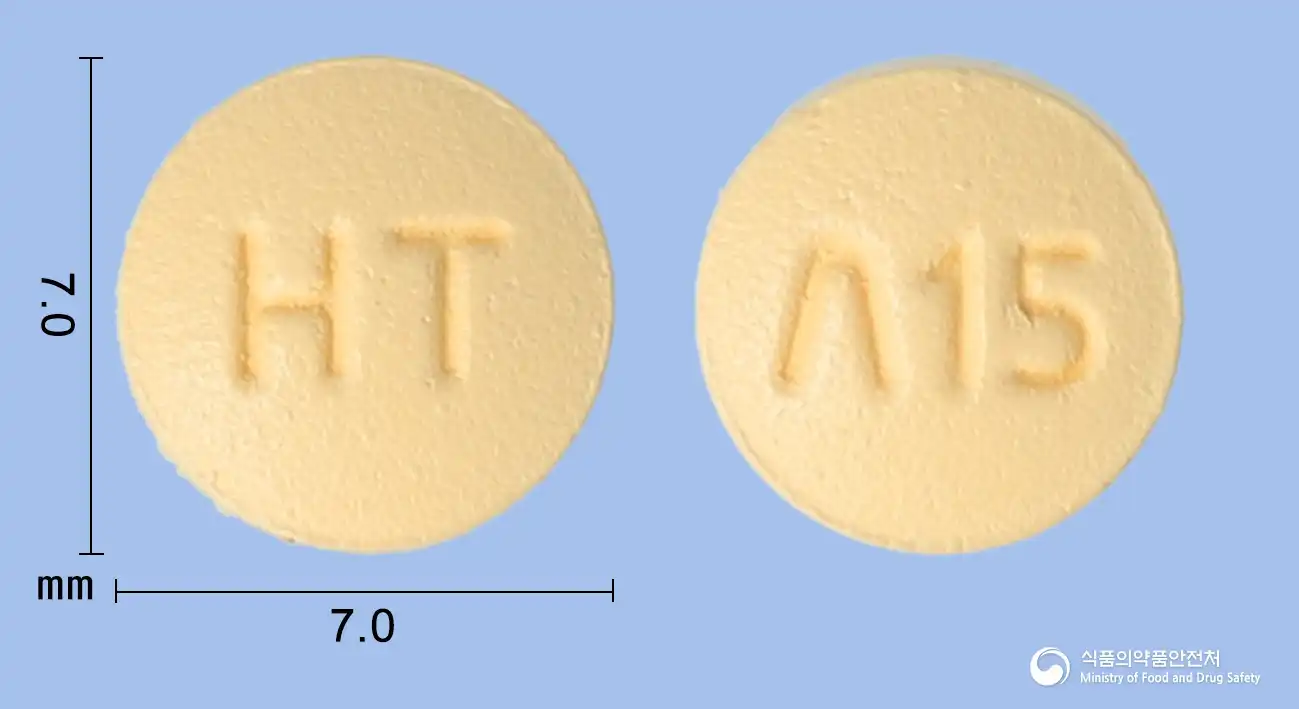 Combination
Pioglitazone Hydrochloride 16.53mg · Dapagliflozin Propanediol Hydrate 12.3mg
Tablet · Prescription medication · Combination
Hanmi Pharm Co., Ltd.
Even with the same ingredient, the dose and directions can differ by strength and dosage form. Talk to a doctor or pharmacist before switching from a medication you are already taking.
No questions yet.
For anything that needs medical judgment, consult a doctor or pharmacist.
This drug information is based on data provided by the Korea Ministry of Food and Drug Safety.
Consult a doctor or pharmacist for accurate dosage, administration, and usage instructions.