
 한국어
한국어 English
 日本語
日本語 中文(简体)
 Viewing nowCombination
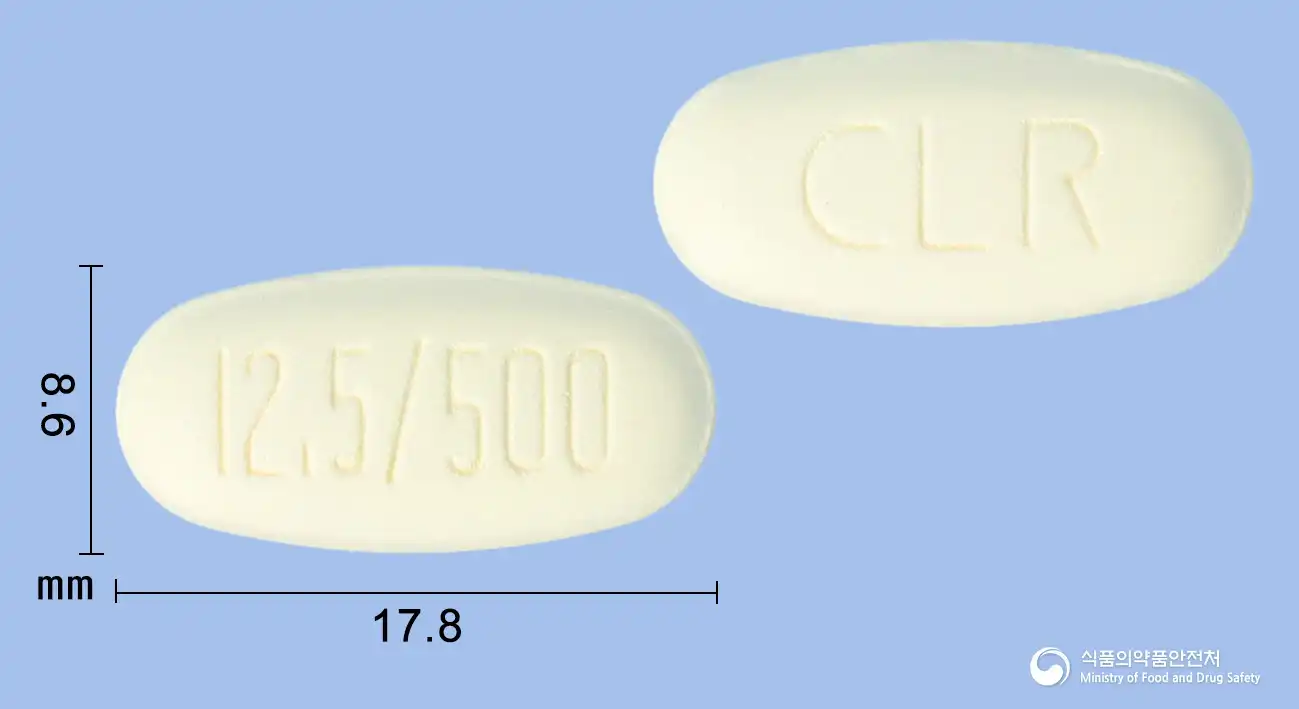
Nesinamet Tablets 12.5/500 mg (Alogliptin Benzoate, Metformin Hydrochloride)
Alogliptin Benzoate 17mg · Metformin Hydrochloride 500mg
Tablet · Prescription medication · Combination
Celltrion Pharm, Co., Ltd.
MFDS item code 202303459 · Approved 2023.12.28 · Insurance code 693903840
Improvement of blood sugar control in type 2 diabetes
This medication is developed to help control blood sugar in patients with type 2 diabetes. The two components, Alogliptin and Metformin, work together to complement dietary and exercise therapies. It is particularly effective in improving blood sugar levels, making it suitable for those who struggle with blood sugar management. Continued usage along with lifestyle changes can yield even better results. This medication is used for the treatment of type 2 diabetes.
The dosage of this medication should be adjusted according to efficacy and tolerance within the maximum recommended daily doses of Alogliptin 25 mg and Metformin 2000 mg for each component. The initial dosage will be determined based on the patient’s current treatment regimen. This medication should be taken twice daily with meals, and dosage increases should be gradual. 1. If not currently treated with Metformin: take 12.5/500 mg
This medication may cause severe lactic acidosis or hypoglycemia; caution is required. It should not be administered to patients with moderate to severe renal impairment or cardiovascular diseases. Patients undergoing surgeries or diagnostic tests involving radiological contrast agents should discontinue this medication for a certain period and only resume after confirming normal kidney function. It is advisable for pregnant or breastfeeding women to refrain from taking this medication. Patients with irregular meals or engaging in intense physical activities, or those taking other medications simultaneously, should be careful as they may be at risk for hypoglycemia and lactic acidosis. While taking this medication, side effects such as diarrhea, headache, back pain, and infections may occur, and if symptoms persist, consultation with a physician is necessary. Although rare, lactic acidosis can be life-threatening; therefore, if symptoms such as malaise, muscle pain, difficulty breathing, or abdominal pain arise, medical attention should be sought immediately. If symptoms indicating liver dysfunction or pancreatitis are suspected, discontinue the medication and visit a hospital promptly. Since this medication is excreted through the kidneys, regular kidney function tests should be conducted in patients with reduced renal function, and administration should cease if kidney function deteriorates. Alcohol can increase the risk of lactic acidosis, so it is advisable to avoid drinking while on this medication. Additionally, this medication may lower vitamin B12 levels; therefore, regular blood tests should be performed, and supplementation should be provided as needed. When combined with other hypoglycemic agents, there may be an increased risk of hypoglycemia, so blood glucose levels should be closely monitored, and dose adjustments may be necessary.
Hives, severe swelling (edema), chest tightness, difficulty breathing, cold sweats, pallor, severe rash with high fever, blisters, skin peeling, pain in oral/ocular mucosa, shortness of breath or difficulty breathing, asthma attack, breathing abnormalities with cough and fever, jaundice (yellowing of the skin or eyes), severe malaise, sudden and severe headache, lightning headache, seizures, confusion, visual disturbances, paralysis, urination
Upper respiratory infection, nasopharyngitis, diarrhea, hypertension, headache, back pain, urinary tract infection, hypoglycemia, nausea/vomiting, abdominal distension, weakness, dyspepsia, abdominal discomfort, pancreatitis, decreased serum vitamin B12 concentration, musculoskeletal disorders, tenosynovitis, fractures, costochondritis, leg fractures, upper extremity fractures, spinal fractures, rhabdomyolysis, gastrointestinal disorders, gastric ulcer, aggravated gastritis, hemorrhagic gastric ulcer, appendicitis, metabolic and nutritional disorders, hyperglycemia,
Not everyone experiences these, and they can vary from person to person.
This medication may be sensitive to air and moisture, so it must be stored in a tightly sealed container. The storage temperature should be maintained between 1 to 30 degrees Celsius at room temperature. Proper storage can ensure the medication's effectiveness and safety over time.
Light yellow rectangular film-coated tablets
PTP - 28 tablets/Alu-Alu[(7 X 4)], Bottle - 30 tablets/bottle[(Bottle-HDPE, Cap-PP, Silica Gel)], Bottle - 100 tablets/bottle[(Bottle-HDPE, Cap-PP, Silica Gel)]
Even with the same ingredient, strength, dosage form and how it is taken can differ.
Viewing nowCombinationAlogliptin Benzoate 17mg · Metformin Hydrochloride 500mg
Tablet · Prescription medication · Combination
Celltrion Pharm, Co., Ltd.
Alogliptin Benzoate 17mg · Metformin Hydrochloride 500mg
Tablet · Prescription medication · Combination
Celltrion Pharmaceutical Co., Ltd.
Alogliptin Benzoate 17mg · Metformin Hydrochloride 1000mg
Tablet · Prescription medication · Combination
Celltrion Healthcare Co., Ltd.
Alogliptin Benzoate 17mg · Metformin Hydrochloride 850mg
Tablet · Prescription medication · Combination
Celltrion Pharmaceutical Co., Ltd.
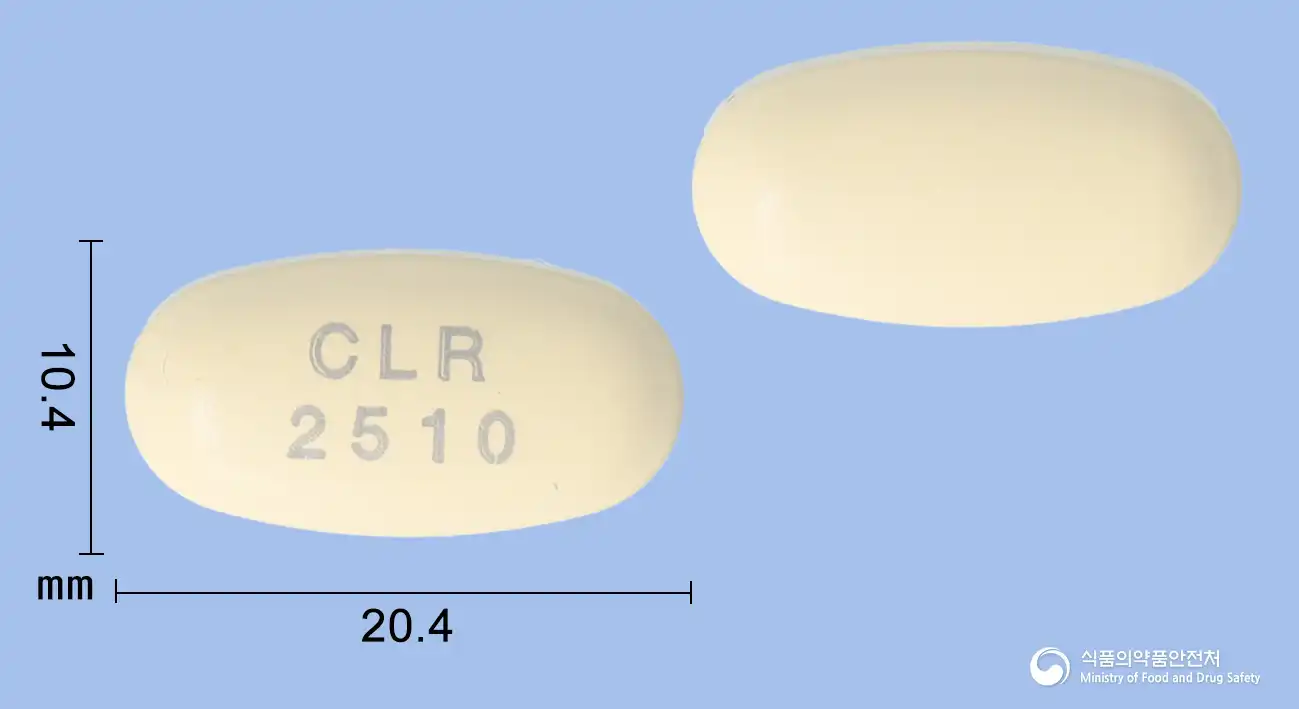 Combination
Metformin Hydrochloride 1000mg · Alogliptin Benzoate 34mg
Tablet · Prescription medication · Combination
Celltrion Pharmaceutical Co., Ltd.
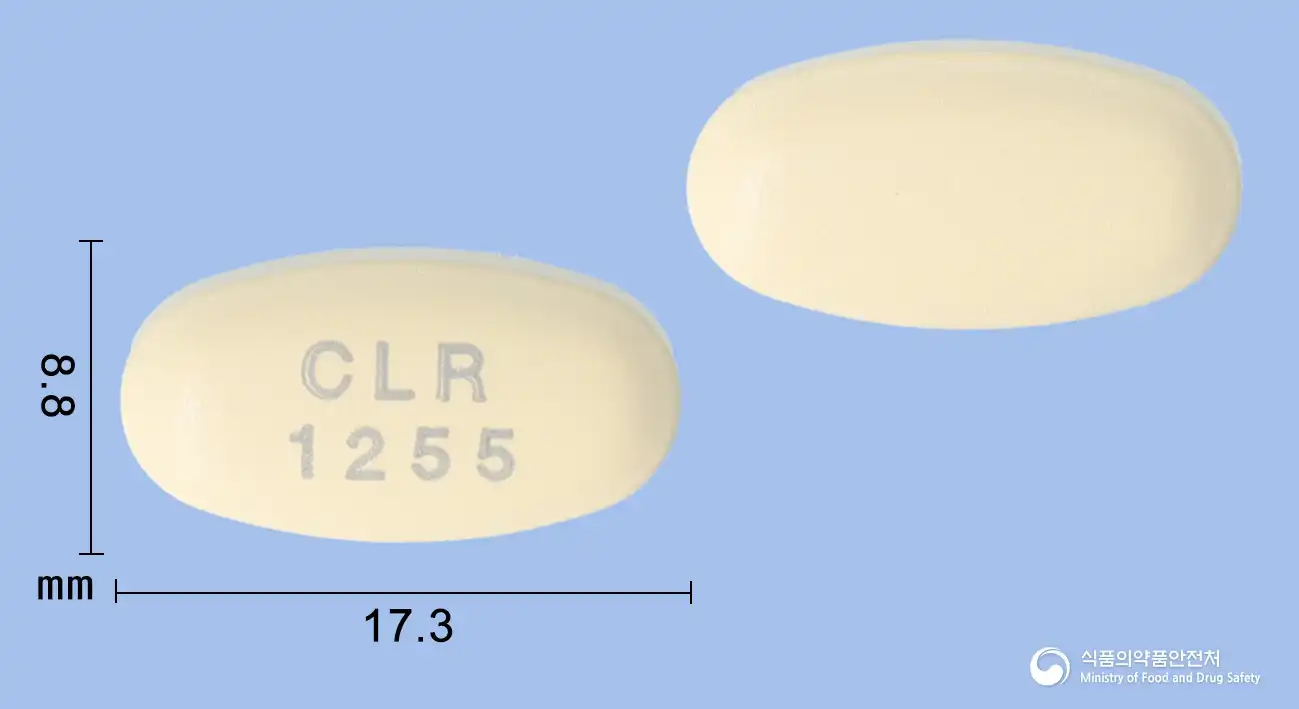 Combination
Metformin Hydrochloride 500mg · Alogliptin Benzoate 17mg
Tablet · Prescription medication · Combination
Celltrion Pharmaceutical Co., Ltd.
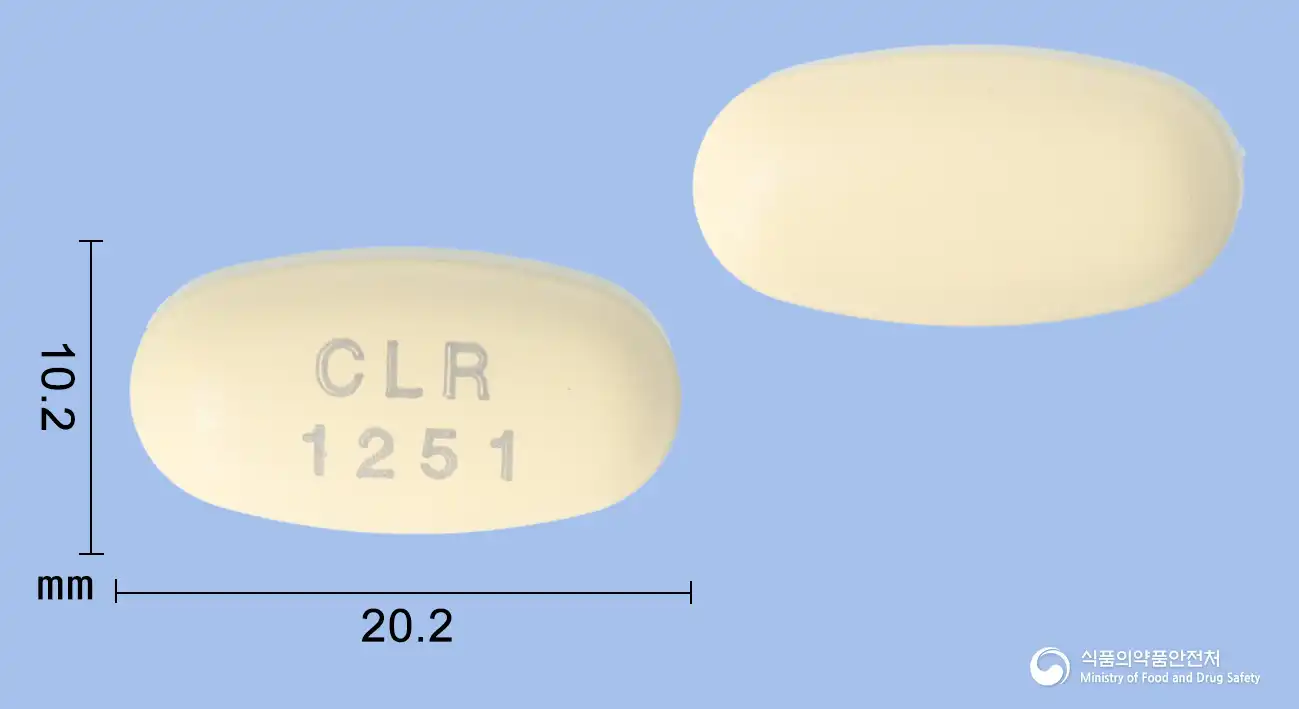 Combination
Metformin Hydrochloride 1000mg · Alogliptin Benzoate 17mg
Tablet · Prescription medication · Combination
Celltrion Pharmaceutical Co., Ltd.
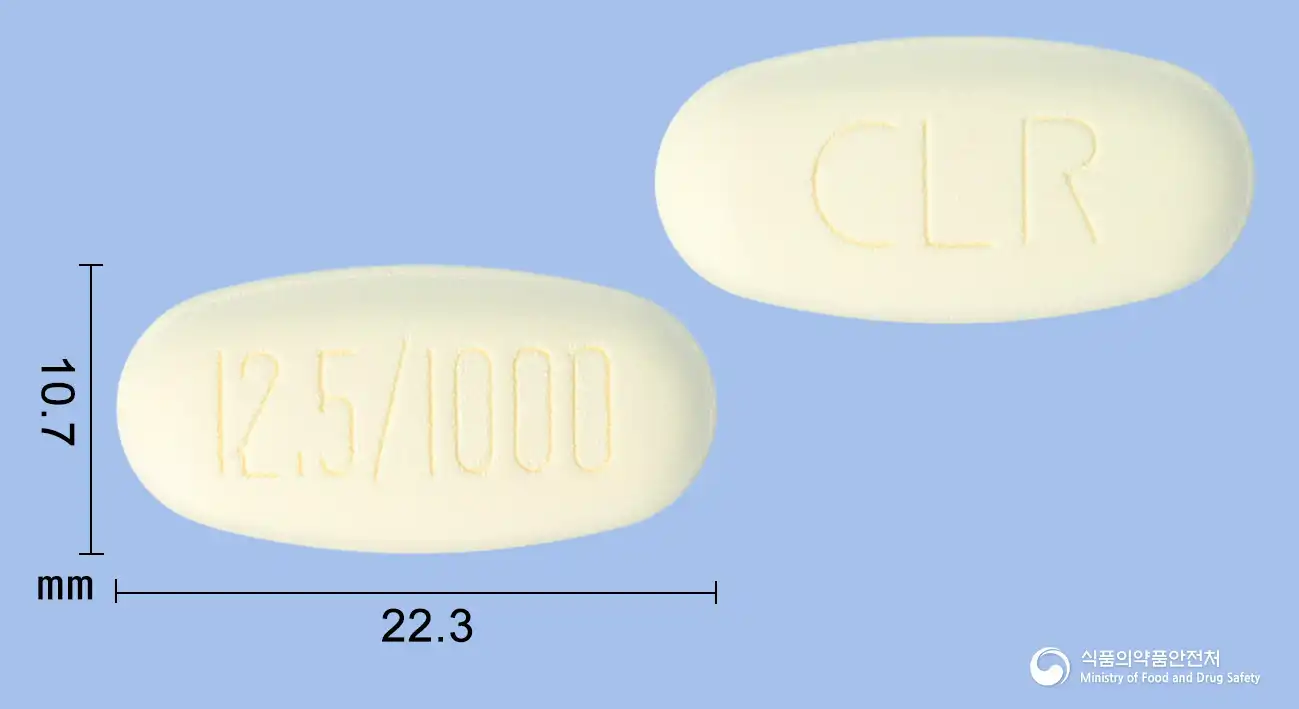 Combination
Alogliptin Benzoate 17mg · Metformin Hydrochloride 1000mg
Tablet · Prescription medication · Combination
Celltrion Pharmaceutical Co., Ltd.
Even with the same ingredient, the dose and directions can differ by strength and dosage form. Talk to a doctor or pharmacist before switching from a medication you are already taking.
No questions yet.
For anything that needs medical judgment, consult a doctor or pharmacist.
This drug information is based on data provided by the Korea Ministry of Food and Drug Safety.
Consult a doctor or pharmacist for accurate dosage, administration, and usage instructions.