
 한국어
 English
 日本語
 中文(简体)
 Viewing nowCombination
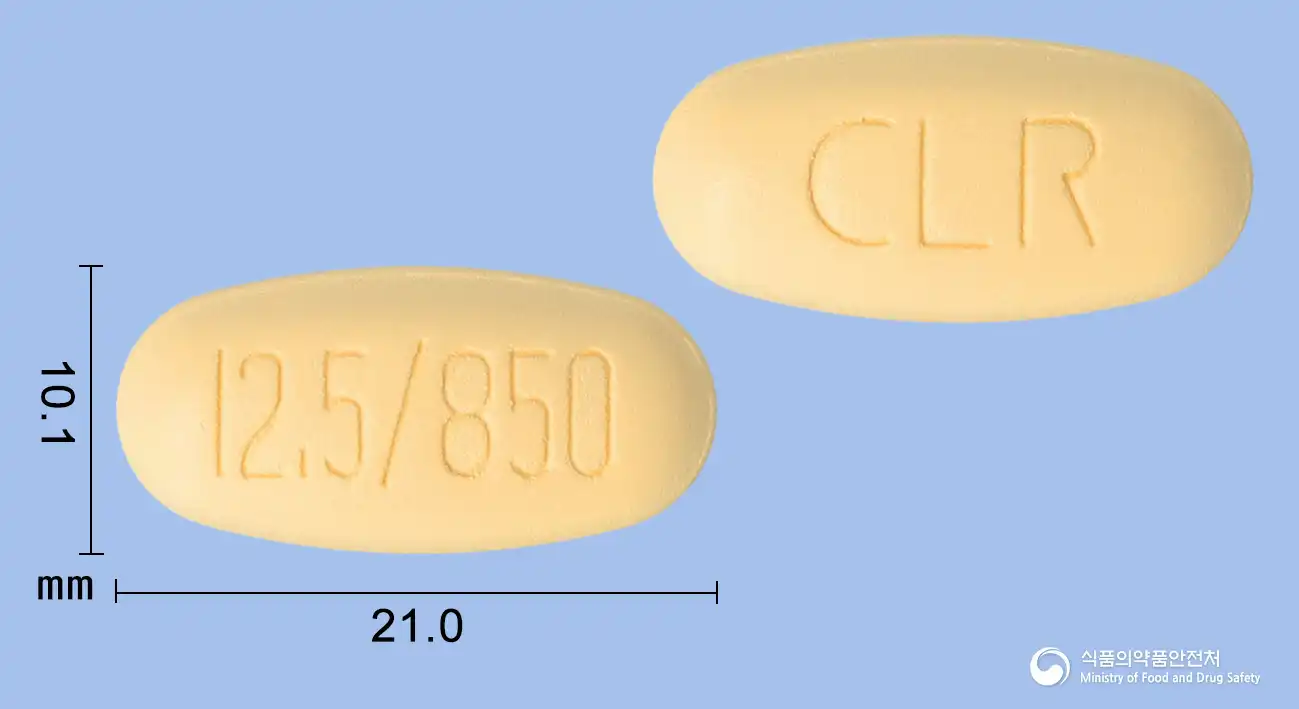
Nesina Met Tablet 12.5/850 milligrams (Alogliptin Benzoate, Metformin Hydrochloride)
Alogliptin Benzoate 17mg · Metformin Hydrochloride 850mg
Tablet · Prescription medication · Combination
Celltrion Pharmaceutical Co., Ltd.
MFDS item code 202303458 · Approved 2023.12.28 · Insurance code 693903850
Improves blood glucose control in patients with type 2 diabetes
This medication is used to assist in blood sugar control for patients with type 2 diabetes by combining alogliptin and metformin. It effectively helps improve blood sugar levels when used in conjunction with dietary management and exercise therapy. By consistently taking this medication, patients can manage their blood sugar levels more effectively. Therefore, this medication is used to control blood sugar levels in patients with type 2 diabetes.
The dose of this medicine should be adjusted according to efficacy and tolerability without exceeding the maximum recommended daily doses of each component: alogliptin 25mg and metformin 2000mg. The starting dose of this medicine should be determined according to the patient's current treatment regimen. To reduce gastrointestinal adverse reactions associated with metformin use, take this medicine twice daily with meals, and increase the dose gradually. Swallow this medicine whole. 1. Patients not currently receiving metformin The starting dose is 1 tablet of this medicine 12.5/500mg twice daily; the dose may be increased up to 1 tablet of this medicine 12.5/1000mg twice daily. 2. Patients who cannot achieve adequate glycemic control with metformin monotherapy The starting dose of this medicine is alogliptin 12.5mg twice daily (total daily dose 25mg) and the patient's current metformin dose, according to the patient's current treatment regimen. 3. Patients who cannot achieve adequate glycemic control with combination therapy of metformin and pioglitazone The starting dose of this medicine is alogliptin 12.5mg twice daily (total daily dose 25mg), and the starting dose of metformin should be determined based on the patient's blood glucose level and current dose. 4. Patients who cannot achieve adequate glycemic control with combination therapy of metformin and insulin The starting dose of this medicine is alogliptin 12.5mg twice daily (total daily dose 25mg), and the starting dose of metformin should be determined based on the patient's blood glucose level and current dose. When this medicine is administered with insulin, a reduction in the insulin dose may be necessary to reduce the risk of hypoglycemia. 5. Substitution for combination therapy with alogliptin and metformin When switching from combination therapy with alogliptin and metformin to this medicine, treatment may be started at the current doses of alogliptin and metformin.
This medication helps control blood sugar levels. However, it can cause serious side effects such as severe lactic acidosis or hypoglycemia, so caution is required. It should not be administered to patients with poor kidney function or those with heart disease or liver dysfunction. Additionally, pregnant or breastfeeding women should not take this medication. Prior to surgery or radiation tests, this medication should be discontinued for a certain period and should only be resumed once kidney function is confirmed to be normal after the tests. When taken in conjunction with other medications that may affect blood sugar control, blood sugar levels should be closely monitored according to the physician's instructions. It's advisable to avoid alcohol consumption while taking this medication, and if symptoms such as dizziness, muscle pain, difficulty breathing, or abdominal pain occur, immediate medical attention should be sought. This medication may lower vitamin B12 levels, so regular blood tests are recommended, and appropriate measures should be taken if abnormalities are detected. Elderly patients or those with decreased kidney function should take this medication with increased caution, and regular kidney function tests are required. In the event of an overdose, seek medical attention immediately as required treatment may be necessary, and this medication can be removed by blood dialysis.
Lactic acidosis, hypoglycemia, upper respiratory tract infection, nasopharyngitis, diarrhea, hypertension, headache, lumbago, urinary tract infection, pancreatitis, hypersensitivity reaction, serum sickness, anaphylaxis, angioedema, rash, urticaria, Stevens-Johnson syndrome, erythema multiforme, elevated liver enzyme levels, liver failure, tendinitis, fracture, costochondritis, leg fracture, upper limb fracture, spinal fracture, rhabdomyolysis, gastric ulcer, exacerbation of gastritis, hemorrhagic gastric ulcer, appendicitis, hyperglycemia, exacerbation of diabetes, abscess, infection, wound dehiscence, thyroid carcinoma, lung cancer, lung neoplasm, chest discomfort, generalized edema, general weakness, dyspnea, exacerbation of asthma, exacerbation of pneumonia, apnea, acute renal failure, nephrolithiasis, renal impairment, cholelithiasis, liver cirrhosis, myocardial infarction, angina, loss of appetite, cerebral infarction, transient ischemic attack, laceration, exacerbation of atrial fibrillation, dysphagia, stomatitis, abdominal pain, gastroesophageal reflux disease, gastrointestinal disturbance, atrophic gastritis, non-specific epigastric pain, periodontitis, toothache, belching, anal fissure, hematochezia, melena, constipation, nausea, vomiting, cough, increased sputum, bronchospasm, dry cough, chronic obstructive pulmonary disease, throat irritation, sinusitis, shortness of breath, sore throat, tonsillitis, vitamin D deficiency, increased triglycerides, increased CPK, hypertriglyceridemia, hyperkalemia, acidosis, dry eye syndrome, gout, increased blood glucose levels, fever, edema, fatigue, pelvic pain, leg edema, exacerbation of back pain, weakness, pain in the sacrum and buttocks, flank pain, pain, arm swelling, exacerbation of chest pain, skin tingling, sensory disturbance, thigh sensory disturbance, fecal incontinence, tremors, numbness, neuropathic pain, spinal stenosis, hemiplegia, skin sensory disturbance, dizziness, vertigo, lightheadedness, ligament injury, rib fracture, joint pain, fibromyalgia, muscle cramp, myalgia, malaise, trigger finger, plantar fasciitis, tendon rupture, arthrosis, itching, contact dermatitis, keratosis, sclerosis, increased sweating, nail disease, otitis externa, roseola, rosacea, furunculosis, seborrheic dermatitis, conjunctivitis, glaucoma, macular degeneration, cataract, keratitis, retinal disease, retinal disorder, bladder inflammation, exacerbation of cystitis, frequent urination, neurogenic bladder, urethritis, hematuria, increased serum creatinine, unspecific liver function test abnormalities, biliary sclerosis, fatty liver, herpes zoster, herpes simplex, herpes virus infection, benign prostatic hyperplasia, benign prostatic hypertrophy, depression, hypersensitivity, erectile dysfunction, insomnia, sleep disorder, orthostatic hypotension, hypotension, tinnitus, acute hearing loss, Meniere's disease, unspecific ear disease, bradycardia, palpitations, atherosclerosis
Not everyone experiences these, and they can vary from person to person.
This medication should be stored in a tightly sealed container to prevent air exposure and is best kept at room temperature between 1 to 30 degrees Celsius. Storing it this way helps maintain the effectiveness of the medication.
Bright yellow oblong film-coated tablet
Blister - 28 tablets/Alu-Alu[(7 X 4)], Bottle - 30 tablets/bottle[(Bottle - HDPE, Cap - PP, Silica gel)], Bottle - 100 tablets/bottle[(Bottle - HDPE, Cap - PP, Silica gel)]
Even with the same ingredient, strength, dosage form and how it is taken can differ.
Viewing nowCombinationAlogliptin Benzoate 17mg · Metformin Hydrochloride 850mg
Tablet · Prescription medication · Combination
Celltrion Pharmaceutical Co., Ltd.
Alogliptin Benzoate 17mg · Metformin Hydrochloride 500mg
Tablet · Prescription medication · Combination
Celltrion Pharmaceutical Co., Ltd.
Alogliptin Benzoate 17mg · Metformin Hydrochloride 1000mg
Tablet · Prescription medication · Combination
Celltrion Healthcare Co., Ltd.
Alogliptin Benzoate 17mg · Metformin Hydrochloride 850mg
Tablet · Prescription medication · Combination
Celltrion Pharmaceutical Co., Ltd.
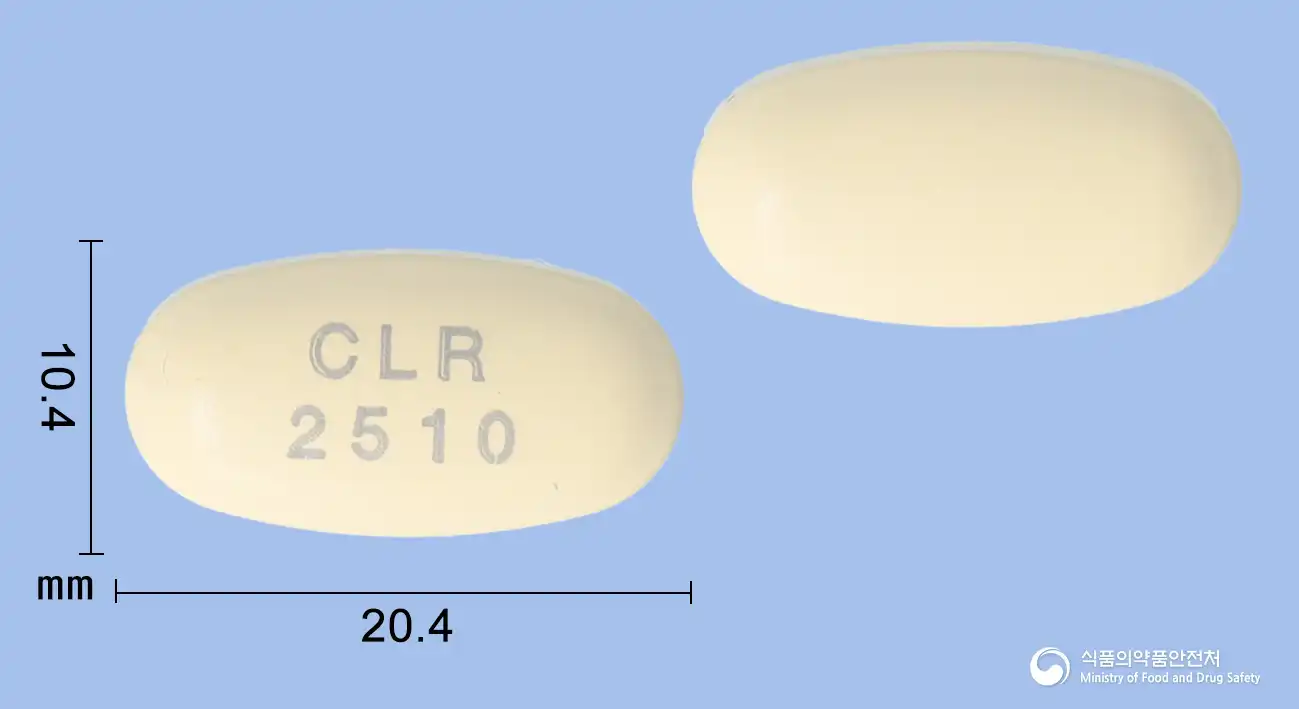 Combination
Metformin Hydrochloride 1000mg · Alogliptin Benzoate 34mg
Tablet · Prescription medication · Combination
Celltrion Pharmaceutical Co., Ltd.
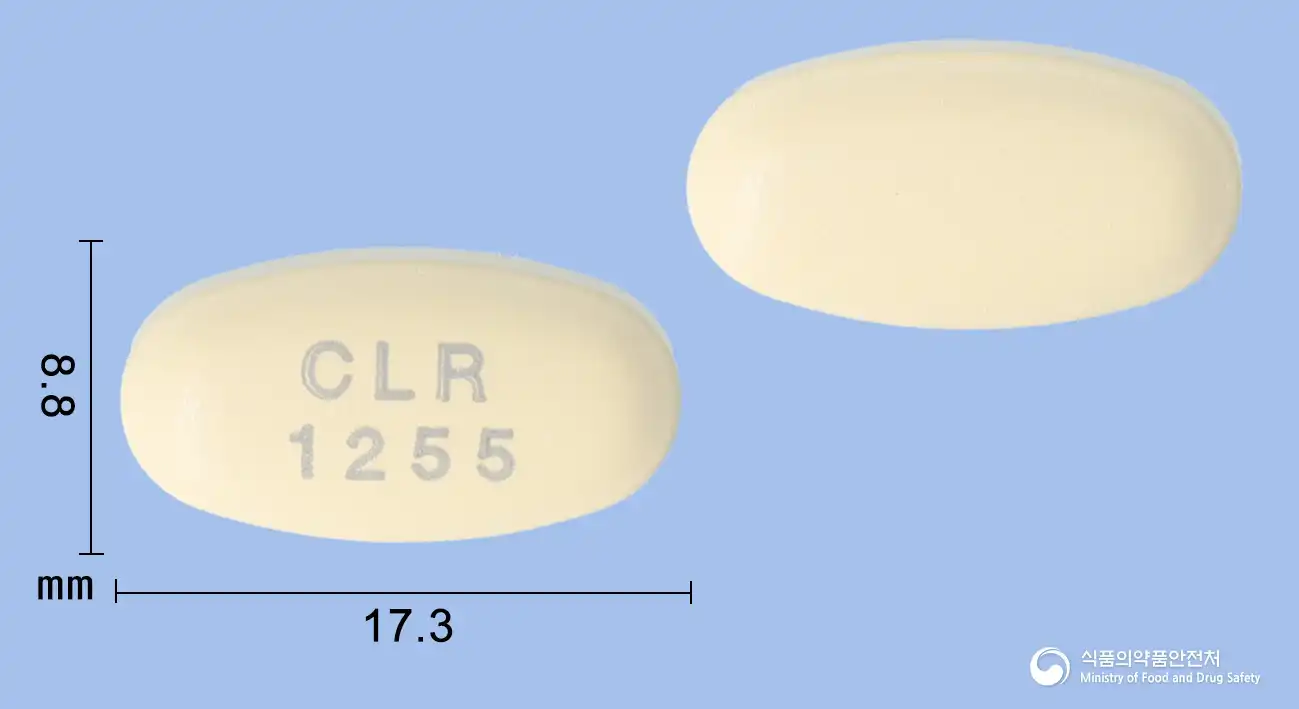 Combination
Metformin Hydrochloride 500mg · Alogliptin Benzoate 17mg
Tablet · Prescription medication · Combination
Celltrion Pharmaceutical Co., Ltd.
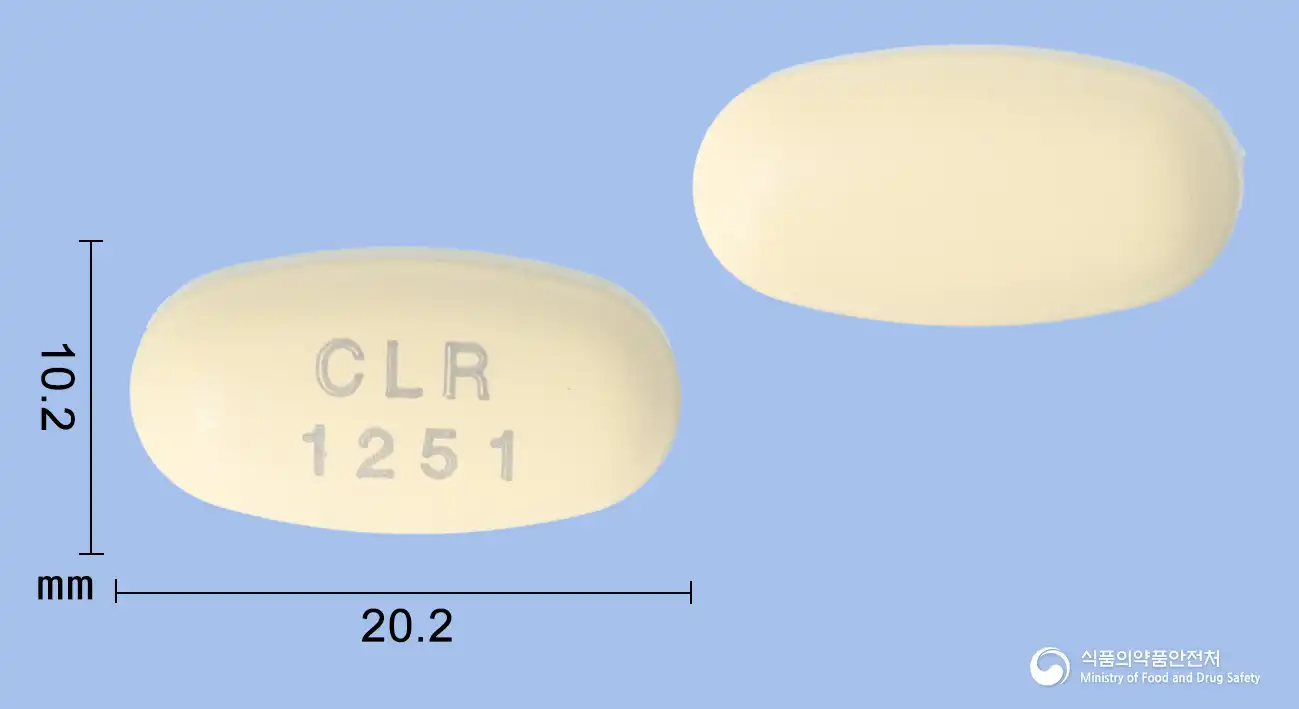 Combination
Metformin Hydrochloride 1000mg · Alogliptin Benzoate 17mg
Tablet · Prescription medication · Combination
Celltrion Pharmaceutical Co., Ltd.
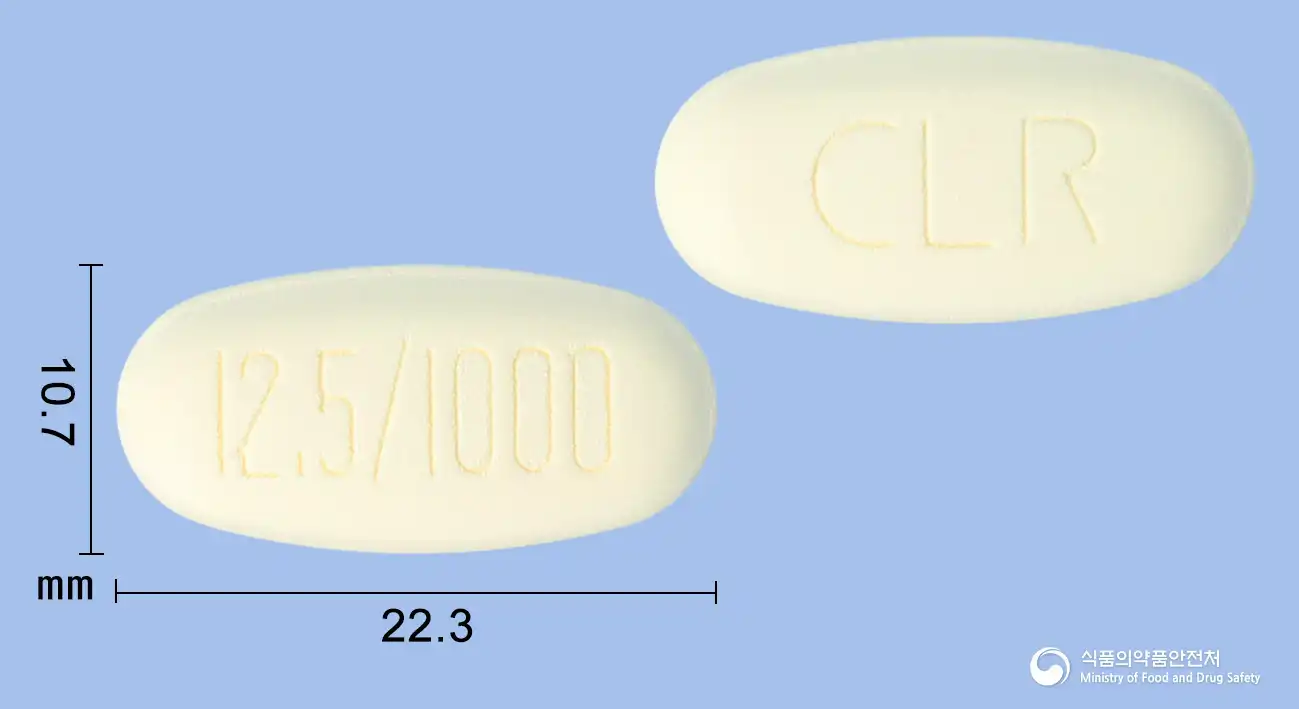 Combination
Alogliptin Benzoate 17mg · Metformin Hydrochloride 1000mg
Tablet · Prescription medication · Combination
Celltrion Pharmaceutical Co., Ltd.
Even with the same ingredient, the dose and directions can differ by strength and dosage form. Talk to a doctor or pharmacist before switching from a medication you are already taking.
No questions yet.
For anything that needs medical judgment, consult a doctor or pharmacist.
This drug information is based on data provided by the Korea Ministry of Food and Drug Safety.
Consult a doctor or pharmacist for accurate dosage, administration, and usage instructions.