
 한국어
한국어 English
 日本語
日本語 中文(简体)
 Viewing nowCombination
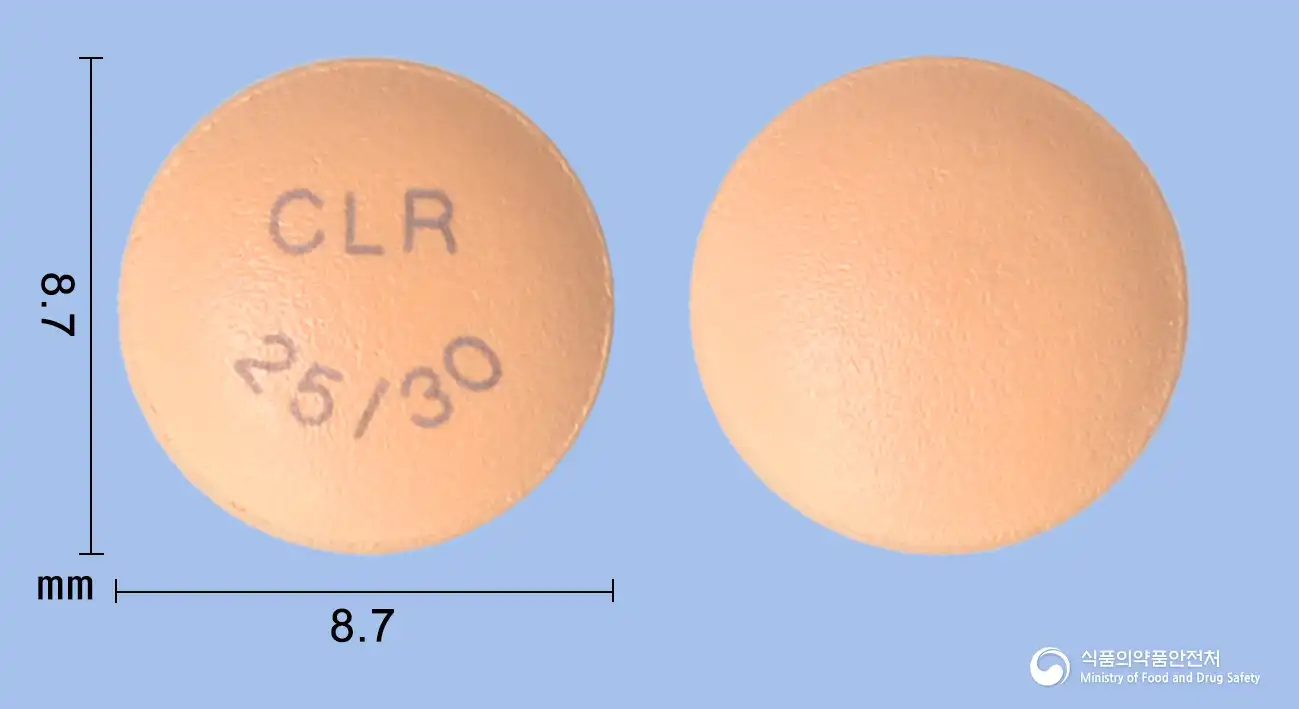
Nesina Act Tablets 25/30 mg (Alogliptin Benzoate, Pioglitazone Hydrochloride)
Alogliptin Benzoate 34mg · Pioglitazone Hydrochloride 33.06mg
Tablet · Prescription medication · Combination
Celltrion Pharmaceutical Co., Ltd.
MFDS item code 202303456 · Approved 2023.12.28 · Insurance code 693903860
Improvement of blood sugar control in type 2 diabetes
This medication is used to assist blood sugar control in patients with type 2 diabetes. It is effective when taken alongside dietary regulation and exercise therapy, helping to manage blood sugar more stably through the combination of alogliptin and pioglitazone. This medicine improves patients' blood sugar levels and aids in diabetes management.
This medication is taken once daily, irrespective of meals. The tablets should not be divided. The recommended starting dose is 25mg/15mg or 25mg/30mg, which can be increased to a maximum of 25mg/30mg once daily based on blood sugar response. In patients with renal impairment, no dosage adjustment is needed for mild renal impairment; however, in patients with moderate renal impairment, 12.5 mg/15 mg or 12.5 mg/30 mg should be taken once daily.
This medication is used for the treatment of type 2 diabetes, helping to control blood sugar. Due to the presence of pioglitazone, it may worsen symptoms of heart failure; therefore, patients with heart failure should not use this medication. While taking this medication, weight gain or edema may occur, and if symptoms of heart failure appear, medical personnel should be informed immediately. Patients with a history of bladder cancer or those currently diagnosed with bladder cancer should not use this medication, and if visible hematuria or urination troubles occur, they should consult a doctor promptly. Women who are pregnant or may become pregnant, as well as breastfeeding women, should avoid taking this medication. Patients with severely impaired kidney or liver function, those with severe infections or before and after surgery, and patients with type 1 diabetes should not use this medication. This medication poses a risk of hypoglycemia when combined with other diabetes medications; therefore, dosage adjustments may be necessary when taking insulin or sulfonylureas. Additionally, if any unusual symptoms such as pancreatitis, severe hypersensitivity reactions, liver function abnormalities, macular edema, or severe arthralgia occur while taking this medication, inform medical personnel immediately. Elderly patients, premenopausal women, patients with edema, and those with poor nutritional status should use this medication cautiously with regular monitoring. This medication generally exhibits fewer interactions with other drugs, but dosage adjustments may be necessary when used in combination with specific medications; therefore, all medications being taken should be reported to medical personnel. Finally, this medication should be stored out of reach of children and kept in its original container for safety.
Hives, angioedema, chest tightness, difficulty breathing, cold sweat, pallor, severe rash with high fever, blistering, skin peeling, pain in mucous membranes of the mouth/eyes, severe allergic reactions, severe skin reaction, respiratory issues, yellowing of the skin or eyes (jaundice), profound lethargy, liver damage (jaundice), sudden and severe headache, lightning headache, seizures, confusion, visual disturbances, paralysis, severe
Not everyone experiences these, and they can vary from person to person.
This medication should be stored in a sealed container to protect it from air and moisture. It is advisable to maintain the storage temperature between 1 and 30 degrees Celsius.
Pink, round, biconvex film-coated tablets
28 tablets/Alu-Alu[(14TX2ea)], 30 tablets/bottle, 100 tablets/bottle
Even with the same ingredient, strength, dosage form and how it is taken can differ.
Viewing nowCombinationAlogliptin Benzoate 34mg · Pioglitazone Hydrochloride 33.06mg
Tablet · Prescription medication · Combination
Celltrion Pharmaceutical Co., Ltd.
Alogliptin Benzoate 34mg · Pioglitazone Hydrochloride 16.53mg
Tablet · Prescription medication · Combination
Celltrion Pharmaceutical Co., Ltd.
Alogliptin Benzoate 34mg · Pioglitazone Hydrochloride 33.06mg
Tablet · Prescription medication · Combination
Celltrion Healthcare Co., Ltd.
Alogliptin Benzoate 17mg · Pioglitazone Hydrochloride 33.06mg
Tablet · Prescription medication · Combination
Celltrion Pharma Co., Ltd.
Alogliptin Benzoate 17mg · Pioglitazone Hydrochloride 16.53mg
Tablet · Prescription medication · Combination
Celltrion Pharmaceutical Co., Ltd.
 Combination
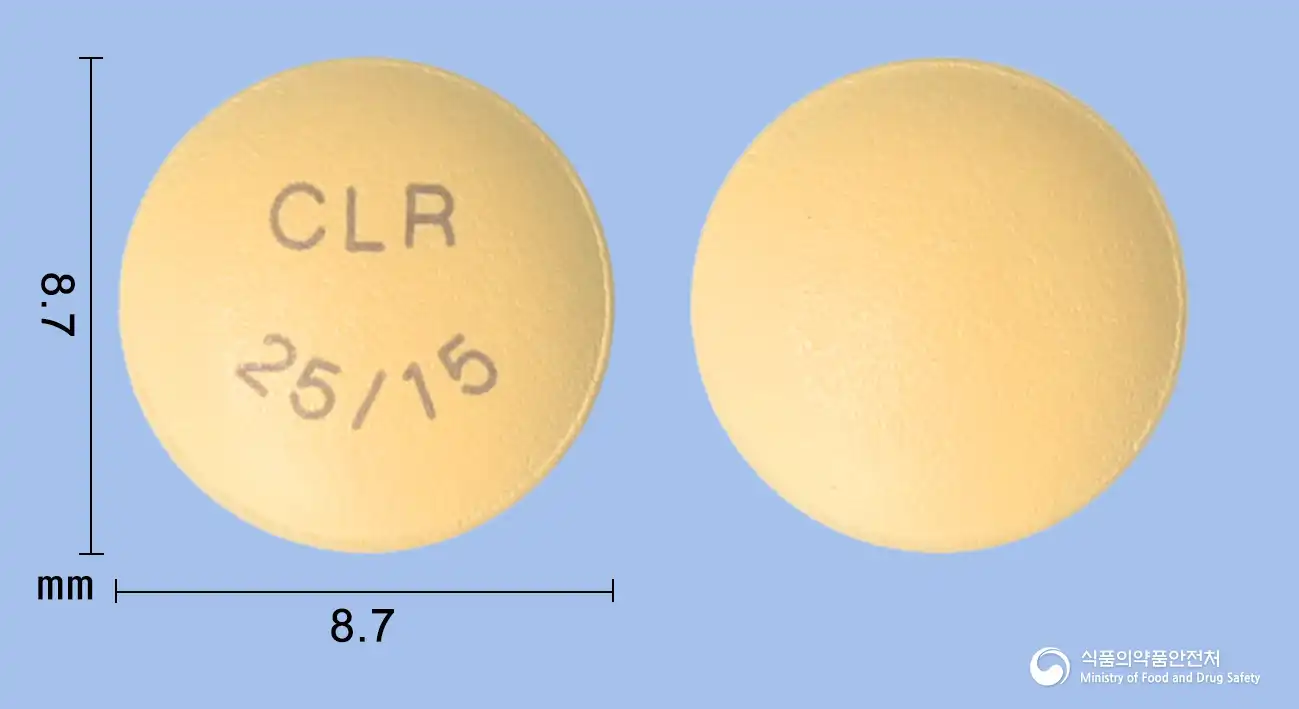
Alogliptin Benzoate 34mg · Pioglitazone Hydrochloride 16.53mg
Tablet · Prescription medication · Combination
Celltrion Pharmaceutical Co., Ltd.
Even with the same ingredient, the dose and directions can differ by strength and dosage form. Talk to a doctor or pharmacist before switching from a medication you are already taking.
No questions yet.
For anything that needs medical judgment, consult a doctor or pharmacist.
This drug information is based on data provided by the Korea Ministry of Food and Drug Safety.
Consult a doctor or pharmacist for accurate dosage, administration, and usage instructions.