
 한국어
 English
 日本語
 中文(简体)
 Viewing nowCombination
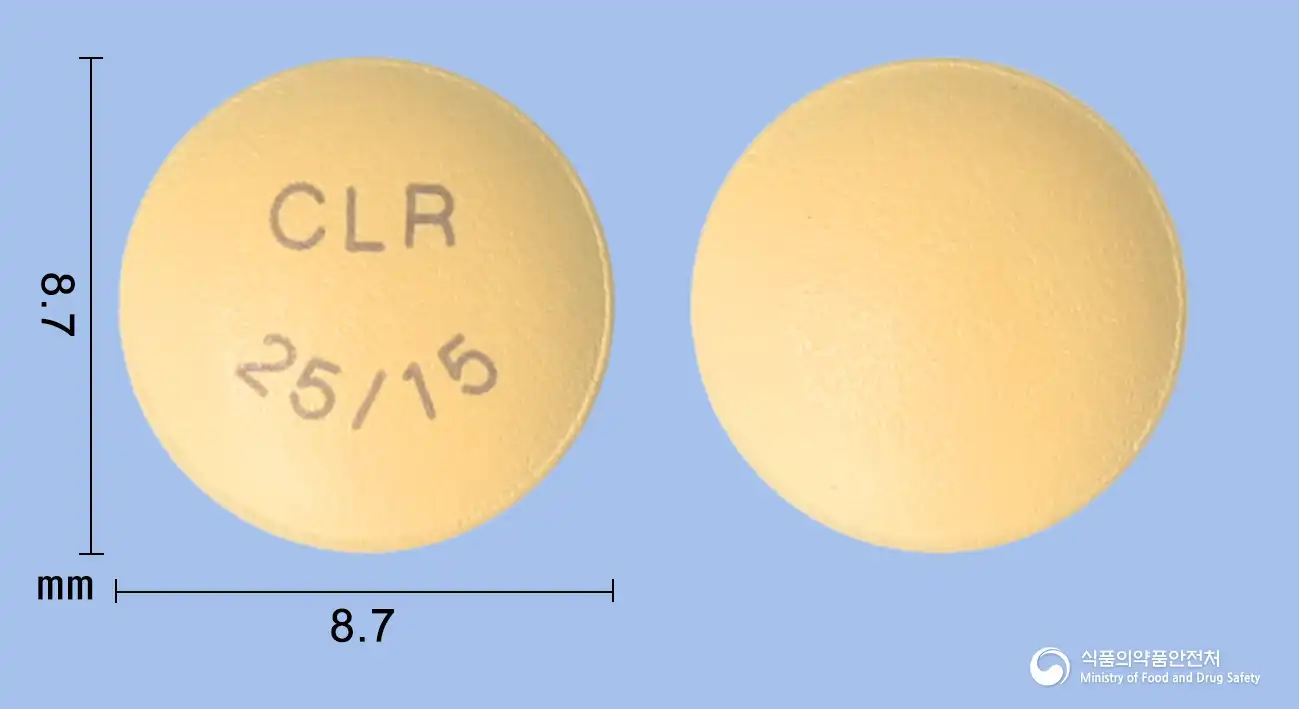
Nesina Act Tablet 25/15mg (Alogliptin Benzoate, Pioglitazone Hydrochloride)
Alogliptin Benzoate 34mg · Pioglitazone Hydrochloride 16.53mg
Tablet · Prescription medication · Combination
Celltrion Pharmaceutical Co., Ltd.
MFDS item code 202303455 · Approved 2023.12.28 · Insurance code 693903820
Improvement of blood glucose control in patients with type 2 diabetes mellitus
This medication is used to help control blood sugar levels in patients with type 2 diabetes. The ingredients alogliptin and pioglitazone work together to effectively manage blood sugar levels by complementing diet and exercise regimens. This allows for more stable blood sugar management. Patients can achieve good effects by consistently taking this medication along with proper meal management and exercise. This medication is used to improve blood sugar control in diabetic patients.
This medicine is administered once daily, regardless of meals. Do not split the tablets. The recommended starting dose of this medicine (alogliptin/pioglitazone) is as follows. ● For patients with no previous experience of antidiabetic drug therapy who cannot achieve adequate glycemic control with monotherapy: Administer this medicine 25mg/15mg. ● For patients who cannot achieve adequate glycemic control with metformin monotherapy: Administer this medicine 25mg/15mg. ● For patients who cannot achieve adequate glycemic control with pioglitazone monotherapy: Administer this medicine 25mg/15mg or 25mg/30mg, depending on the current treatment regimen. ● For patients who cannot achieve adequate glycemic control with combination therapy of pioglitazone and metformin: Administer this medicine 25mg/15mg or 25mg/30mg, depending on the current treatment regimen. ● Substitution for combination therapy with alogliptin and pioglitazone: When switching from combination therapy with alogliptin and pioglitazone to this medicine, start with the current doses of alogliptin and pioglitazone. The dose of this medicine may be increased to a maximum of 25mg/30mg once daily, depending on the glycemic response. Patients with renal impairment - Patients with mild renal impairment (creatinine clearance ≥50 mL/min): No dose adjustment is necessary. - Patients with moderate renal impairment (creatinine clearance ≥30~ <50 mL/min): Administer this medicine 12.5 mg/15 mg or 12.5 mg/30 mg once daily. - This medicine should not be administered to patients with severe renal impairment or end-stage renal disease. - Because dose adjustment may be necessary depending on renal function, assessment of renal function is recommended before starting treatment with this medicine and periodically thereafter.
This medication is used for the treatment of type 2 diabetes. However, this medication can place a burden on the heart, and should not be used in patients with heart failure or a history of heart failure. Additionally, during the course of taking this medication, if symptoms of heart failure such as sudden weight gain, difficulty breathing, or edema appear, the healthcare provider should be informed immediately. This medication can affect liver function, so liver function tests should be performed before starting treatment, and if any symptoms of abnormal liver function appear during use, testing and consultation are needed immediately. This medication may increase the risk of bladder cancer, so patients with bladder cancer or a history of bladder cancer should not use it. This medication can cause hypoglycemia, so if taken with other hypoglycemic agents like insulin or sulfonylureas, blood sugar levels should be observed carefully. Edema or weight gain may occur; if these symptoms persist or worsen, consult with a healthcare provider. It is advisable for pregnant or potentially pregnant women, as well as breastfeeding women, to avoid using this medication. Special caution is needed for elderly patients, patients with impaired kidney function, and premenopausal women using this medication. If unusual reactions occur during treatment, such as skin rashes, hives, severe joint pain, or vesicular skin diseases, consult a doctor immediately. Finally, this medication must be taken according to a doctor's prescription and guidance. Additionally, all medications being taken should be reported to the healthcare provider due to potential drug interactions.
Congestive heart failure, excessive and rapid weight change, shortness of breath, edema, fluid retention, hospitalization due to congestive heart failure, hypoglycemia, nasopharyngitis, back pain, upper respiratory infection, influenza, headache, pancreatitis, hypersensitivity reactions, serum sickness, sinusitis, myalgia, pharyngitis, edema, decreased hemoglobin, elevated serum creatine kinase, decreased vision, diabetic macular edema, liver failure, weight gain, fractures, bladder cancer, thrombocytopenia, bleeding, coagulopathy, abscess, infection, wound deficit, chest discomfort, generalized edema, generalized weakness, cirrhosis, cholelithiasis, acute renal failure, nephrolithiasis, renal dysfunction, myocardial infarction, angina, loss of appetite, cerebral infarction, transient ischemic attack, speech disorder, tendon rupture, itching, hematuria, conjunctivitis, glaucoma, macular degeneration, cataract, keratitis, retinal disease, retinal disorder, retinal disorders, sclerosing cholangitis, fatty liver, elevated AST, elevated ALT, shingles, depression, erectile dysfunction, insomnia, sleep disorders, benign prostatic hyperplasia, orthostatic hypotension, hypotension, tinnitus, acute hearing loss, Meniere's disease, coronary artery occlusion, bradycardia, palpitations, worsening of atrial fibrillation, hypertension, diarrhea, dyspepsia, constipation, gastritis, vomiting, cough, sputum diseases, bronchitis, runny nose, pneumonia, chest pain, back pain, dizziness, vertigo, brain disorder, arthralgia, neck and shoulder pain, arthrosis, leg fractures, myalgia, onychomycosis, pyelonephritis, ureterolithiasis, contusion, insomnia, itching
Not everyone experiences these, and they can vary from person to person.
This medication should be stored in a sealed container as it may be sensitive to air and moisture. It is recommended to maintain a storage temperature between 1 and 30 degrees Celsius. Storing it this way will help preserve the medication's effectiveness and safety for a long duration.
Yellow, round, biconvex film-coated tablet
28 tablets/Alu-Alu[(14TX2ea)], 30 tablets/bottle, 100 tablets/bottle
Even with the same ingredient, strength, dosage form and how it is taken can differ.
Viewing nowCombinationAlogliptin Benzoate 34mg · Pioglitazone Hydrochloride 16.53mg
Tablet · Prescription medication · Combination
Celltrion Pharmaceutical Co., Ltd.
Alogliptin Benzoate 34mg · Pioglitazone Hydrochloride 16.53mg
Tablet · Prescription medication · Combination
Celltrion Pharmaceutical Co., Ltd.
Alogliptin Benzoate 34mg · Pioglitazone Hydrochloride 33.06mg
Tablet · Prescription medication · Combination
Celltrion Healthcare Co., Ltd.
Alogliptin Benzoate 17mg · Pioglitazone Hydrochloride 33.06mg
Tablet · Prescription medication · Combination
Celltrion Pharma Co., Ltd.
Alogliptin Benzoate 17mg · Pioglitazone Hydrochloride 16.53mg
Tablet · Prescription medication · Combination
Celltrion Pharmaceutical Co., Ltd.
 Combination
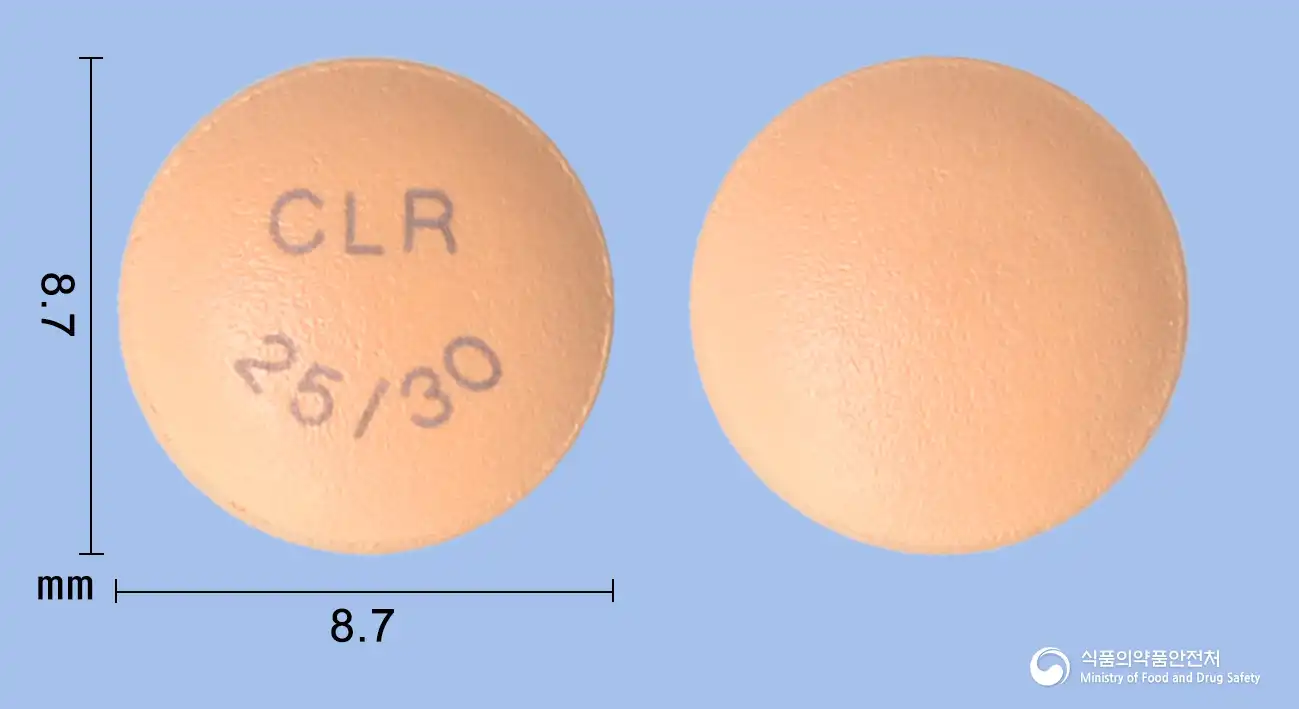
Alogliptin Benzoate 34mg · Pioglitazone Hydrochloride 33.06mg
Tablet · Prescription medication · Combination
Celltrion Pharmaceutical Co., Ltd.
Even with the same ingredient, the dose and directions can differ by strength and dosage form. Talk to a doctor or pharmacist before switching from a medication you are already taking.
No questions yet.
For anything that needs medical judgment, consult a doctor or pharmacist.
This drug information is based on data provided by the Korea Ministry of Food and Drug Safety.
Consult a doctor or pharmacist for accurate dosage, administration, and usage instructions.