
 한국어
한국어 English
 日本語
日本語 中文(简体)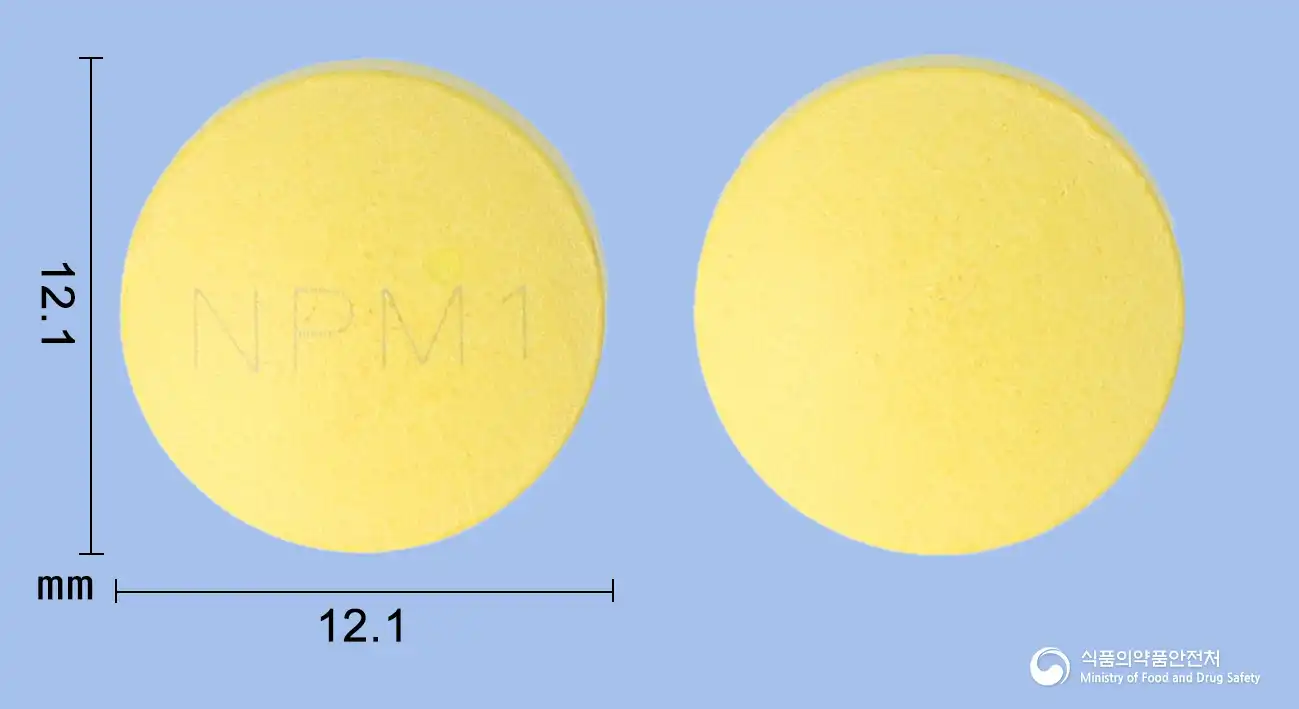
Summary
- Main use
- Efficacy in the treatment of gastric ulcers and duodenal ulcers, as well as relief of symptoms of gastroesophageal reflux disease and maintenance therapy
- Who takes it
- Adults · Children
- Adult dose
- 1. Adults: 1) Gastric ulcers, duodenal ulcers: Typically, adults should take 10/350 mg orally once daily. Usually, treatment for gastric ulcers lasts up to 8 weeks, and for duodenal ulcers, up to 6 weeks. 2) Erosive or ulcerative gastroesophageal reflux disease: Take 10/350 mg orally once daily for 4 to 8 weeks. If treatment with proton pump inhibitors (PPIs) for 8 weeks is not effective, an additional 8-week course of 10/350 mg can be administered once daily. 3) Relief of symptoms of gastroesophageal reflux disease: 10/350 mg should be administered once daily. If symptoms are not controlled after 4 weeks, further medical advice is necessary. Once symptoms resolve, on-demand therapy of 10/350 mg once daily may be used to control any subsequent symptoms. 4) Long-term maintenance therapy for gastroesophageal reflux disease: Patients should be given 10/350 mg orally once daily, depending on the individual patient. 2. Patients with liver dysfunction: Adverse reactions of hepatic encephalopathy have been reported in patients with liver cirrhosis. Therefore, careful administration is advised. 3. Elderly patients: Since they often have reduced liver function, caution is advised during administration. 4. Children: Safety in children has not been established.
- Child dose
- Safety in children has not been established.
Ingredients
- Manufacturer
- 대한뉴팜(주)
Efficacy & effects
Efficacy in the treatment of gastric ulcers and duodenal ulcers, as well as relief of symptoms of gastroesophageal reflux disease and maintenance therapy
- Gastric ulcers
- duodenal ulcers
- erosive gastroesophageal reflux disease
- ulcerative gastroesophageal reflux disease
View approved original textHide original text
This medication is used for the treatment of gastric ulcers and duodenal ulcers, and for erosive or ulcerative gastroesophageal reflux disease. It is also effective for relieving symptoms associated with gastroesophageal reflux disease and for long-term maintenance therapy. Therefore, this medication helps protect the gastric mucosa and improve discomfort due to reflux.
How to take
Adult dose
1. Adults: 1) Gastric ulcers, duodenal ulcers: Typically, adults should take 10/350 mg orally once daily. Usually, treatment for gastric ulcers lasts up to 8 weeks, and for duodenal ulcers, up to 6 weeks. 2) Erosive or ulcerative gastroesophageal reflux disease: Take 10/350 mg orally once daily for 4 to 8 weeks. If treatment with proton pump inhibitors (PPIs) for 8 weeks is not effective, an additional 8-week course of 10/350 mg can be administered once daily. 3) Relief of symptoms of gastroesophageal reflux disease: 10/350 mg should be administered once daily. If symptoms are not controlled after 4 weeks, further medical advice is necessary. Once symptoms resolve, on-demand therapy of 10/350 mg once daily may be used to control any subsequent symptoms. 4) Long-term maintenance therapy for gastroesophageal reflux disease: Patients should be given 10/350 mg orally once daily, depending on the individual patient. 2. Patients with liver dysfunction: Adverse reactions of hepatic encephalopathy have been reported in patients with liver cirrhosis. Therefore, careful administration is advised. 3. Elderly patients: Since they often have reduced liver function, caution is advised during administration. 4. Children: Safety in children has not been established.
Child dose
Safety in children has not been established.
Precautions
This medication should not be used in certain patients. Patients allergic to this medication, its components, or benzimidazole derivatives, patients taking atazanavir or rilpivirine, pregnant or breastfeeding women, patients with severely impaired kidney function, patients with diarrhea, patients with lactose intolerance or specific metabolic disorders, patients with a history of myocardial infarction should not take this medication. Caution is needed when administering this medication to patients with impaired liver function, elderly patients, patients with a history of drug allergies, patients with impaired cardiac function, patients with hypermagnesemia, and patients allergic to yellow #4 (tartrazine) contained in this medication. This medication may cause allergic reactions such as skin rash, urticaria, or itching, so if such symptoms occur, discontinuation of the medication is necessary. Furthermore, various side effects such as changes in blood cell counts, liver function abnormalities, cardiovascular problems, gastrointestinal symptoms, neurological symptoms, respiratory and musculoskeletal issues, skin and eye problems, and urinary issues may occur, necessitating regular check-ups. The magnesium oxide contained in this medication may occasionally cause diarrhea, and caution is advised as hypermagnesemia may occur in case of overdose. This medication may inhibit gastric acid secretion, potentially increasing the number of bacteria in the gastrointestinal tract and slightly increasing the risk of specific bacterial infections. Furthermore, long-term use may increase the risk of fractures related to osteoporosis, so regular examinations and caution are required during prolonged administration. Pregnant or breastfeeding women should not take this medication, and elderly patients should exercise caution due to potential liver function decline and adverse reactions. This medication may interact with other drugs, so it is essential to consult with a physician or pharmacist when combined with drugs such as atazanavir, rilpivirine, methotrexate, or warfarin. The tablet should be swallowed whole without chewing or crushing, and there is no specific antidote for overdose, so appropriate treatment should be provided according to symptoms. Store out of reach of children and do not transfer to other containers if possible.
Side effects and when to seek care immediately
Serious side effects
Urticaria, severe swelling, chest tightness, difficulty breathing, cold sweat, pallor, severe allergic reactions, severe rash accompanied by high fever, blisters, peeling skin, pain in oral/ocular mucosa, severe skin reactions, shortness of breath or difficulty breathing, asthma attacks, cough+fever accompanied respiratory issues, respiratory problems, jaundice or yellowing of skin/eyes, systemic extreme lethargy, liver abnormalities, sudden severe headache
Mild side effects
- Rash
- itching
- urticaria
- decreased red blood cells
- decreased white blood cells
- increased white blood cells
- increased eosinophils
- increased neutrophils
- decreased lymphocytes
- anemia
Show 20 moreCollapse
- petechial hemorrhage
- lymphadenopathy
- hypochromic anemia
- pancytopenia
- agranulocytosis
- decreased platelets
- hemolytic anemia
- elevated ALT
- elevated AST
- elevated ALP
- elevated γ-GTP
- elevated LDH
- increased total bilirubin
- hypertension
- myocardial infarction
- ECG abnormalities
- migraine
- fainting
- angina
- heart block
Not everyone experiences these, and they can vary from person to person.
Storage
This medication should be stored in a tightly sealed container to protect it from air and moisture. It is advisable to maintain storage temperatures between 1 degree to 30 degrees Celsius at room temperature.
Appearance and packaging
Appearance
Yellow round film-coated tablets with an inner core
Package unit
28 tablets/box [14 tablets/PTP×2], 28 tablets/box [7 tablets/PTP×4]
Questions about this medicine
No questions yet.
For anything that needs medical judgment, consult a doctor or pharmacist.