Medication info
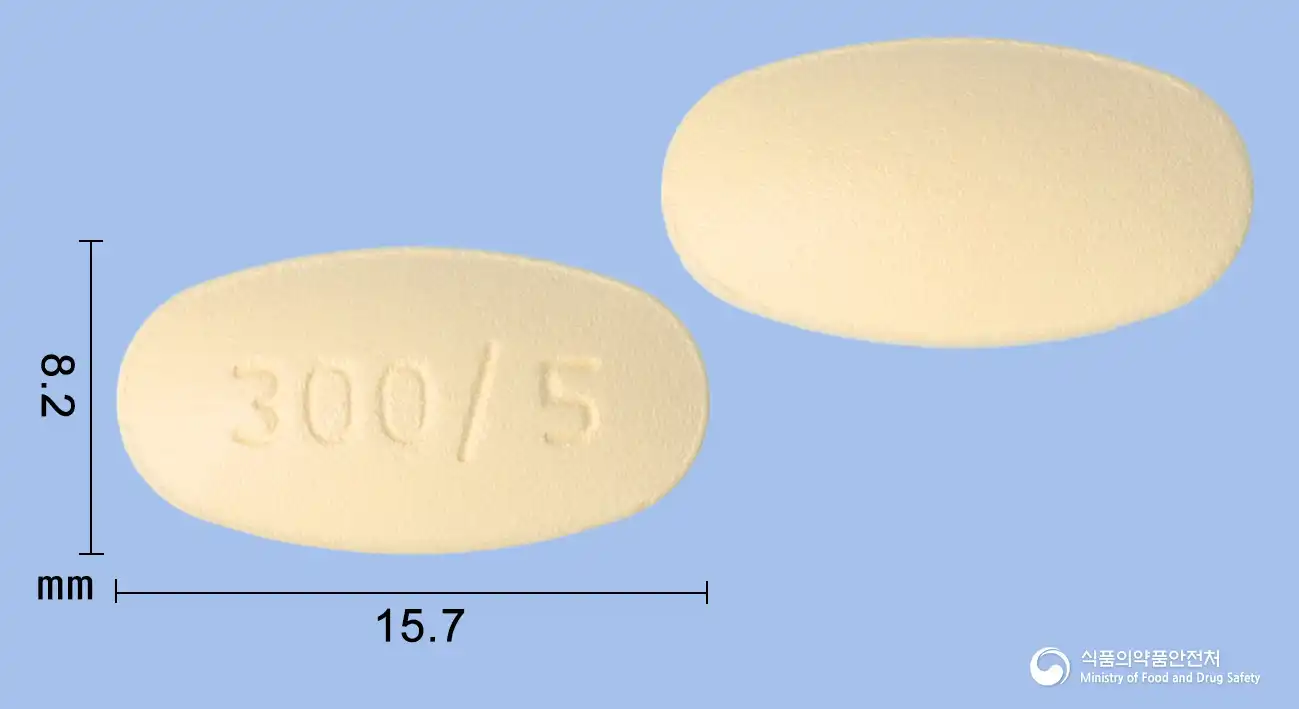
Aprovasc Tablet 300/5 mg (Irbesartan, Amlodipine Besylate)

Aprovasc Tablet 300/5 mg (Irbesartan, Amlodipine Besylate)

Prescription medicationTabletOral
Ingredient · strength
Irbesartan›300mg / 1 tabletAmlodipine Besylate›7mg / 1 tablet
Manufacturer / importer
Handok Co., Ltd.
Appearance
Yellow oval film-coated tablets
Packaging
Bottle - 100 tablets/bottle, Bottle - 30 tablets/bottle
Approval status
Active

MFDS item code 202303235 · Approved 2023.11.28 · Insurance code 652105930

Summary

Main use
Treatment of essential hypertension not controlled by irbesartan monotherapy
Who takes it
Adults
Adult dose
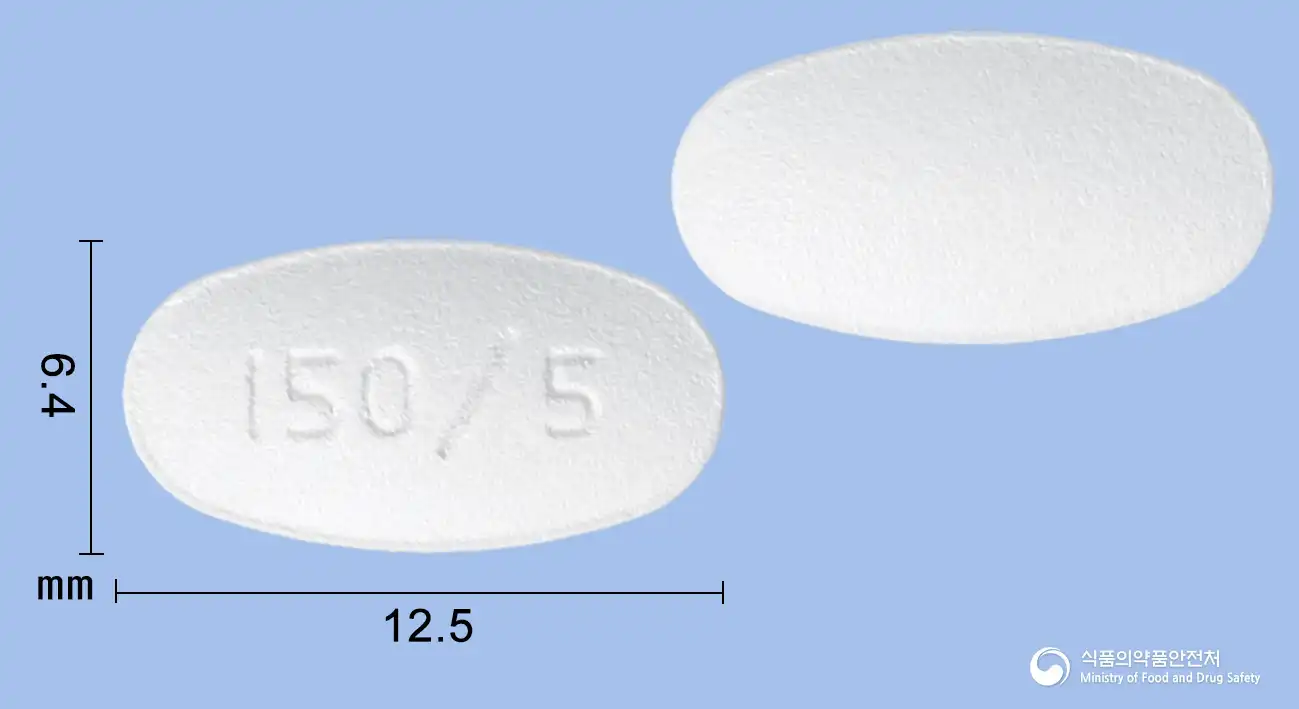
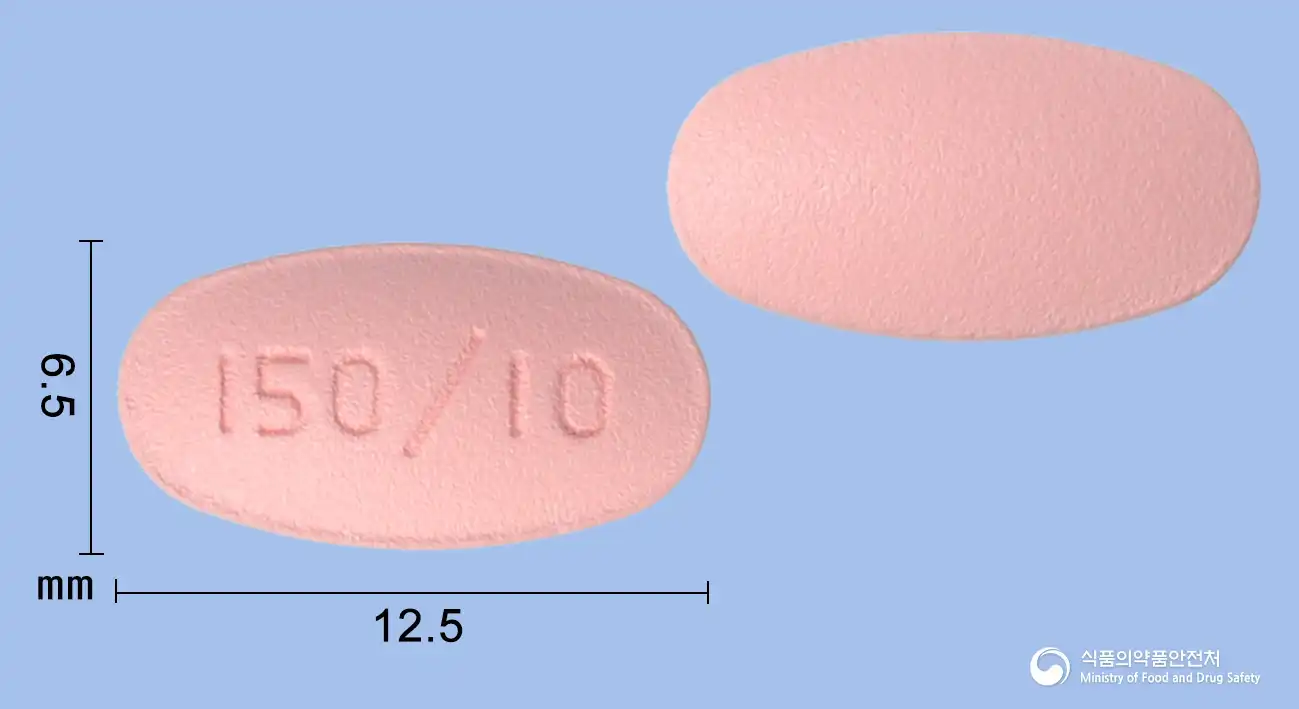
○ Adults Take 1 tablet once daily with water, with or without food. If possible, it is recommended that you take it at the same time each day (e.g., in the morning). Before starting this medicine, it is recommended that the dose of irbesartan be adjusted. However, if blood pressure is not controlled as described below, switching directly to this medicine may be considered. • 150/5 mg: For patients whose blood pressure is not adequately controlled with irbesartan 150 mg monotherapy. • 150/10 mg: For patients whose blood pressure is not adequately controlled with irbesartan 150 mg monotherapy or this medicine at 150/5 mg. • 300/5 mg: For patients whose blood pressure is not adequately controlled with irbesartan 300 mg monotherapy. Patients taking irbesartan and amlodipine as separate medicines may switch to this medicine (a combination product containing the same amount of each active ingredient) for convenience. In general, blood pressure control over 24 hours is better with irbesartan 150 mg than with irbesartan 75 mg once daily. However, irbesartan 75 mg may be considered in certain cases (such as at the start of treatment, in patients on hemodialysis, or in patients aged 75 years and older). This medicine is not recommended when a reduction in the irbesartan dose (e.g., to 75 mg once daily) is required. ○ Older adults Dose adjustment is generally not necessary. However, in patients aged 75 years and older, irbesartan 75 mg should be considered as the initial dose; therefore, this medicine is not recommended for initial treatment. ○ Patients with renal impairment Dose adjustment is generally not necessary. However, in patients on hemodialysis, irbesartan 75 mg should be considered as the initial dose; therefore, this medicine is not recommended for initial treatment. ○ Patients with hepatic impairment Dose adjustment is generally not necessary in patients with mild to moderate hepatic impairment, but it is recommended that the daily dose of irbesartan not exceed 150 mg. However, there is no clinical experience with irbesartan in patients with severe hepatic impairment.

Ingredients

Manufacturer
Handok Co., Ltd.

Efficacy & effects

Treatment of essential hypertension not controlled by irbesartan monotherapy

  • Essential hypertension
View approved original text

This medication is used to treat essential hypertension in patients whose blood pressure is not adequately controlled with irbesartan monotherapy.

How to take

Adult dose

○ Adults Take 1 tablet once daily with water, with or without food. If possible, it is recommended that you take it at the same time each day (e.g., in the morning). Before starting this medicine, it is recommended that the dose of irbesartan be adjusted. However, if blood pressure is not controlled as described below, switching directly to this medicine may be considered. • 150/5 mg: For patients whose blood pressure is not adequately controlled with irbesartan 150 mg monotherapy. • 150/10 mg: For patients whose blood pressure is not adequately controlled with irbesartan 150 mg monotherapy or this medicine at 150/5 mg. • 300/5 mg: For patients whose blood pressure is not adequately controlled with irbesartan 300 mg monotherapy. Patients taking irbesartan and amlodipine as separate medicines may switch to this medicine (a combination product containing the same amount of each active ingredient) for convenience. In general, blood pressure control over 24 hours is better with irbesartan 150 mg than with irbesartan 75 mg once daily. However, irbesartan 75 mg may be considered in certain cases (such as at the start of treatment, in patients on hemodialysis, or in patients aged 75 years and older). This medicine is not recommended when a reduction in the irbesartan dose (e.g., to 75 mg once daily) is required. ○ Older adults Dose adjustment is generally not necessary. However, in patients aged 75 years and older, irbesartan 75 mg should be considered as the initial dose; therefore, this medicine is not recommended for initial treatment. ○ Patients with renal impairment Dose adjustment is generally not necessary. However, in patients on hemodialysis, irbesartan 75 mg should be considered as the initial dose; therefore, this medicine is not recommended for initial treatment. ○ Patients with hepatic impairment Dose adjustment is generally not necessary in patients with mild to moderate hepatic impairment, but it is recommended that the daily dose of irbesartan not exceed 150 mg. However, there is no clinical experience with irbesartan in patients with severe hepatic impairment.

Precautions

This medication can cause serious harm to the fetus when taken during pregnancy, especially in the second and third trimesters, so it should be discontinued immediately if pregnancy is confirmed. Individuals with allergies to this drug or its components, pregnant or breastfeeding women, severe liver dysfunction patients, and those with a history of certain angioedema should not take this medication. Elderly patients, patients with hyperkalemia, liver dysfunction, and heart and kidney disease require special caution while taking this medication, and blood pressure, kidney function, and electrolyte status should be monitored frequently. While taking this medication, side effects such as dizziness, hypotension, hyperkalemia, renal failure, liver dysfunction, and hypoglycemia may occur, so if symptoms appear, consult a healthcare professional immediately. Use caution when taking other antihypertensive medications, diuretics, potassium supplements, lithium, non-steroidal anti-inflammatory drugs, as interactions may occur, and you must inform your healthcare provider about any other medications you are taking. Do not take this medication while pregnant or breastfeeding, and if it is necessary to take it, consult a healthcare professional thoroughly. Safety for children has not been established; elderly patients over 75 years should start with a low dose and be administered cautiously. In case of overdose, hypotension, tachycardia, and in severe instances shock can occur, so seek appropriate treatment immediately at a medical facility. This medication should be stored out of reach of children and should not be transferred to other containers.

Side effects

  • COVID-19
  • nasopharyngitis
  • constipation
  • upper abdominal pain
  • chronic gastritis
  • gastroesophageal reflux disease
  • toothache
  • dizziness
  • headache
  • positional dizziness
Show 201 more
  • dyslipidemia
  • hyperkalemia
  • hyperlipidemia
  • back pain
  • bursitis
  • muscle single contraction
  • dermatitis
  • pruritus
  • palpitations
  • Graves' disease
  • eyelid twitching
  • spinal fracture
  • increased serum uric acid
  • rhinitis
  • chest pain
  • facial edema
  • edema
  • hypertriglyceridemia
  • increased alanine aminotransferase
  • increased serum triglycerides
  • increased gamma-glutamyl transferase
  • atrial fibrillation
  • hypersensitivity
  • albuminuria
  • cough
  • urticaria
  • upper respiratory infection
  • sinus abnormality
  • influenza
  • pharyngitis
  • musculoskeletal pain
  • myalgia
  • fatigue
  • diarrhea
  • nausea
  • vomiting
  • musculoskeletal trauma
  • chest pain
  • dyspepsia
  • rash
  • tachycardia
  • anxiety
  • irritability
  • upper urinary tract infection
  • flushing
  • fever
  • chills
  • facial swelling
  • arm swelling
  • heart murmur
  • myocardial infarction
  • angina
  • arrhythmia
  • cardiac arrest
  • heart failure
  • hypertensive crisis
  • itching
  • dermatitis
  • petechial hemorrhage
  • erythema
  • urticaria
  • sexual dysfunction
  • changes in sexual function
  • gout
  • constipation
  • oral lesions
  • gastroenteritis
  • abdominal distention
  • limb swelling
  • muscle stiffness
  • arthritis
  • myalgia
  • joint stiffness
  • bursitis
  • muscle weakness
  • sleep disorders
  • paralysis
  • hypersomnia
  • mood disorders
  • depression
  • sensory disturbances
  • tremors
  • transient ischemia
  • cerebrovascular accident
  • abnormal urination
  • prostatic abnormalities
  • epistaxis
  • bronchitis
  • congestion
  • pulmonary congestion
  • shortness of breath
  • wheezing
  • visual disturbances
  • auditory abnormalities
  • ear infections
  • ear pain
  • conjunctivitis
  • eyelid abnormalities
  • ear abnormalities
  • orthostatic dizziness
  • orthostatic hypotension
  • increased serum creatine kinase
  • weakness
  • sensory loss syndrome
  • hypertriglyceridemia
  • insomnia
  • dysgeusia
  • thirst
  • abdominal distention
  • oral bleeding
  • increased sputum
  • decreased HDL
  • increased saliva
  • surface
  • itching
  • agranulocytosis
  • leukopenia
  • erectile dysfunction
  • flushing
  • fatigue
  • edema
  • palpitations
  • dizziness
  • drowsiness
  • abdominal pain
  • nausea
  • weakness
  • lethargy
  • pain
  • weight gain
  • weight loss
  • hypotension
  • vasculitis
  • tension increase
  • sensory impairment
  • sensory disturbances
  • peripheral neuropathy
  • syncope
  • altered taste
  • tremors
  • extrapyramidal disorder
  • erectile dysfunction
  • gynecomastia
  • changes in bowel habits
  • dry mouth
  • dyspepsia
  • gingival hyperplasia
  • pancreatitis
  • vomiting
  • hyperglycemia
  • arthralgia
  • low back pain
  • muscle cramps
  • myalgia
  • leukopenia
  • thrombocytopenia
  • insomnia
  • mood changes
  • cough
  • shortness of breath
  • rhinitis
  • hair loss
  • hyperhidrosis
  • purpura
  • skin discoloration
  • urticaria
  • toxic epidermal necrolysis
  • tinnitus
  • visual abnormalities
  • increased urinary frequency
  • urinary disorders
  • nocturia
  • hepatitis
  • jaundice
  • elevated liver enzymes
  • skin erythema
  • papular rash
  • myocardial infarction
  • arrhythmia
  • chest pain
  • hypotension
  • sinus block
  • atrioventricular block
  • abdominal discomfort
  • precordial pain
  • diarrhea
  • loose stools
  • constipation
  • heaviness
  • warmth
  • impaired glucose tolerance
  • weakness
  • angioedema
  • shock
  • syncope
  • loss of consciousness
  • renal failure
  • liver dysfunction
  • jaundice
  • hypoglycemia
  • rhabdomyolysis

Not everyone experiences these, and they can vary from person to person.

Storage

This medication is sensitive to air and moisture, so it must be stored in a tightly closed container. Additionally, it is recommended to store it at room temperature between 1 to 30 degrees Celsius, avoiding direct sunlight.

Appearance and packaging

Appearance

Yellow oval film-coated tablets

Package unit

Bottle - 100 tablets/bottle, Bottle - 30 tablets/bottle

Same-ingredient medicines

Even with the same ingredient, strength, dosage form and how it is taken can differ.

Even with the same ingredient, the dose and directions can differ by strength and dosage form. Talk to a doctor or pharmacist before switching from a medication you are already taking.

Questions about this medicine

No questions yet.

For anything that needs medical judgment, consult a doctor or pharmacist.

Related searches

Search tags

Suggested searches

This drug information is based on data provided by the Korea Ministry of Food and Drug Safety.
Consult a doctor or pharmacist for accurate dosage, administration, and usage instructions.